![Pink vintage Italian scooter, est. 2020. Italian [Brand Name] logo.](https://www.the-bella-vita.com/wp-content/uploads/2022/03/cropped-new-logo-2.png)
27 Things Every Italian-American Grandmother’s Kitchen Had (How Many Do You Remember?)
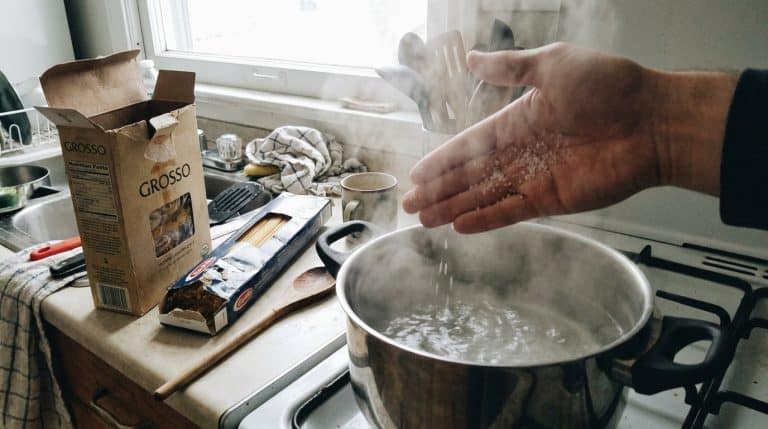
My grandmother’s kitchen was eleven feet by nine feet and fed twenty-two people on Easter.
I know the measurements because my father finally tiled that floor in 1989 and complained about it for the rest of his life. Nonna Pina came over from a town outside Palermo in 1952, landed in a rowhouse outside Philadelphia, and never once considered that a kitchen might be a place you decorate.
It was a workshop. Everything in it had a job, and most of it had been doing that job since Eisenhower.
I’m in my fifties now and I still reach for things that aren’t there. The dented colander. The spoon. The coffee can she’d never let anyone throw out.
Here are 27 things that lived in her kitchen, and probably in yours too.
1. The Dented Colander
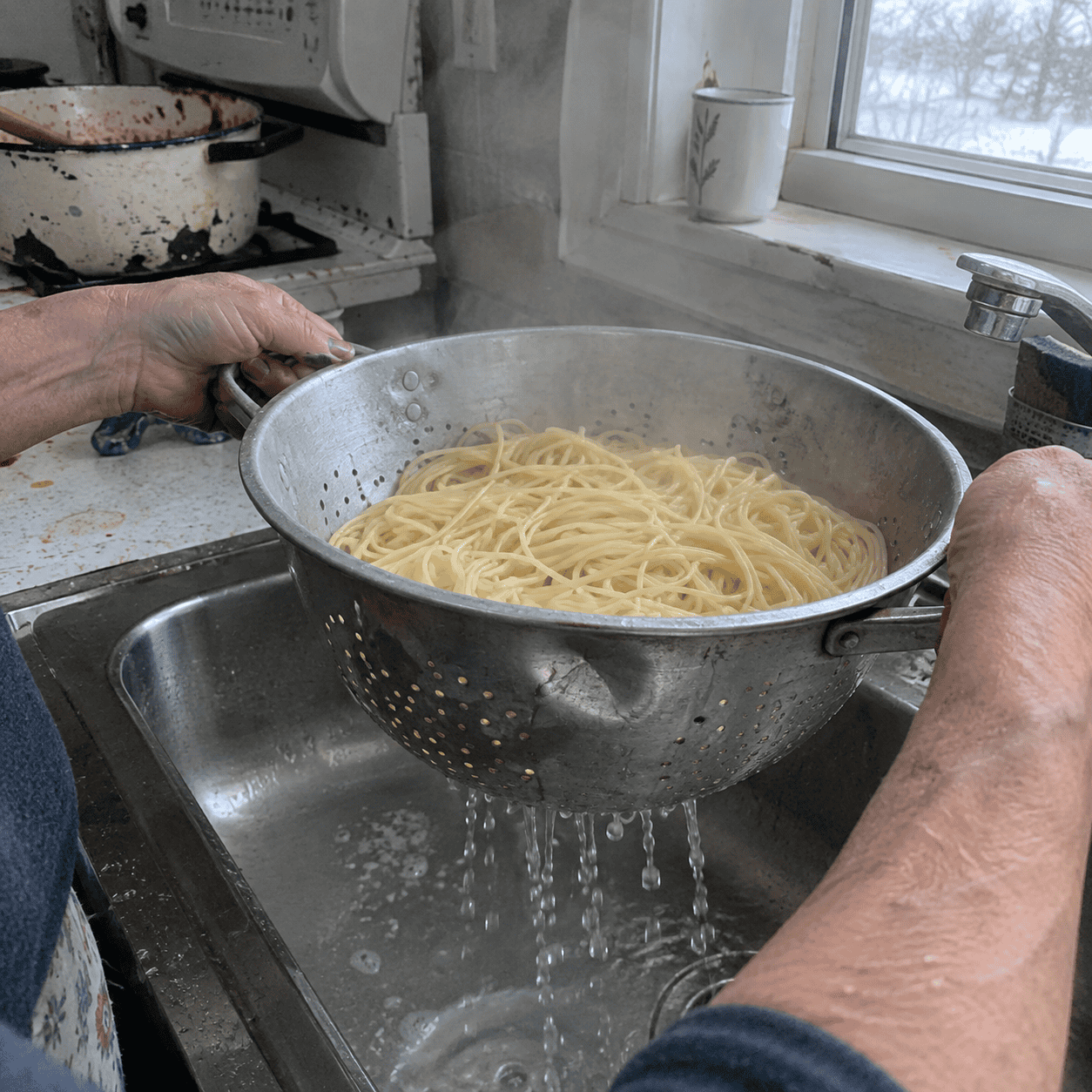
Aluminum, light as a sheet of paper, with a dent in the side from the day my uncle dropped it down the cellar stairs in 1974.
She never replaced it. Why would she? It held pasta.
She’d drain into the sink with no mesh strainer underneath, shake it twice, and tip the whole thing straight into the pot of gravy. No rinsing. Ever.
Nonna’s Rule You rinse pasta, you wash the sauce right off it. I’ve seen her slap a hand for less.
2. The Coffee Can of Bacon Grease
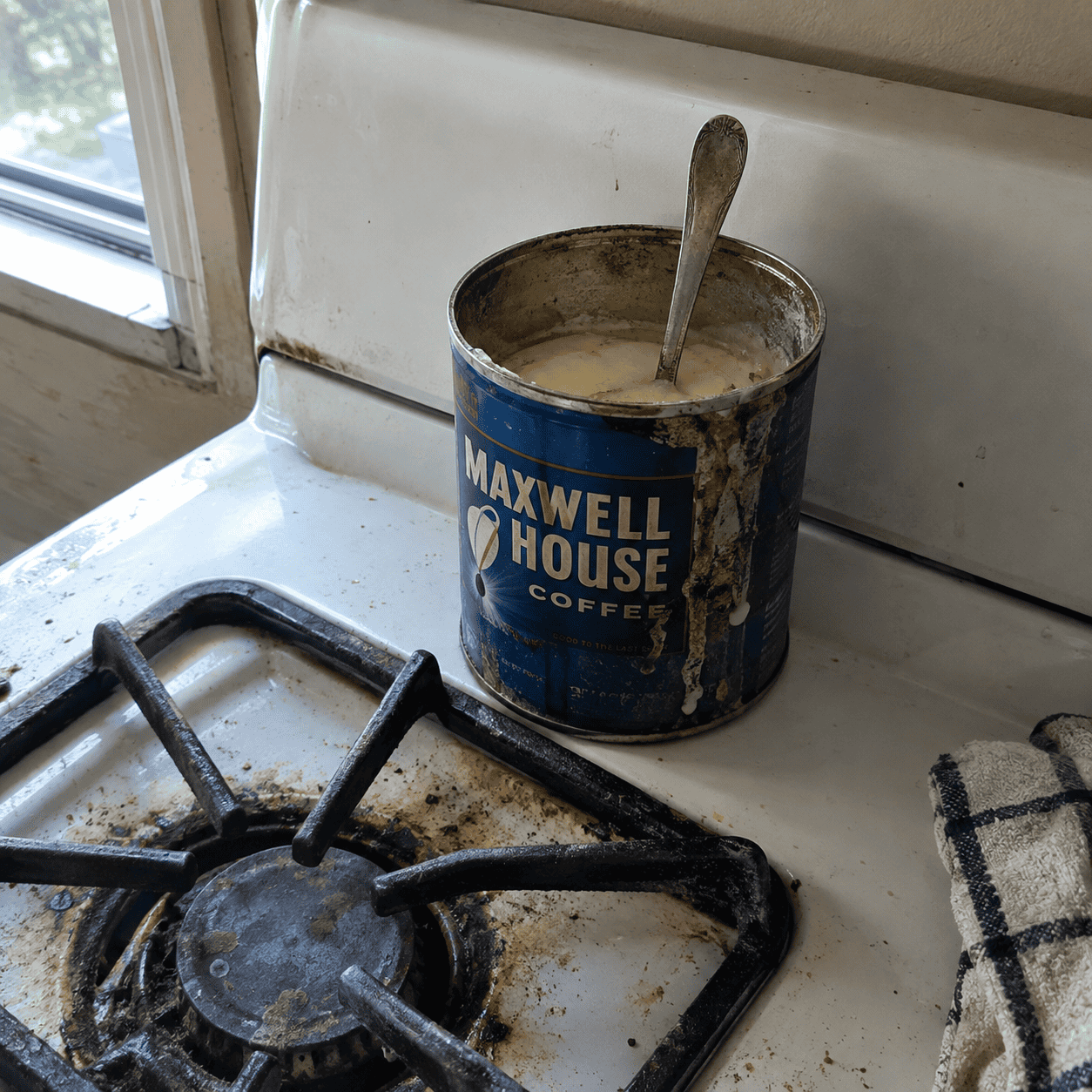
A Chock full o’Nuts can living on the back of the stove, half full of pale fat with a spoon standing in it.
Eggs got cooked in it. Escarole got cooked in it. Once, memorably, popcorn.
It never went in the fridge and nobody ever got sick. She’d skim the good fat off the sausage pan and top it up like a savings account.
The lesson wasn’t frugality exactly. It was that flavor you already paid for shouldn’t go down the drain.
3. The Good Tablecloth, Under Plastic
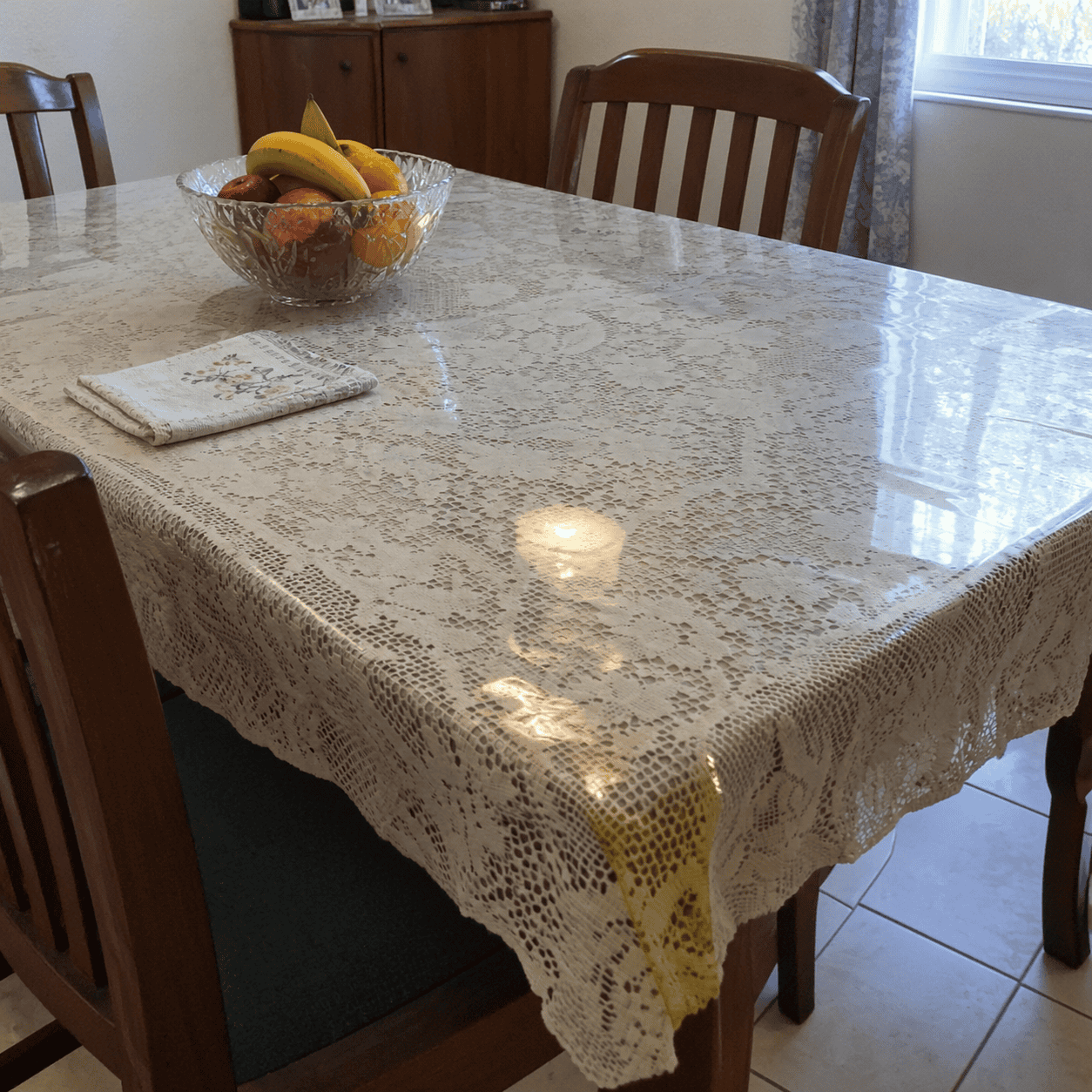
Lace. Cream colored. A wedding gift from 1948 that nobody under the age of forty was allowed to touch.
And over it, a sheet of clear vinyl cut to size at the fabric store on Passyunk, thick enough to stand up on its own.
You could see the lace. You could admire the lace. You could not get sauce on the lace.
Twice a year — Christmas and Easter — the plastic came off. Those were the only two meals of my childhood where my mother looked nervous.
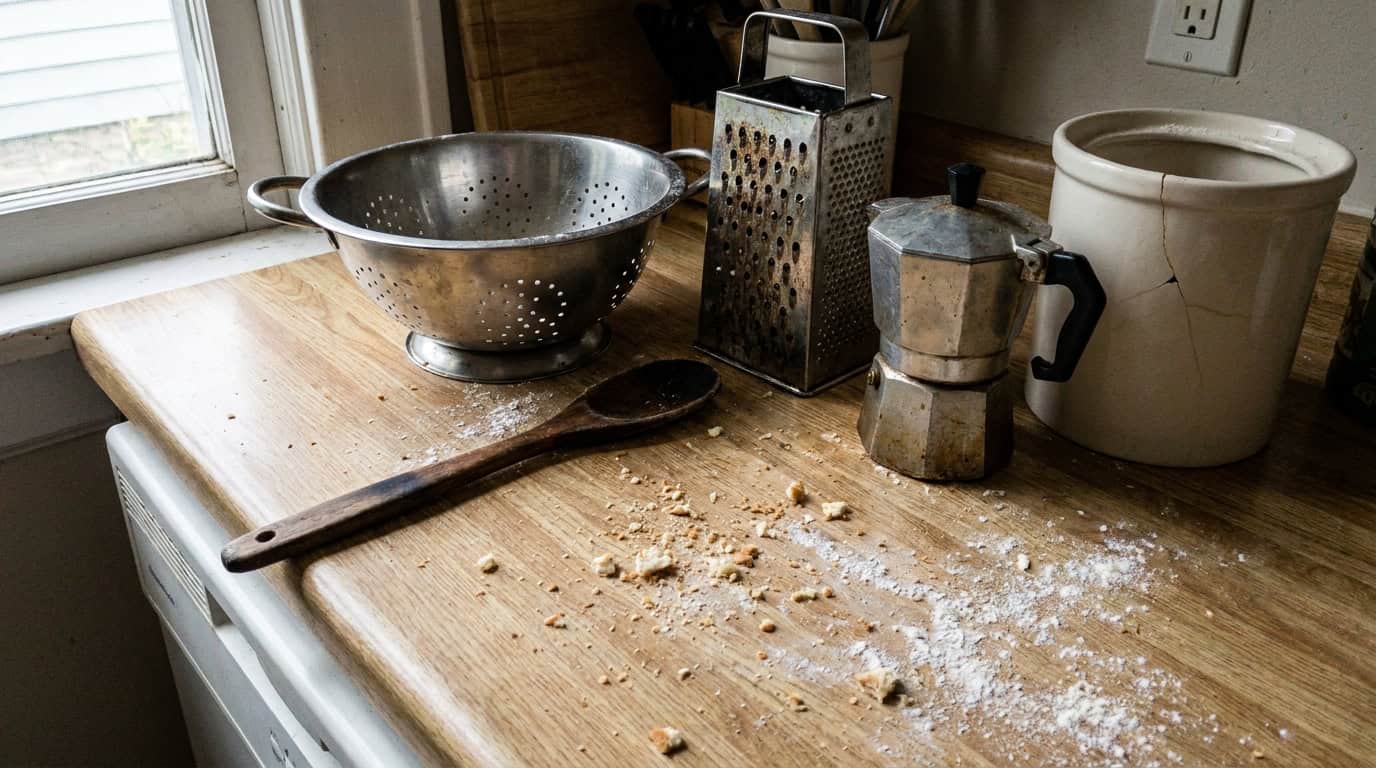
4. The Wooden Spoon
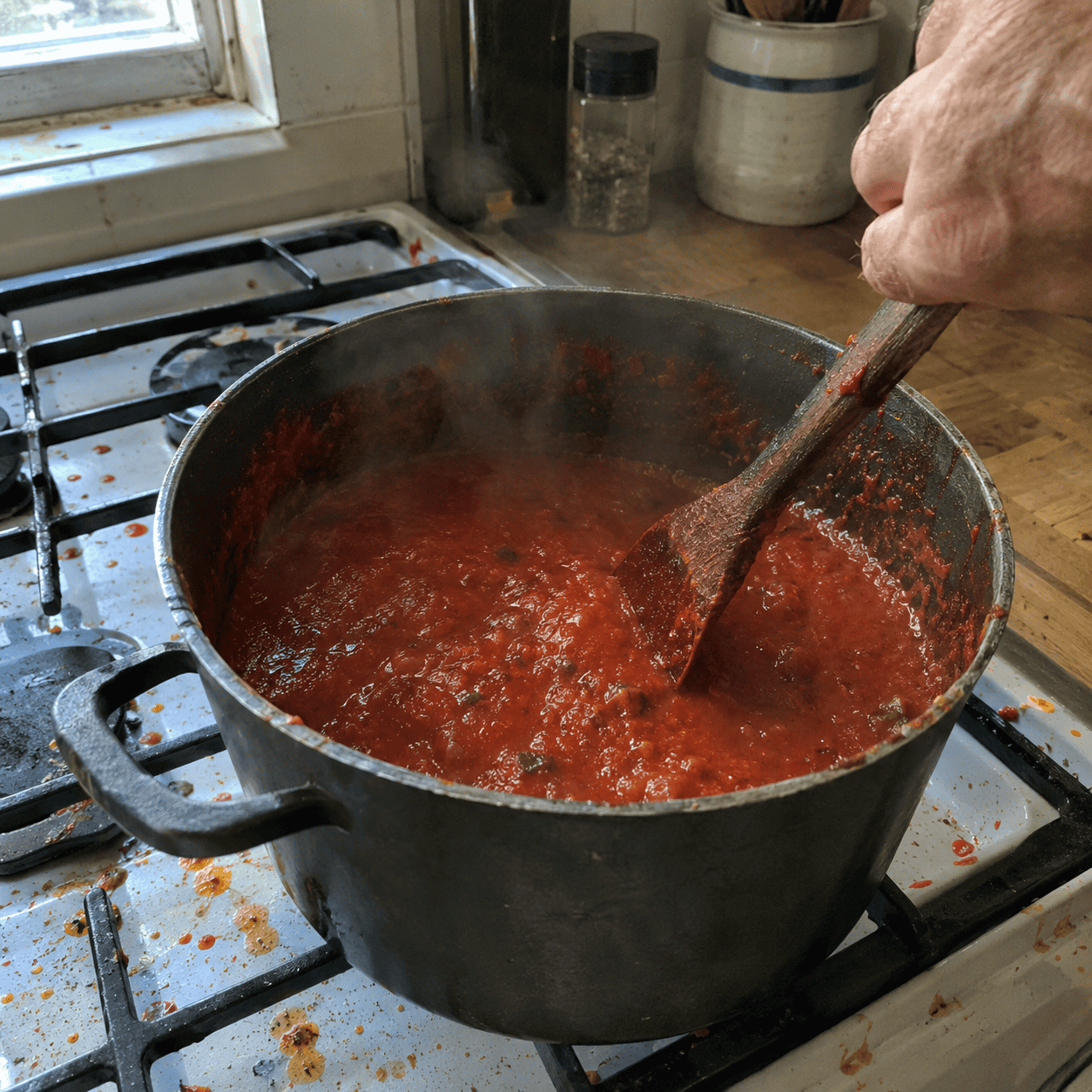
Darkened at the handle, worn flat on one side from fifty years of scraping the same pot in the same direction.
It stirred the gravy. It tasted the gravy. It also, and I say this with love, enforced the law.
None of us were actually hit with it. The spoon just had to be raised and lowered about six inches and the room went quiet.
I have it in a crock on my counter right now. My kids know exactly what it is.
5. The Saint on the Windowsill
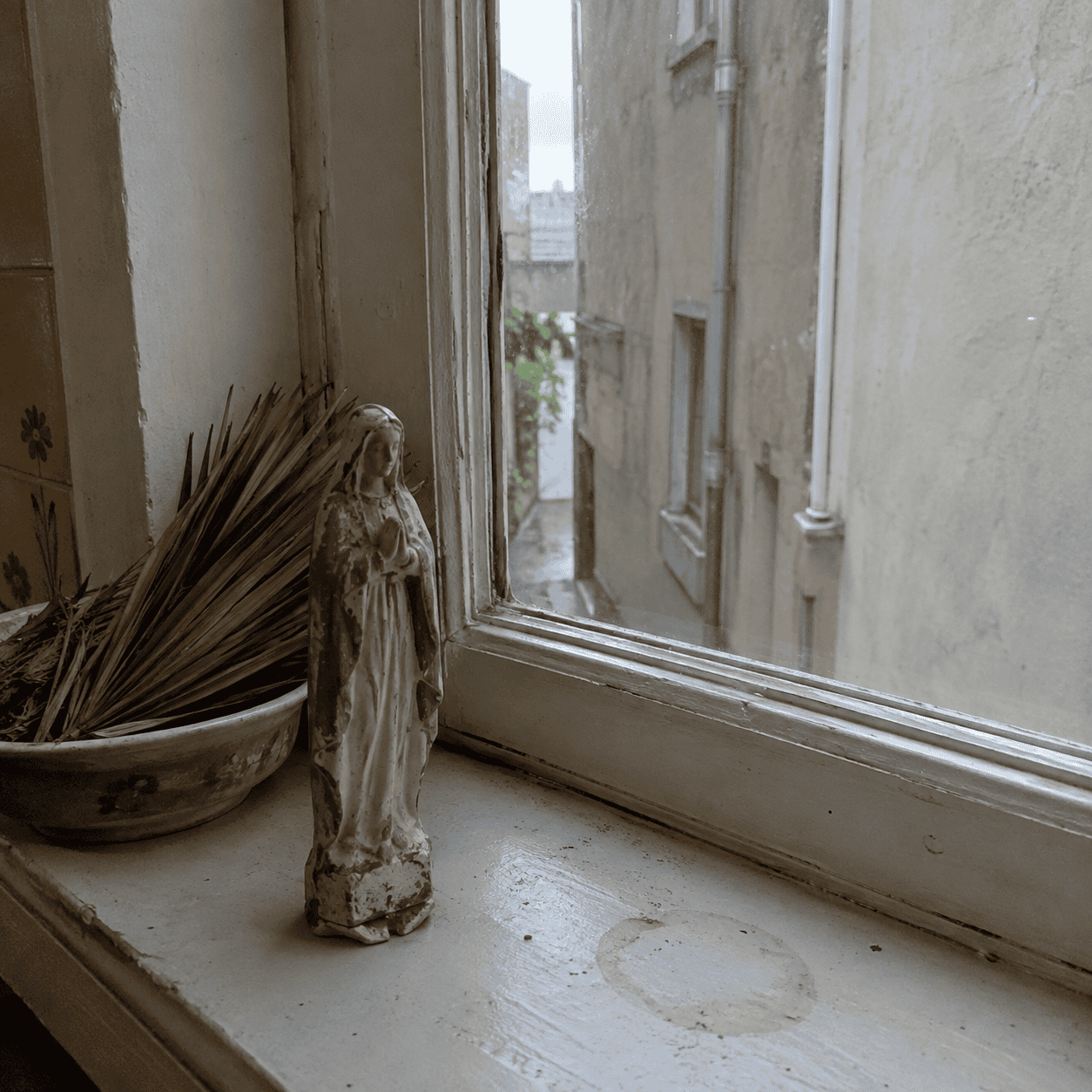
Saint Anthony, about seven inches tall, chipped at the base, facing out toward the alley so he could keep an eye on things.
He had a dish of palm from Palm Sunday behind him that went brown by August and got replaced the following spring.
She talked to him. Not prayers — conversation. Mostly about my uncle.
Every Italian-American kitchen had a saint somewhere, usually above the sink or beside the flour canister. You didn’t dust him. You moved around him.
6. The Bread Knife Nobody Else Could Touch
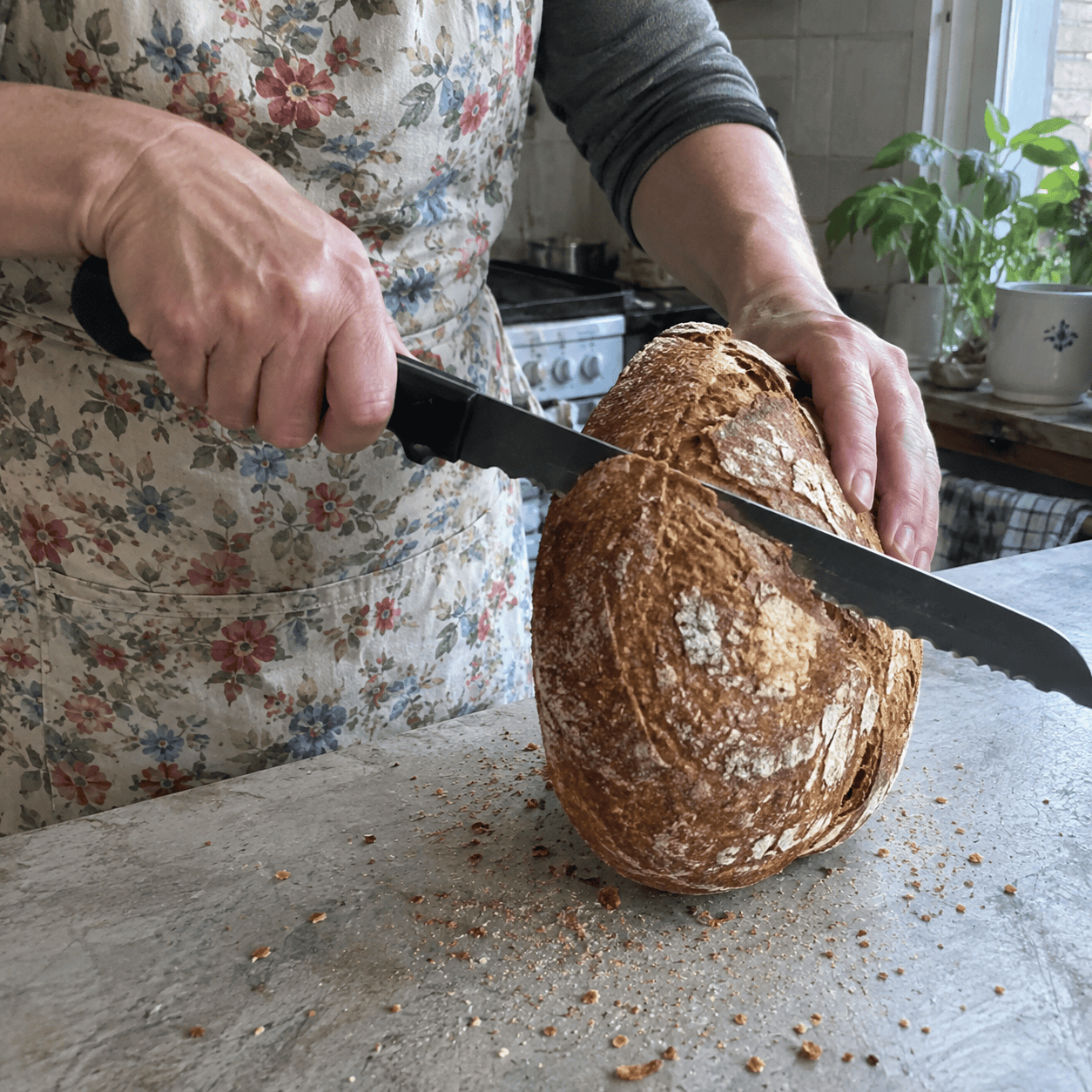
Long serrated blade, black wooden handle, kept in a drawer by itself wrapped in a dish towel.
My cousin used it on a frozen chicken once. He’s fifty-eight and we still bring it up.
A loaf got held against her chest, upright, and sawed toward herself in slow strokes. I have never in my life seen anyone cut bread on a cutting board in that house.
Skip the serrated-knife lecture. She was right and the bread was perfect.
7. The Sunday Gravy Pot
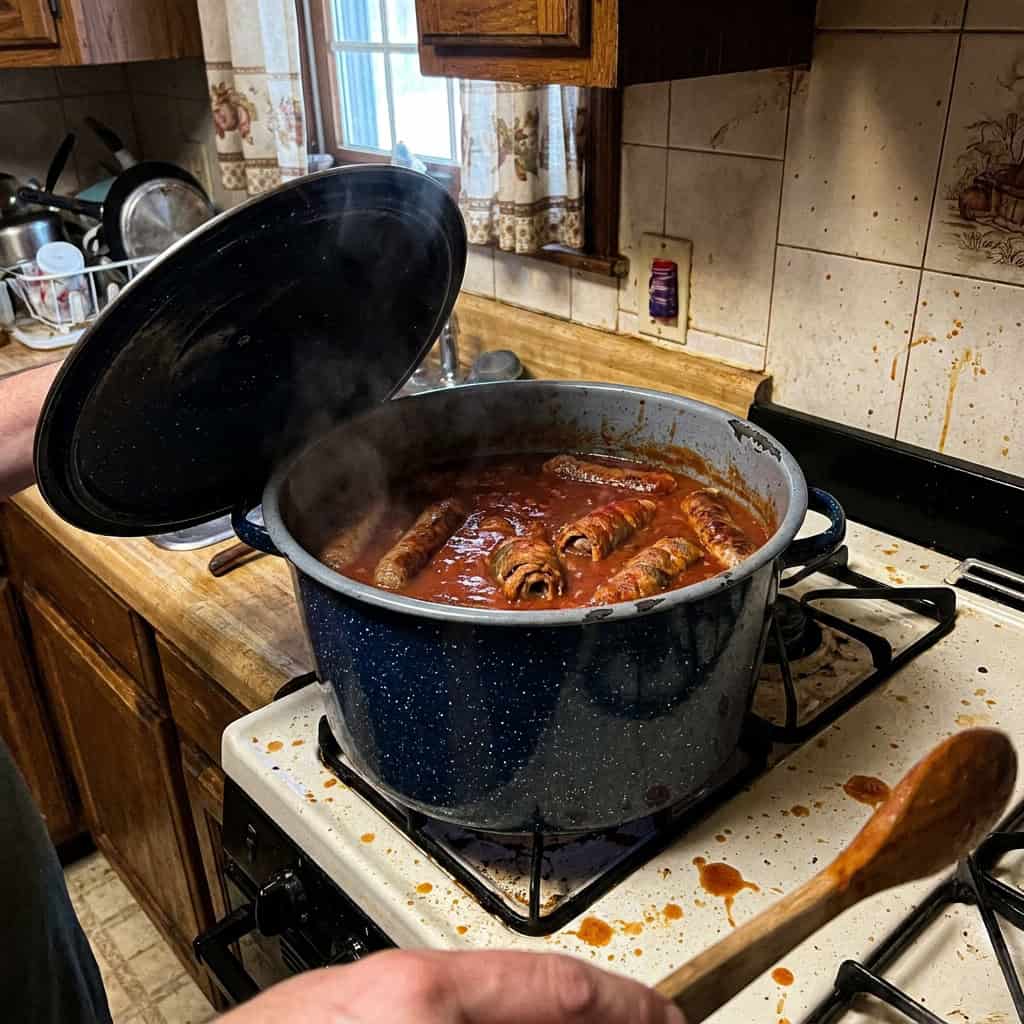
Enameled, maybe twelve quarts, blue speckle worn down to gray metal around the rim.
It went on before 8am Mass and it came off when the last person sat down. Braciole, sausage, a few meatballs, a pork neck bone for the soul of it.
Nobody called it sauce. Nobody in my mother’s house called it gravy. The two of them went to their graves on opposite sides and I’ve refused to pick one for thirty years.
Sunday Table The pot didn’t get washed until Monday. It sat on the cold stove with the lid cracked and whoever came through the kitchen had a piece of bread in it.
8. Tomato Jars Under the Cellar Stairs
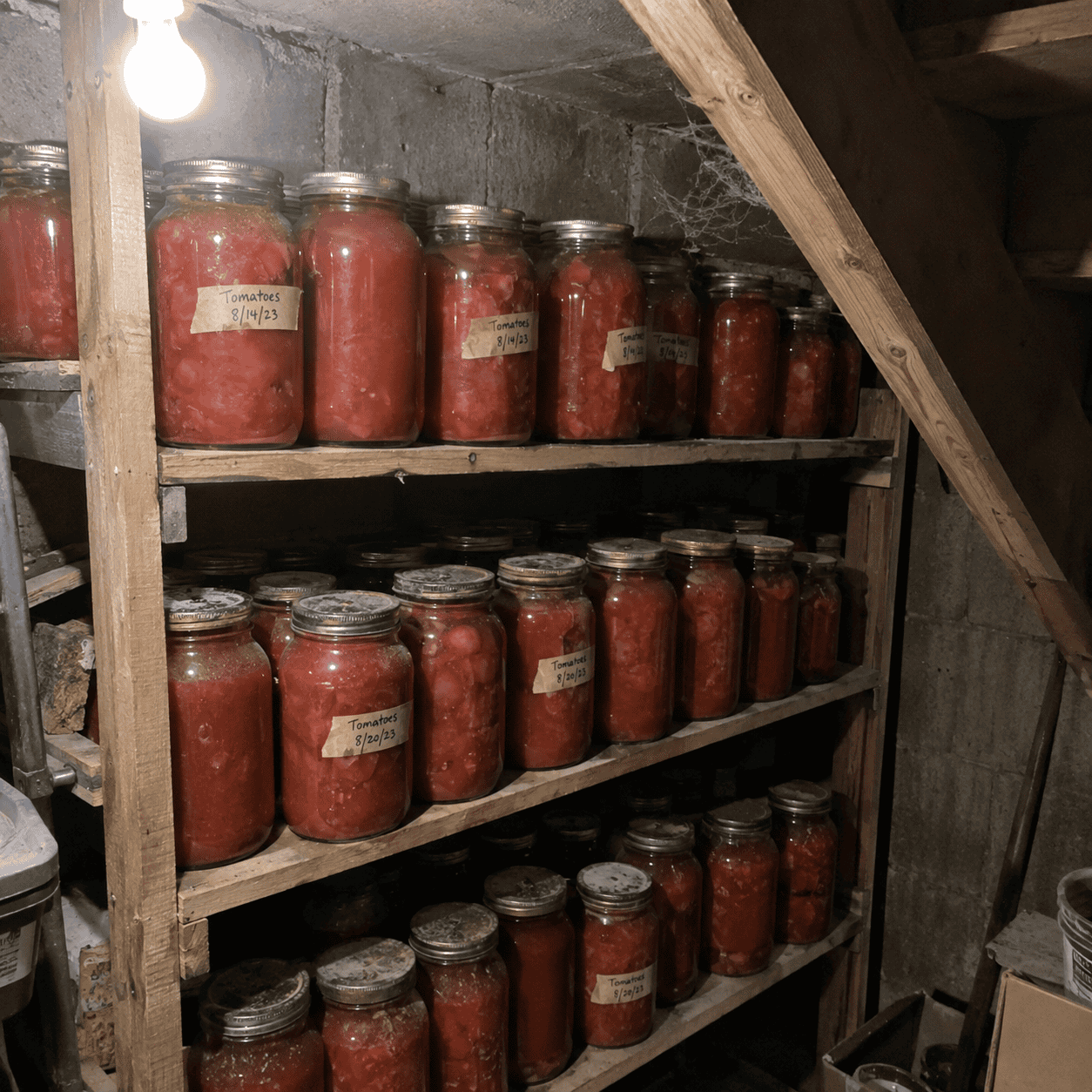
Three shelves my grandfather built out of scrap, filled with quart jars of tomatoes from late August until they ran out in March.
You counted them in winter. If you got to February and there were fewer than twenty, everyone got nervous.
Canning weekend was the whole family, bushels on the driveway, a propane burner out back so the house didn’t hit a hundred degrees. The Order Sons and Daughters of Italy in America has written about these cellar weekends as the thing that actually held extended families together, and that sounds about right to me.
You didn’t buy a can of tomatoes in July. You’d be insulting the shelves.
9. The Pizzelle Iron
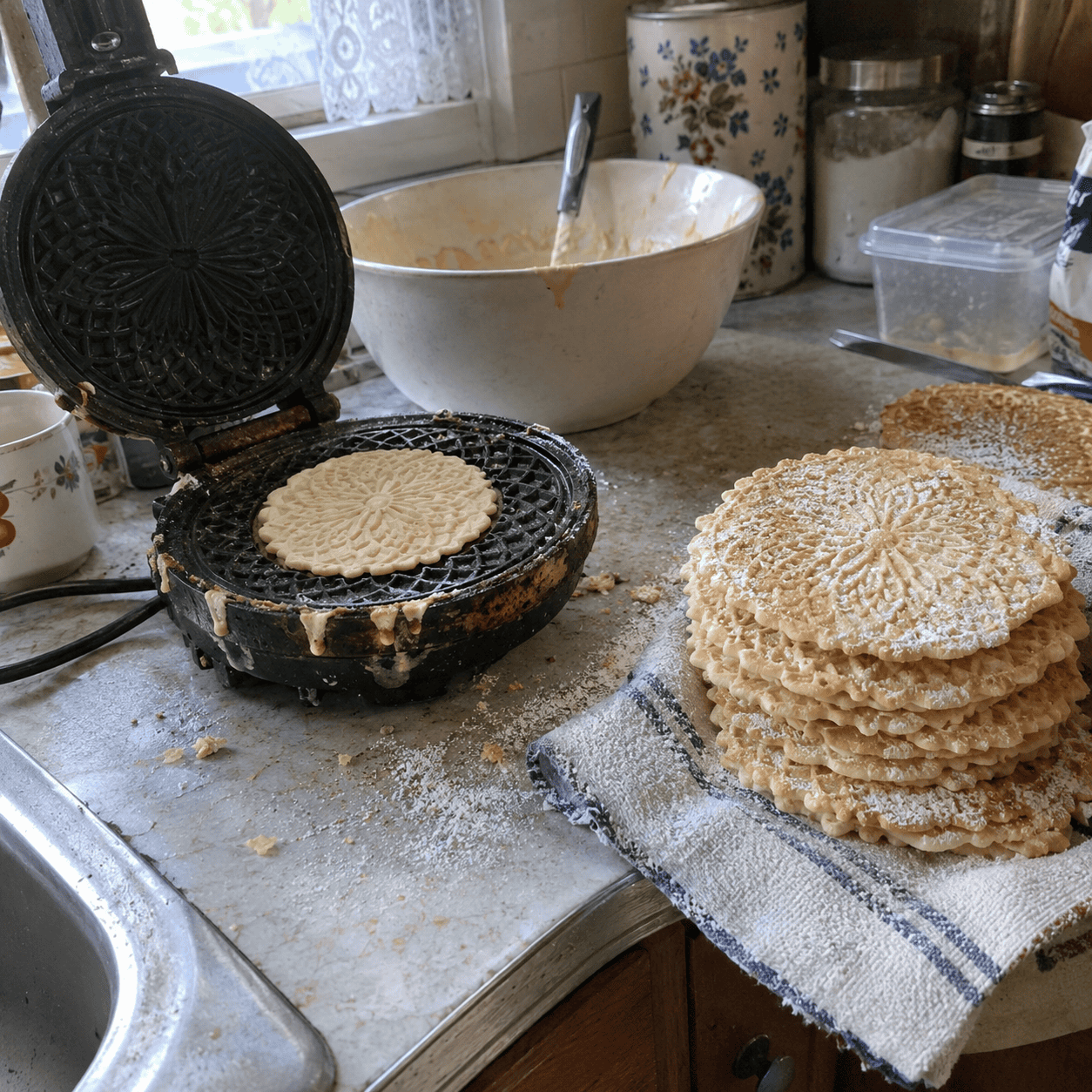
Electric, heavy, stored in the back of the hall closet eleven months a year.
It came out the first week of December and the kitchen smelled like anise for the rest of the month. She made them thin enough to see light through.
The first three always came out wrong. Those were for whoever was standing there.
They got stacked in a tin with wax paper between layers and the tin went on top of the refrigerator, which fooled no child ever. If you want the rest of that December lineup, the Italian Christmas desserts on the site cover most of what came off her table.
10. The Second Kitchen in the Basement
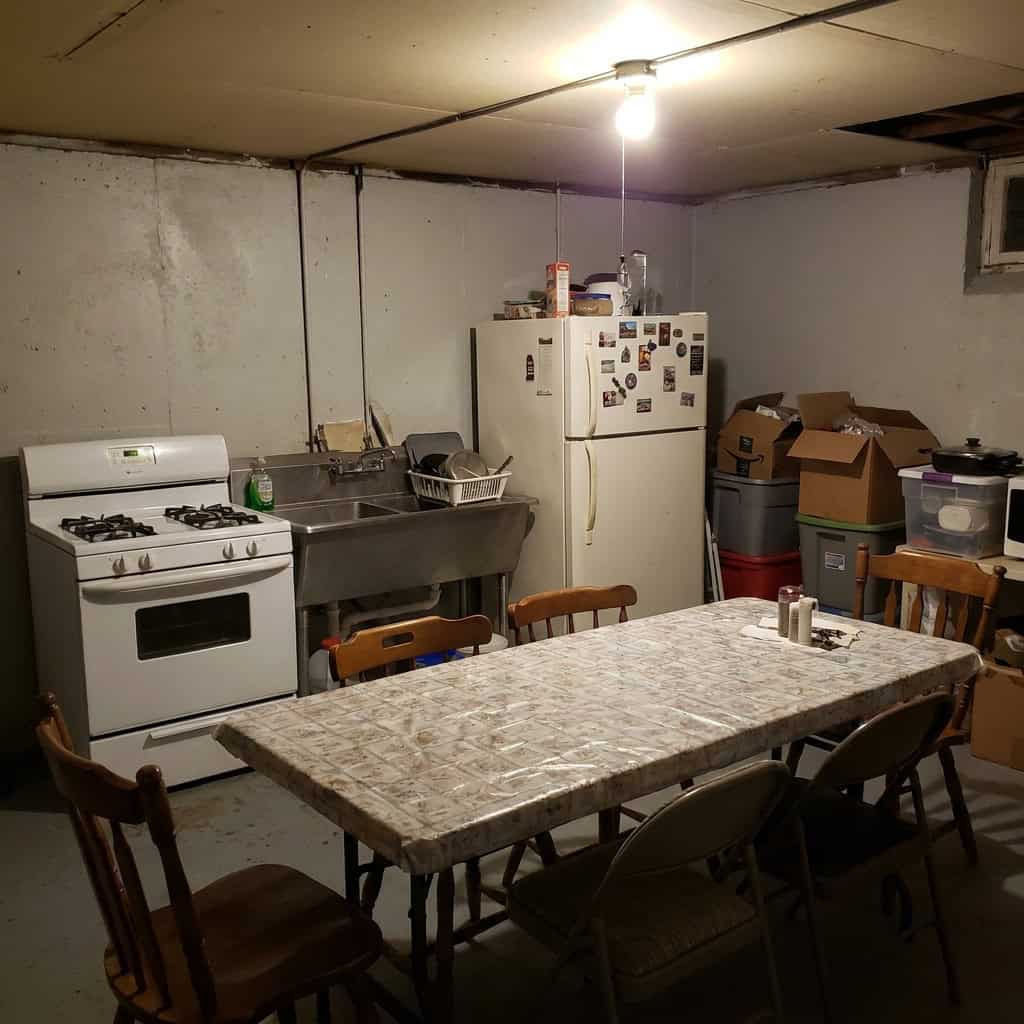
Full stove, full sink, a second refrigerator, a long table with a vinyl cloth. Down a set of steep stairs, under the real house.
The upstairs kitchen was for show. The basement kitchen was for frying, for canning, for anything that would make the curtains smell.
This wasn’t one family being odd. Researchers have actually studied it — there’s a paper in Gender, Place & Culture on Italian immigrant homes with two kitchens, two stoves, two refrigerators, due cucine.
Every holiday of my childhood happened eight feet below ground level.
11. The Jar of Giardiniera on the Door
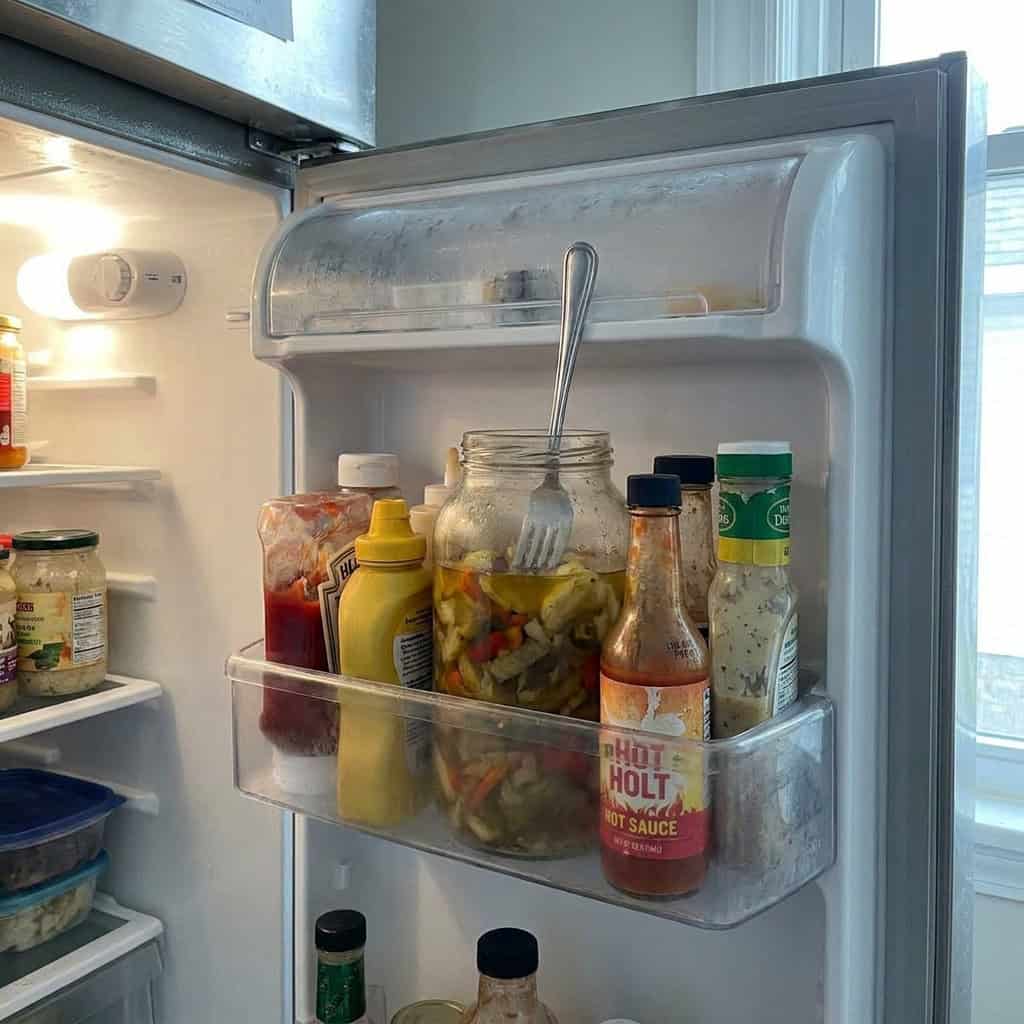
Hot, oily, cloudy at the bottom, with a fork living in it that was used for nothing else.
It appeared on the table with every meal that included bread, which was every meal.
My grandfather ate it on scrambled eggs. My grandmother considered this a character flaw and said so, weekly, for forty years.
12. The Flour Canister With the Loose Lid
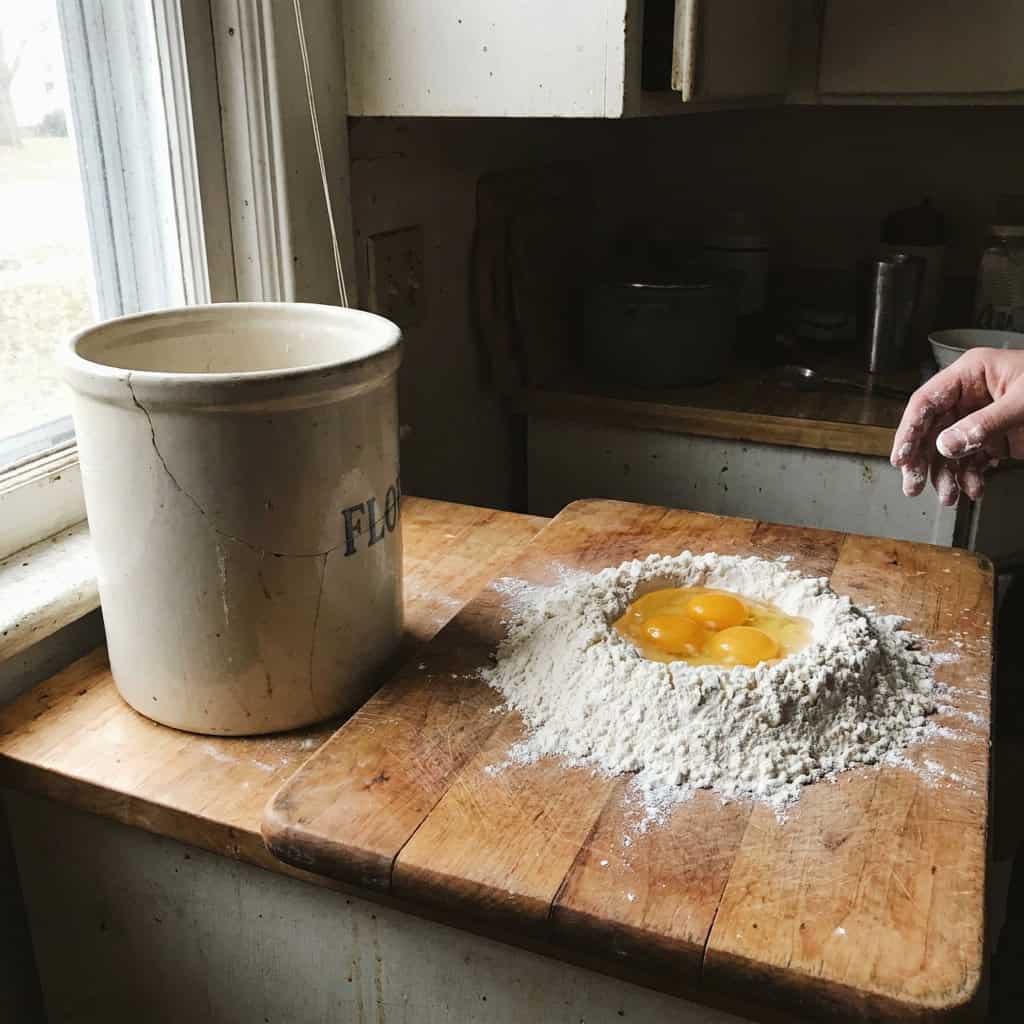
Ceramic, cracked at the handle, the word FLOUR worn half off. It sat in the same square foot of counter from 1961 on.
She never measured. A mound on the board, a well in the middle, eggs in the well, and her hands knew the rest.
When I tried to write her pasta dough down she got annoyed with me. “You feel it.”
I did finally learn it. It took eleven years and a lot of bad dough.
13. The Grater You Had to Hold Just Right
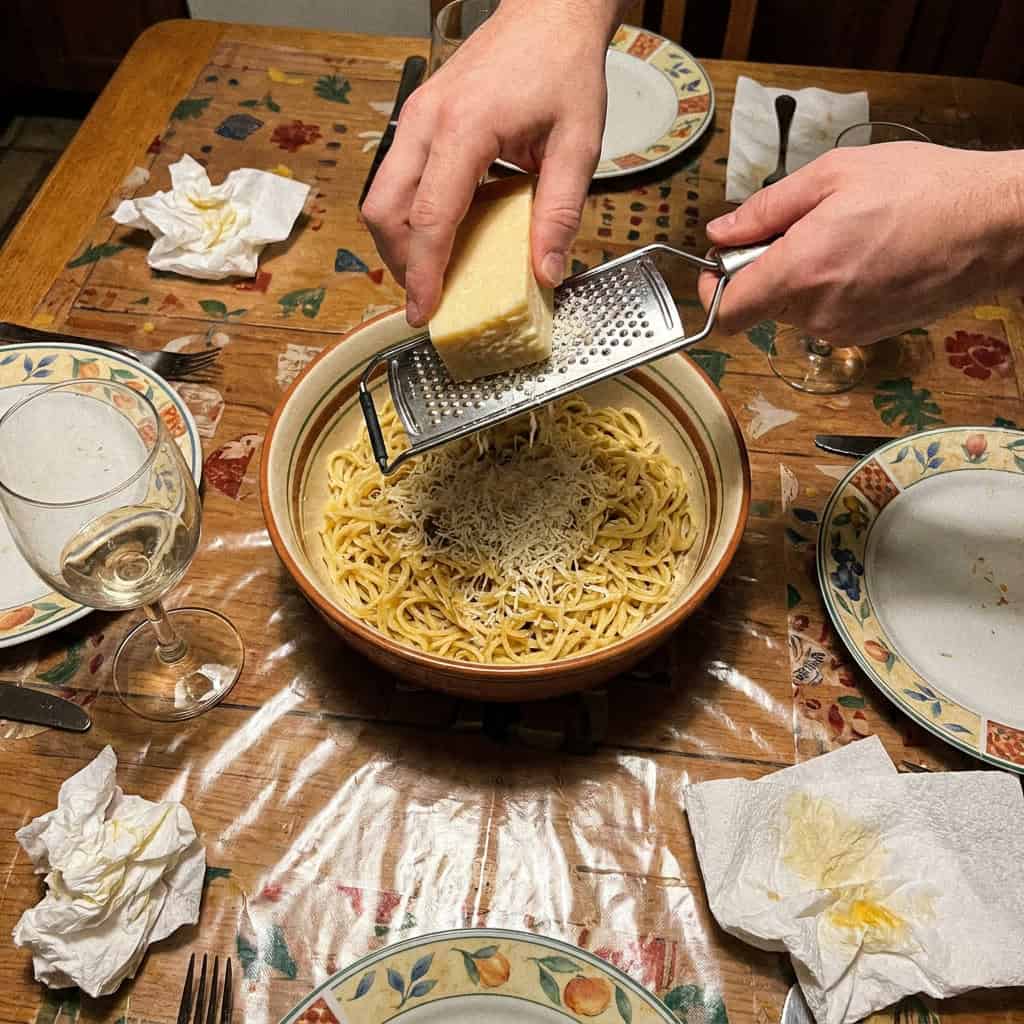
Four-sided box grater, tin, one corner bent in. No microplane, no food processor, no pre-shredded anything in a bag.
Romano got grated at the table while people were already eating, over the bowl, until someone said stop. Nobody ever said stop fast enough.
And there was a hard line: cheese does not touch seafood pasta. Clams, mussels, anchovies — no cheese. I break this exactly once a year, alone, and I don’t discuss it.
14. The Espresso Pot on the Back Burner
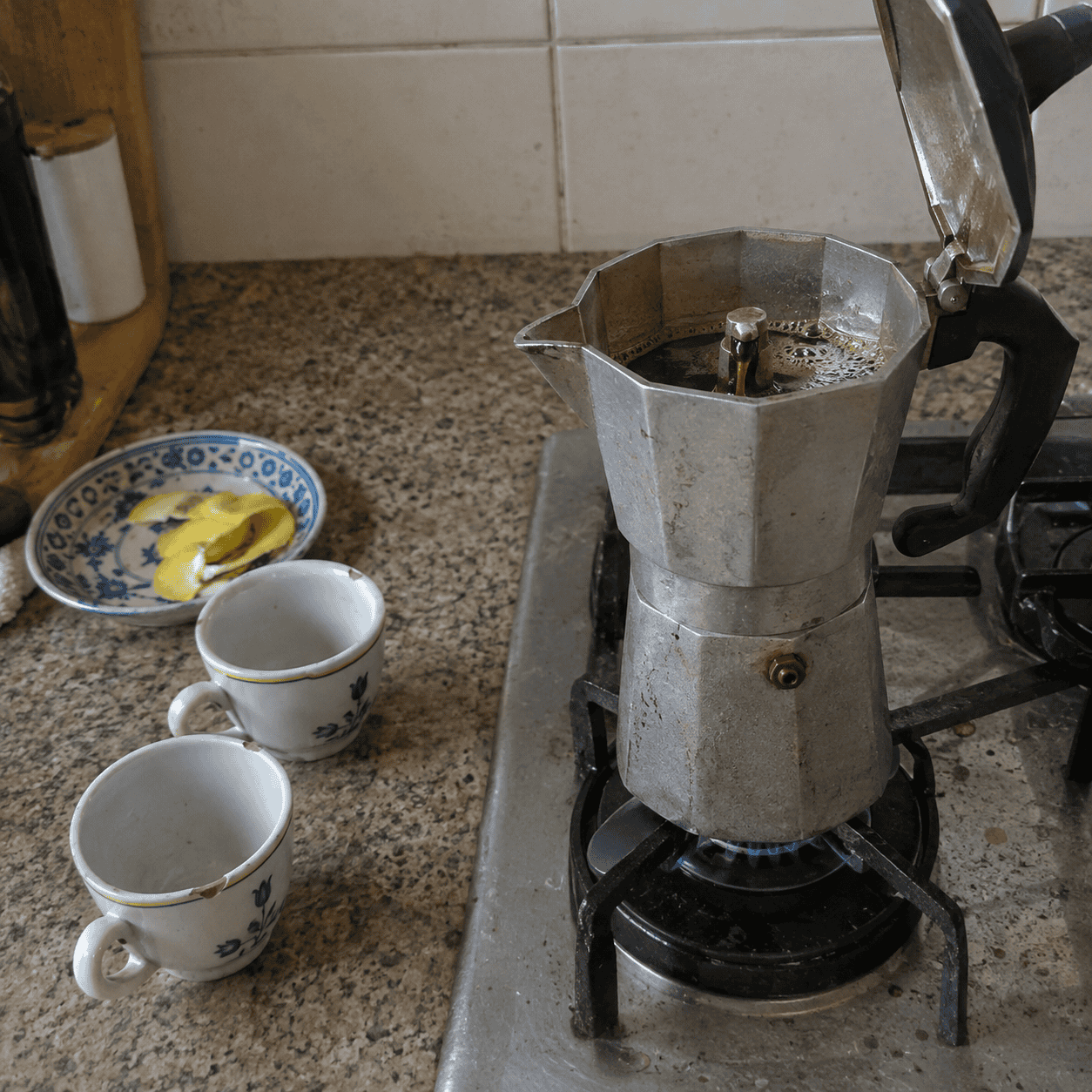
A stovetop moka, aluminum, never washed with soap in its life. Rinsed, dried, done.
Soap in the moka tastes like soap in the coffee. She’d explain this to any new in-law exactly one time.
It came out after dinner with a bowl of lemon peel beside it and an anisette bottle that lived in the china cabinet.
Her sister took hers with a sugar cube held in the teeth. I never once saw anyone drink it from a mug.
15. The Drying Rack of Hand-Cut Pasta
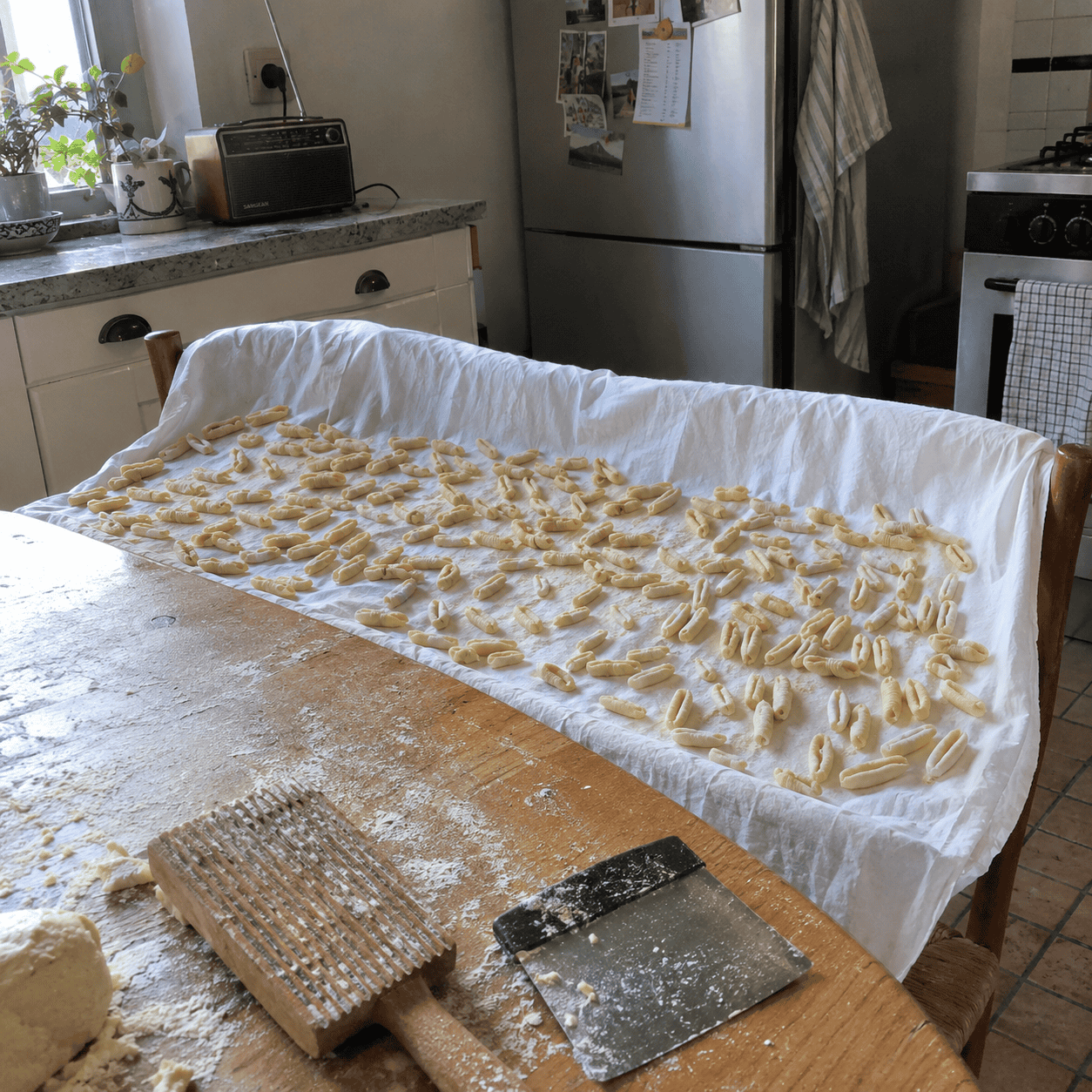
Some families had a proper wooden rack. Ours had the backs of two kitchen chairs and a clean bedsheet.
Cavatelli rolled on a ridged board, one at a time, thousands of them, while a Phillies game went on the radio.
She’d put me on the end of the table with a fork and let me ruin maybe forty of them. Those went in the pot too.
16. The Cookie Tin That Wasn’t Cookies
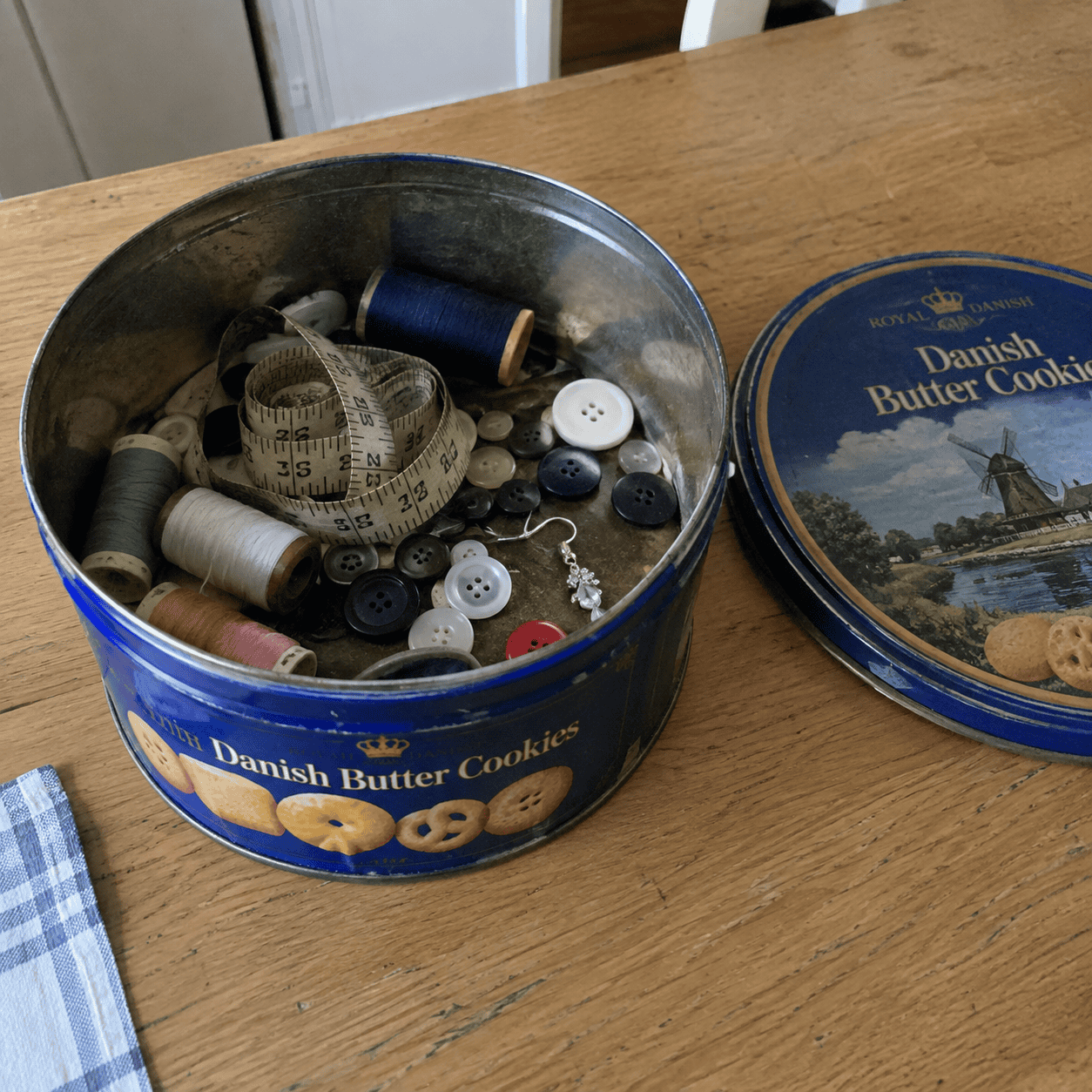
Danish butter cookie tin. Blue. Full of buttons, thread, a tape measure, and a single unmatched earring.
Every one of you just nodded.
There was a second tin, a Christmas one, and that one genuinely did have cookies in it — seven kinds, every December, laid out in rows. Most of them show up in the Italian cookie recipes we keep on the site.
You learned to check the weight before you got your hopes up.
17. The Fig Tree Wrapped in Carpet

Not in the kitchen, but you saw it from the kitchen window all winter: a fig tree bent to the ground, wrapped in old rugs and tar paper, tied with clothesline.
My grandfather’s father brought the cutting from Sicily. It has outlived both of them.
Every November it got buried. Every April it got unwrapped and everyone stood around in the cold looking at it.
Then vs. Now My cousin has it in Delaware County and still wraps it. Nobody told him to. He just does.
18. The Pot of Beans Always Going
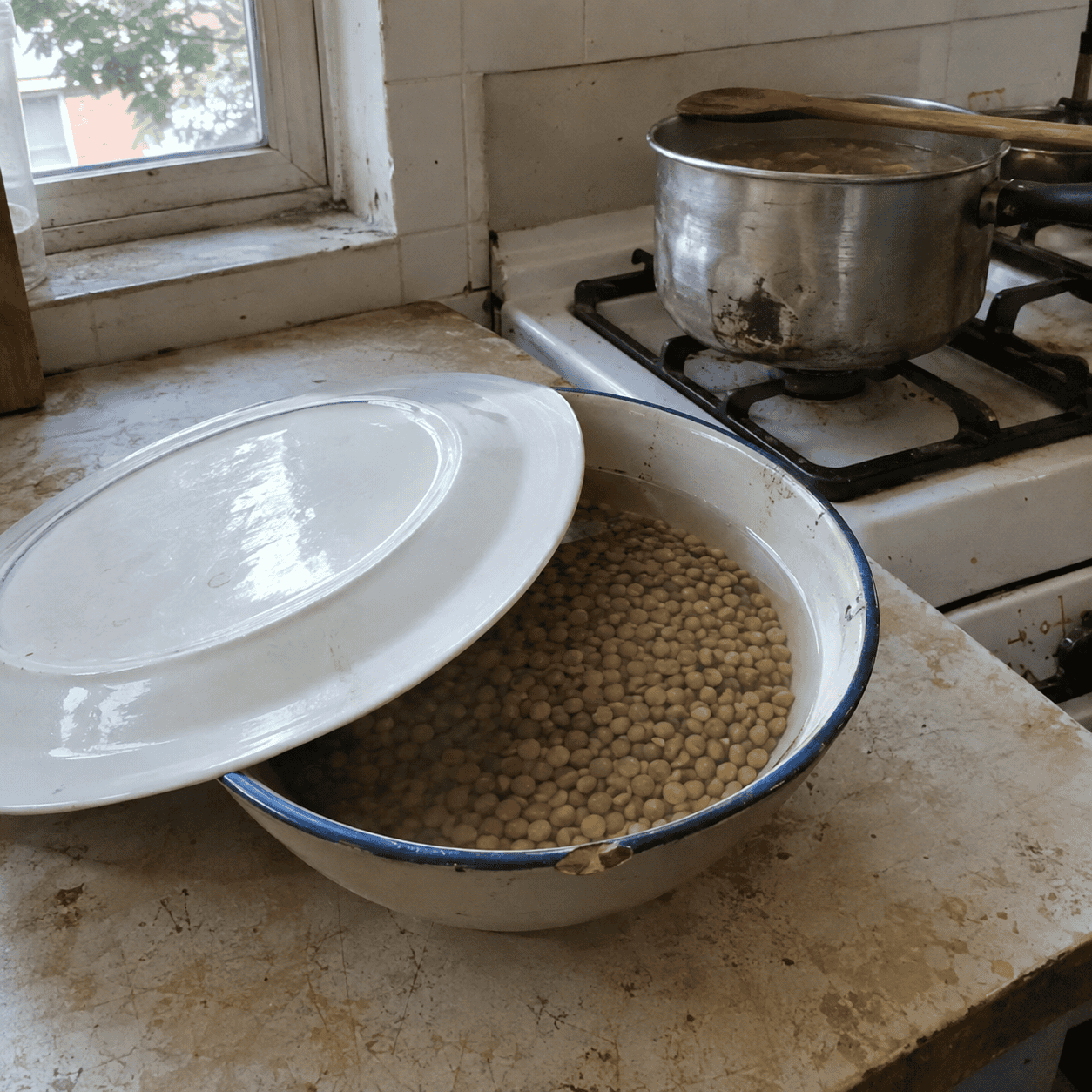
A smaller pot, lentils or cannellini or chickpeas, soaking overnight in a bowl on the counter with a plate on top.
Beans meant the week was tight or it was Friday, and often both. Nobody treated it as deprivation.
Lentils specifically showed up on New Year’s Eve, a plate of them at midnight, one coin per lentil for the coming year. The Italian lentil soup on the site is basically hers, just with the salt written down.
19. The Sausage and Peppers Pan
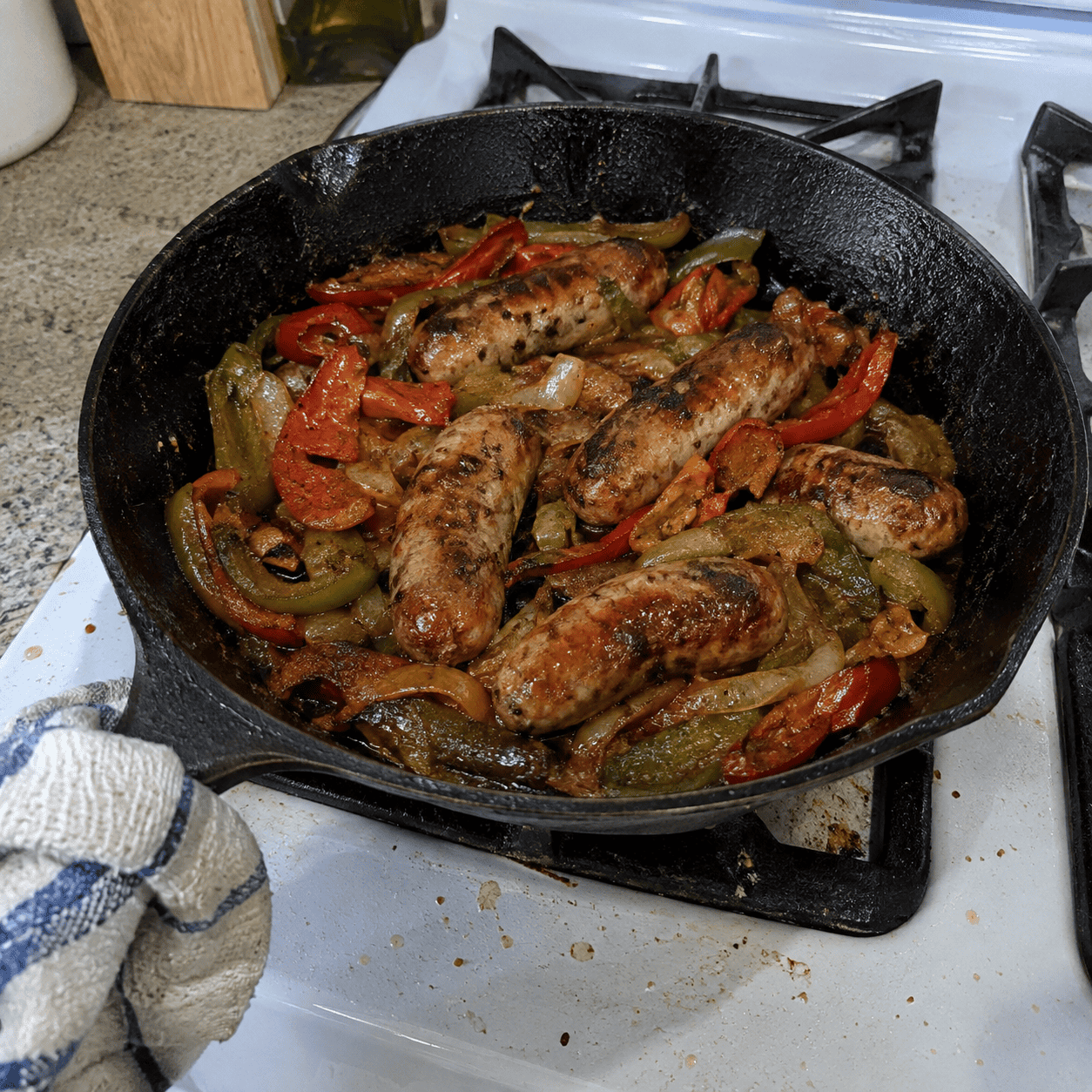
Black cast iron, heavier than a toddler, kept in the oven because there was nowhere else for it to live.
It never saw soap either. Wiped with salt and a paper towel, rubbed with the end of the bacon-grease spoon, back in the oven.
The handle got hot. Everyone in my family has the same small scar on the same part of the palm.
20. The Eggplants Sweating Under a Plate
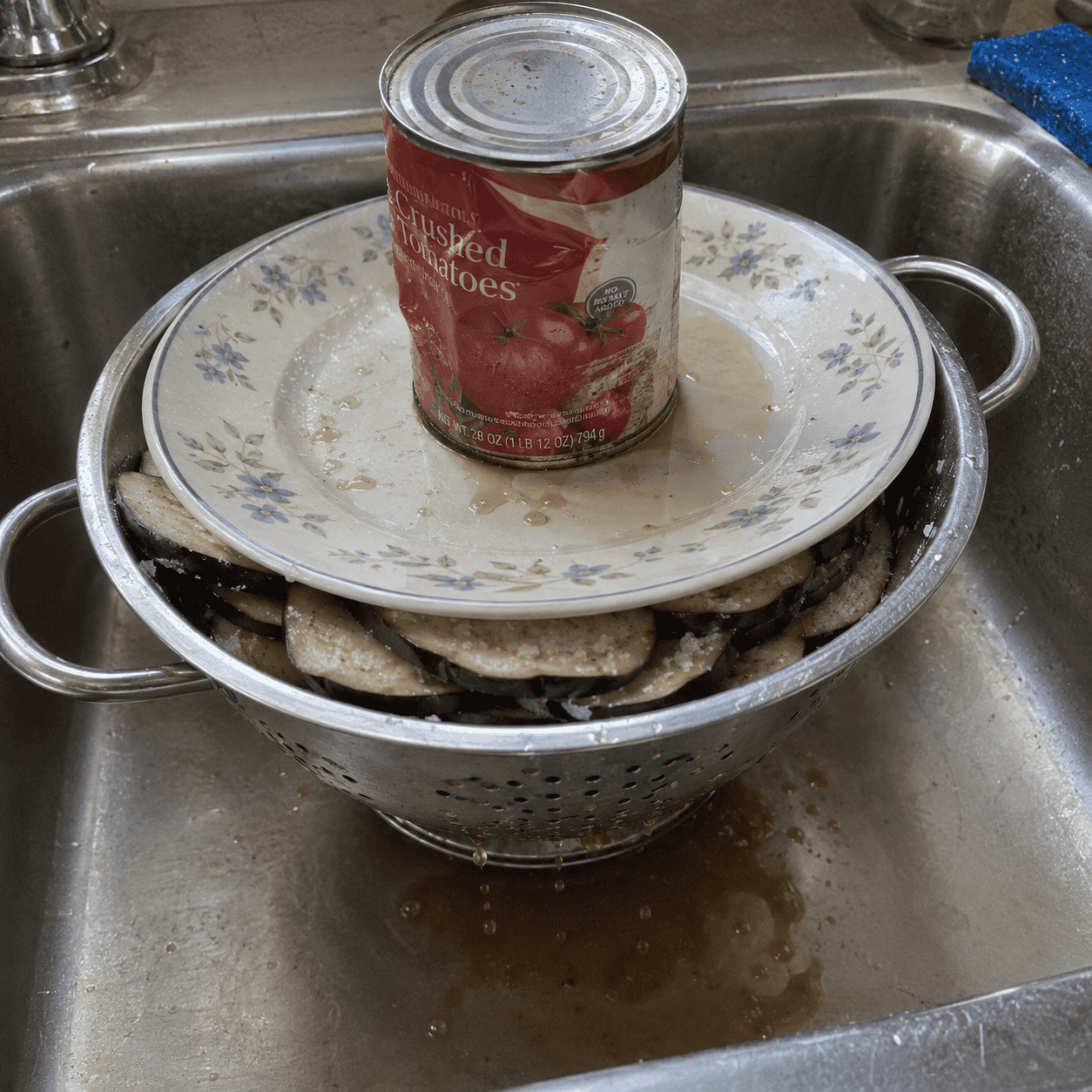
Sliced, salted, stacked in a colander with a dinner plate and a can of tomatoes on top, dripping into the sink for two hours.
She left the skin on and she did not bread them. Just flour, egg, hot oil, layered with sauce and torn basil.
People argue with me about this. The eggplant parmesan recipe on the site is the way she did it and I’m not budging.
Nonna’s Rule If the eggplant’s bitter, you rushed the salting. That’s all it ever is.
21. The Towel Over the Rising Dough
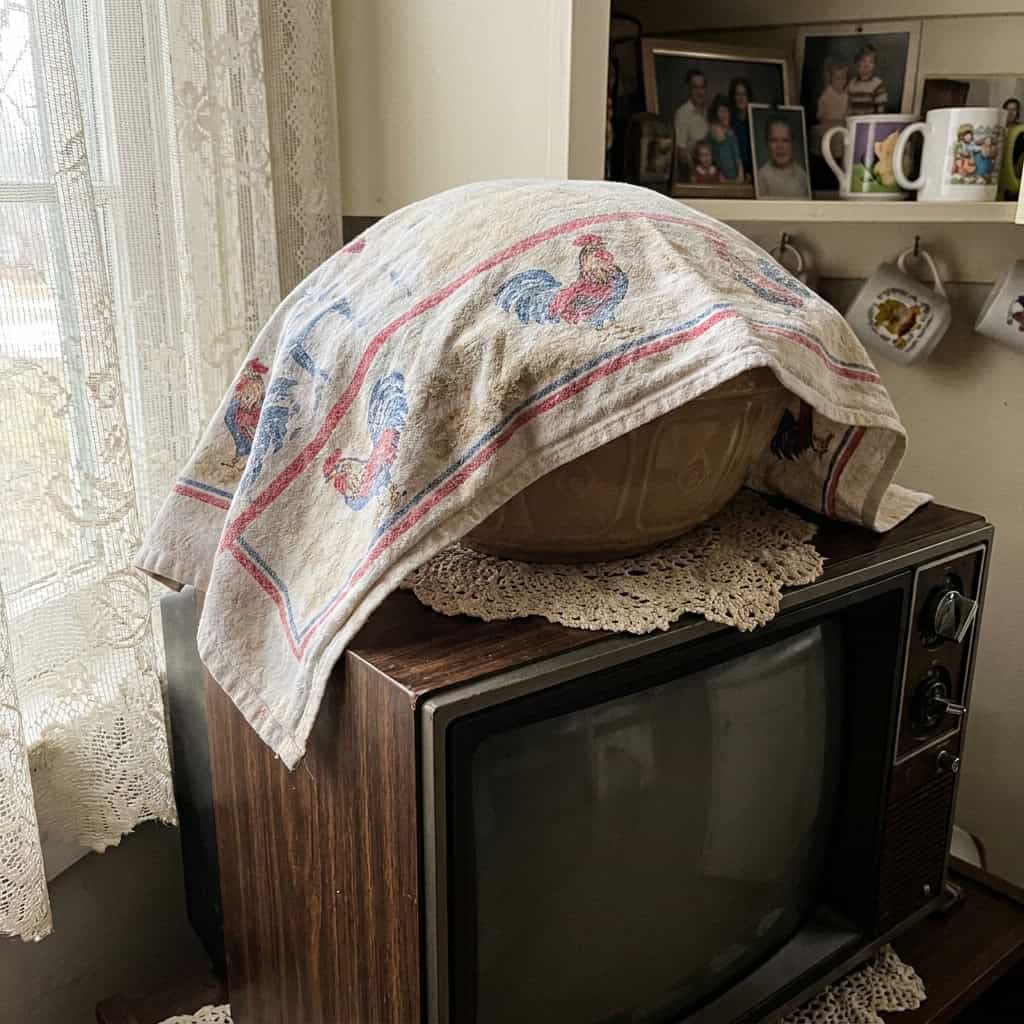
A thin cotton dish towel, printed with faded roosters, draped over a bowl set on top of the warm television.
Not a radiator, not an oven with the light on. The TV. It worked.
You were allowed to look. You were not allowed to lift the towel, because “you’ll let the air out,” which is not how yeast works and which I still believe anyway.
22. The Plastic Bag of Plastic Bags
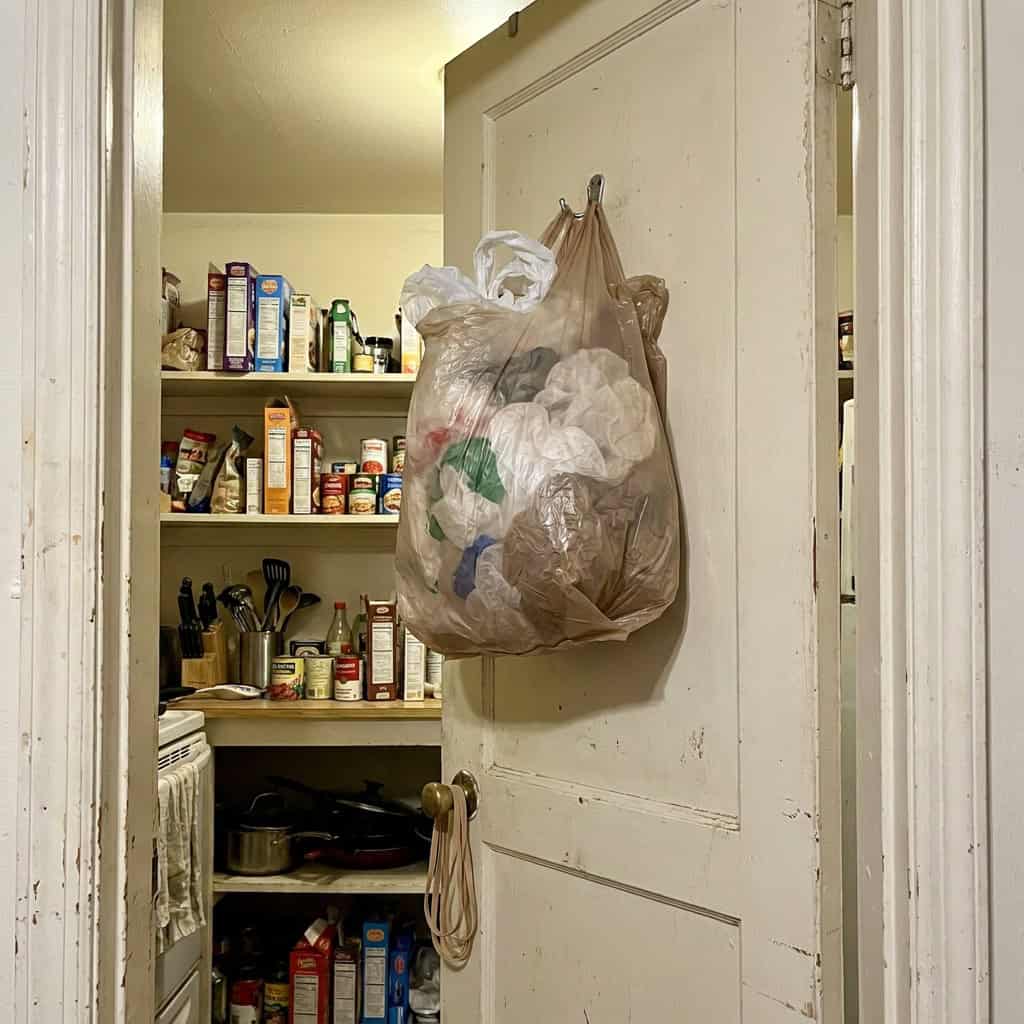
Hanging on the inside of the pantry door, stuffed past capacity, replenished faster than it emptied.
Same woman kept rubber bands on the doorknob and twist ties in a drawer.
She grew up with rationing and a war and a boat. Nothing useful left that house.
Then vs. Now I have one under my sink. I catch myself smoothing out the good ones.
23. The Soup Pot That Lived on the Stove
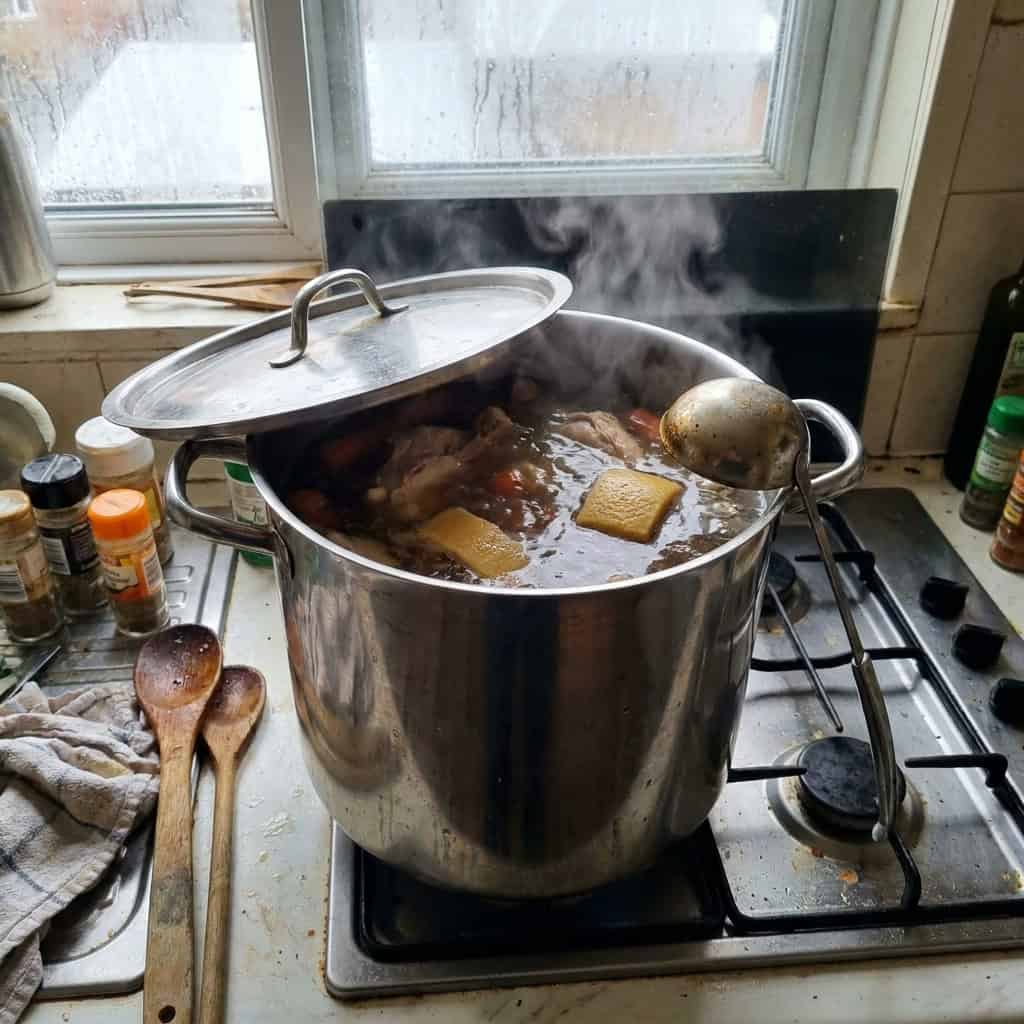
Stockpot, dented lid, a permanent resident of the back right burner from October through April.
Chicken carcass, a carrot, celery leaves, a parmesan rind she’d been saving in the freezer since Christmas. Never a bouillon cube, and she’d have had opinions about anyone who used one.
When somebody was sick it got pastina dropped in it and that was the whole treatment plan.
There’s a whole roundup of genuine Italian soups on the site, and about half of them start in exactly this pot.
24. The Chair Nobody Else Sat In
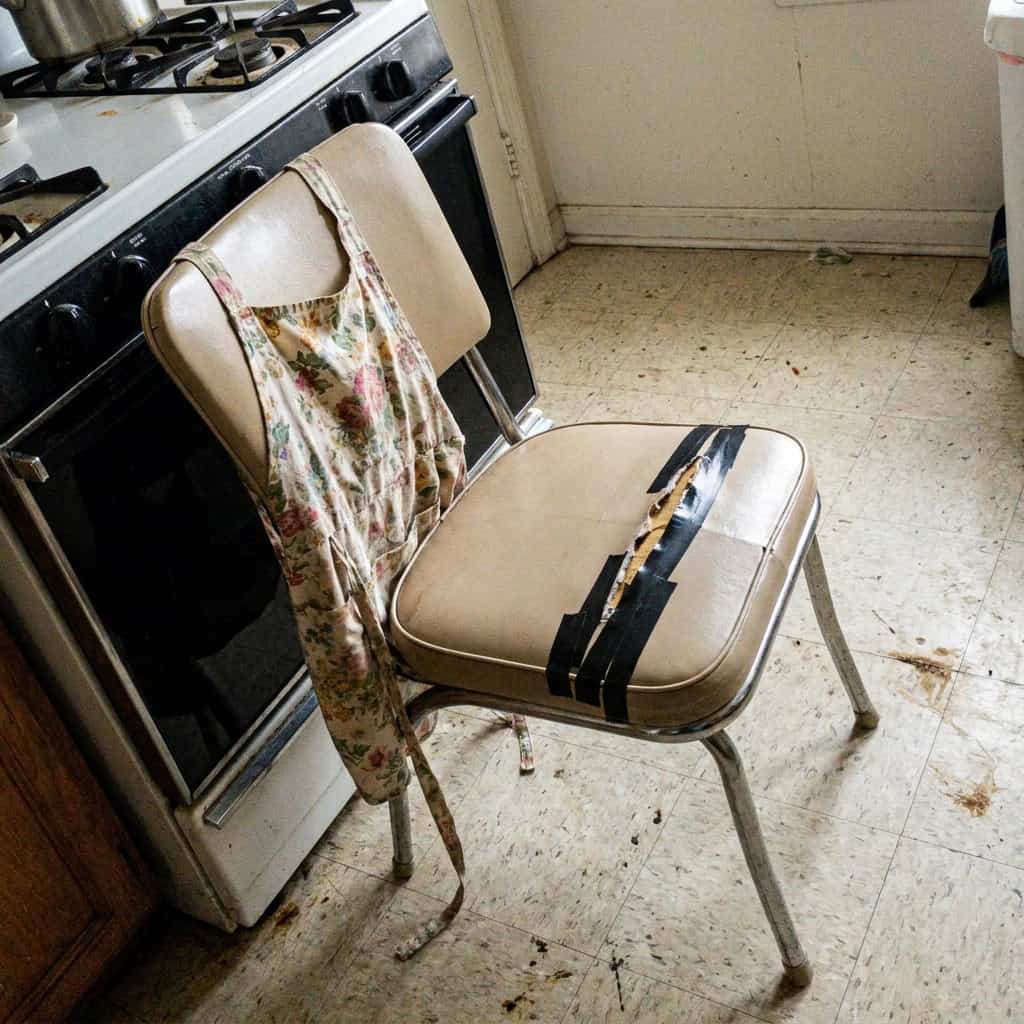
Nearest the stove, back to the wall, facing the doorway. Vinyl seat with a split in it, patched with electrical tape.
She ate standing up most of the time anyway. The chair was for sitting between tasks, five minutes, apron still on.
Sit in it and the room told you. Nobody raised their voice — they just looked.
25. The Drawer of Mass Cards and Mystery Keys
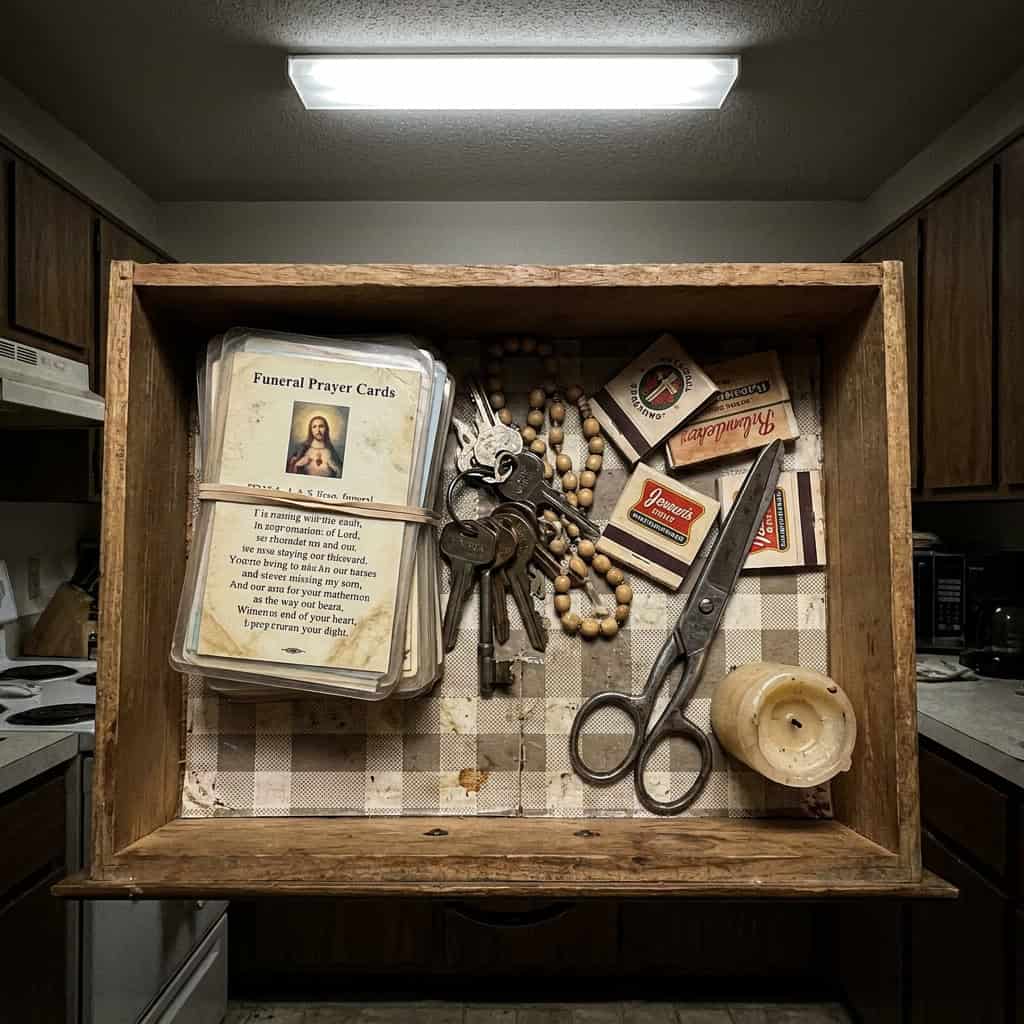
Every kitchen had one. Ours was second from the left.
Inside: funeral prayer cards held with a rubber band, keys to doors that no longer existed, a church calendar, scissors that cut nothing, a rosary, half a candle.
- Mass cards for people nobody could name anymore
- Matchbooks from a restaurant that closed in 1977
- A screwdriver, for some reason
- Loose Italian coins from before the euro
When she died, that drawer took the longest.
26. The Window Herbs in Coffee Cans
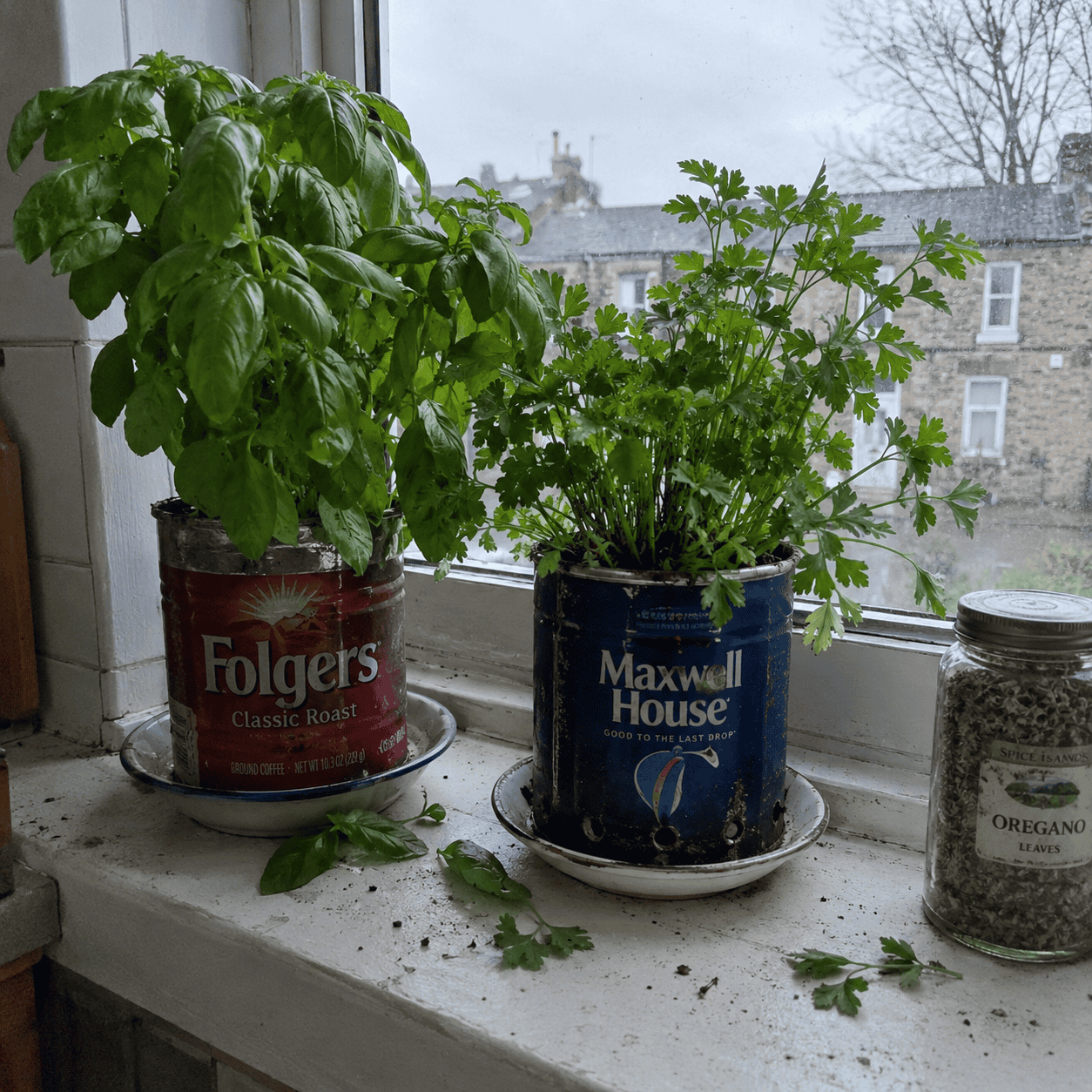
Basil, parsley, and a pot of oregano she’d dried and crumbled into a jar every fall. All of it in cans with holes punched in the bottom, sitting in saucers.
Basil never went in the refrigerator. It sat in an inch of water on the sill like cut flowers.
You pinched the tops so it bushed out, and you pulled the flowers off the second they showed. She’d do it while talking to you, without looking down.
Half of August was figuring out what to do with the fresh basil before it bolted.
27. The Open Door
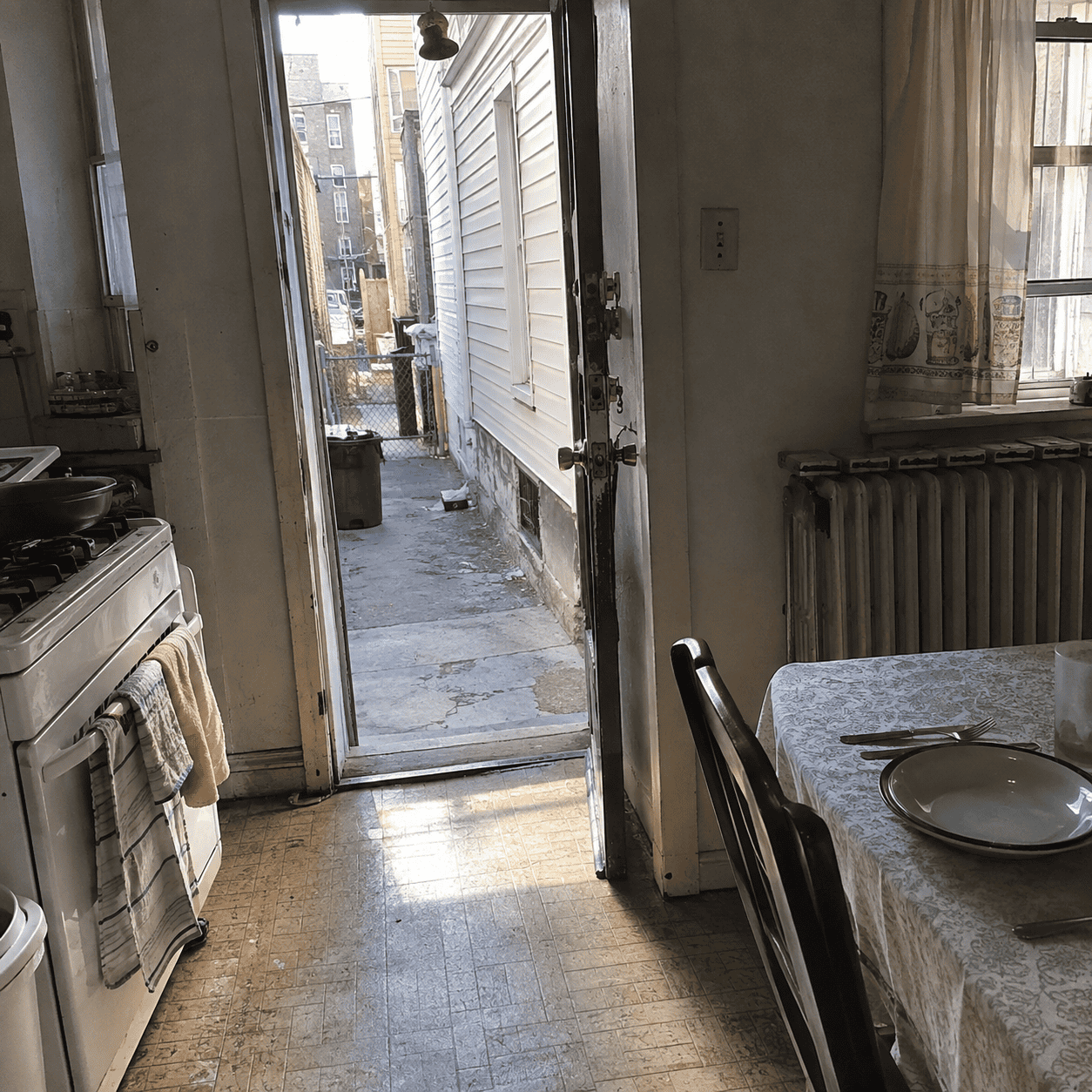
The last thing in that kitchen wasn’t an object. The side door off the alley stayed unlocked from morning until dark.
Neighbors came in without knocking. A cousin would appear at 4pm, eat standing at the counter, and leave without anyone asking why he’d come.
There was always one more plate. The pot was always bigger than the number of people expected, on purpose, every single day.
Back in Italy She’d have done the same in a courtyard. In Philadelphia she did it through a screen door with a broken latch.
That’s the thing I’d bring back first, if I could only pick one.
My own kitchen has a dishwasher and good knives and a stand mixer she’d have called ridiculous. It also has her spoon, her grater, and a saint I didn’t buy and can’t throw away.
The objects keep the rules alive. You hold the colander and the hand remembers the shake.
Go count what’s still in your drawer.
Buon appetito, Madeline