37 Things People Do to Italian Food That Would Make Nonna Cry
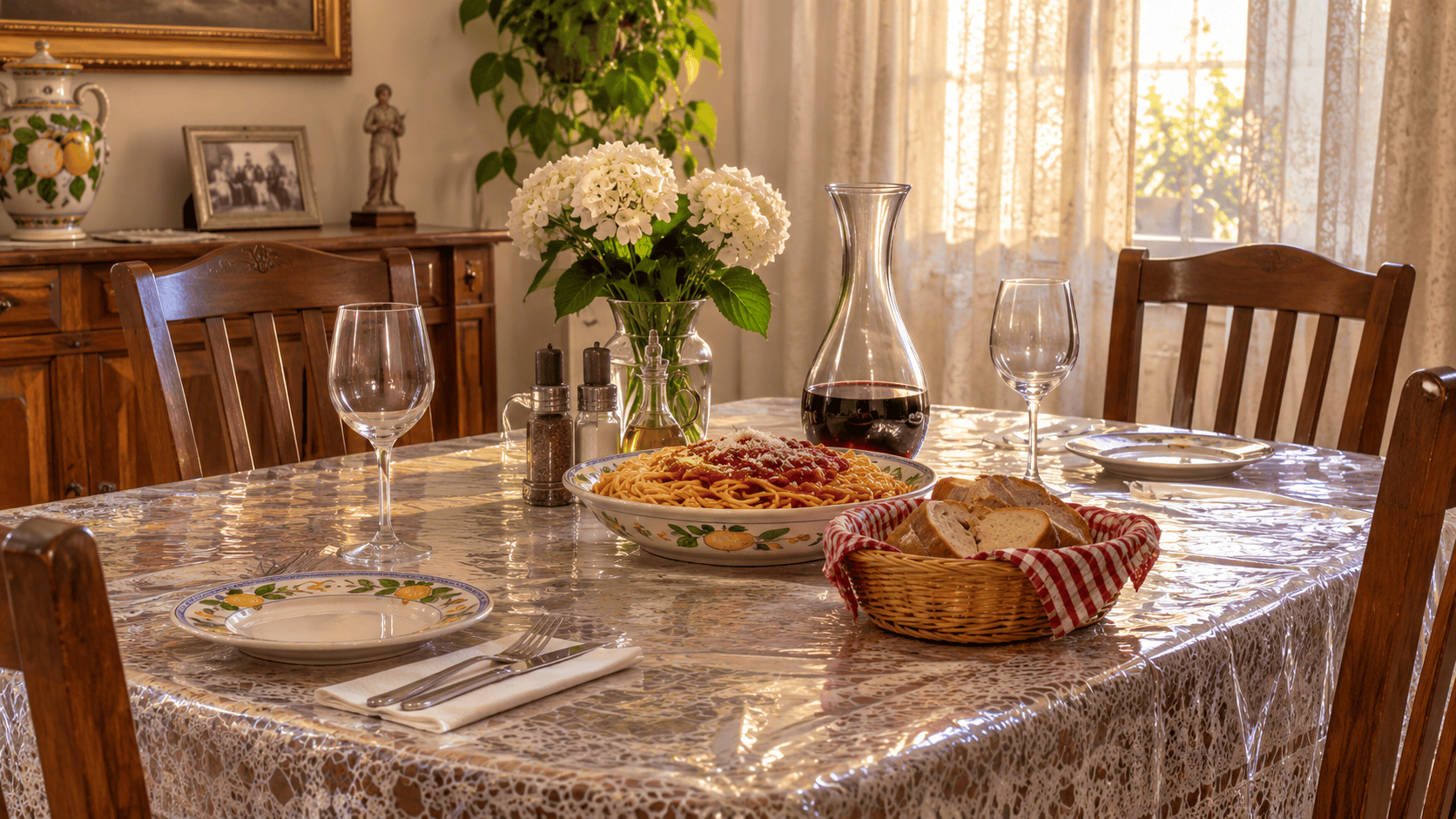
My grandmother kept a wooden spoon on the stove that was never only a wooden spoon. It stirred the gravy, it tapped the side of the pot three times, and once in a while it came down on a wrist that reached for the meatballs too early.
She never raised her voice about food. She just made a face.
That face is what I think about every time I watch somebody snap a pound of spaghetti in half over a pot of water that isn’t even boiling yet. Nonna Pina came from outside Palermo in 1952, ran a kitchen in a Philadelphia rowhouse until she was ninety, and had opinions she never bothered to explain.
I’ve broken some of these rules myself. A few of them I break on purpose, and I’ll tell you which.
Here are 37 things people do to Italian food that would have gotten the face.
1. Snapping the spaghetti in half to fit the pot
The original sin. Every box, every American kitchen, that satisfying crack over the sink.
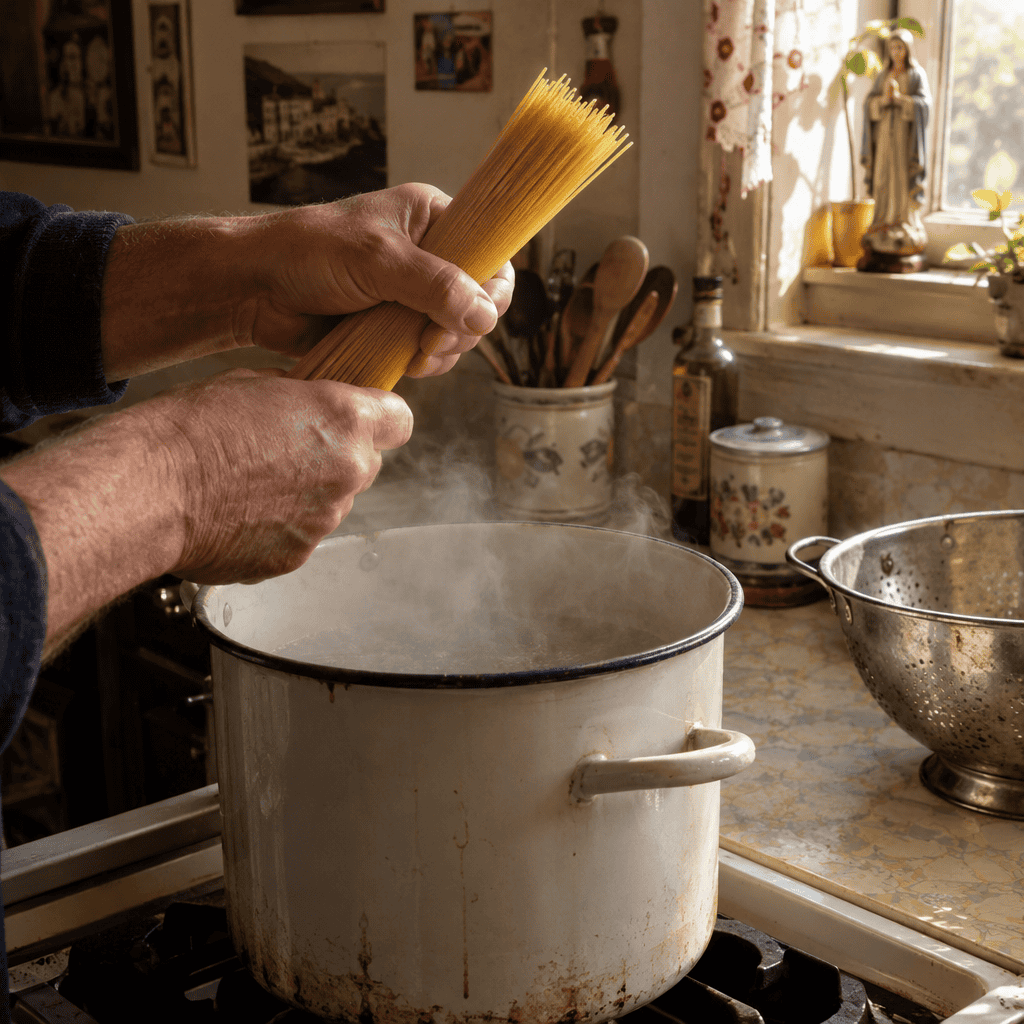
Long pasta is long on purpose. The strand is built to be twirled and to carry sauce along its whole length — snap it and you’ve got a bowl of stubs you chase around with a spoon.
Chef Stefano Secchi has said flatly that Italians would never do it, and he frames it as disrespect toward whoever made the pasta that shape in the first place. Chowhound ran the whole explanation.
Nonna’s fix took two seconds. Stand the bundle in the water, hold it, count to ten, and it softens and folds itself in.
2. Grating cheese over the seafood pasta
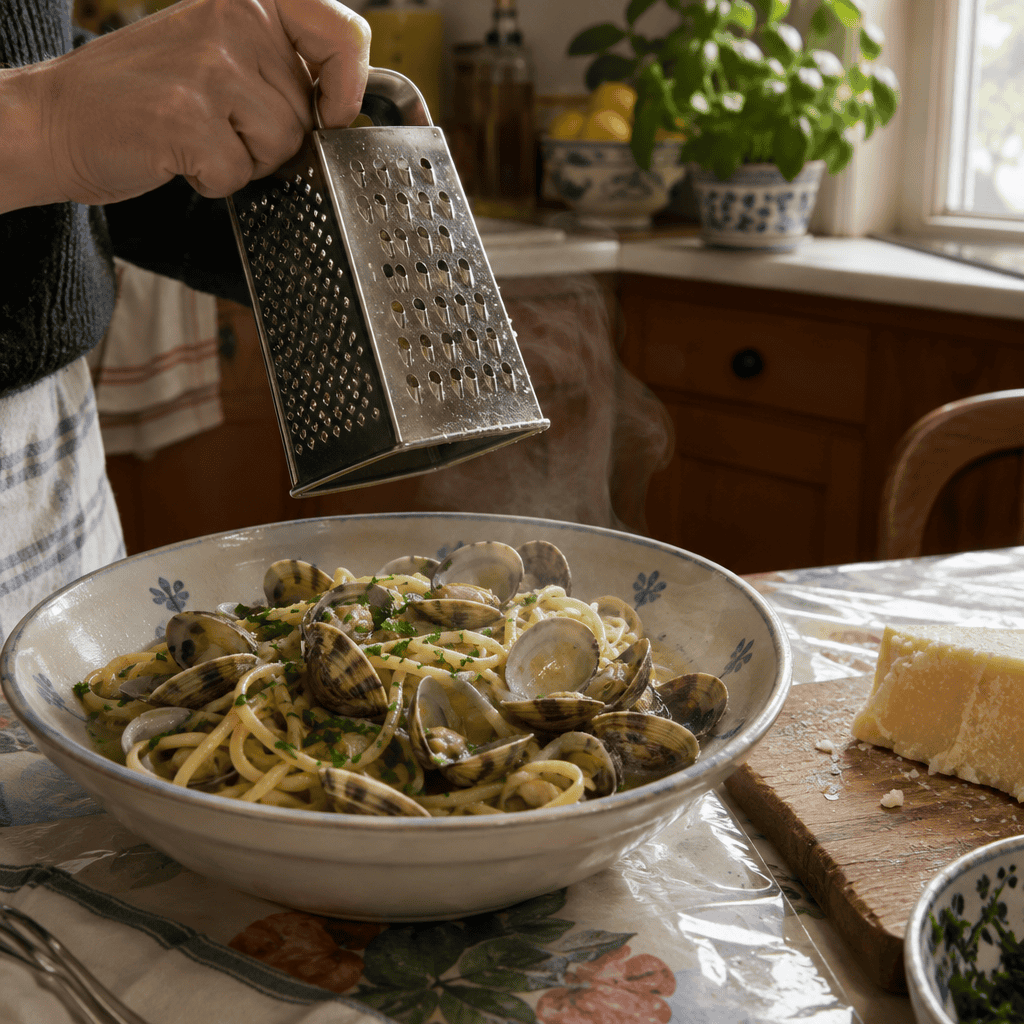
This is the one that gets you a look from an Italian waiter you’ll remember on the plane home.
Hard salty cheese flattens clams, shrimp, mussels — anything delicate. The shellfish brings its own salt and its own sweetness, and Pecorino bulldozes both.
The geography explains it better than any rule. Dairy came from the northern grasslands, the seafood from the rocky south, and for most of Italian history the two simply never met on the same plate. The Local Italy keeps a running list of the rules visitors trip over, and this one’s always near the top.
What goes on top instead: toasted breadcrumbs. Same crunch, none of the crime.
3. Pouring the pasta water straight down the drain
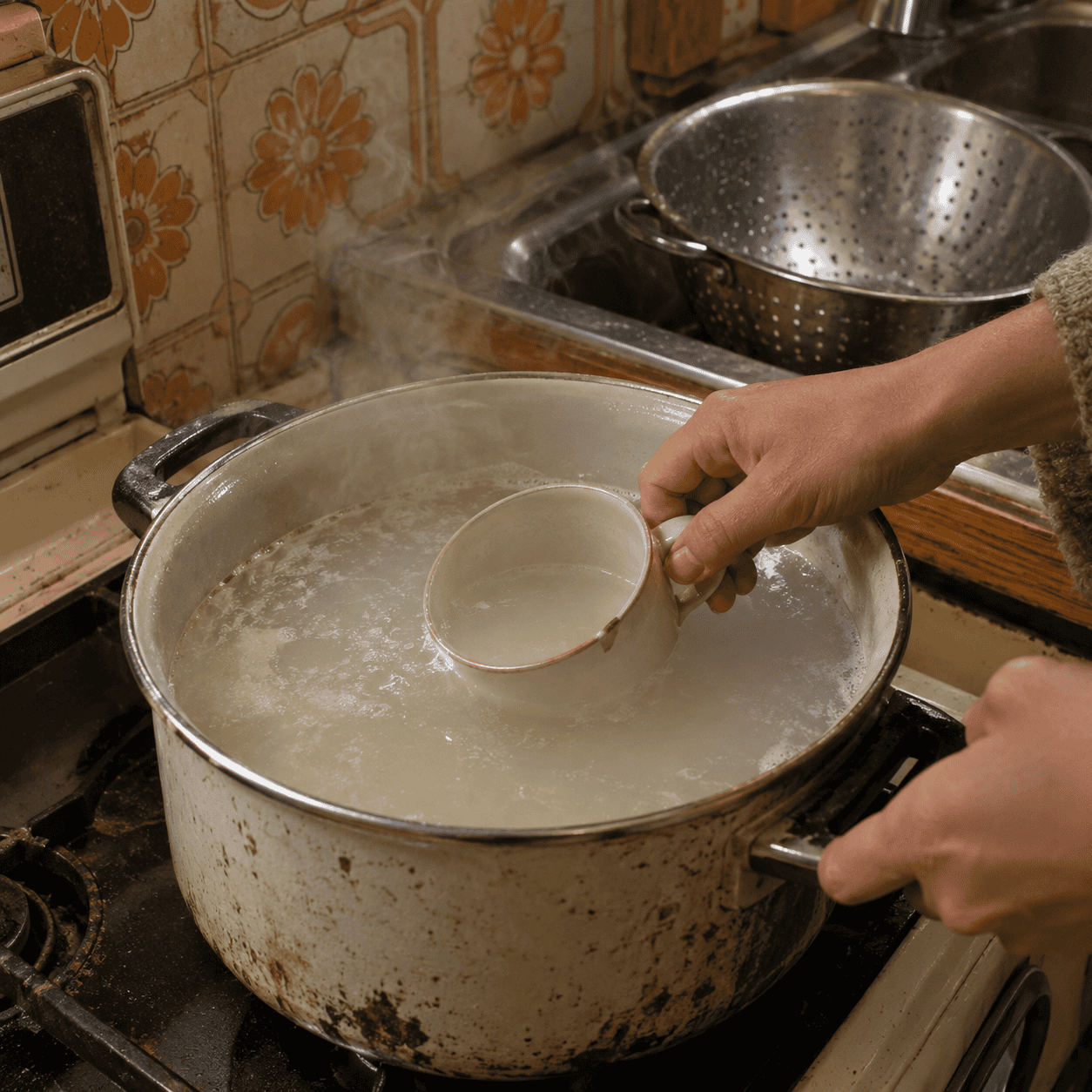
There was a chipped coffee cup that lived next to Nonna’s stove. It had one job.
She’d dip it in before draining, every single time, without looking. That cloudy salty water is what turns oil and tomato into something that actually grips the noodle instead of sliding off it.
Americans dump the whole pot into the sink and then wonder why there’s a red puddle at the bottom of the bowl.
Keep a cup. That’s the entire trick.
4. Stirring cream into the carbonara
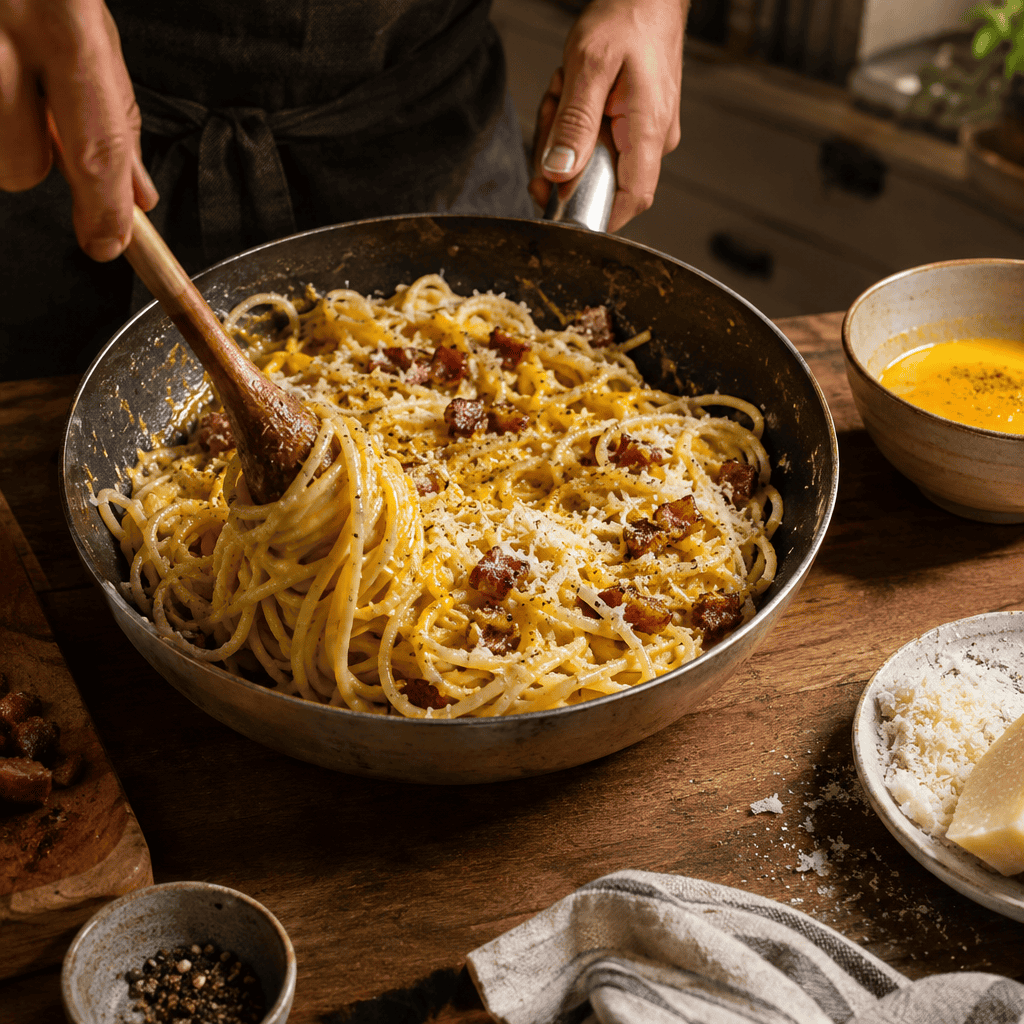
Four things go in carbonara: guanciale, egg yolk, Pecorino Romano, black pepper.
No cream. The silkiness comes from yolk and starchy water emulsified off the heat, which is a fancy way of saying you stir fast with the pan pulled aside.
The other three sins while we’re here — bacon standing in for guanciale, Parmigiano instead of Pecorino, and eggs scrambled over a hot burner so you end up with pasta and breakfast.
It’s a Roman dish from the 20th century, not some ancient recipe. Which somehow makes people wrecking it worse.
5. The green shaker can standing in for Parmigiano-Reggiano
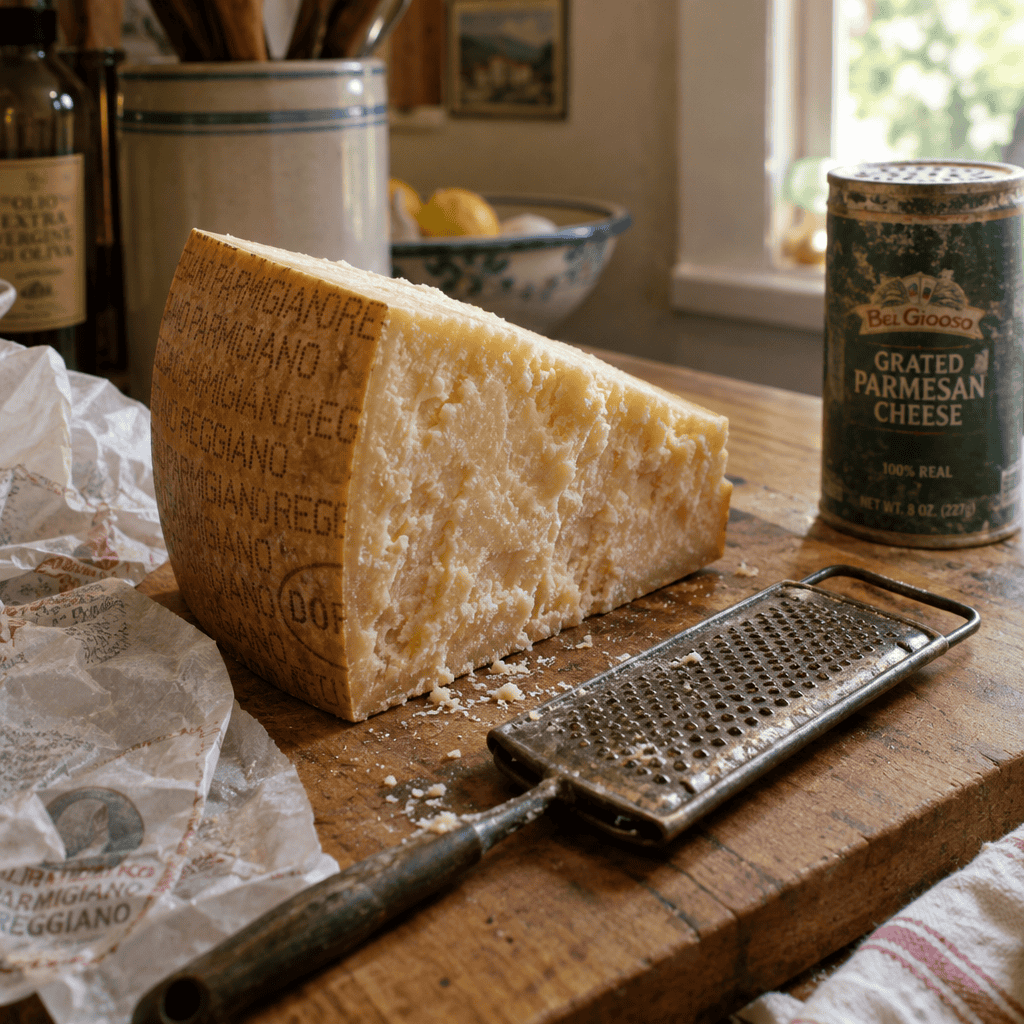
Every American pantry had one after the war. Shelf-stable, dusty, smelled faintly like a gym bag.
It isn’t the same food. Parmigiano-Reggiano is a DOP cheese made only in a defined zone of Emilia-Romagna and Lombardy, from raw cow’s milk, with nothing in it but milk, salt, and rennet — and it has to age a minimum of twelve months before anyone’s allowed to stamp it. Most of the good wheels go 24 or 36.
The Consorzio del Formaggio Parmigiano Reggiano inspects and fire-brands every wheel that passes; the ones that fail get their rind scored so they can never be sold under the name. That protection is real legal machinery, not marketing — WIPO has written up the whole intellectual-property fight behind the name.
Here’s how to shop it. Look for the pin-dot lettering running around the entire rind — that’s branded into the wheel in the dairy, and no American “parmesan” has it. Buy a wedge, not a tub. Wrap it in parchment, then loosely in foil, and it’ll live in your refrigerator for two months without turning to soap.
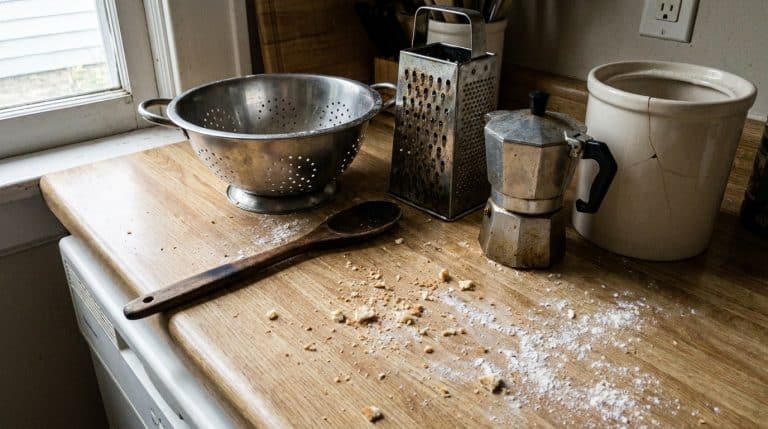
Nonna’s came wrapped in wax paper from the Italian market on Ninth Street. The grater was a flat tin one with a handle, and every Sunday somebody’s knuckle paid for the pile.
Grate it the minute before it hits the plate. Pre-grated starts losing its smell within hours, which is most of what you’re paying for.
6. Spooning sugar into the tomato sauce
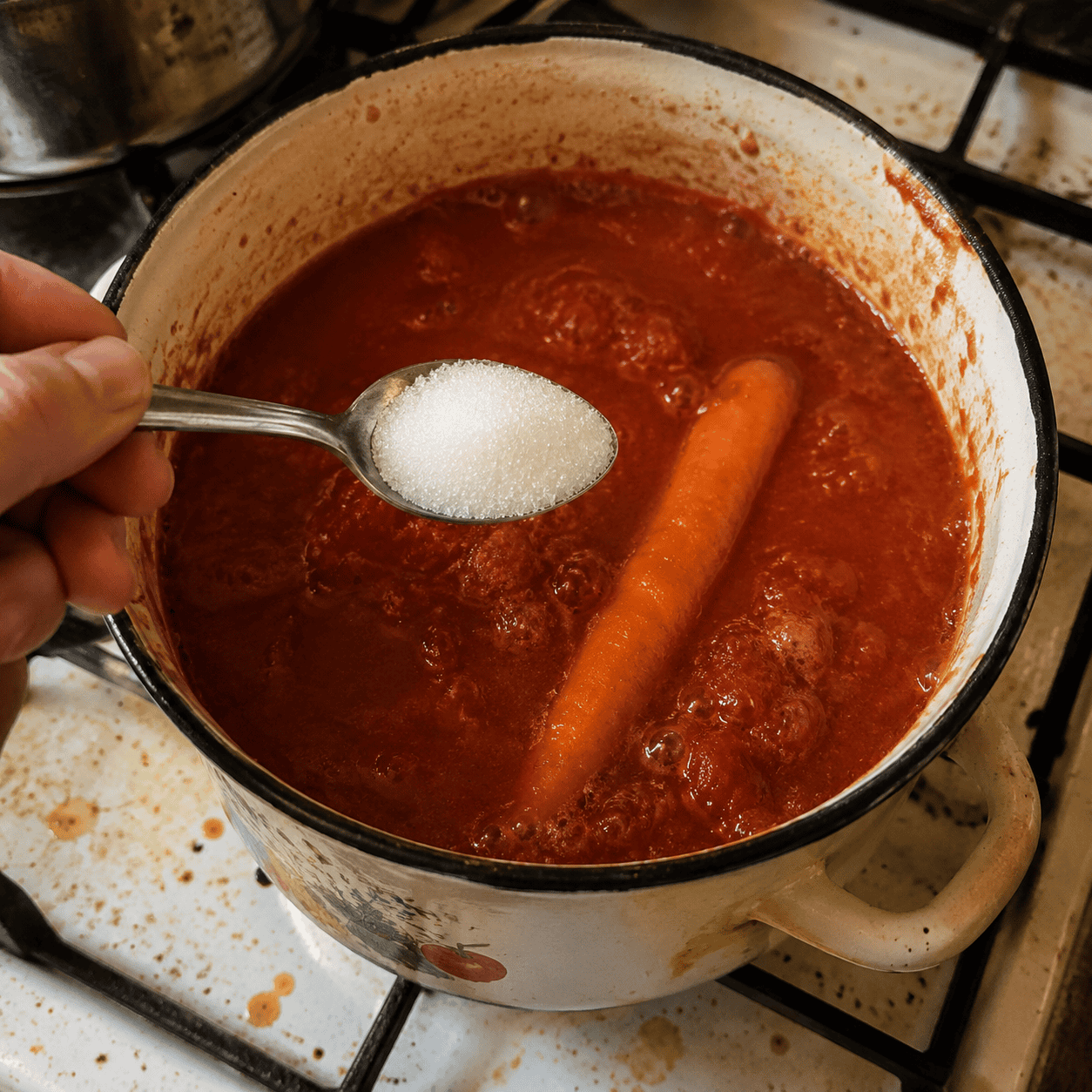
Sugar is a band-aid over a bad tomato.
The Italian answers are better tins, a whole peeled carrot dropped in the pot and fished out at the end, or just letting it go another forty minutes until the sweetness concentrates on its own.
There is one honest exception. If you opened a batch that’s aggressively sour, a pinch brings it back into line — a pinch, not a spoonful, and you should be a little annoyed about needing it.
7. Boiling the pasta until it’s soft
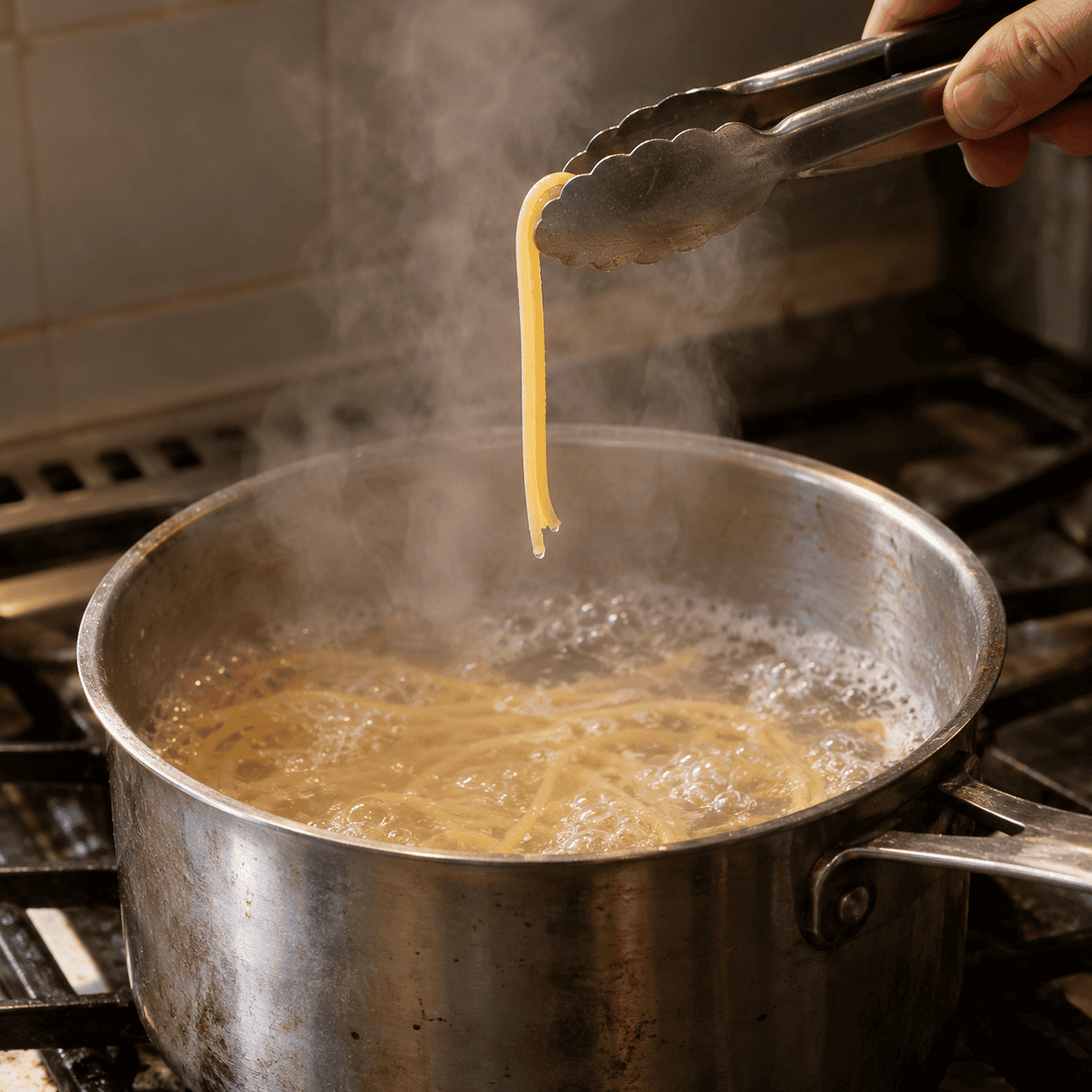
Al dente isn’t snobbery. It’s engineering.
Pull the pasta a minute before the box says, finish it in the sauce pan, and it absorbs flavor while it finishes cooking. Boil it soft and it’s already dumped its starch into the water instead of into your sauce.
That’s why mushy noodles always swim. Nothing’s left to bind.
Bite one. Bite another one thirty seconds later. That’s the whole method.
8. Ordering a cappuccino after dinner
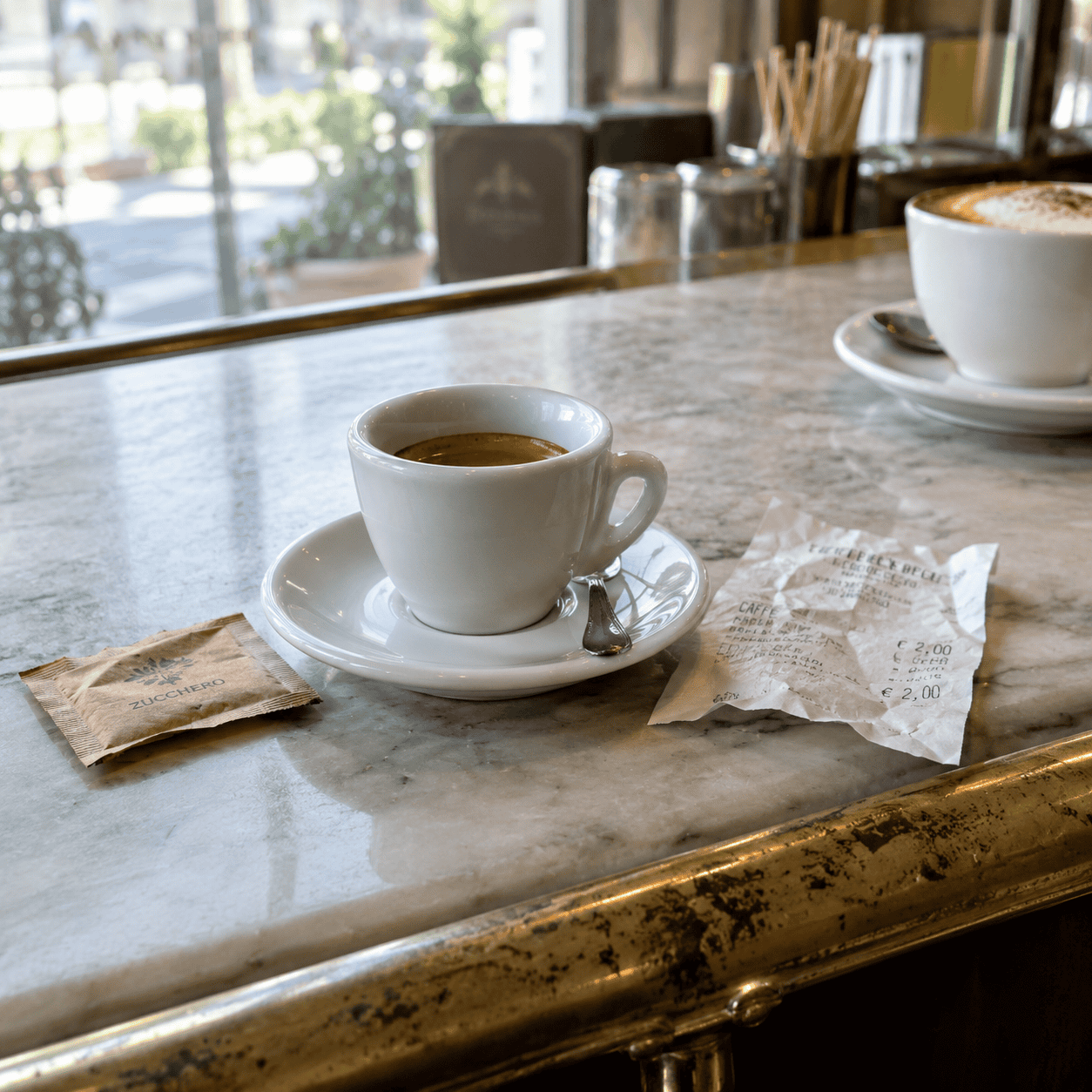
Milk is breakfast in Italy. Full stop, and the belief behind it is that all that dairy sits like a brick on a stomach that just took on three courses.
After eleven in the morning you’re already pushing it. After dinner it’s espresso, standing, ninety seconds, gone.
The real tourist tell isn’t the cappuccino anyway — it’s the paper cup walking down the street with it.
9. Ladling sauce on top like gravy instead of finishing the pasta in the pan
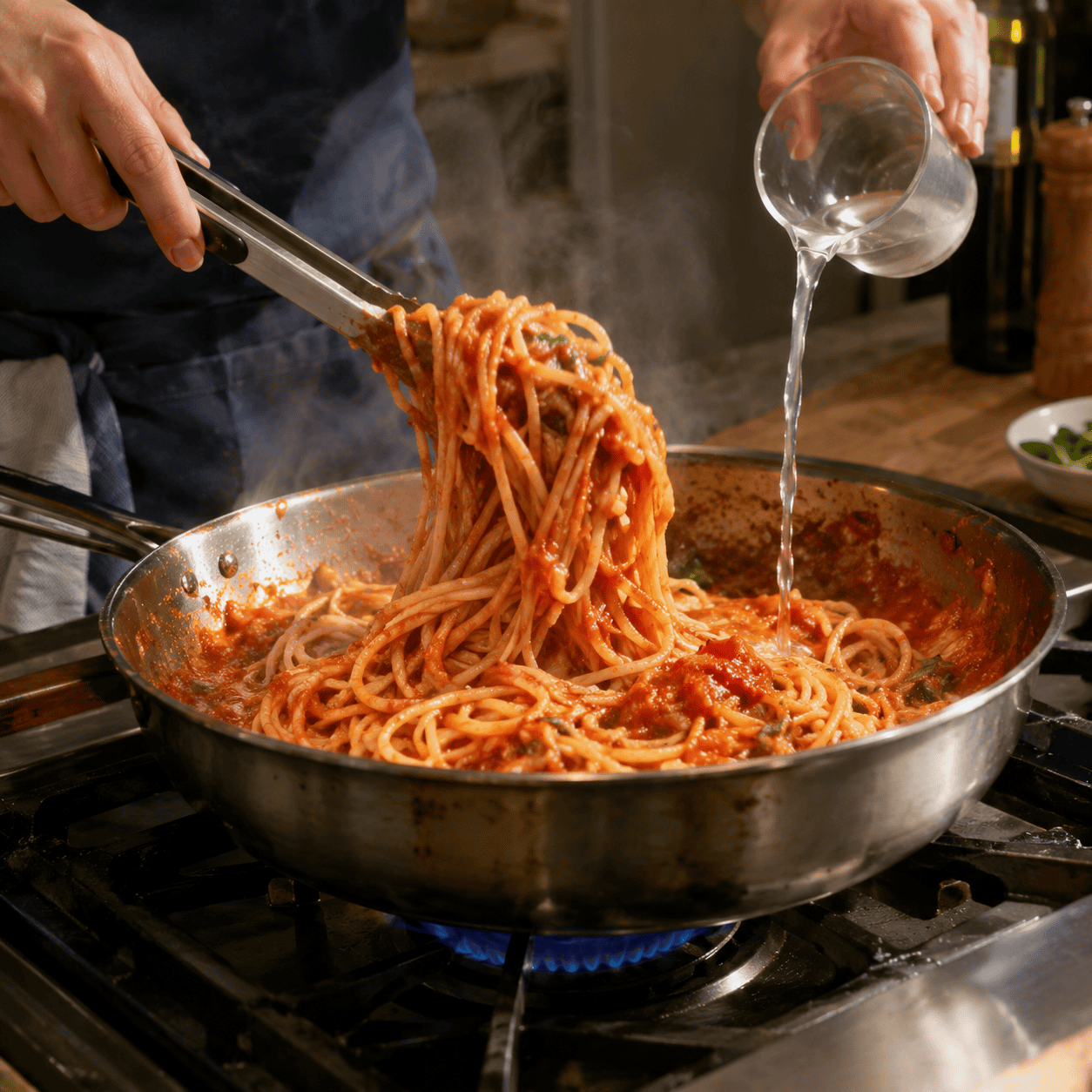
This is the biggest technique gap between an American kitchen and an Italian one, and it costs you nothing to fix.
Drained pasta goes into the pan with the sauce. Splash of that reserved water, high heat, thirty to sixty seconds of tossing, and the two stop being two things.
The mound of plain noodles with the red lagoon on top — everybody can picture it because everybody grew up eating it.
I started doing it the right way in my thirties and my mother asked what I’d changed about the sauce. Nothing. Changed the last minute.
10. The saucer of olive oil and balsamic for the bread
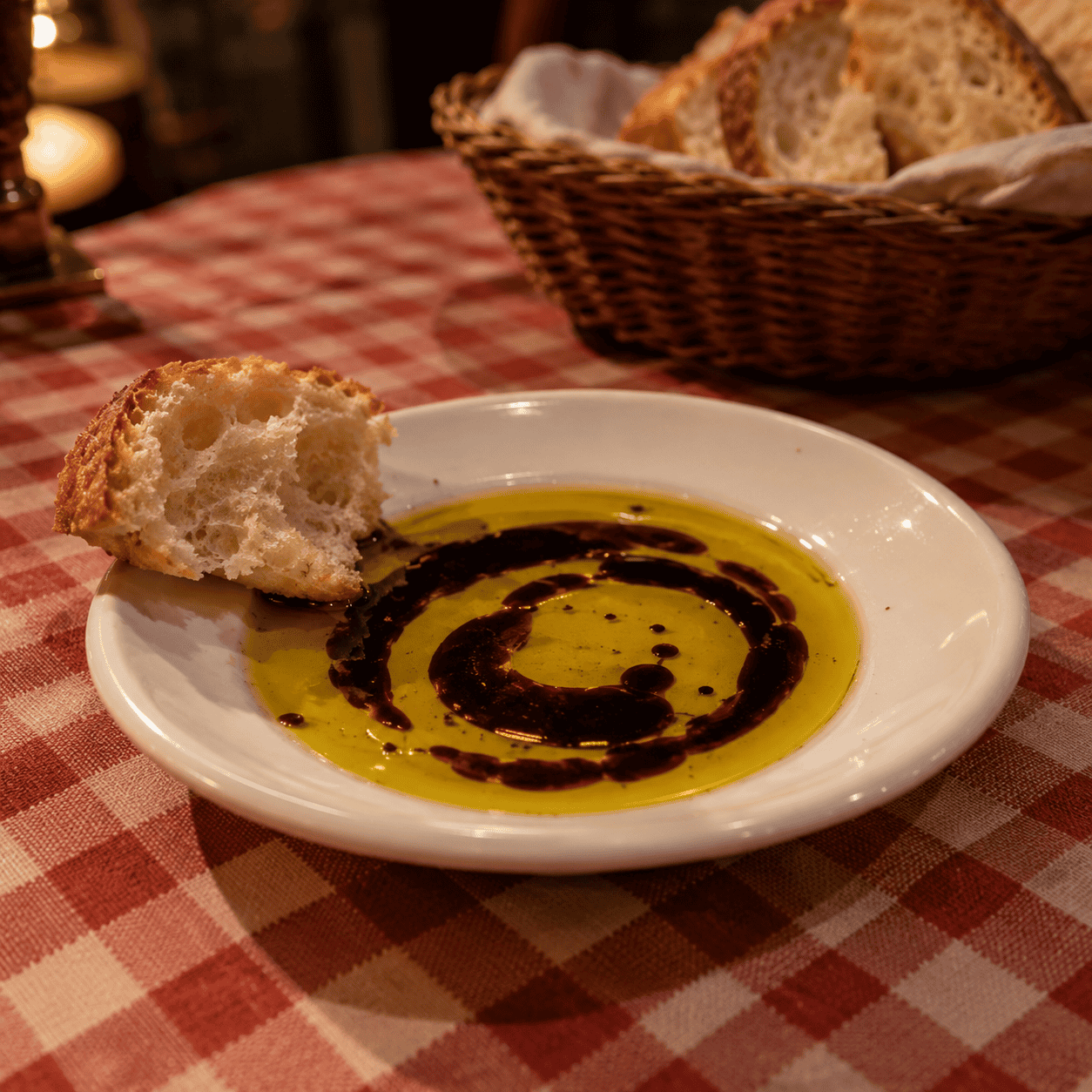
You will not find this in Italy. It’s an American restaurant invention from somewhere around the 1980s, right alongside the pepper mill the size of a baseball bat.
Bread there goes plain beside the meal, or it waits for the end.
Good oil is a finish — over beans, over soup, over grilled bread — not a shallow pool with a balsamic swirl in it for dunking.
11. Jarred minced garlic (and the garlic press)
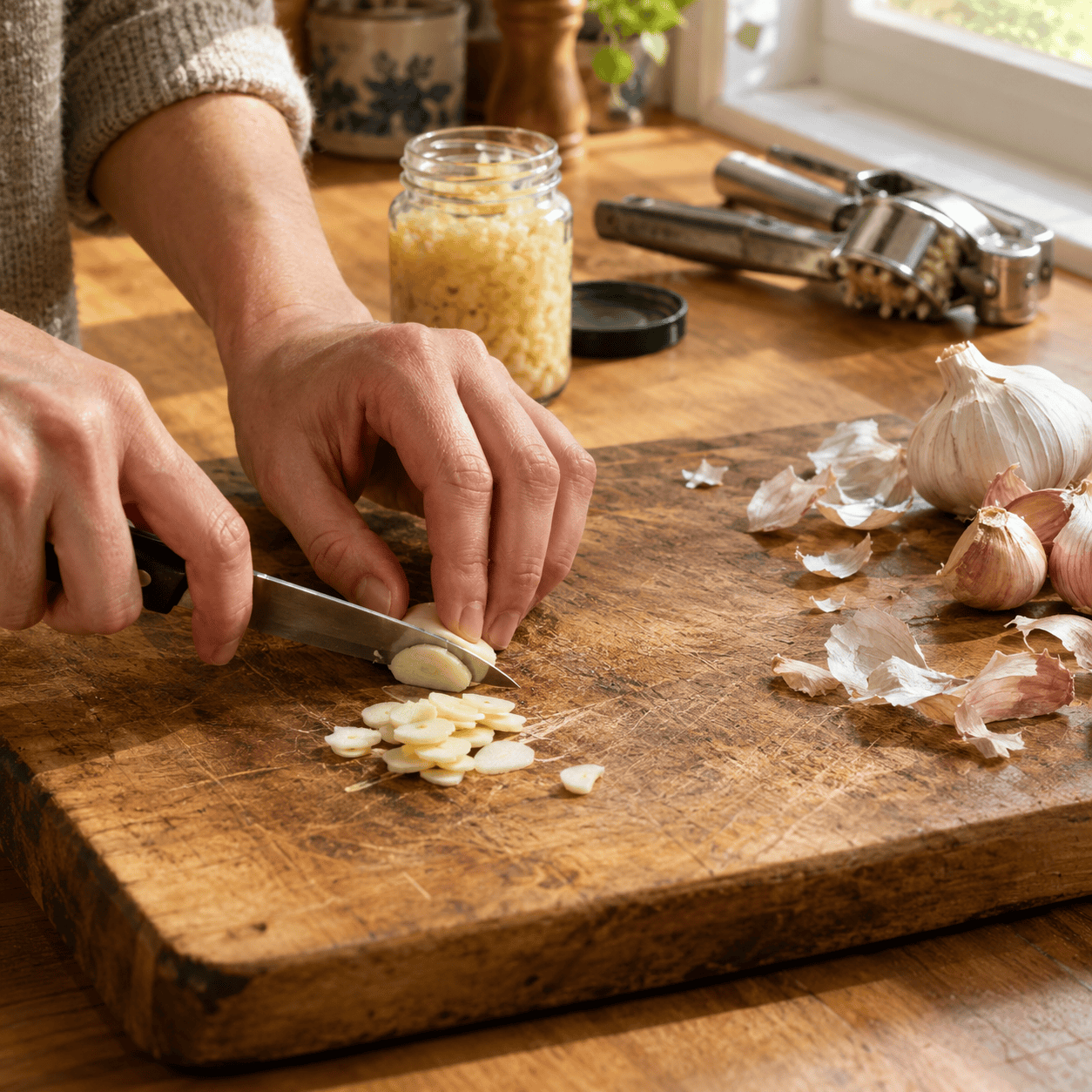
Open the jar and smell it. That sour metallic edge doesn’t cook out, it just moves into your sauce and sets up camp.
The press is its own problem. Crushing cloves to paste releases a bitterness that slicing never does.
Nonna had two moves: a thin slice with a paring knife when she wanted the garlic in the dish, or a whole smashed clove dropped in the oil and pulled out before serving when she only wanted the perfume.
Peeling takes four minutes. Put on the radio.
12. Calling it “spaghetti Bolognese”
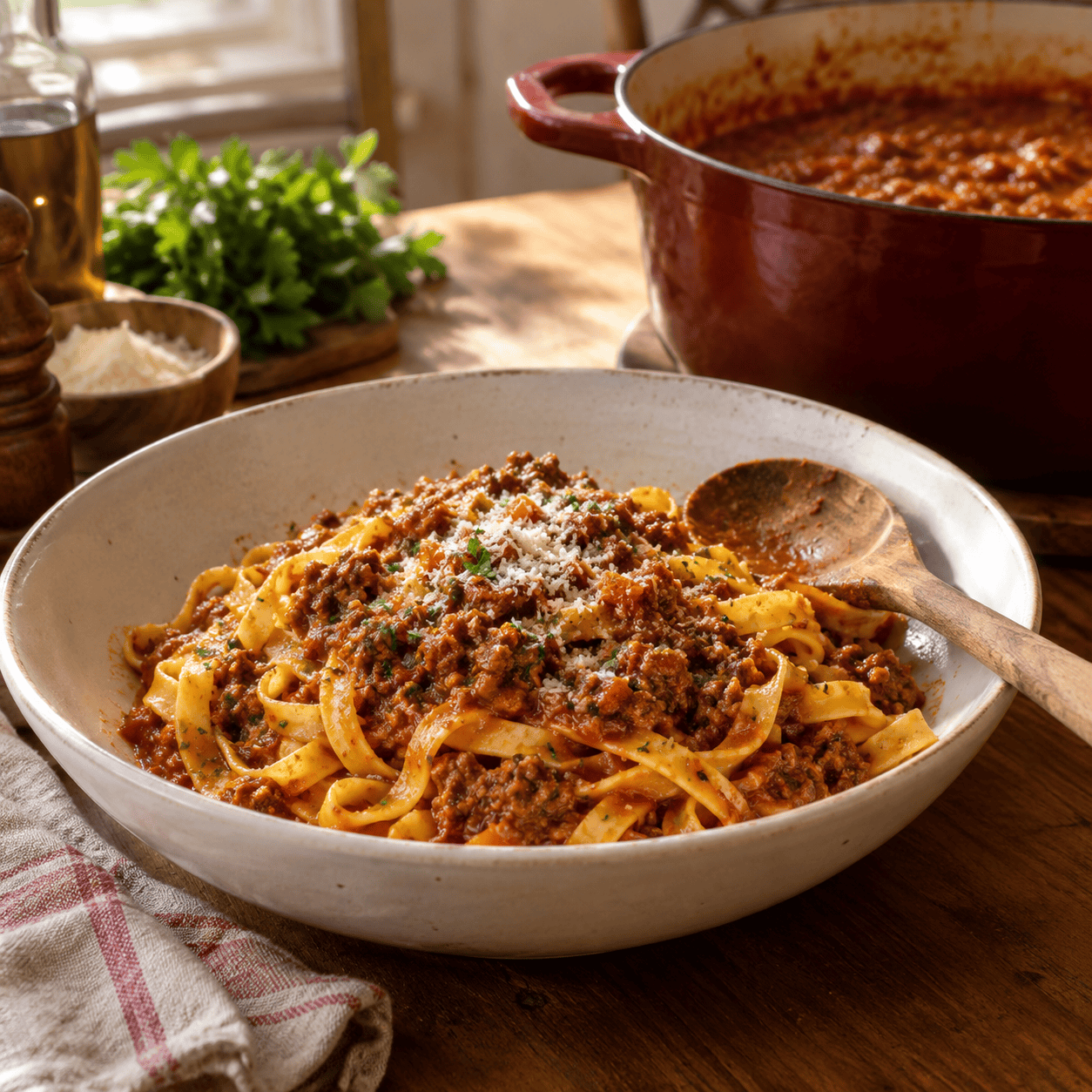
Walk into Bologna and ask for it. They’ll be polite about it.
Ragù alla bolognese is slow — meat, soffritto, wine, milk, hours — and it goes on fresh egg tagliatelle, into lasagne, or around tortellini. Spaghetti is too slick to hold a meat sauce; it slides and the ragù collects at the bottom.
The Bologna chamber of commerce has an officially registered reference recipe on file, which tells you exactly how seriously they take it. The slow-simmered bolognese on the site is the version my family makes, milk and all.
Call it ragù. Serve it on a wide noodle. Suddenly it works.
13. Rinsing the cooked pasta under cold water
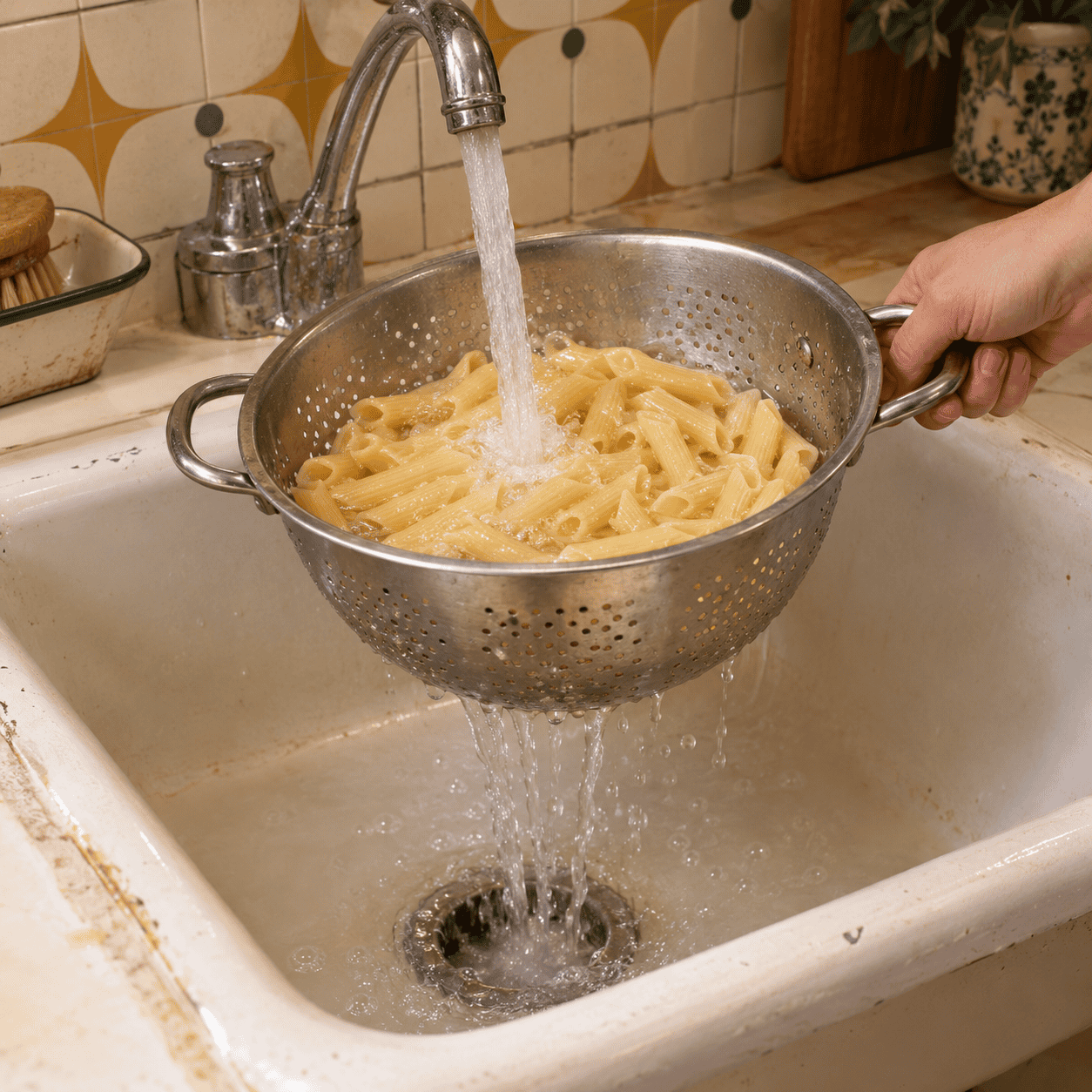
American cookbooks told people to do this for decades, and it’s wrong twice over.
You’re washing off the starch that makes sauce cling, and you’re dropping the pasta’s temperature right before it meets a hot pan. Smithsonian Magazine walked through the whole chain of mistakes a few years back.
One exception and it’s a real one: cold pasta salad. Rinse it, or you’ll be serving a brick.
14. Throwing away the Parmigiano rind
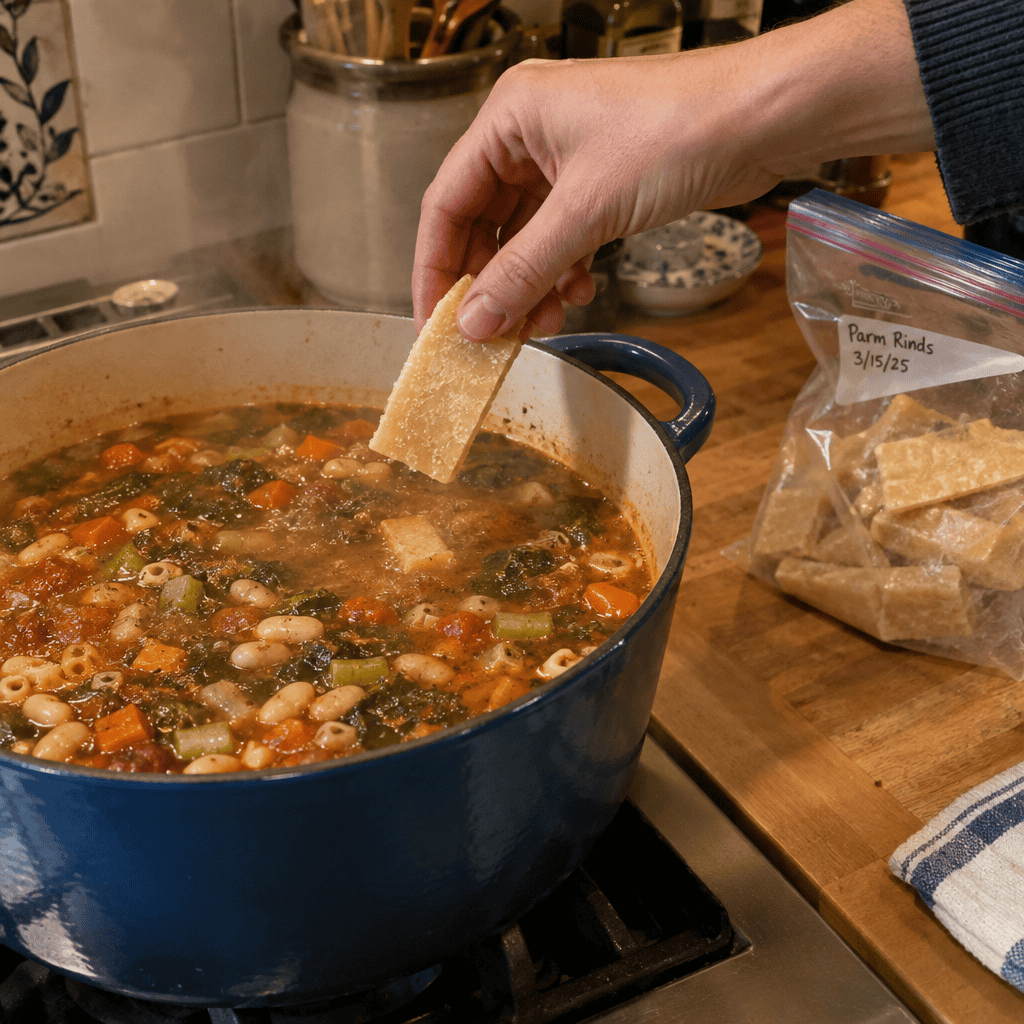
There was a bag of them in Nonna’s freezer, hard little nubs with the lettering still faintly stamped on.
They go into minestrone, into bean soup, into a long pot of sauce, where they soften over an hour and leave behind a savory depth you can’t get any other way.
At the end somebody fished the waxy piece out with a slotted spoon and there was always a small argument about who got to chew it.
Usually the kid who set the table.
15. Pouring oil into the pasta water
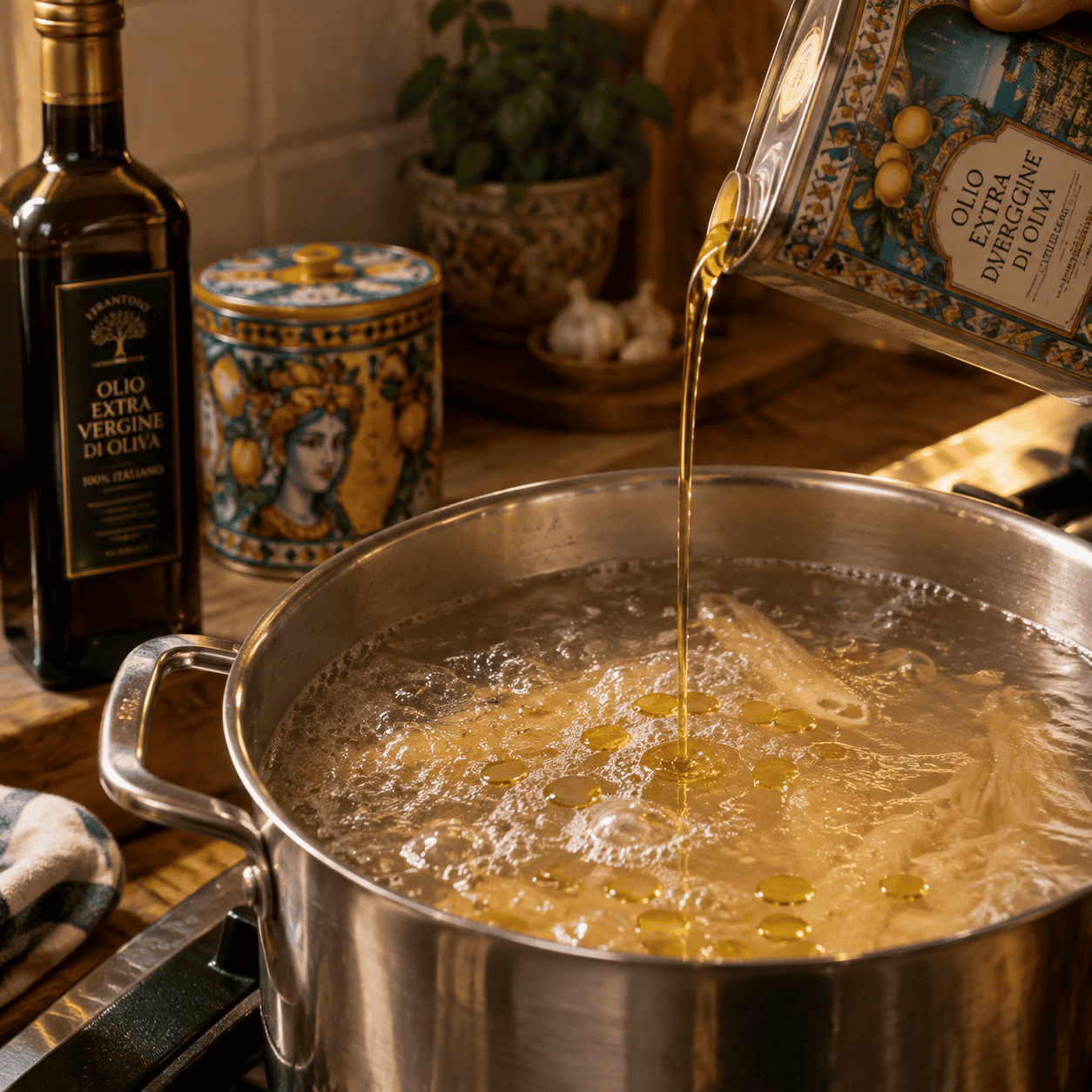
It floats. That’s it, that’s the whole story — oil sits on the surface, never touches the pasta while it cooks, and then coats every strand on its way out of the pot so the sauce has nothing to grab.
Lidia Bastianich has been telling people to stop for years, and Vincenzo’s Plate takes the myth apart in detail.
Pasta sticks for two reasons: not enough water, or you didn’t stir it in the first minute. Four quarts per pound, a stir right after it goes in, done.
Since we’re here, the oil itself deserves better treatment than it usually gets. Keep two bottles. A decent everyday extra-virgin for cooking the soffritto and the garlic, and a good one — single-estate, harvest date printed on the label, green and a little peppery at the back of your throat — that never sees a hot pan.
That peppery scratch is polyphenols, and it’s the sign the oil is fresh. Olive oil isn’t like wine; it doesn’t improve. Buy a bottle you’ll finish in three months.
Store it away from the stove, not next to it. Heat and light are what turn good oil rancid, which is why the tin or the dark green glass exists in the first place.
Nonna’s cooking oil lived under the sink. The good stuff sat on the counter in a tin from a cousin in Sicily and went on everything at the last second — soup, beans, bread, the aglio e olio she made at eleven at night when somebody came home hungry.
16. Grilled chicken strips on the fettuccine (with Alfredo from a jar)
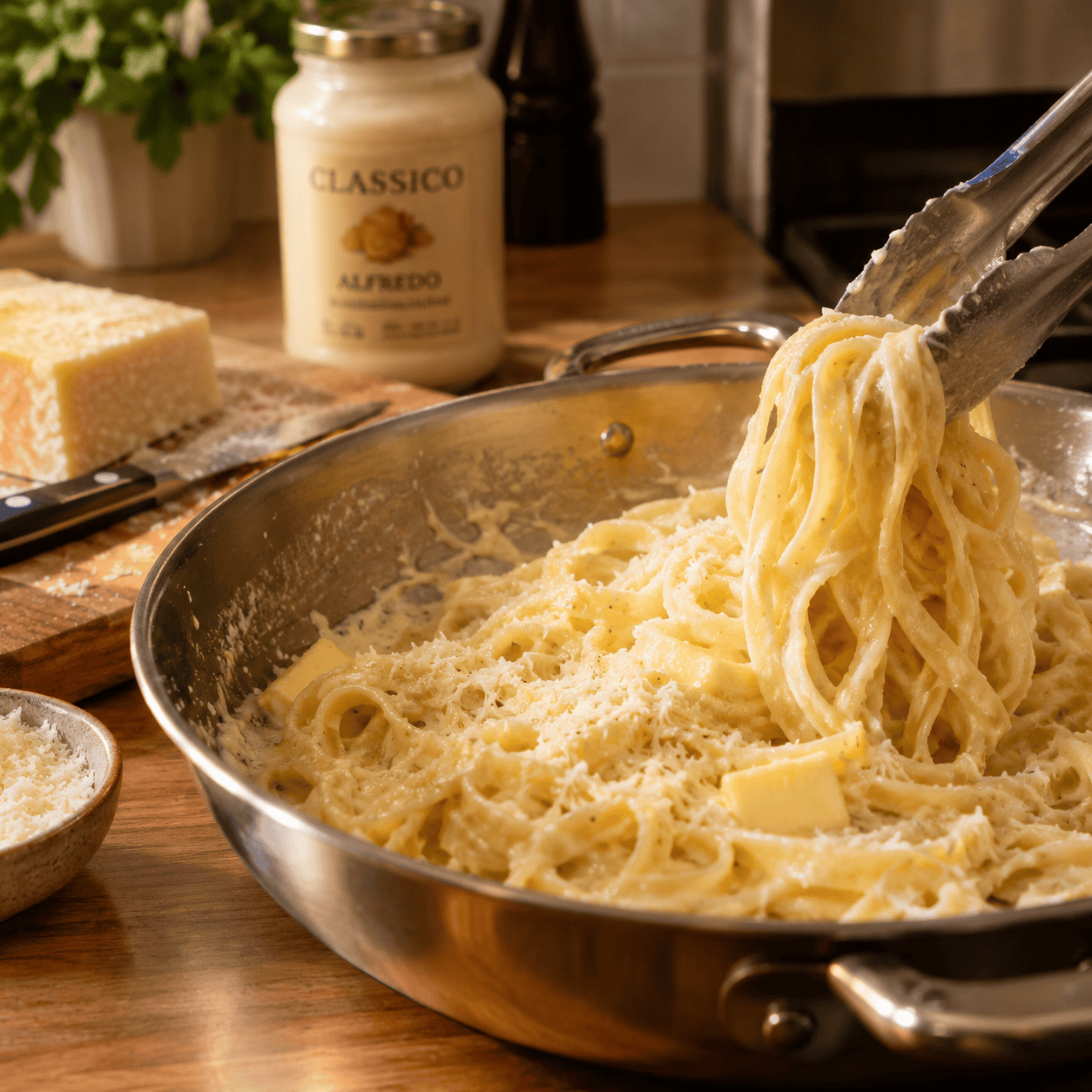
Alfredo di Lelio made this in Rome for his wife after she gave birth and couldn’t keep anything down. Butter, young Parmigiano, hot pasta, tossed hard until it turned glossy.
Three ingredients. No cream, no flour, no roux, and absolutely no grilled chicken fanned across the top.
The jarred version is thickened starch and the chain-restaurant version is a casserole. The actual dish takes four minutes and makes you feel like you cheated.
17. Chopping the basil to confetti and cooking it from the start
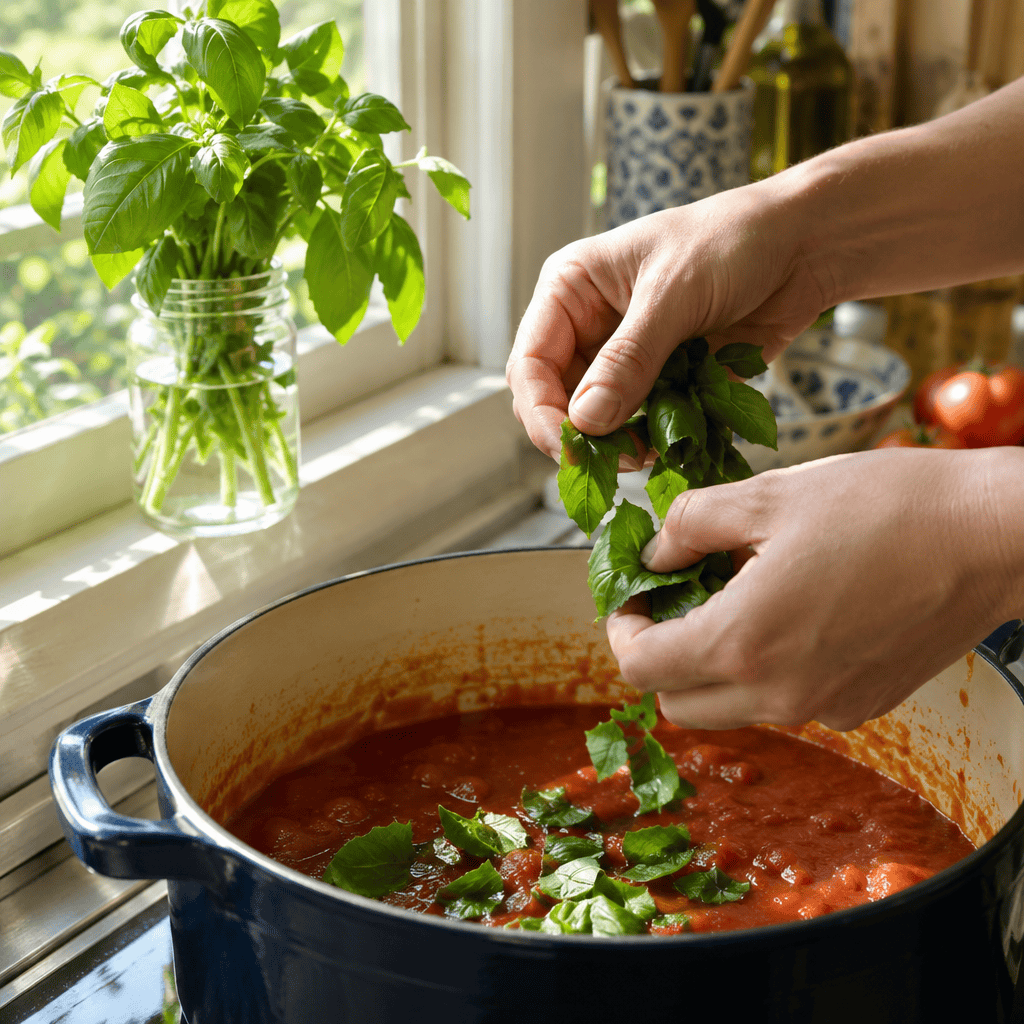
Basil hates knives. Bruise it and it oxidizes black and gives up its perfume to the cutting board.
Tear it with your hands and add it off the heat, at the very end, when the pan’s already away from the burner.
And stop putting it in the refrigerator. Cold turns the leaves to slime overnight — it belongs on the counter in a glass of water like a bouquet, which is exactly how there were always three fistfuls of basil going at once in August.
18. Barely salting the water
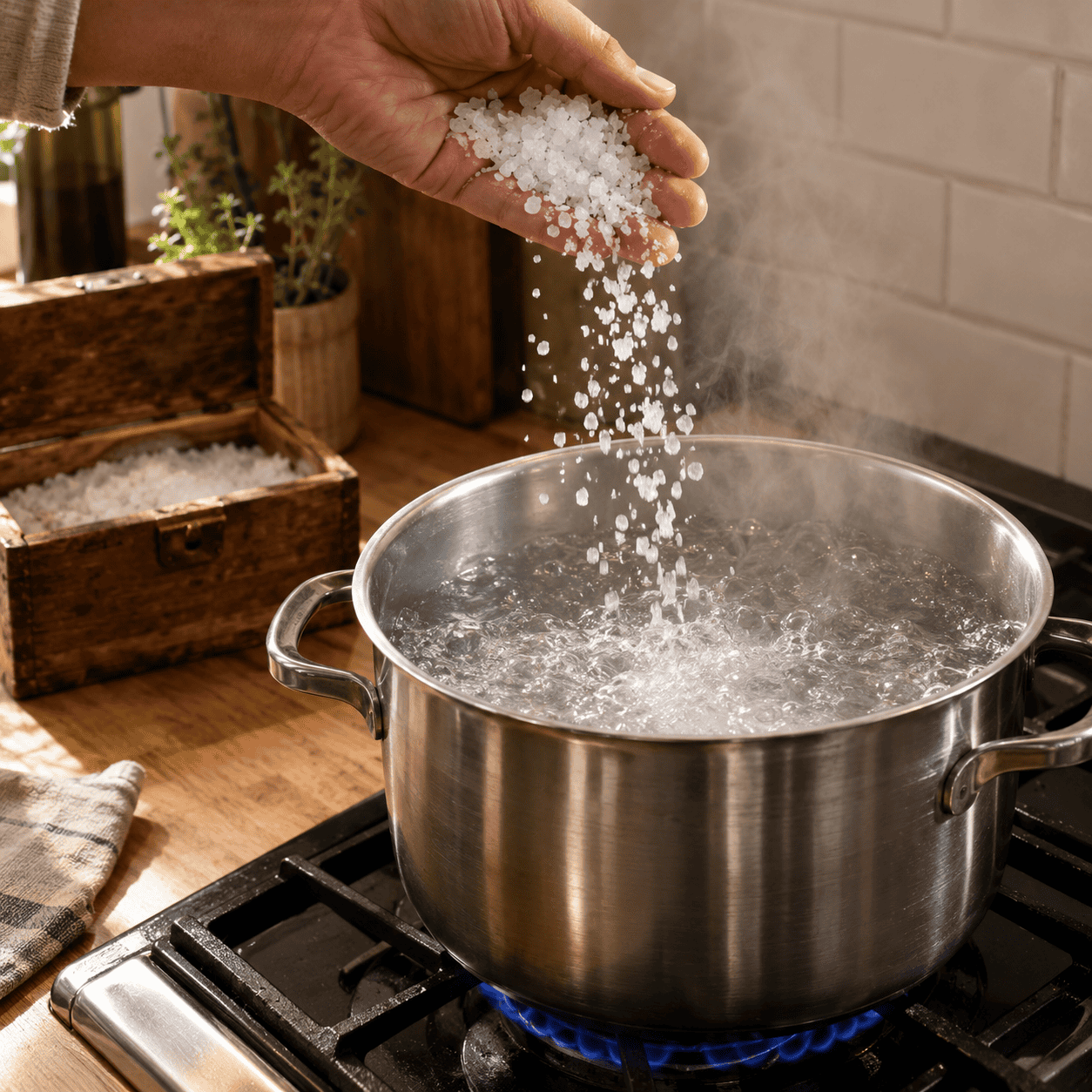
Pasta only takes on seasoning while it’s boiling. Miss that window and a bland noodle stays bland forever, no matter how good the sauce is.
The shorthand is water you’d notice if you tasted it. Roughly a generous tablespoon of coarse salt per pound of pasta, added once it’s at a rolling boil.
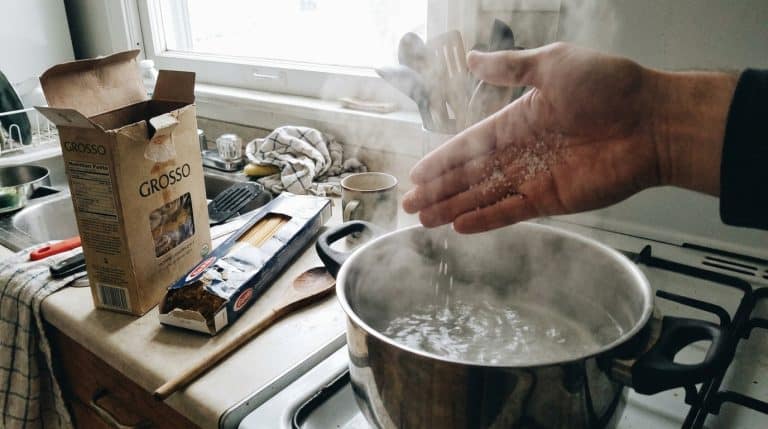
Nonna never measured. She poured salt into her palm and let it go, and got looked at for it by every daughter-in-law who ever walked into that kitchen.
19. Serving a giant salad as the opening course
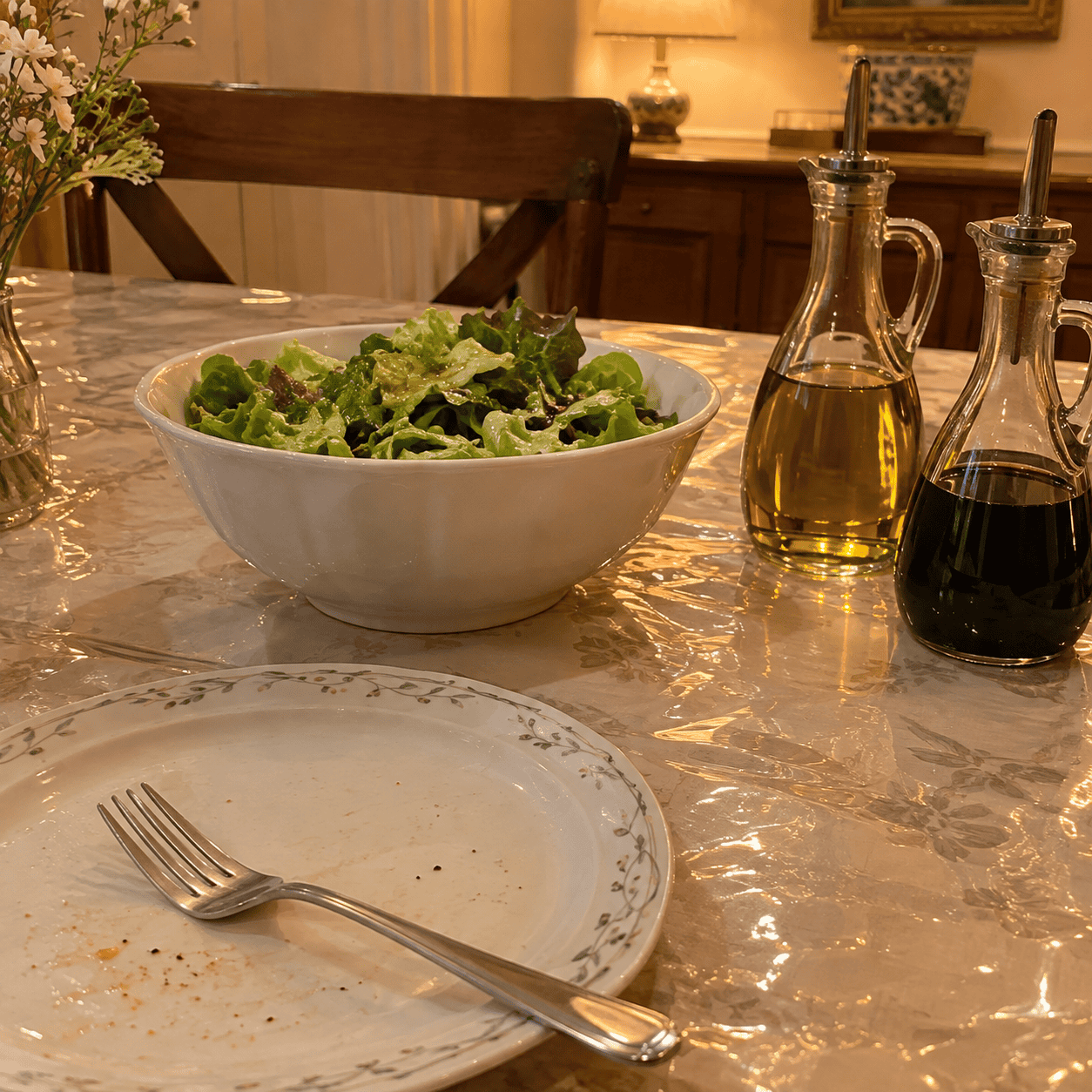
In Italy salad is a contorno and it comes after — a palate cleanser, dressed at the table with oil, vinegar, and salt, nothing else.
The bottomless bowl of iceberg with creamy dressing before the pasta arrives is an American restaurant structure, roughly mid-century, and it fills people up before the actual food shows.
Try moving it. Serve the simple dressed greens after the secondo and watch how different the meal feels.
20. Garlic bread made with margarine and garlic powder
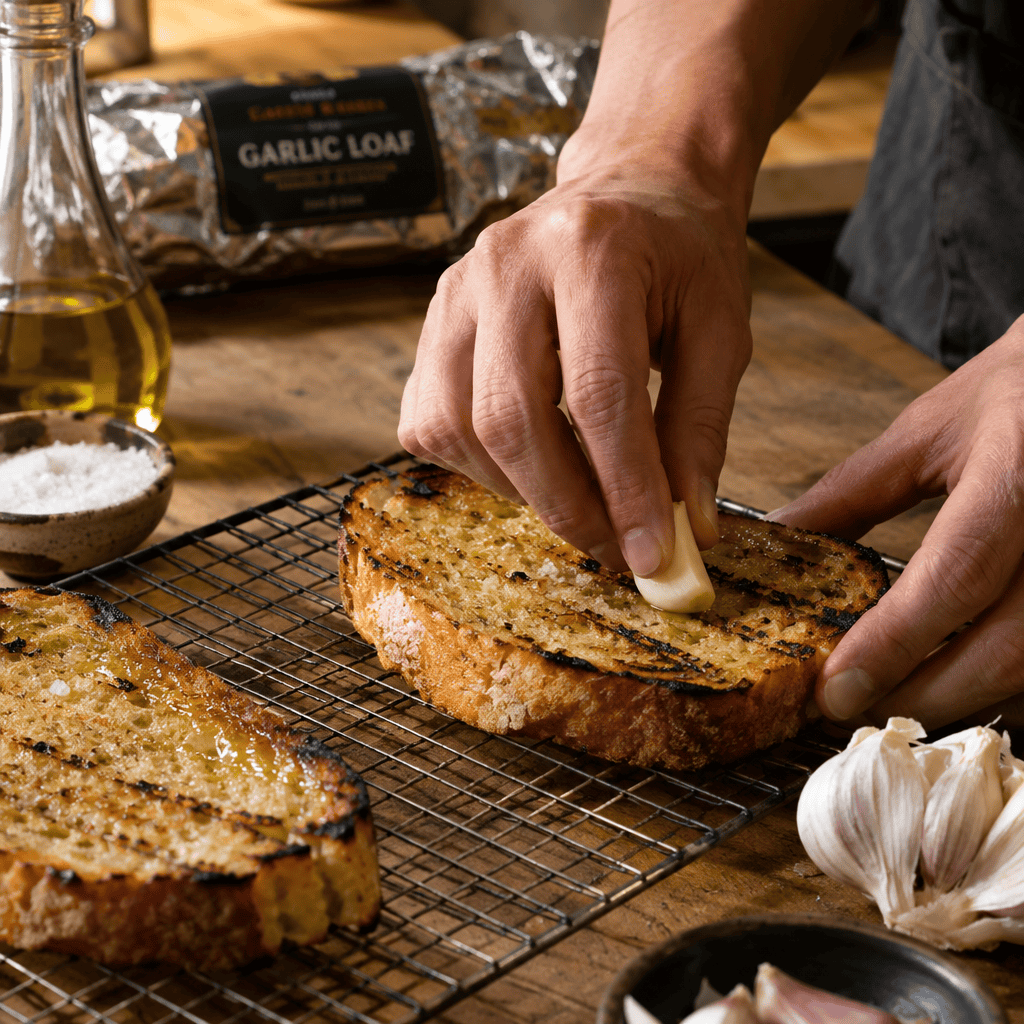
Freezer aisle, 1970s, wrapped in foil, somehow both soggy and dry.
Bruschetta is grilled or broiled bread, rubbed hard with a raw garlic clove while it’s still hot, then good oil and coarse salt. The bread’s rough surface grates the clove down to nothing.
Same five minutes. Completely different food.
21. Letting the garlic burn in the pan
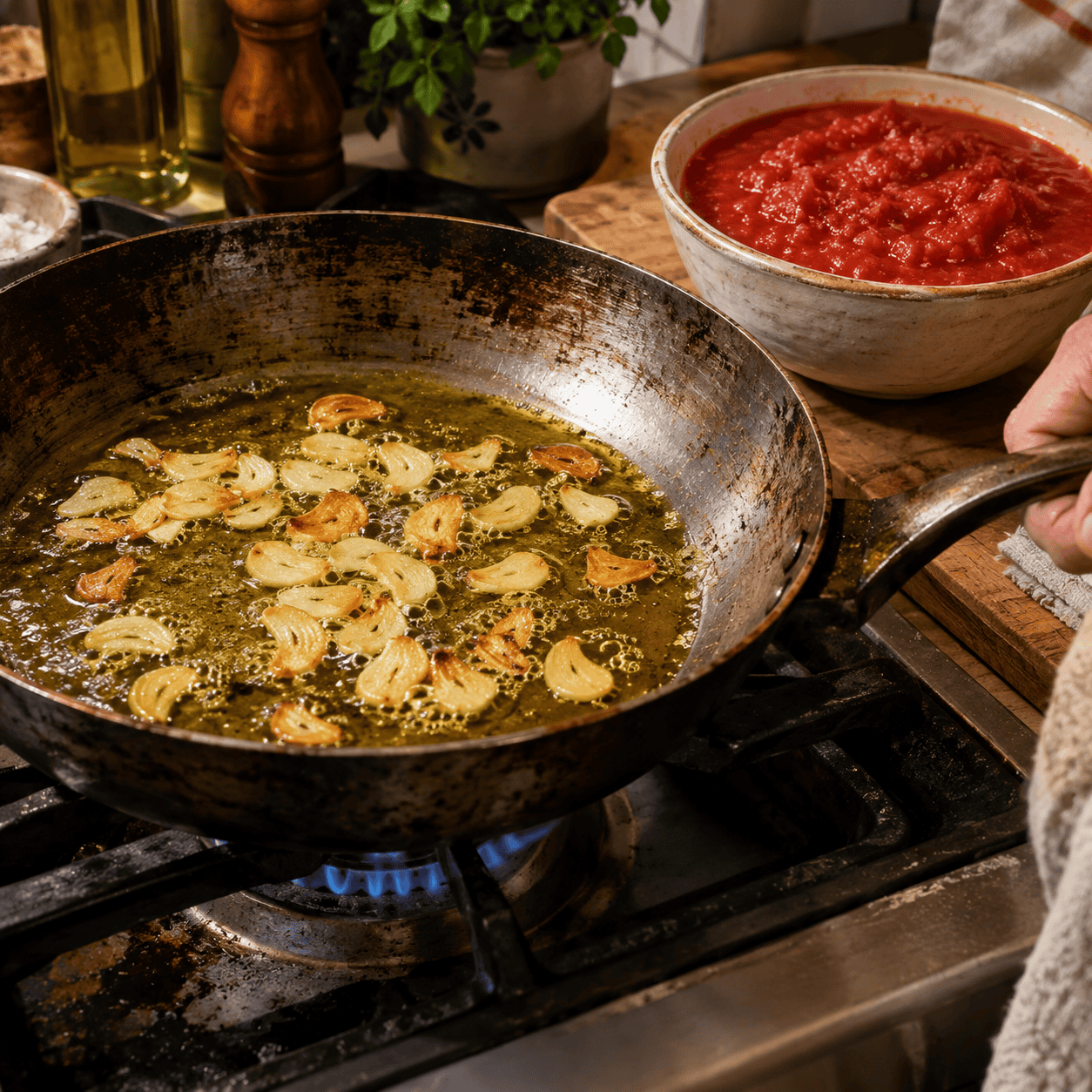
Thirty seconds. That’s the entire window, and once it’s brown the bitterness is in the oil and the oil is in everything.
The sequence Nonna used: cold oil in a cold pan, garlic in, heat on low, and the moment the kitchen smells sweet the tomatoes go in to stop it.
Most people start with a ripping-hot pan because that’s how they were taught to cook everything else.
Garlic isn’t a steak. Go slow.
22. Bagged pre-shredded mozzarella on the pizza
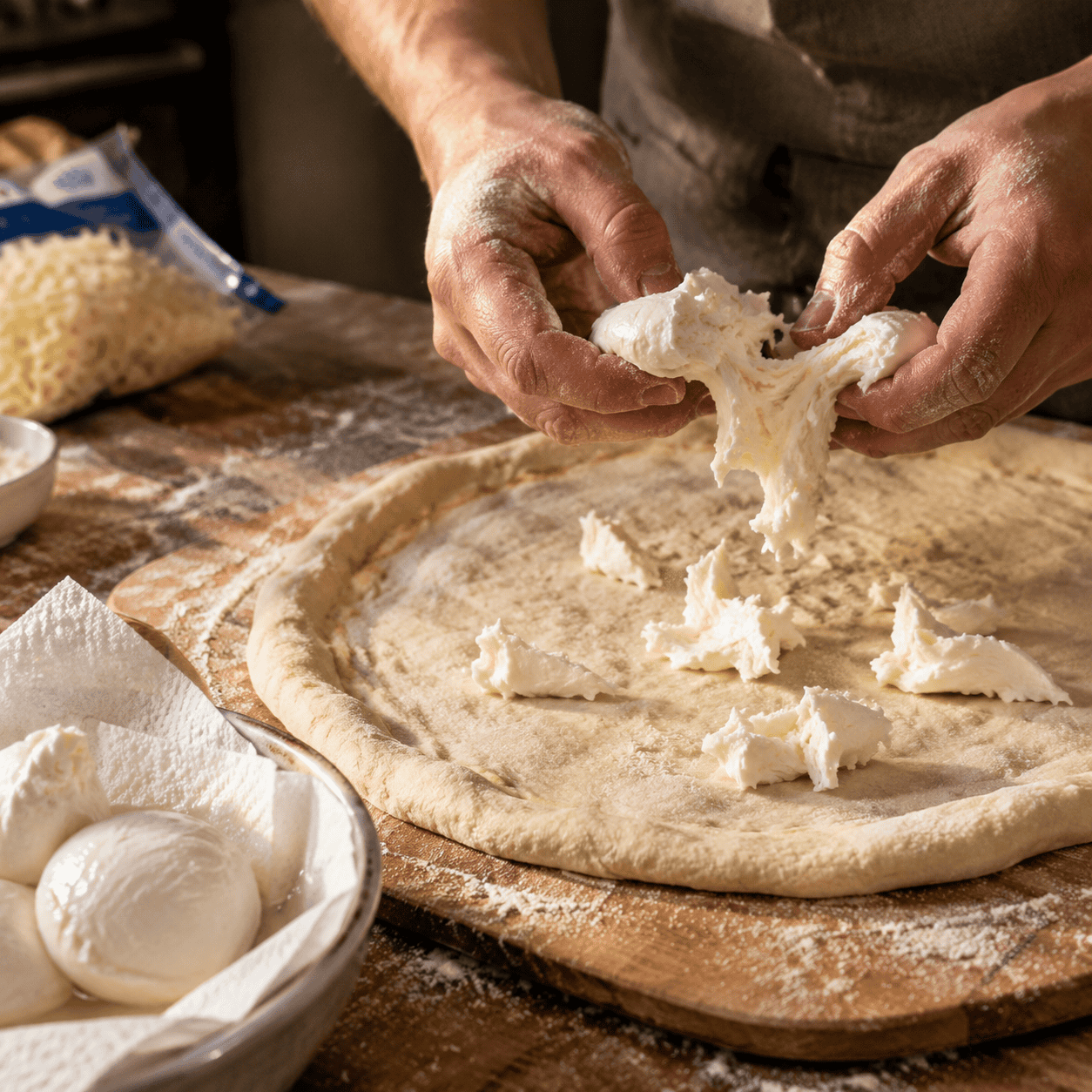
Flip the bag over. Cellulose, or potato starch, or both — anti-caking powder so the shreds don’t clump in the bag.
That powder is exactly why it melts greasy and grainy instead of pulling into strings.
Tear fresh mozzarella by hand, and drain it first — set it on paper towels for twenty minutes or you’ll flood the crust.
Soggy center, puddle in the middle, everyone blames the oven.
23. Loading the pizza with eight toppings
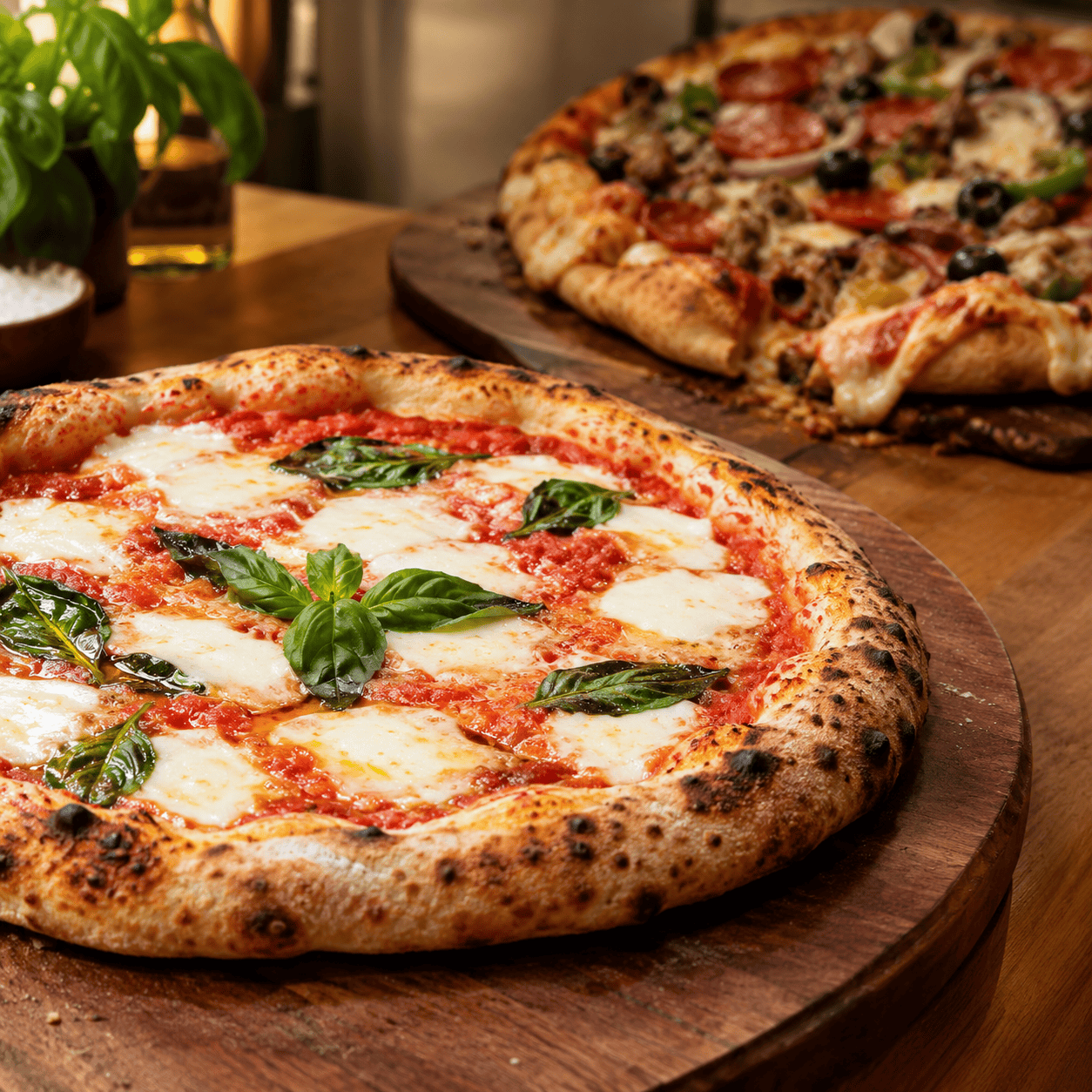
A margherita has three things over the sauce because the dough is the point.
Pile on eight and the pie steams instead of crisping — all that moisture has to go somewhere and it goes straight down into the crust.
Neapolitan pizza-making is recognized by UNESCO as an intangible cultural heritage craft, which tells you how much of the skill lives in the dough and the fire rather than the pile on top.
Pick two toppings. Three if one of them is basil.
24. Skipping the soffritto
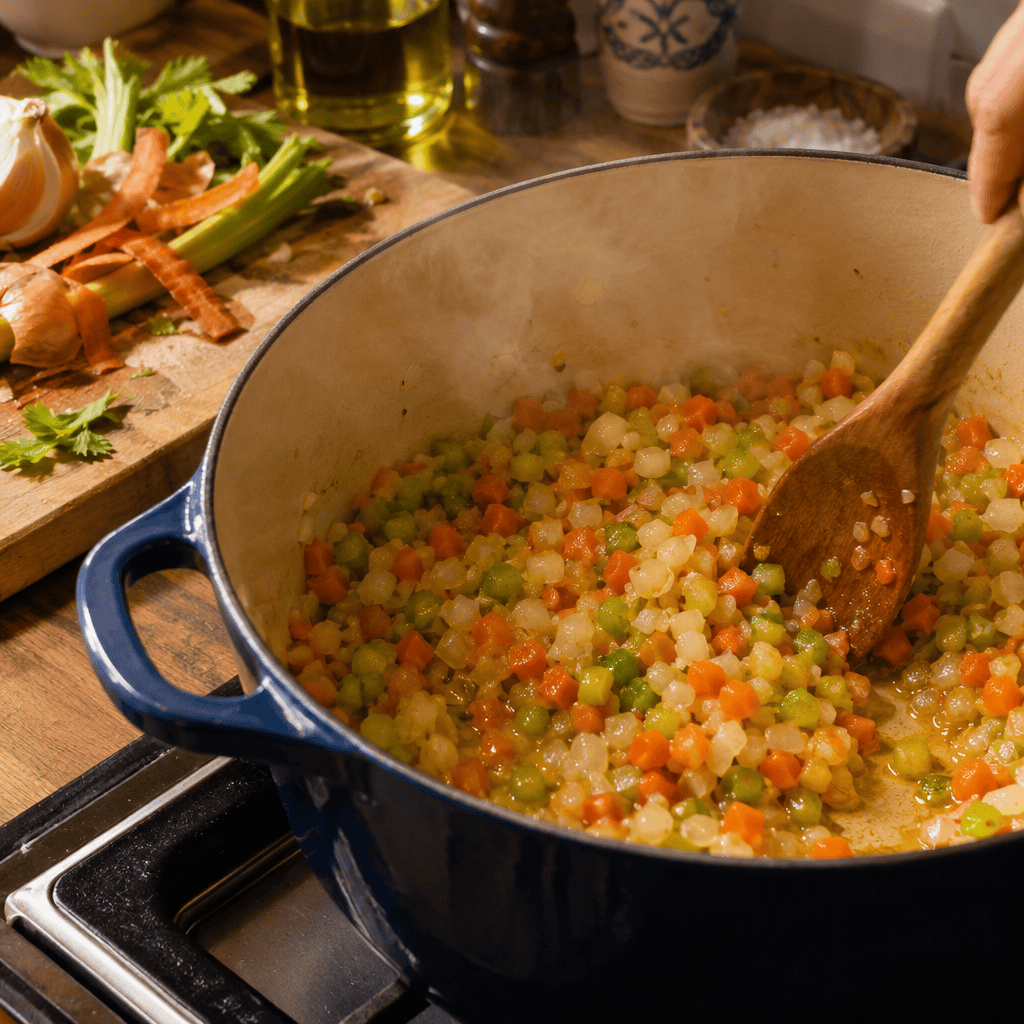
Onion, carrot, celery, diced small, cooked slow in fat until everything collapses and goes sweet. Ten, fifteen minutes.
It’s underneath ragù, minestrone, lentils, most braises — the reason a sauce tastes layered instead of sharp and flat.
Dump raw aromatics in with the tomatoes and you skipped the part that mattered. The soffritto on the site is the base Nonna started almost everything with, usually before anybody else was awake.
25. Cooking with bottled “cooking wine”
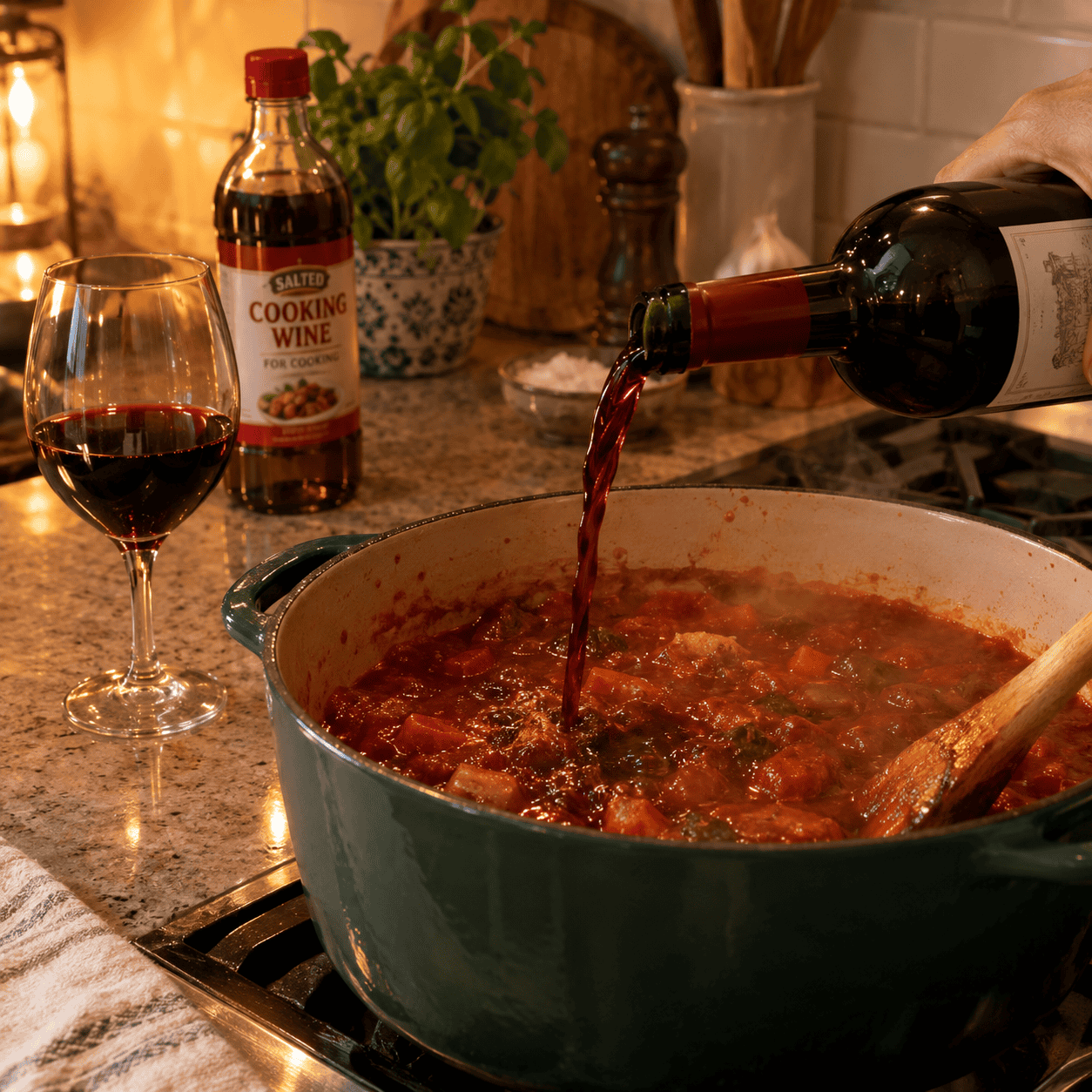
Read the label on that stuff. It’s wine plus a startling amount of salt plus preservatives, formulated so it doesn’t need refrigeration and so it can be sold to anyone, anywhere.
It tastes like what it is.
The rule is one sentence: if you wouldn’t drink a glass of it, it doesn’t go in the pot. Nonna cooked with whatever was already open on the table, which also happens to be the cheapest possible answer.
26. Rinsing the risotto rice (and dumping the broth in all at once)
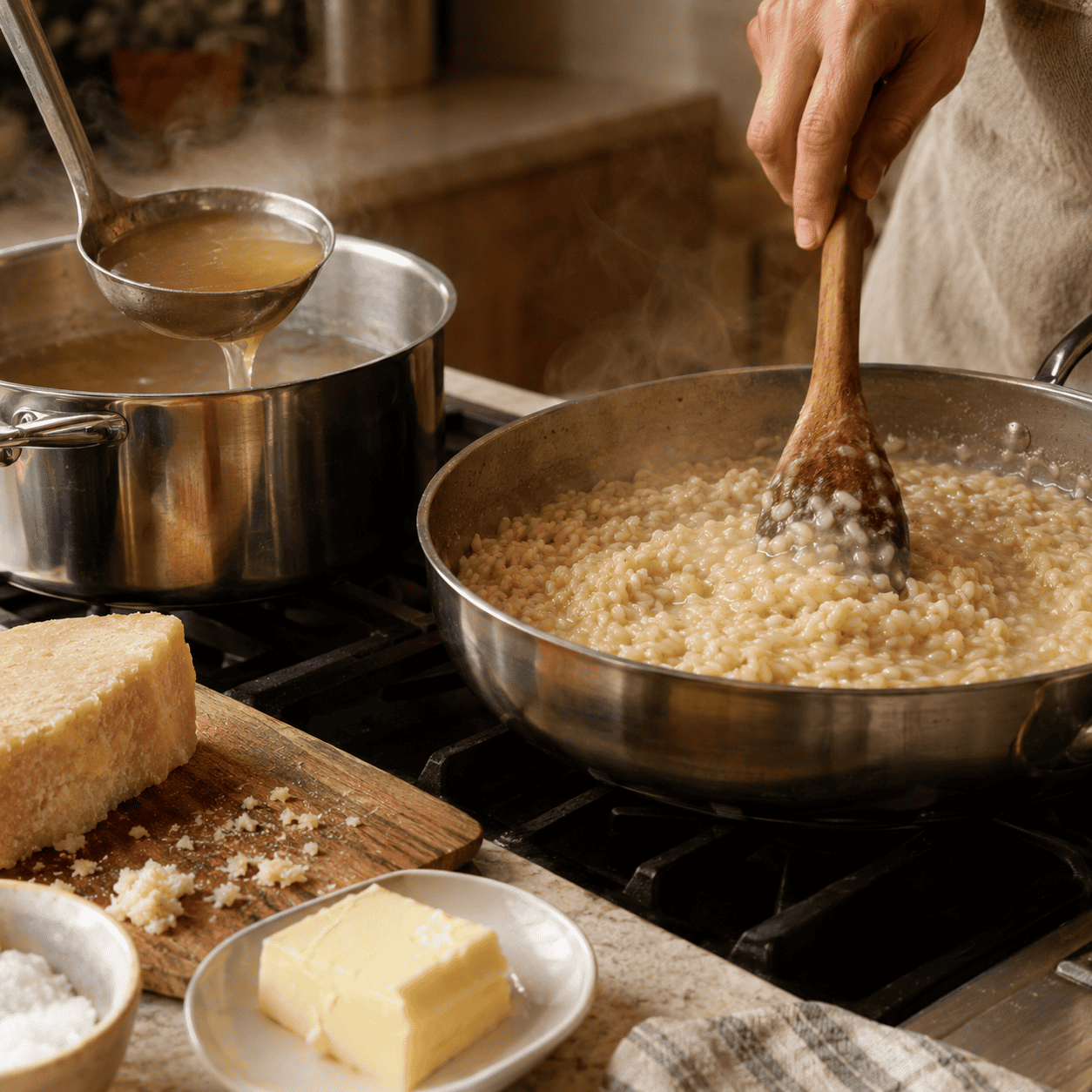
Arborio and carnaroli are prized for the starch on the outside of the grain. Rinse it and you’ve washed the creaminess down the drain before you started.
Cold broth poured in all at once does the same damage from the other direction — it stops the slow release that builds the texture over eighteen minutes of stirring.
Keep the broth hot in a second pot. Add a ladle, stir, wait for it to disappear, repeat.
And the finish is not optional. Off the heat, cold butter and grated Parmigiano beaten in hard until the whole thing loosens and shines — the mantecatura. Skip it and you made rice soup.
27. Using pale winter tomatoes for sauce
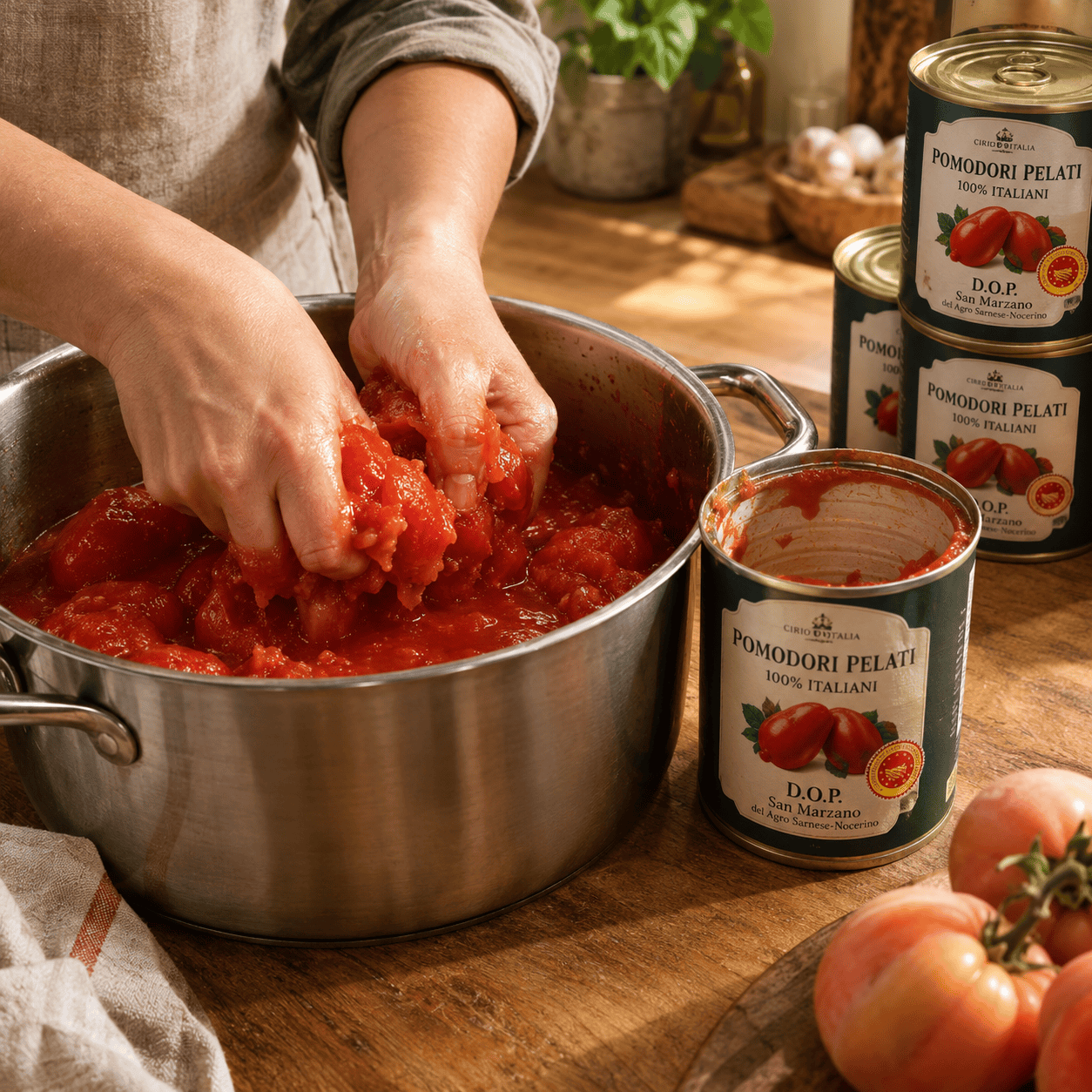
A January slicing tomato has nothing to give. It’s pink, it’s mealy, it was picked green in a warehouse state and gassed into color on a truck.
Good canned whole tomatoes were picked ripe in August and packed within hours. That’s why every Italian home kitchen keeps tins stacked in the pantry all year and nobody thinks of it as a compromise.
This is also the honest answer to the sugar problem from earlier on this list. Fix the tomato and you won’t need the sugar.
How to read a tin: look for “Pomodoro San Marzano dell’Agro Sarnese-Nocerino DOP” spelled out in full, with the consortium seal and a certification number printed right on the label. “San Marzano style” means nothing at all — the name alone is unprotected marketing.
Buy whole peeled, not crushed, not diced. Diced tomatoes are treated with calcium chloride so the cubes hold their shape, which is also why they never break down into sauce. Crush the whole ones with your hand in the pot; it takes thirty seconds and your sauce will have texture instead of grit.
Check the ingredient list too. It should read tomatoes, tomato puree, basil, salt. Citric acid is fine; anything longer than that and you’re buying filler.
Nonna wasn’t loyal to one brand. She was loyal to whichever tin was packed in Campania and on sale, and she bought twelve.
28. “Italian seasoning” out of one jar
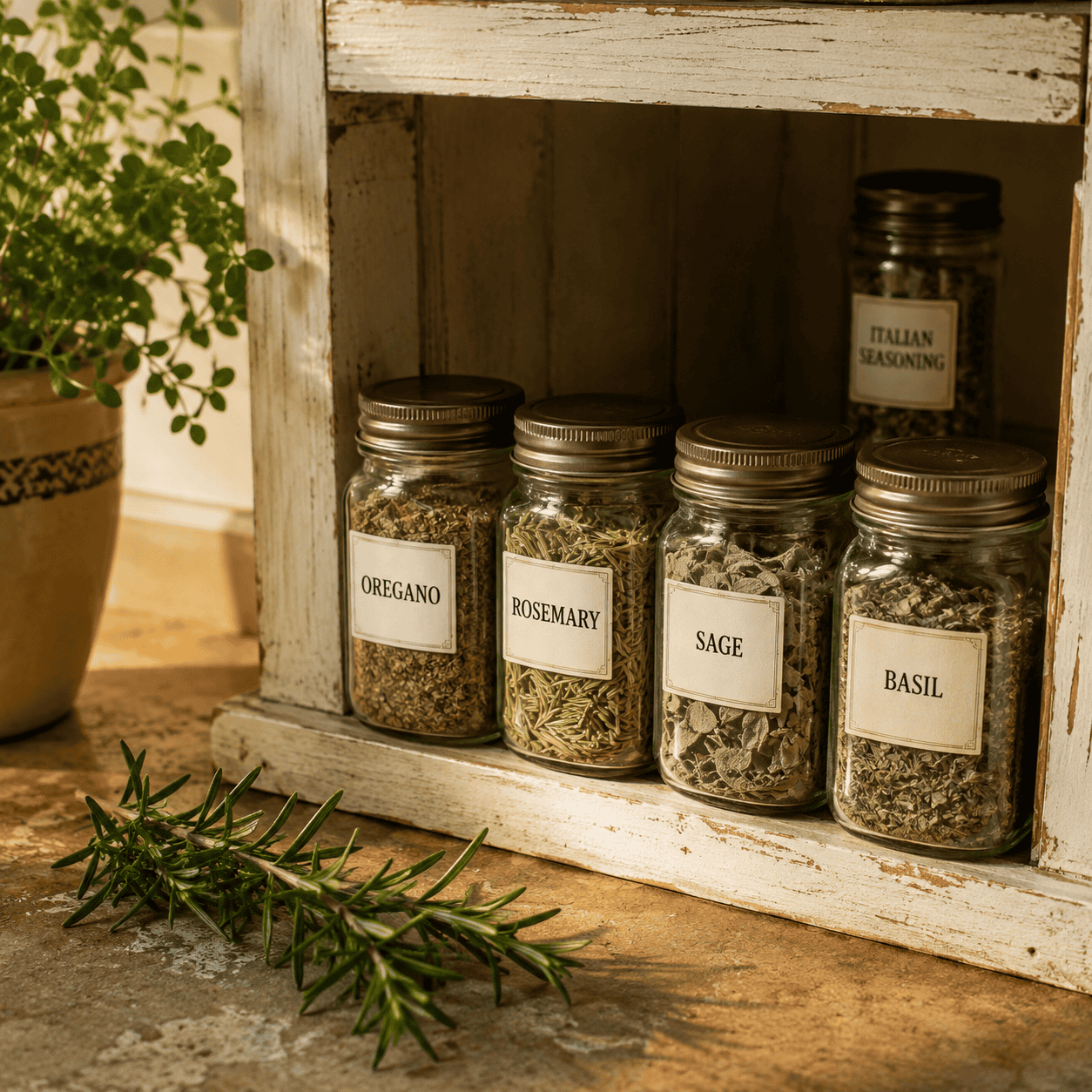
There’s no such blend in Italy, because the herbs have jobs.
Basil belongs with tomato. Rosemary goes on pork and potatoes. Oregano is pizza and the south, dried not fresh. Sage sits in browned butter and nowhere else.
Shake them all in together and they cancel each other out — and worse, every dish you make starts tasting like the same dish.
Four small jars. That’s all you need, and they cost less than the blend.
29. Drowning the caprese in thick balsamic glaze
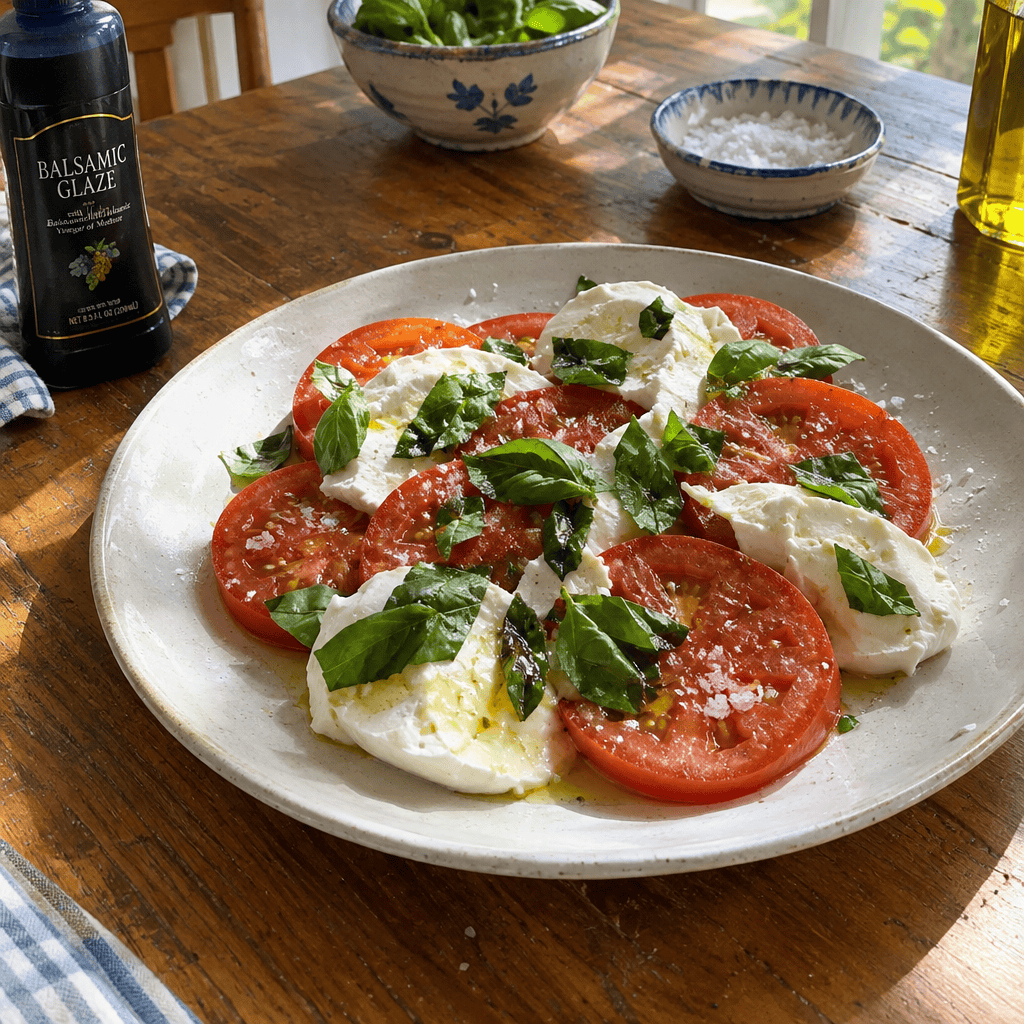
Tomato, mozzarella, basil, salt, olive oil. Five things, and three of them better be good.
The squeeze-bottle glaze showed up in the 2000s and now it’s zigzagged over everything like a dessert plate at a hotel brunch.
Real aged balsamic from Modena takes twelve to twenty-five years in a series of wooden barrels and gets used a drop at a time, off a tiny spoon, usually over cheese or strawberries. It costs what a decent bottle of wine costs.
What you’re squeezing is caramel and thickener. Leave it off and let the tomato talk.
30. Serving the pasta as a side dish next to the meat
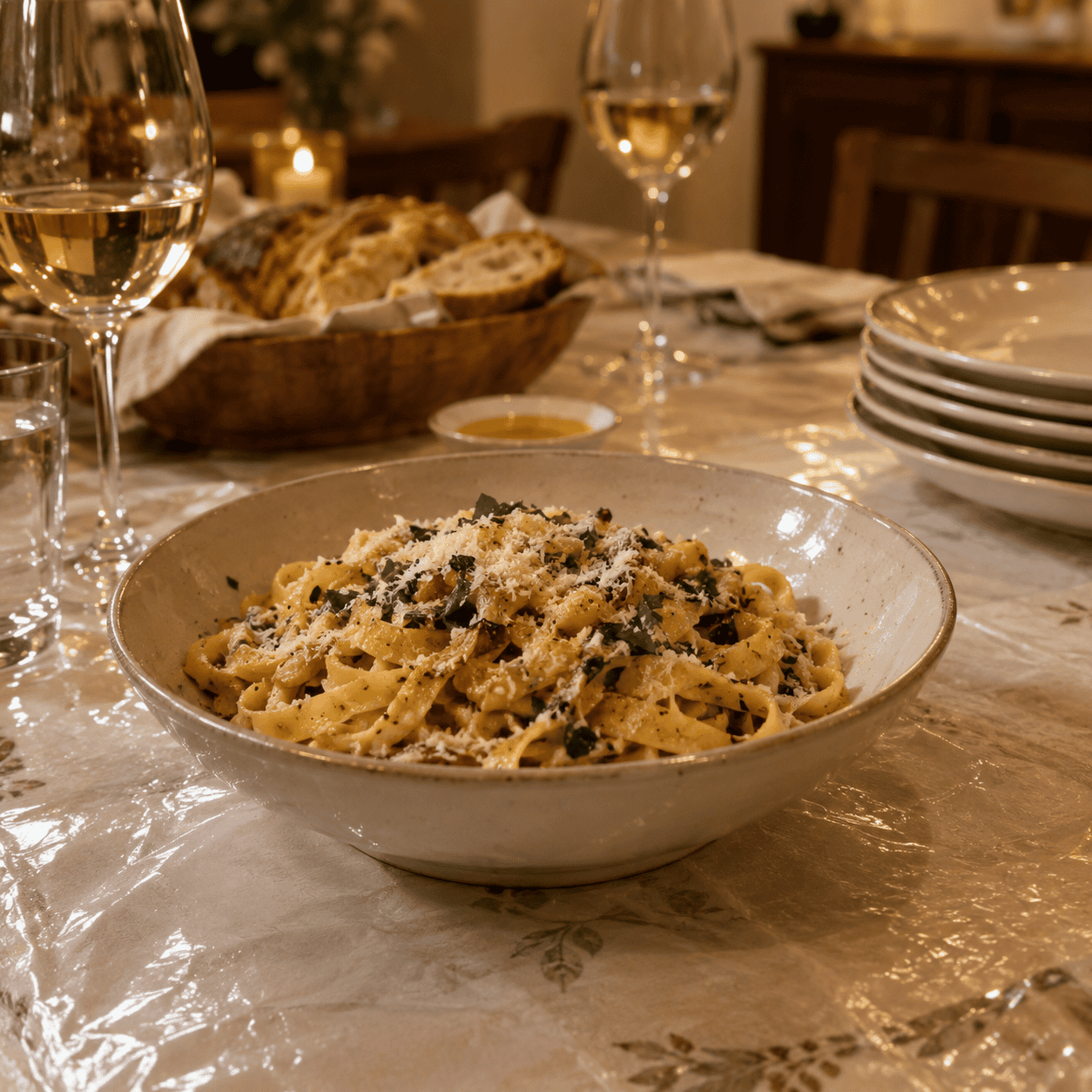
Italian meals go in order. Pasta is the primo and it gets its own course, its own plate, its own moment of silence while everyone eats.
Then the secondo arrives — the meat or fish — with a vegetable contorno beside it.
The crowded American plate with spaghetti shoved up against a chicken breast would have confused my grandmother more than offended her. Here’s how the two structures line up:
| Italian table | American table | |
|---|---|---|
| First | Antipasto, small | Big tossed salad |
| Second | Pasta alone, own plate | Everything at once |
| Third | Meat with vegetable | — |
| Salad | After the meat | Before the meal |
| Portion size | Small, many courses | Large, one plate |
You don’t need four courses on a Tuesday. But for a holiday table, serving the pasta by itself buys you twenty minutes of breathing room in the kitchen — which is probably why the structure exists at all.
31. Cutting the spaghetti with a knife (or twirling it against a spoon)
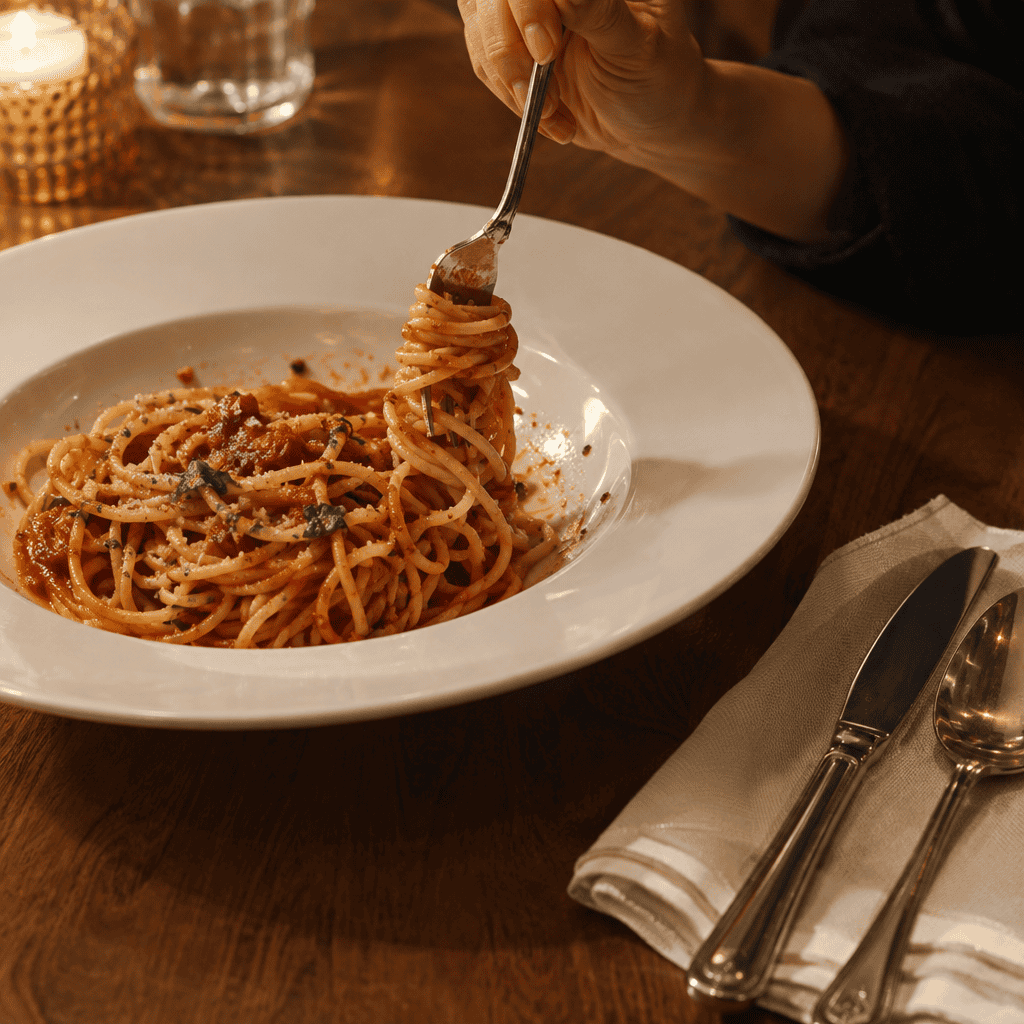
Fork against the curve of the plate. That’s it.
The spoon is a tourist tell — in Italy it’s something you might hand a four-year-old. The knife is a declaration of war.
My uncle cut his spaghetti exactly once at Nonna’s table, at thirty-one years old, married, with a job.
She didn’t say a word. She just took the knife.
32. Throwing out the stale bread
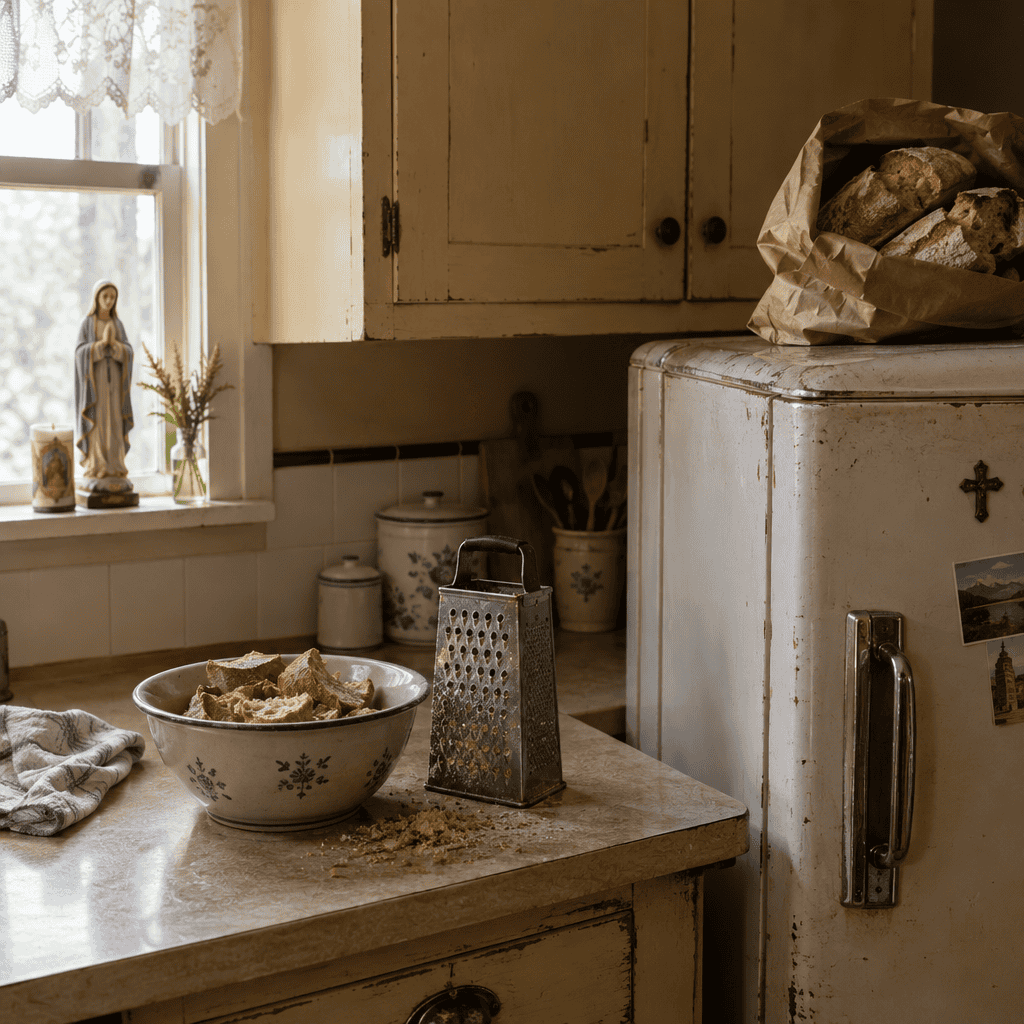
Hard bread wasn’t a failure in that house. It was an ingredient she’d been waiting on.
It became pangrattato toasted in oil and showered over pasta where cheese wasn’t allowed. It became panzanella in August, ribollita in February, the binder in every meatball, the crumbs on top of the baked ziti.
Cucina povera means you turn the thing you don’t have into a dish.
There was a paper bag on top of the refrigerator and nobody was allowed to touch it.
33. Clearing the bread basket before the food arrives
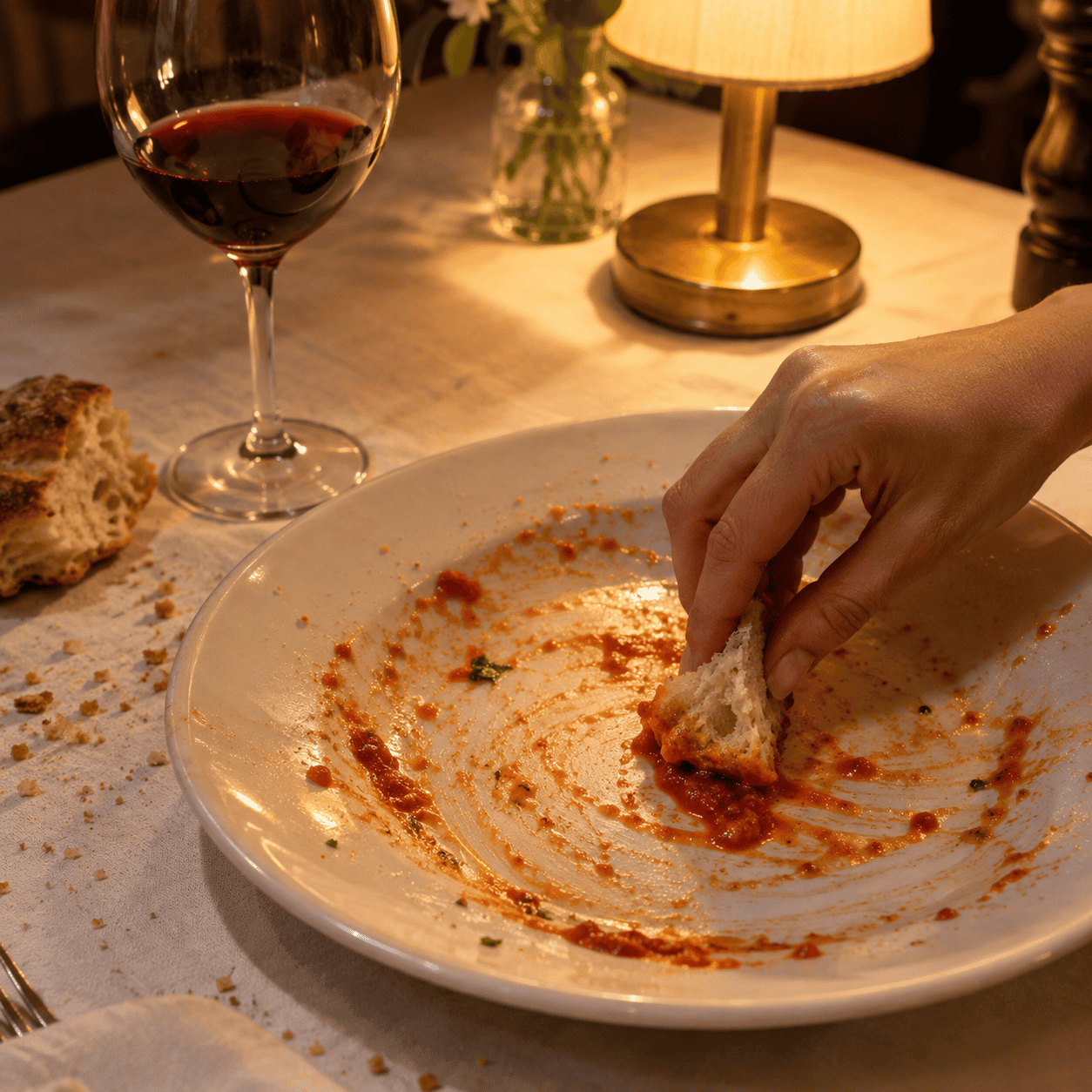
Bread in Italy is for during and after, not before. The waiter brings it because it belongs with the meal, not because it’s an appetizer.
The whole point is the end — dragging a torn piece through what’s left of the sauce until the plate is clean. It has a name. Fare la scarpetta, “make the little shoe,” and watching a table of Italians do it in unison is one of my favorite things in the world.
Tasting Table calls the demolished bread basket the rule Americans break most reliably.
Save two pieces. You’ll want them.
34. Scraping the leftover pasta into the trash
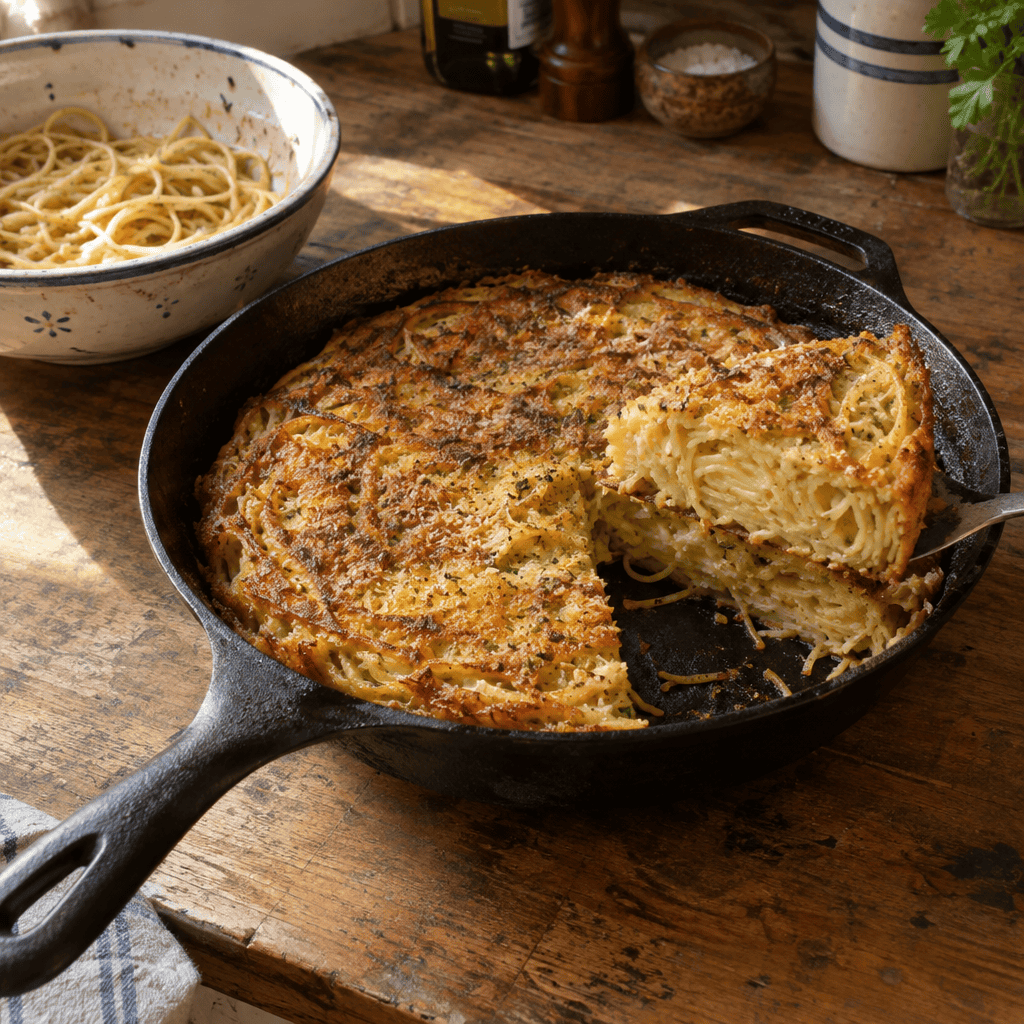
This is the one that actually hurts.
Cold spaghetti bound with beaten egg and a fistful of cheese, pressed into a hot oiled skillet and crisped on both sides until it comes out like a golden cake — frittata di pasta. It’s a real dish with a long history, not a hack, and it was packed in foil for beach days down the shore and sent to school in lunch bags.
You cut it in wedges. It’s better cold the next day than it was hot.
In her kitchen nothing was ever leftovers. Everything was tomorrow.
35. Butter-and-ketchup noodles
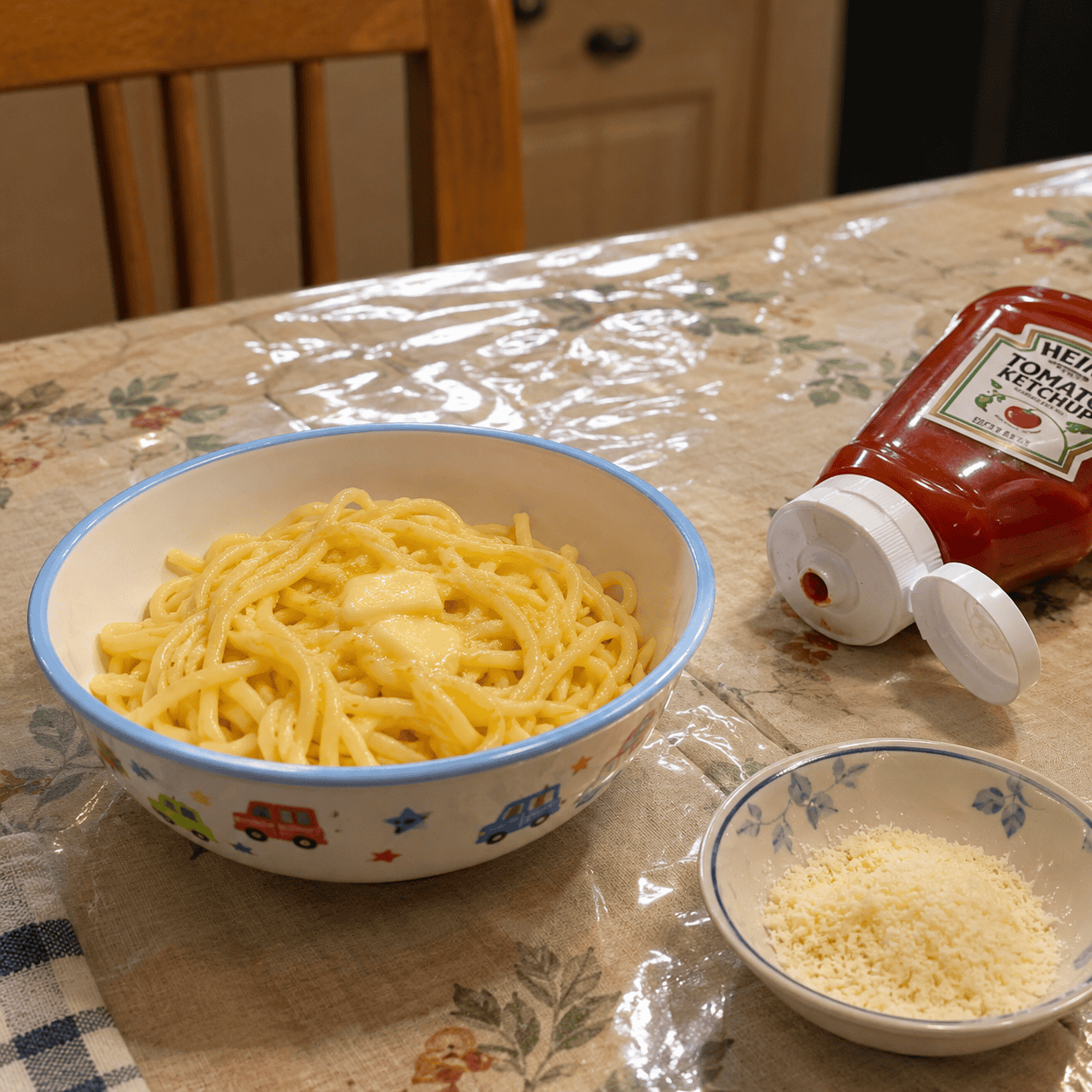
Somebody’s kid is eating this right now and somebody’s grandmother is feeling a disturbance she can’t explain.
I’m not going to pretend I never made it. Two kids, a Tuesday, a long day.
But butter and a little grated cheese takes the same thirty seconds and tastes like food. Try that first.
36. Instant polenta in three minutes
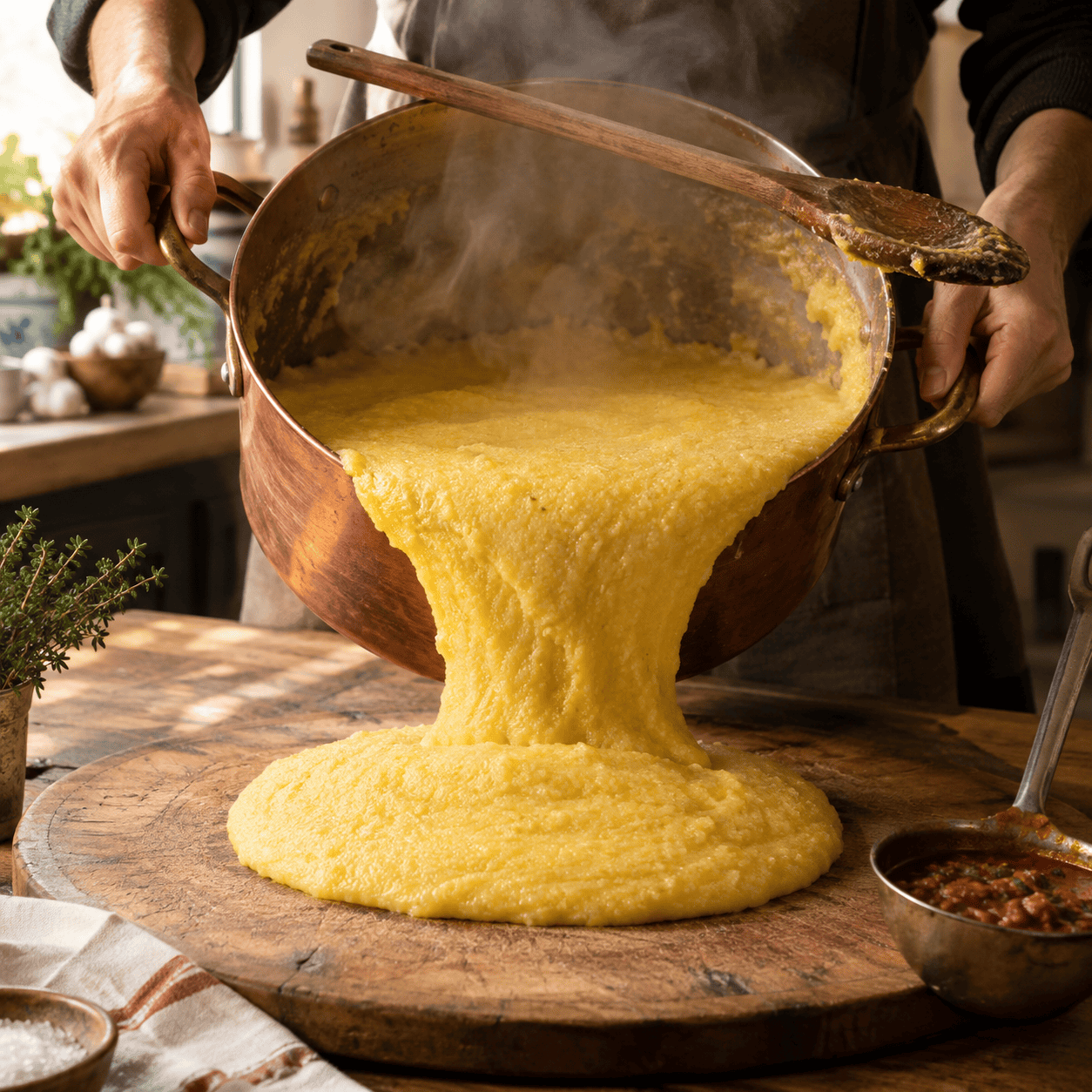
Real polenta is forty-five minutes of stirring with a long wooden spoon and a lot of complaining.
In my grandmother’s village it got poured out onto a wooden board in the middle of the table, smoothed flat, sauced, and everyone ate toward the center from their own edge. No plates.
The instant stuff is fine on a weeknight and I keep a box. But do the long version once in your life, with somebody to take over when your arm gives out.
That’s half the dish.
37. Ordering a “pepperoni” pizza in Italy
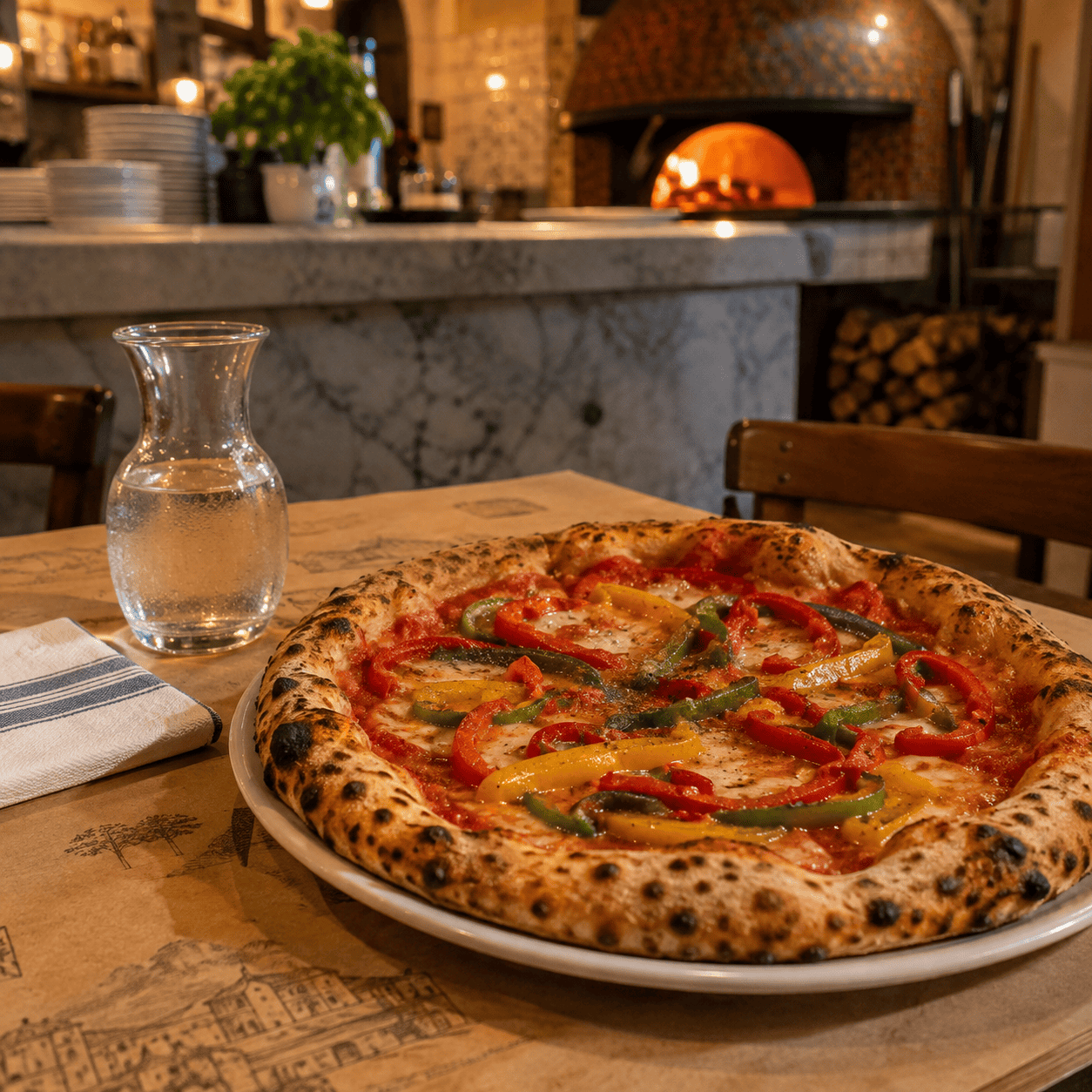
Peperoni means bell peppers. You will get bell peppers.
I watched a man in Naples receive one and stare at it like it had insulted his mother. The waiter was delighted.
If you want the spicy sausage, ask for salame piccante. And if the pizza comes with peppers anyway, eat it — it’s good.
Not one of these is unforgivable. Nonna fed people who did all of it, because feeding you mattered more to her than being right about you.
But she noticed. She always noticed, and the correction came three Sundays later disguised as a demonstration.
Keep the cup of pasta water. Keep the rind, keep the hard bread, keep the leftover spaghetti. Those three habits alone will make you cook more like her than any recipe will.
And if you’ve been snapping the spaghetti this whole time — nobody has to know you stopped.
Buon appetito,
Madeline