26 Things Sicilians Eat That the Rest of Italy Argues About
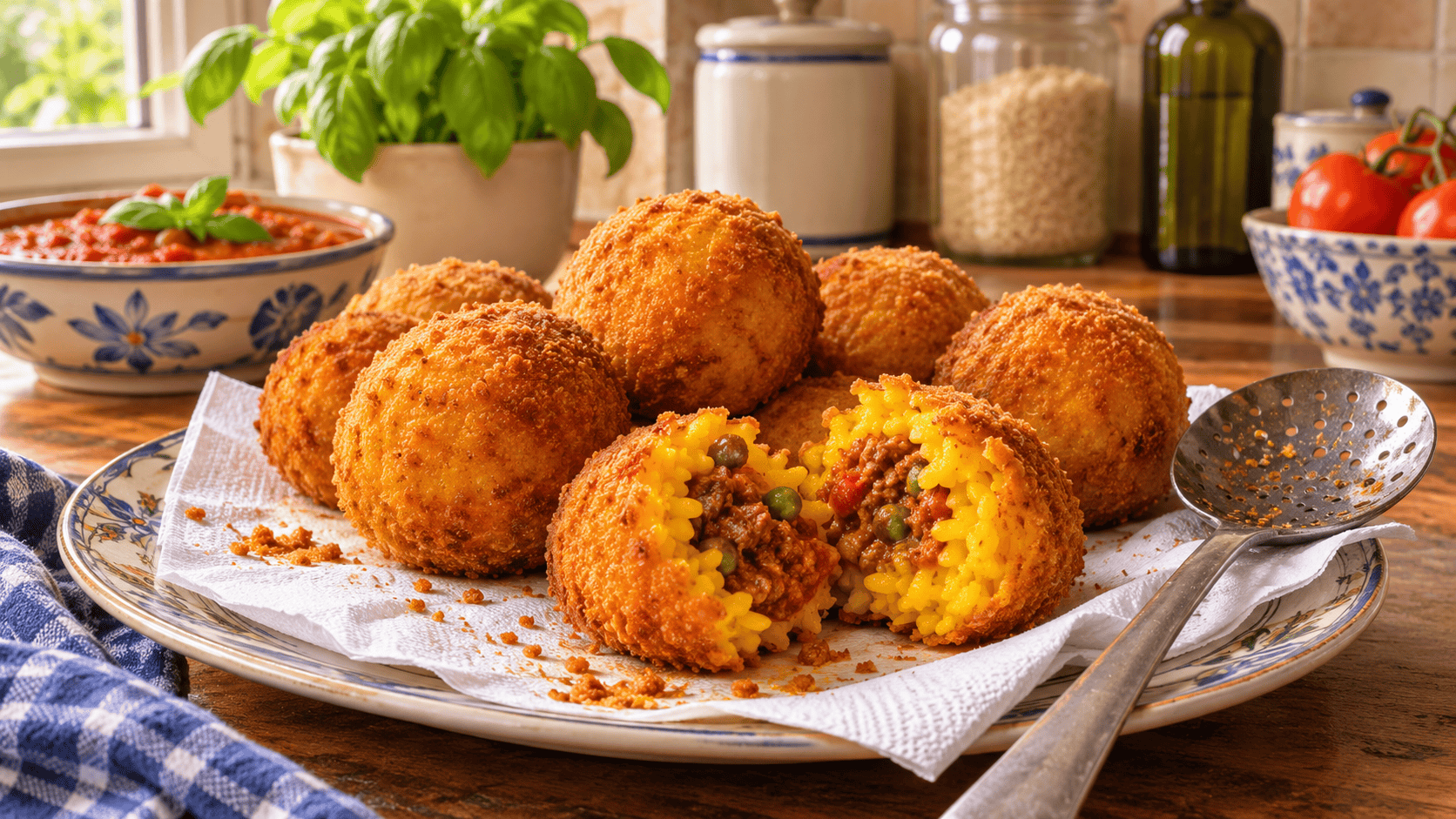
My Nonna Pina is from a town outside Palermo, and she has never once pretended that makes her the same as a woman from Bologna.
She says it the way other people announce a political party. Sicilian. Full stop.
I grew up on a chair next to her stove in a rowhouse outside Philadelphia, learning that raisins belong in pasta, that breadcrumbs are a topping and not a punishment, and that ice cream can legally be breakfast if it’s inside a bun.
Then I got older, made Italian friends from other regions, and discovered that half of what I thought was normal Italian food is, to a Milanese person, a dare.
Here are 26 things Sicilians eat that the rest of Italy still argues about, and that my Nonna will defend until the day she can’t hold a wooden spoon.
1. Granita and Brioche for Breakfast
Dessert before 9am, and nobody in Catania blinks.
Granita is semi-frozen, scraped into a cup, almond or coffee or lemon or black mulberry, and it arrives with a brioche col tuppo — a soft sweet bun with a little topknot. You tear the bun and dunk it.
Nonna’s version at home is a bowl of lemon ice she scrapes with a fork every half hour out of a metal pan, muttering about the texture the whole time.
Northern Italians hear “frozen dessert and a sweet roll, 8am, in July” and look at you like you’ve suggested beer with cereal. They drink an espresso standing up and consider that a meal.
I’ve done the granita breakfast in Taormina with Nonna beside me, both of us sweating before the church bells finished. Best thing I’ve ever eaten at that hour.
2. Arancini vs. Arancine (A War With Two Fronts)
Say the word wrong in the wrong city and you’ll find out fast.
In Palermo they’re arancine, feminine, round like a little orange. In Catania they’re arancini, masculine, often cone-shaped like Mount Etna. Same rice ball, same ragù or butter-and-ham filling, two camps that will not budge.
Nonna says arancine. When a friend from the Catania side of the island said arancini at her table, she repeated the word back to him slowly, like a hearing test.
Americans sidestep the whole thing by saying “rice balls,” which is somehow the most peaceful option available.
She still won’t let it go. Twelve years later she brings it up when his name comes up.
3. Caponata, Sweet and Sour
Vinegar and sugar in a vegetable dish makes some Italians genuinely suspicious.
Caponata is fried eggplant with celery, onion, olives, capers and tomato, finished with vinegar and a little sugar so it lands sweet-sour. That agrodolce move traces straight back to Arab cooking in medieval Sicily, which AramcoWorld lays out in detail.
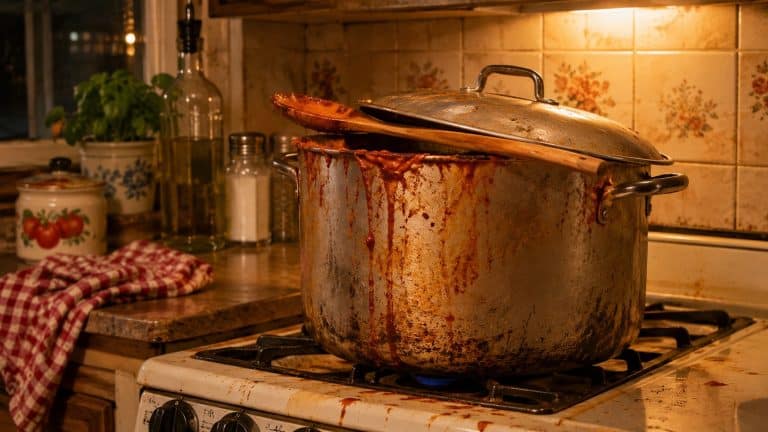
Nonna makes it in a battered aluminum pot the day before, always, because she says it tastes like nothing until it sits overnight. She’s right and I hate that she’s right.
Friends from Rome taste it and say “it’s like a relish?” with the exact tone you’d use for a stranger’s haircut. The caponata recipe on the site is close to hers, minus the pot.
4. Pasta con le Sarde (Raisins. In Pasta.)
Sardines, wild fennel, saffron, pine nuts, and golden raisins, all on bucatini.
People hear “raisins” and tap out before the fork gets near them. The raisins aren’t a garnish, they’re the whole argument: they soften the oily sardine and make it taste like something older than Italy.
Nonna soaks hers in warm water while she chops, then swears she can tell when somebody’s used the hard ones straight from the box.
Wild fennel is nearly impossible to find in a Philly supermarket, so she uses fennel fronds and a splash of the fennel cooking water and calls it “close enough for this country.”
If the sardines scare you, start with pasta with sardines and cherry tomatoes and work your way up to the raisins.
5. Breadcrumbs Instead of Cheese on Pasta
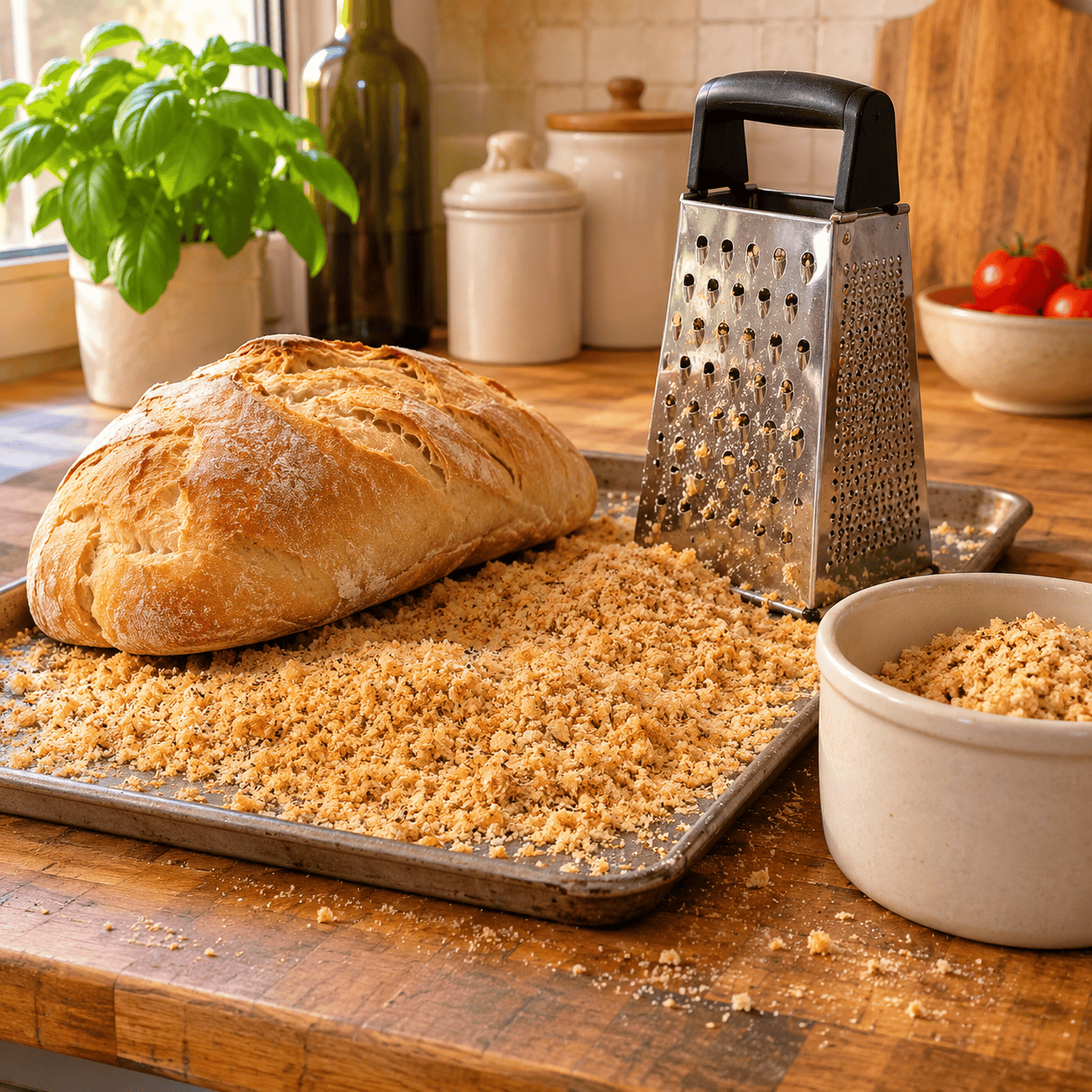
Toasted breadcrumbs go on seafood pasta. Cheese does not. Ever.
They’re called muddica atturrata, bread crumbs fried in olive oil until they’re the color of a paper bag, and they were the cheese of people who couldn’t afford cheese. Now they’re the point.
Nonna keeps hers in a Chock full o’Nuts can on the counter. The can has been there longer than I’ve been alive.
Offer a Sicilian grated pecorino over pasta with anchovies and watch the temperature of the room change. The rest of Italy agrees on the no-cheese-with-fish rule, mostly, but only Sicily made the replacement into a tradition with a name.
Crunch where you expect creaminess. It ruins you for the other way.
6. Cannoli Filled Only When You Order Them
A pre-filled cannolo is a soggy cannolo, and in Sicily that’s close to a moral failing.
Good bars keep the shells dry and pipe the sweetened sheep’s-milk ricotta in while you stand there. Thirty seconds of shelf life is the standard.
Nonna will not buy from a case where they’re sitting pretty on a doily. She asks, out loud, in a bakery, if they fill to order. I’ve learned to study the floor during this.
The other fight is the ricotta itself: sheep’s milk in Sicily, cow’s milk in most American bakeries, and chocolate chips in an amount she describes as “a cry for help.”
Candied orange on the ends, pistachio in Bronte, and no vanilla pudding anywhere near it.
7. Cassata (The Cake People Argue Is Too Much)
Green marzipan, candied fruit, sweetened ricotta, sponge soaked in liqueur, and a glaze like a wedding dress.
Mainland Italians call it gaudy. Sicilians call it Easter. The cake has been around for centuries and went through a dozen versions before landing on the baroque one we know, which Gambero Rosso traces properly.
Nonna buys one every spring from a bakery in South Philly and complains about the price the entire drive home, then eats two slices.
I tried making one in my apartment with a secondhand springform. The marzipan tore, the glaze ran onto the floor, and I ate the failure with a spoon.
Nobody needs a full cassata. Everybody should see one once.
8. Pistachio on Absolutely Everything
Bronte pistachios grow on volcanic soil on Etna’s slopes and cost about what a decent steak costs.
So of course Sicilians put them in gelato, on cannoli, in pesto, crusted on swordfish, ground into granita, folded into mortadella sandwiches, and sprinkled over things that arguably didn’t need them.
The rest of Italy got there around 2015 and now puts pistachio cream on everything, which Nonna finds funny in a mean way.
She keeps a small bag in the freezer and rations it like currency. Three pistachios on a plate is a gesture. Thirty is a statement.
Watch a Sicilian see pre-chopped pistachios in a plastic shaker. Just watch.
9. Panelle (A Sandwich Made of Chickpea Fritters on Bread)
Carbs inside carbs, sold on a street corner, and nobody apologizes.
Panelle are thin chickpea-flour fritters, fried until they blister, stacked in a soft sesame roll with lemon and salt. Palermo street food at its most honest.
A friend from Turin watched me build one and said, “so it’s a bread sandwich.” Yes. That’s exactly what it is.
Nonna makes the batter in a saucepan, spreads it on the back of a dinner plate to set, then peels it off in squares. The plate method is older than any recipe card she owns.
Add a potato croquette to the same roll and you’ve got pane e panelle con crocchè, which is four starches and zero regrets.
10. Sfincione, the Pizza That Isn’t Pizza
Thick, spongy, dressed with onions, anchovy, tomato, oregano and breadcrumbs. Almost no mozzarella.
Neapolitans do not consider this pizza. Sicilians never said it was.
It gets a little caciocavallo tucked into the dough sometimes, but the top is breadcrumbs, which once again replaces the cheese a northern eye is looking for.
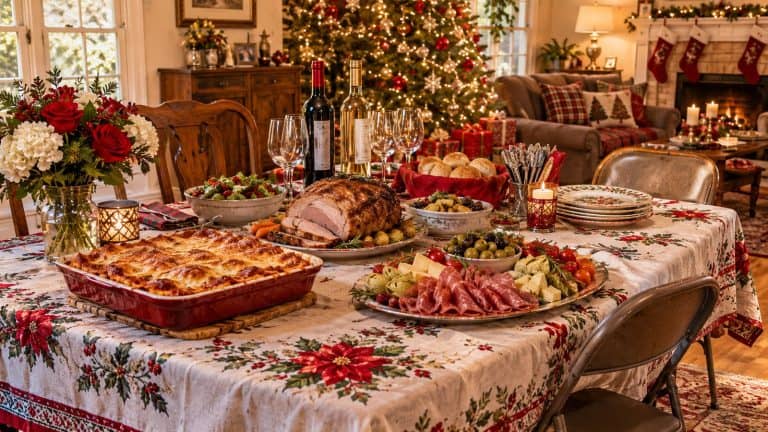
Nonna makes it in a dented sheet pan at Christmas, cut in squares, served room temperature on a tray with a dish towel over it. It’s one of the things on the table before the Seven Fishes even starts.
Cold sfincione the next morning, standing at the counter, is a real Sicilian-American breakfast and I’ll defend it.
11. Couscous in Trapani
Italian food with couscous in it sends people into a small crisis.
In Trapani, on the western coast, cuscusu is steamed by hand and served with a fish broth, and it has been for centuries thanks to the North African traffic across that stretch of water. San Vito Lo Capo throws a whole festival for it every September.
Nonna’s family wasn’t from Trapani, so she treats it as a neighbor’s dish — respected, slightly foreign, definitely Sicilian.
I made it once with a friend, rolling semolina with wet hands for an hour, and understood why people buy the box.
Tell a Roman that couscous is a traditional Italian dish. Bring a chair.
12. Swordfish Rolled, Stuffed and Grilled
Involtini di pesce spada: thin swordfish slices rolled around breadcrumbs, raisins, pine nuts and caciocavallo, skewered with bay leaves.
There’s cheese, there’s fish, there’s dried fruit, all in one bite. Three rules broken at once, and Sicily does it without flinching.
The fish comes from the Strait of Messina, where they used to hunt it from boats with a lookout mast and a harpoon.
Nonna buys swordfish only in summer and only if it looks right, which means she stares at the counter for four full minutes while the fish man waits.
Her rule: thin slices, hot grill, out before it dries. Swordfish forgives nothing.
13. Gelato Served Inside a Brioche
Ice cream sandwich, but the bread is sweet, soft and slightly warm.
You pick two flavors, they pack the bun, you eat it walking. In August this is lunch for a lot of people on the island and nobody treats it as a joke.
Milanese friends do a double take every time. A cone is dessert. A bun of gelato at 1pm is a lifestyle.
Nonna’s workaround in Philadelphia is a store-bought brioche roll, lightly toasted, filled with whatever’s in the freezer. The first time she handed one to my roommate, he asked what meal this was.
Pistachio and gelsi if you can find them. Otherwise pistachio and more pistachio.
14. Eggplant in Nearly Everything
Fried, stuffed, pickled, rolled, mashed into caponata, layered into parmigiana, cubed over pasta alla Norma.
The rest of Italy cooks eggplant. Sicily organizes around it.
Nonna salts hers in a colander in the sink with a plate and a can of tomatoes on top, which she calls “making it behave.” Modern eggplants are rarely bitter enough to need it. She does it anyway.
She fries in olive oil, not vegetable oil, and she’ll tell you the pan temperature by the sound.
Norma gets ricotta salata grated over the top, which is the one time salty cheese on a vegetable pasta is non-negotiable. The pasta alla Norma recipe here keeps the skin on, which is how she’d do it.
15. Sardines With Fennel and No Apology
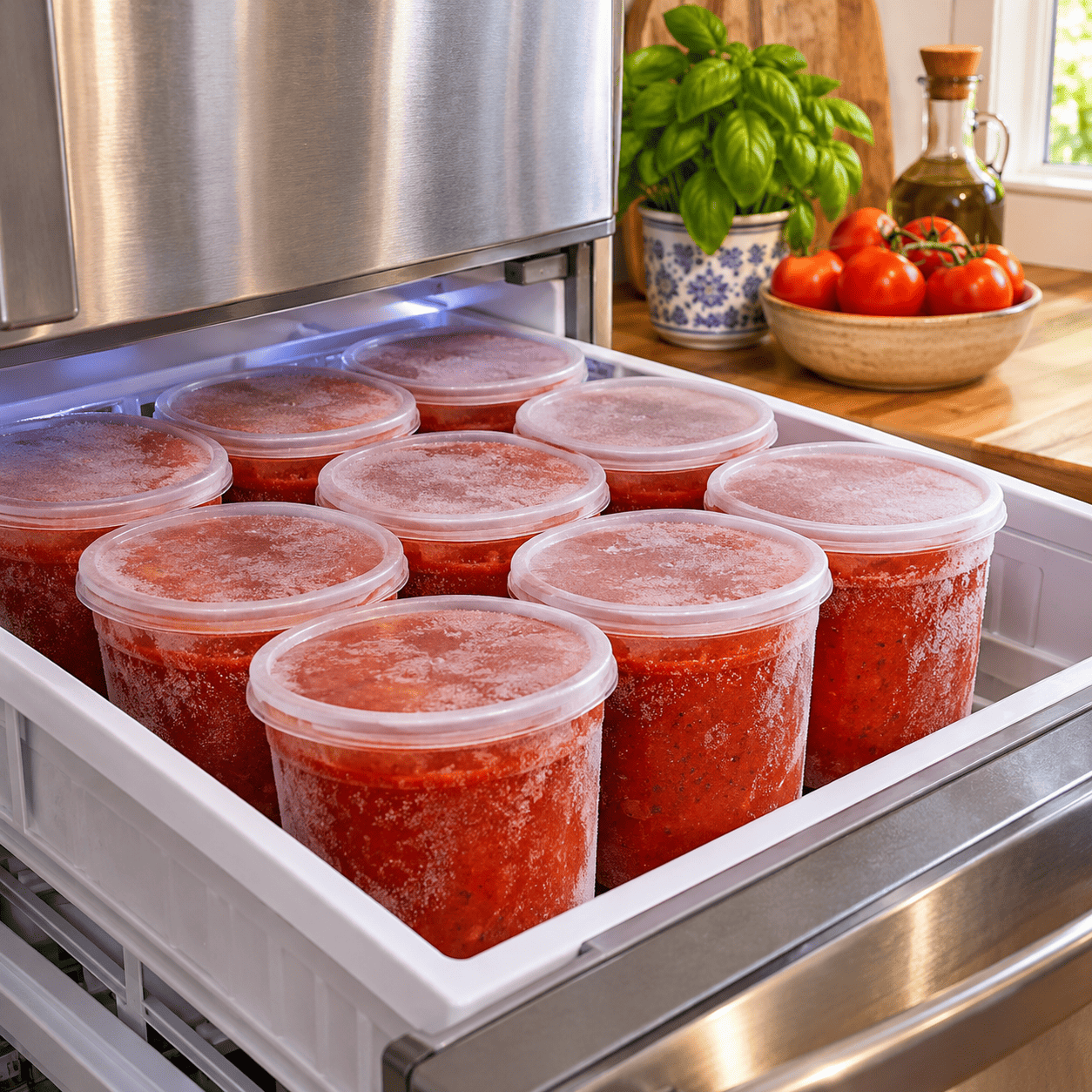
Oily blue fish, strong anise, and a crowd that thinks both are too loud.
Sarde a beccafico are sardines butterflied, stuffed with breadcrumbs, raisins and pine nuts, rolled and baked with bay leaves and orange juice. The name comes from a little bird Sicilian nobles used to eat; the poor made the same shape out of fish.
Nonna buys fresh sardines when the market has them and cleans them at the sink with her thumb, fast, talking the whole time.
My apartment smelled like the shore for two days after my first attempt. Worth it. Mostly.
Serve them room temperature with lemon. Hot sardines are a mistake you only make once.
16. Saint Joseph’s Day Zeppole and Fava Beans
March 19th, and the fava bean in your pocket matters as much as the pastry.
The story goes that fava beans saved Sicily during a famine, so St. Joseph gets credit and the bean became a lucky charm. Dried favas get blessed, carried, and tucked into wallets.
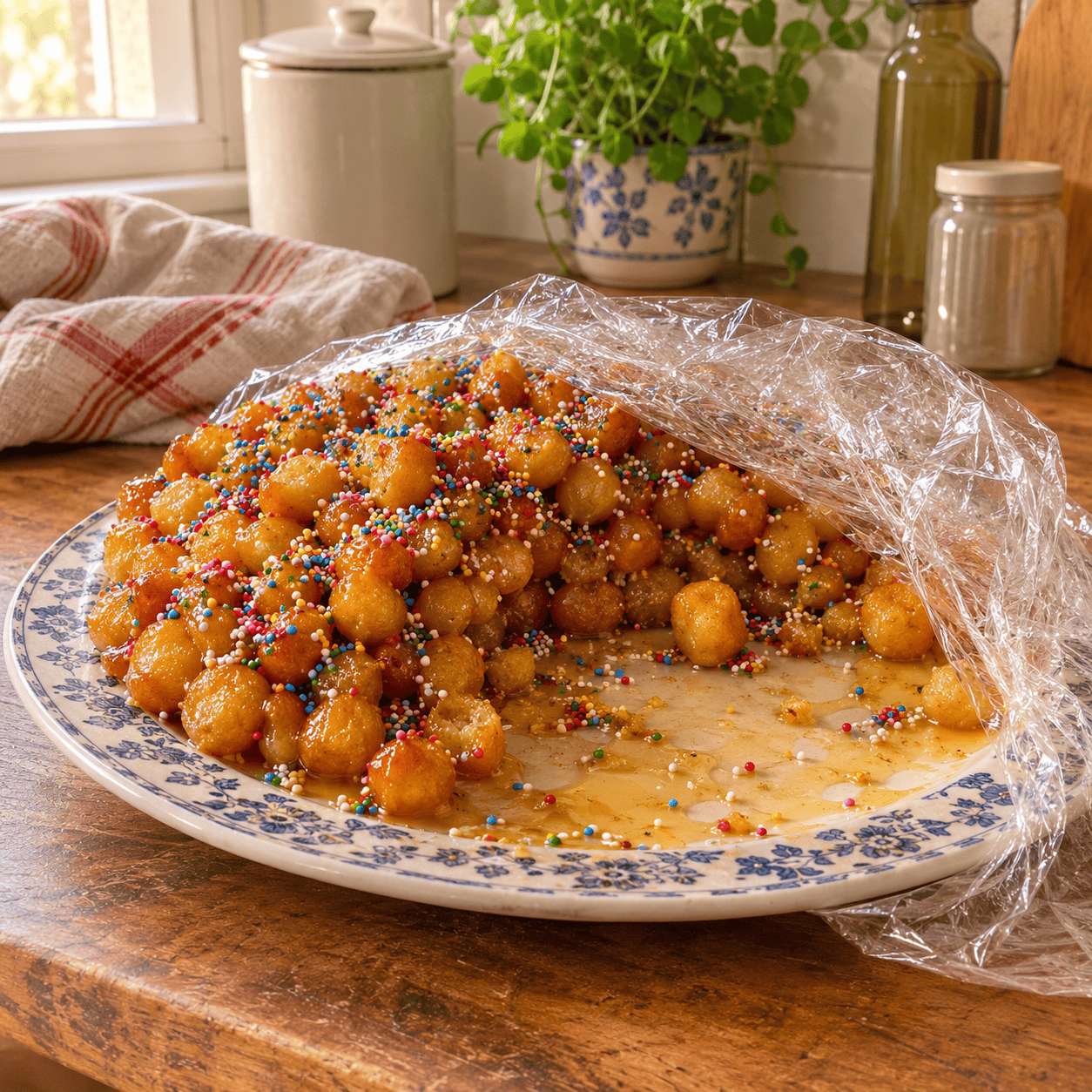
Nonna’s zeppole di San Giuseppe are cream-puff dough, filled with pastry cream, topped with an amarena cherry. Some families do ricotta instead and the room divides.
She also builds a small St. Joseph’s table with bread, and the breadcrumbs on the pasta that day stand in for sawdust from his workshop.
I still have a fava bean in a dish by my keys. I don’t fully know why. I’d never throw it out.
17. Pane Cunzato (Dressed Bread as a Full Meal)
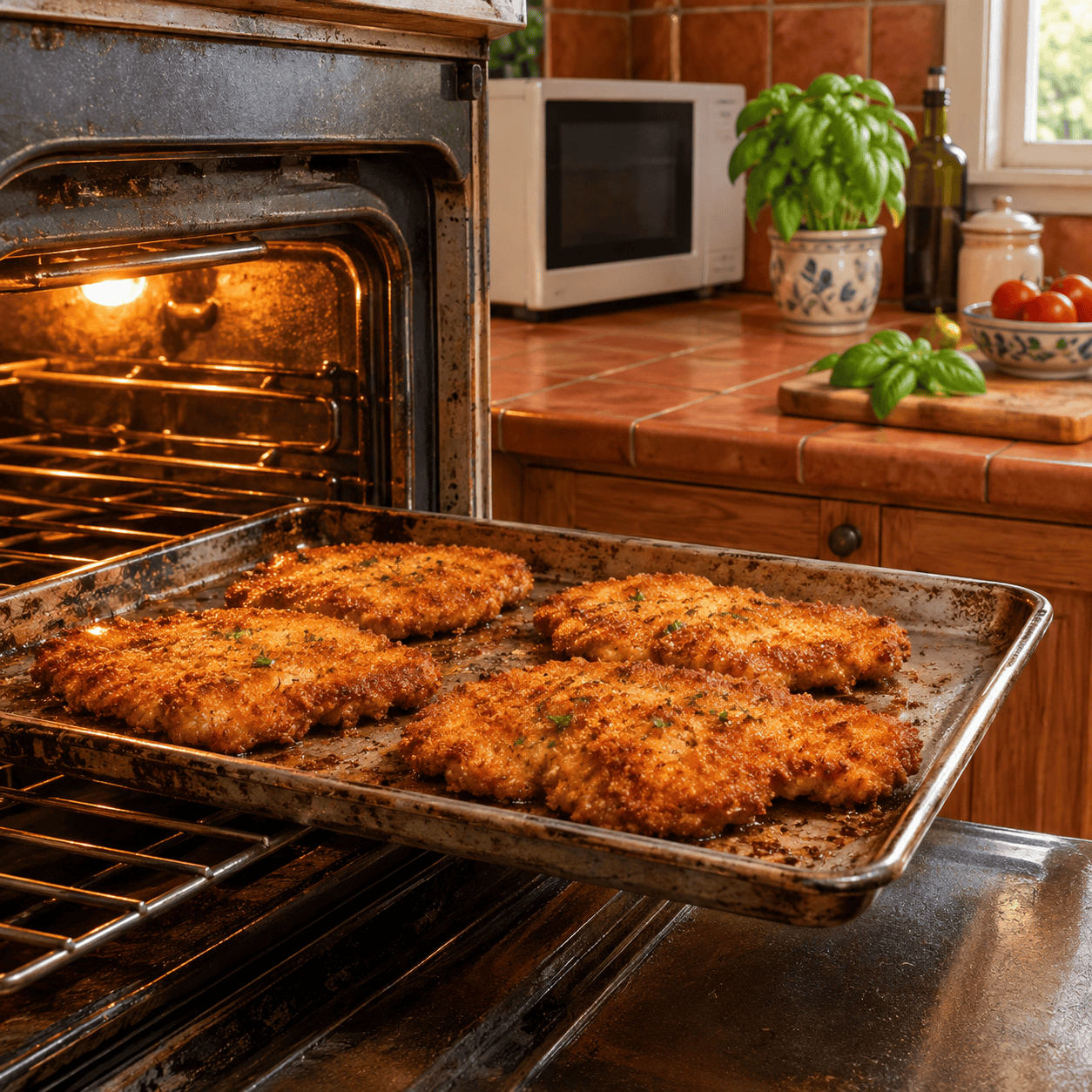
A loaf split open, soaked with olive oil, piled with tomato, anchovy, oregano, cheese and nothing else.
Translated it means “seasoned bread,” which undersells it enormously. It was the dinner of people who had bread, oil, and whatever was in reach.
Nonna makes it when she can’t be bothered to cook, which is maybe four times a year and always a Thursday.
The trick is the oil goes on while the bread is still warm so it drinks it. Cold bread sits there like it’s offended.
She wraps the finished loaf in a dish towel and sets the cast-iron pan on top for ten minutes. Skip that and it falls apart in your lap.
Somebody will tell you it’s just bruschetta. It isn’t, and the portion size alone settles that.
18. Ricotta in Savory and Sweet, Constantly
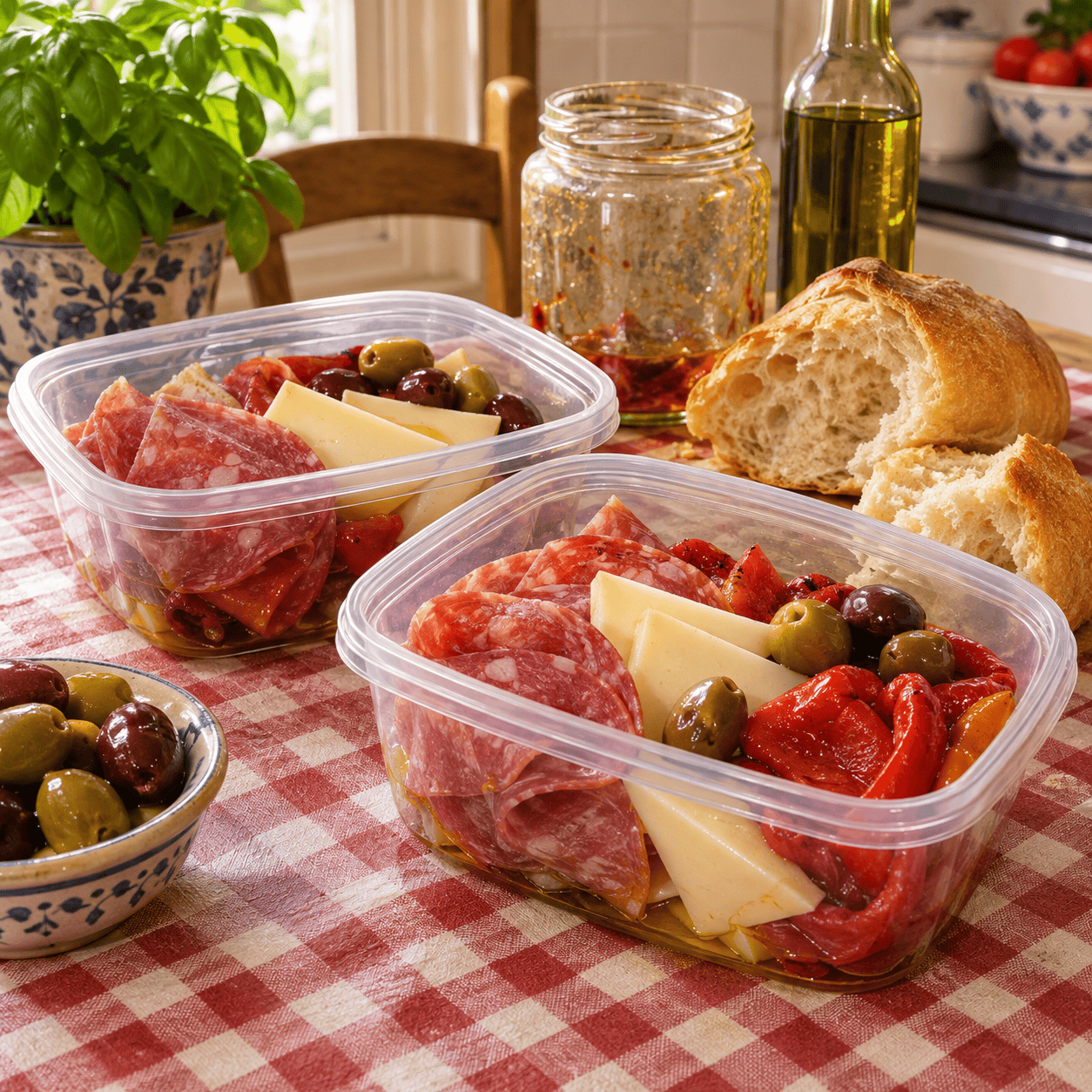
Sheep’s-milk ricotta runs through Sicilian cooking like a main character.
Fresh in cannoli, baked into cassata, salted and aged into ricotta salata for pasta, spread on bread with sugar, folded into ravioli with mint.
Nonna draining ricotta in cheesecloth over a bowl in the fridge overnight was a standing fixture of my childhood. You did not move the bowl.
Cow’s-milk ricotta from a tub is what most of us can get, and she accepts it the way you accept a rainy wedding. The creamy ricotta pasta on the site is the weeknight version.
Sweet ricotta in a dessert still confuses people who grew up on mascarpone. Their loss.
19. Pesto Trapanese (Tomatoes and Almonds in the Pesto)
Basil, garlic, almonds, raw tomato and pecorino, ground in a mortar.
Genoa has opinions. Pine nuts and Parmigiano or nothing, they say, and Trapani has been ignoring them since sailors from Genoa brought their pesto through the port and local cooks swapped in what grew there.
Almonds are cheaper and grow everywhere on the island. Tomatoes make it lighter and brighter.
It goes on busiate, the twisted pasta that looks like a phone cord, and Nonna refuses to make it with anything else. She orders the pasta by the case.
The pesto Trapanese recipe here uses the blender, which she’d allow if nobody told her.
20. Saffron and Cinnamon in Savory Food
Cinnamon in a meat ragù reads as dessert spice to most of Italy. In Sicily it reads as Tuesday.
Saffron colors the rice in arancine and the broth in pasta con le sarde. Cinnamon turns up in meatballs, in sweetened ricotta, in sauces for stuffed vegetables.
Both came through the island’s Arab period along with sugarcane, citrus and rice, and that academic record of food in medieval Sicily makes the trail pretty clear.
Nonna keeps her saffron in an old Sucrets tin on the top shelf, behind the good vinegar. She counts the threads into her palm like she’s paying for them.
Nonna’s meatballs have a pinch of cinnamon and raisins in them. The first time I served them to friends, one asked if they were for dessert.
They weren’t. He had five.
21. Pasta With Sardines and Breadcrumbs Eaten at Room Temperature
Sicilians are relaxed about temperature in a way that drives other Italians up a wall.
Plenty of dishes are meant to sit: caponata, sarde a beccafico, sfincione, stuffed vegetables, baked pasta on a hot day. The flavor opens up once the heat is gone.
Nonna will physically stop you from eating caponata straight off the stove. She covers it, puts it on the back of the counter, and tells you to go set the table.
In Emilia, pasta arrives steaming or you ask why. In a Palermo kitchen in July, nobody wants steaming anything.
Here’s the short version of who’s eating what, where.
| Sicilian Table | Northern Italian Table | |
|---|---|---|
| On seafood pasta | Toasted breadcrumbs | Nothing at all |
| Pasta fat | Olive oil | Butter, often |
| Sweet in savory | Raisins, cinnamon | Rarely, if ever |
| Breakfast in August | Granita and brioche | Espresso standing up |
| Serving temperature | Room temp is fine | Hot or it’s wrong |
Neither column is wrong. One of them just has more vinegar in it.
22. Frittola and the Parts Nobody Talks About
Palermo street food gets gamey fast and the locals are entirely unbothered.
Frittola is leftover veal scraps and cartilage, fried and kept warm in a cloth-lined basket, scooped into a paper cone. Pani ca meusa is a roll filled with spleen and lung, simmered in lard, with lemon or caciocavallo.
Every Italian region has its offal. Sicily sells it on a corner with no label and expects you to know.
Nonna ate pani ca meusa as a girl and describes it fondly, then adds that she has no intention of making it in her own kitchen.
I ordered one in Palermo at 23 because I was feeling brave. I finished it. I’ve never ordered another.
23. Pistachio and Almond Milk Drunk Cold, as a Drink
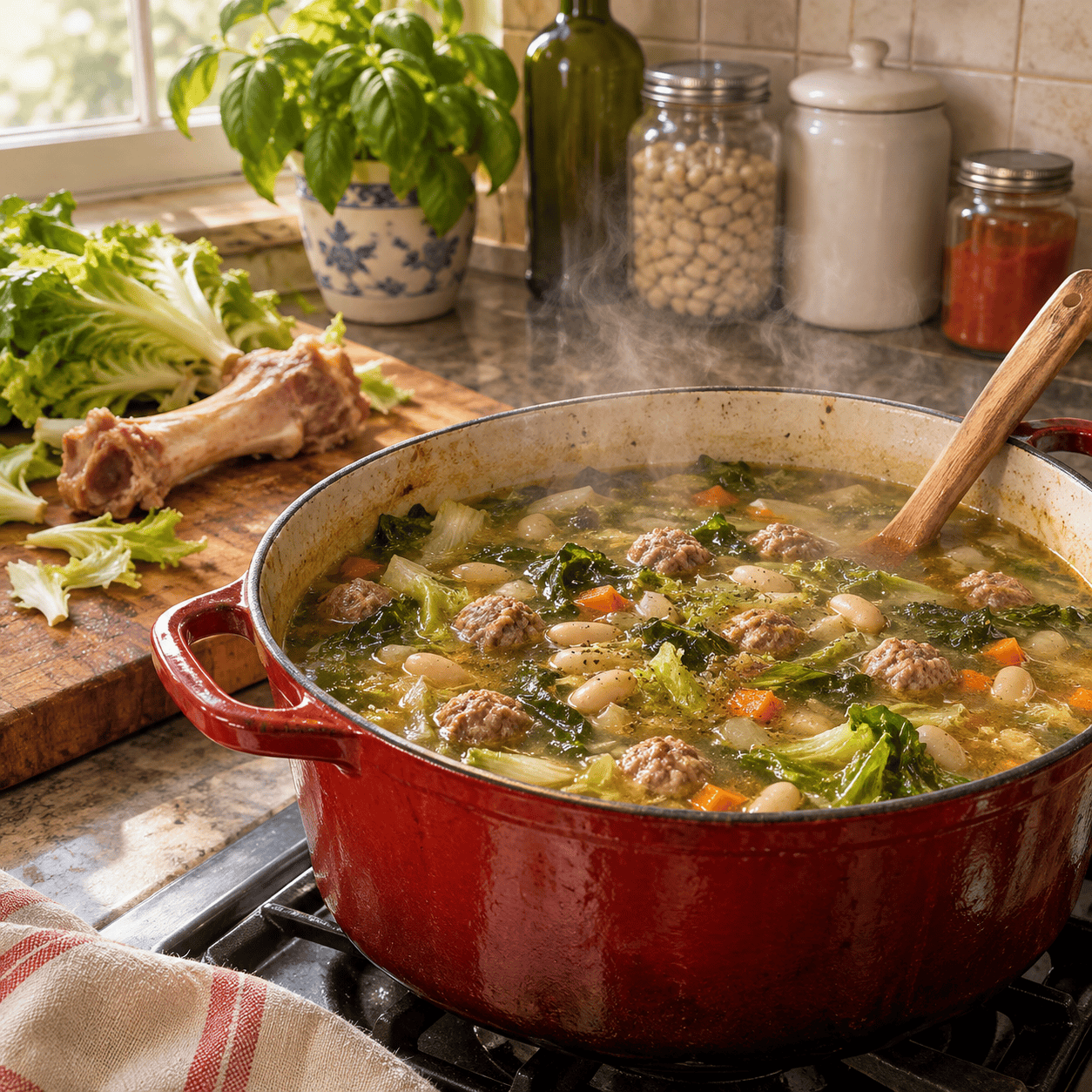
Latte di mandorla is almond milk made from crushed Sicilian almonds, sugar and water, served over ice.
This is not the carton from the health aisle. It’s thick, sweet, faintly bitter, and served in a glass at a bar alongside coffee.
Nonna makes a jug in summer and keeps it on the second shelf of the fridge, where nothing else is allowed to go.
The rest of Italy caught up to almond milk as a cappuccino option about a decade ago and called it modern. Sicilians have been drinking it straight since the almonds got there with the Arabs.
Add a shot of espresso over the top. Thank me in August.
24. Fish Soup With Pasta in It, Which Offends Purists
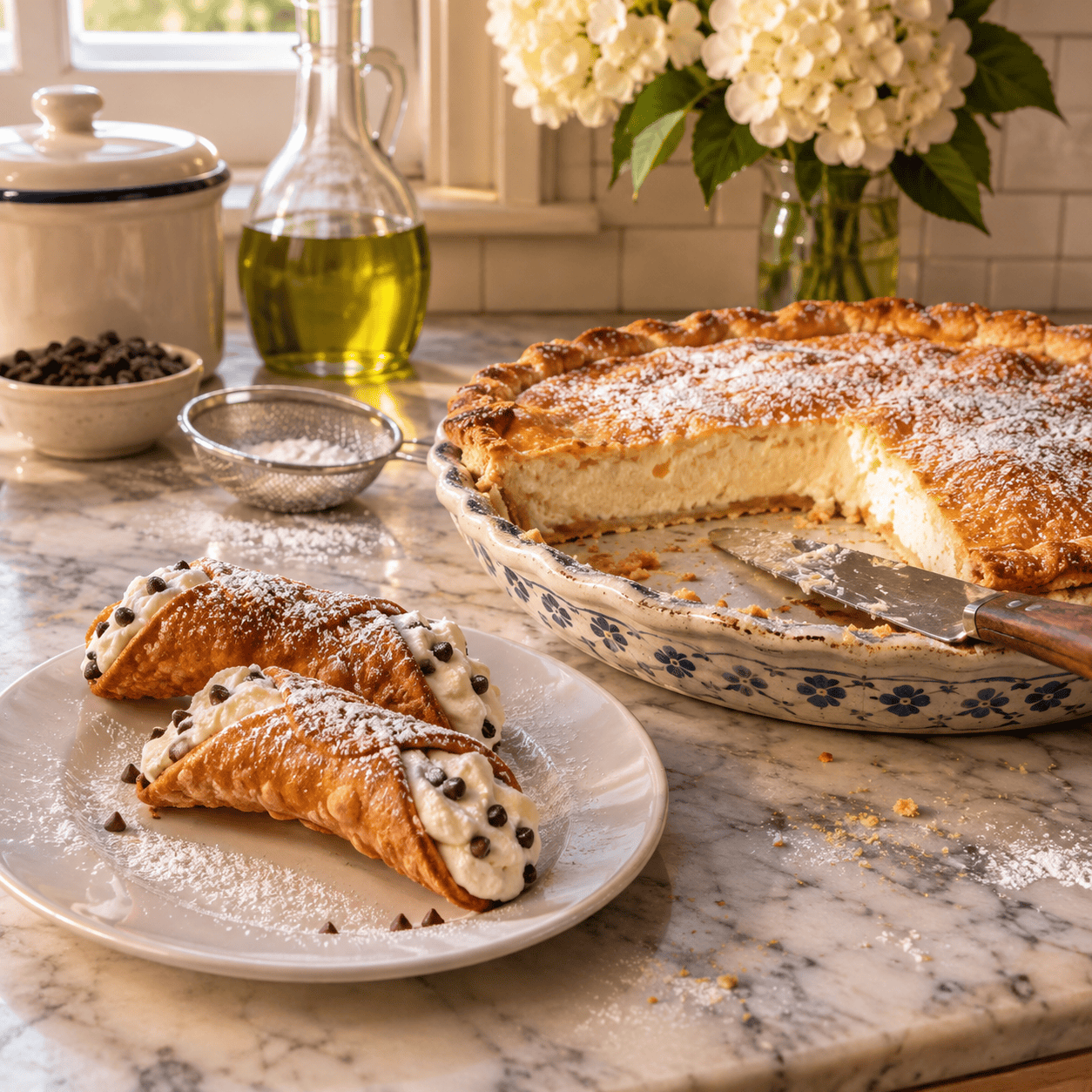
Broken spaghetti in a fish broth, and some people think that’s a crime against both.
Sicilian cooks put pasta into soups other regions keep brothy, and they break the pasta by hand instead of measuring. Pasta with cuttlefish ink, pasta in fish stock, pasta with shrimp and tomato — all normal.
Nonna breaks spaghetti over the pot with both hands and never apologizes for it, which is a scandal in roughly nine Italian regions.
Her rule is that the pasta cooks in the broth, not in water, so the starch thickens everything.
If you want the mild gateway version, shrimp pasta is where to start before you move on to the ink.
25. Oranges in a Salad With Olives and Onion
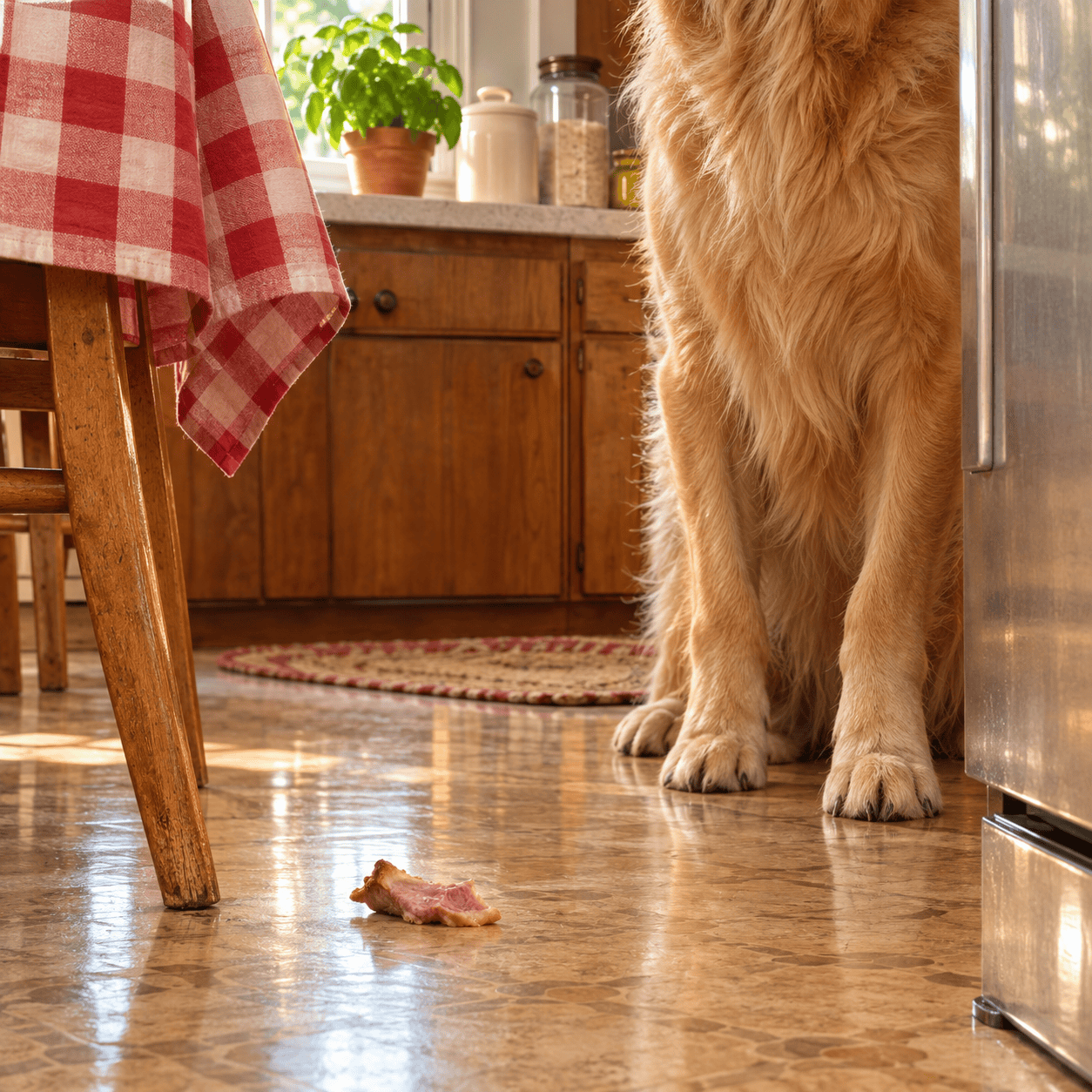
Blood oranges, raw fennel, red onion, black olives, olive oil, salt. That’s the whole salad.
Fruit in a salad course makes some Italians fold their arms. In Sicily, where citrus has grown since the Arabs planted it, the orange is a vegetable with better marketing.
Nonna serves it in winter in a shallow dish with the juice pooled at the bottom, and she drinks the juice from the dish when she thinks nobody’s watching.
Tarocco oranges if you can find them, naval if you can’t, and never the bagged ones from a bin in March.
The orange and fennel salad on the site is the one she makes after the heavy courses on Christmas Day, when everyone claims they can’t eat another bite and then eats this.
26. Calling It Gravy, Sauce, or Something Else Entirely
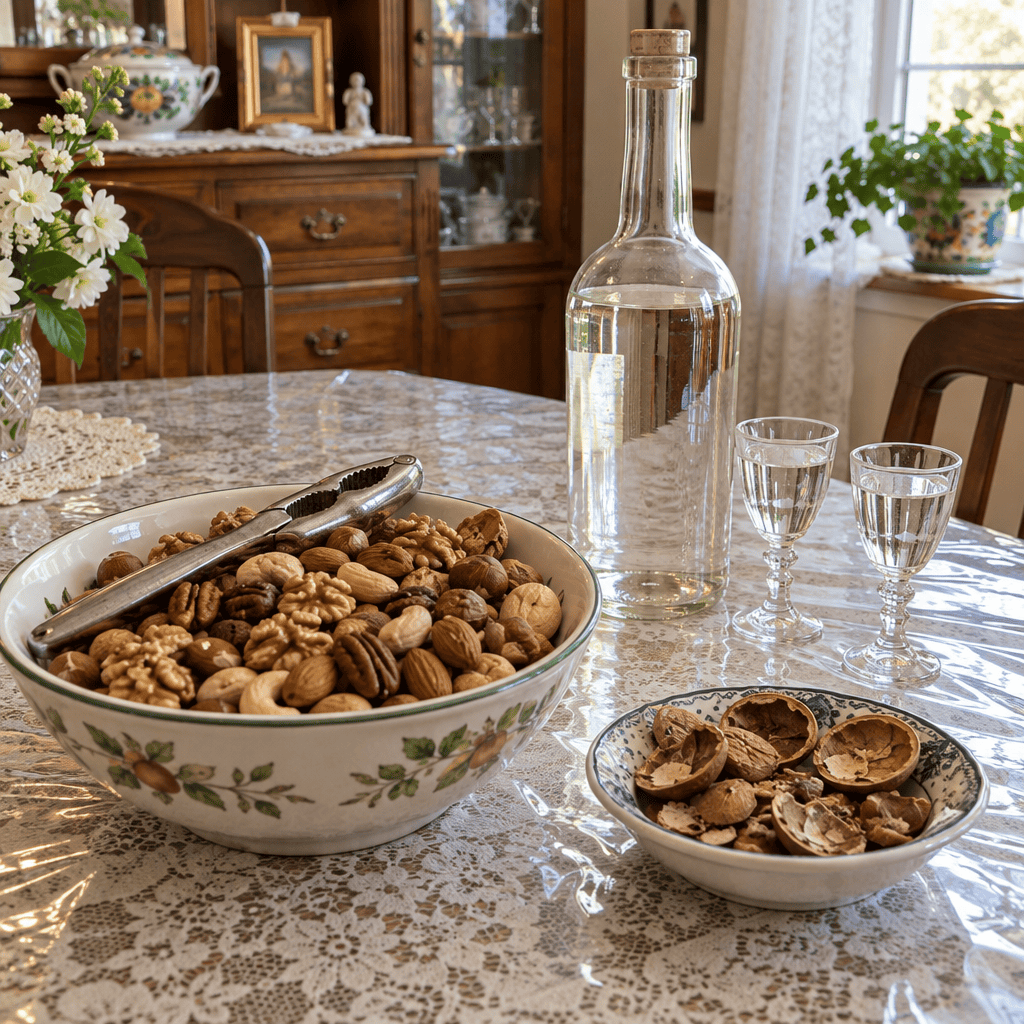
The last argument isn’t a food at all. It’s the word.
Half of Italian-America says gravy, half says sauce, and Sicilians who came through Palermo mostly said sucu or salsa and let the grandchildren fight about the English.
Nonna says sauce at home and gravy when she’s at a friend’s house in South Philly, which I have accused her of being diplomatic about. She denies it.
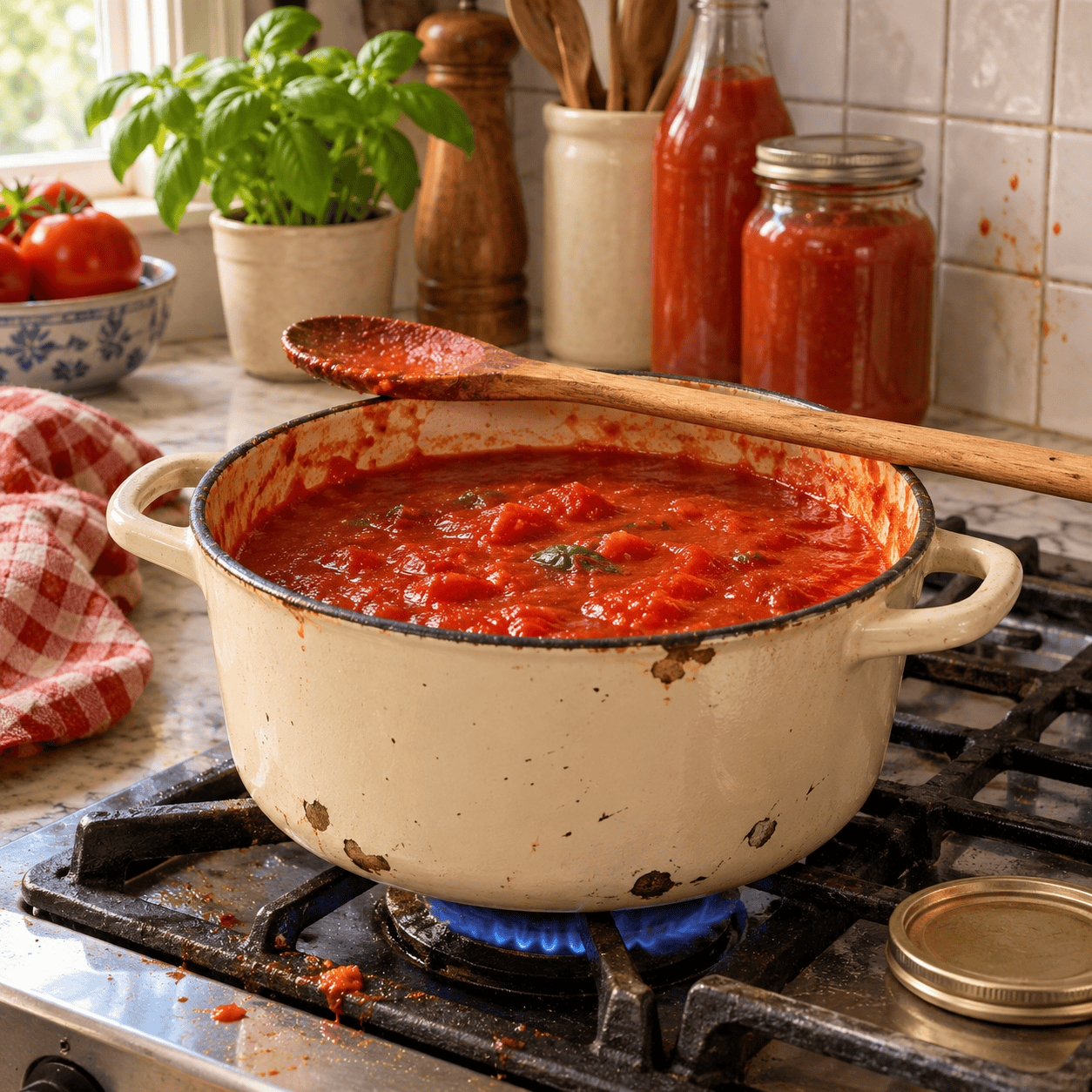
What she will not negotiate is the pot: the same dented one, every Sunday, started before Mass.
Everything else is up for discussion, loudly, with the spoon still in someone’s hand. That’s the real Sicilian tradition and the rest of Italy can argue with that too.
None of this is about who’s right. Sicily got conquered by everybody with a boat and kept the best part of every occupation on a plate.
That’s why the raisins are in the pasta. That’s why breakfast is frozen. That’s why the cake looks like it belongs in a church.
Make one of these this month and see who at your table flinches. That’s how you find your people.
Buon appetito, Madeline