30 Things Nonna Did in the Kitchen That Would Horrify a Food Safety Inspector
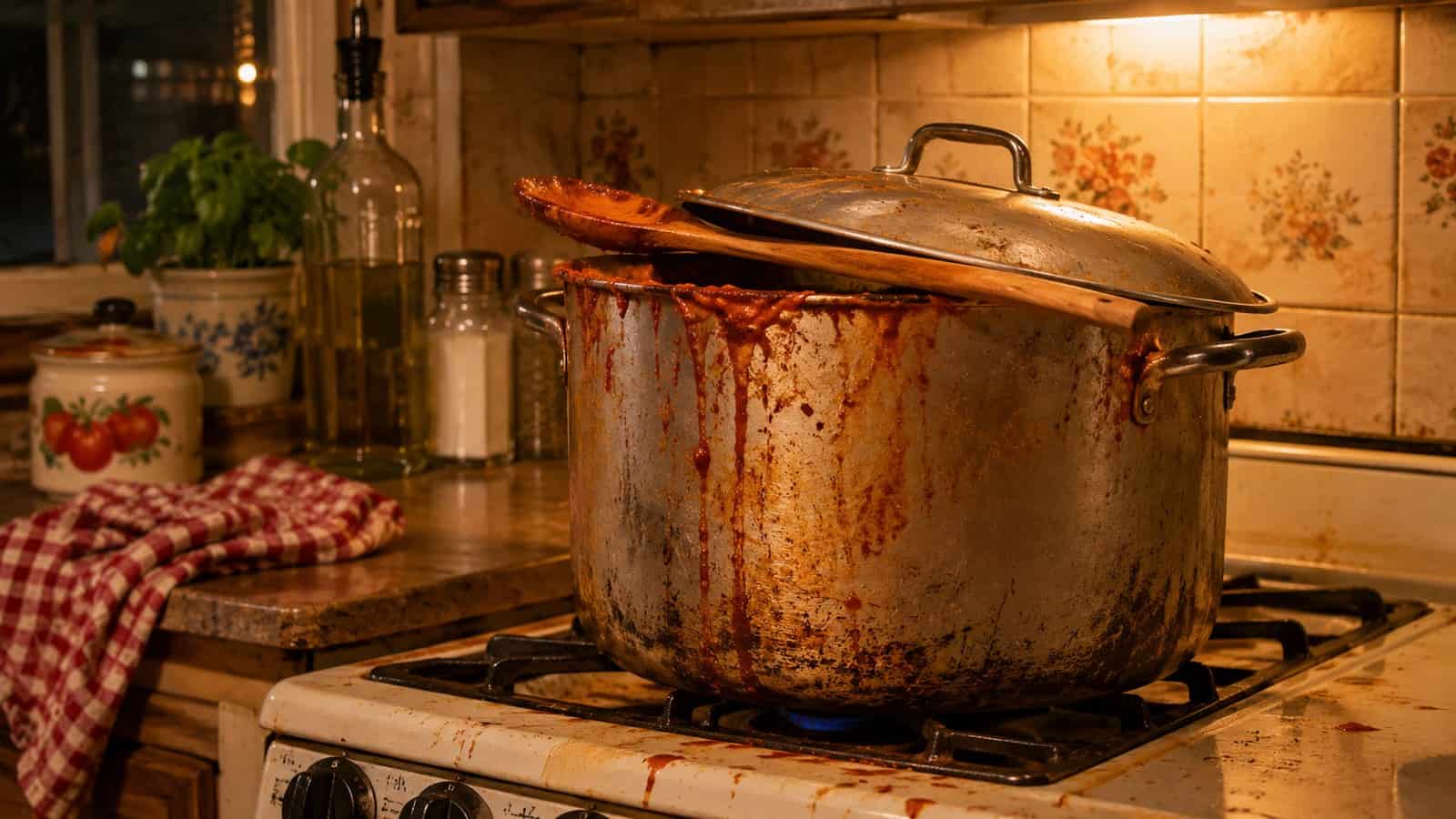
My grandmother cooked for ninety years and never once owned a thermometer.
She had a stove, a sink, a basement, and a set of rules she never wrote down. Half of them would get a restaurant shut down by lunchtime.
And yet. Four generations ate at that table every Sunday, and the only person who ever got sick was my cousin Anthony, who drank the anisette when nobody was looking.
Some of what she did was genuinely fine — better than fine, actually, because it was built on salt, acid, fat, and a hundred years of paying attention. Some of it she got away with on luck and a strong constitution. I’ll tell you which is which.
Here are 30 things Nonna did every single day that would make a modern inspector reach for his clipboard.
1. The Sauce Pot That Stayed on the Stove Overnight
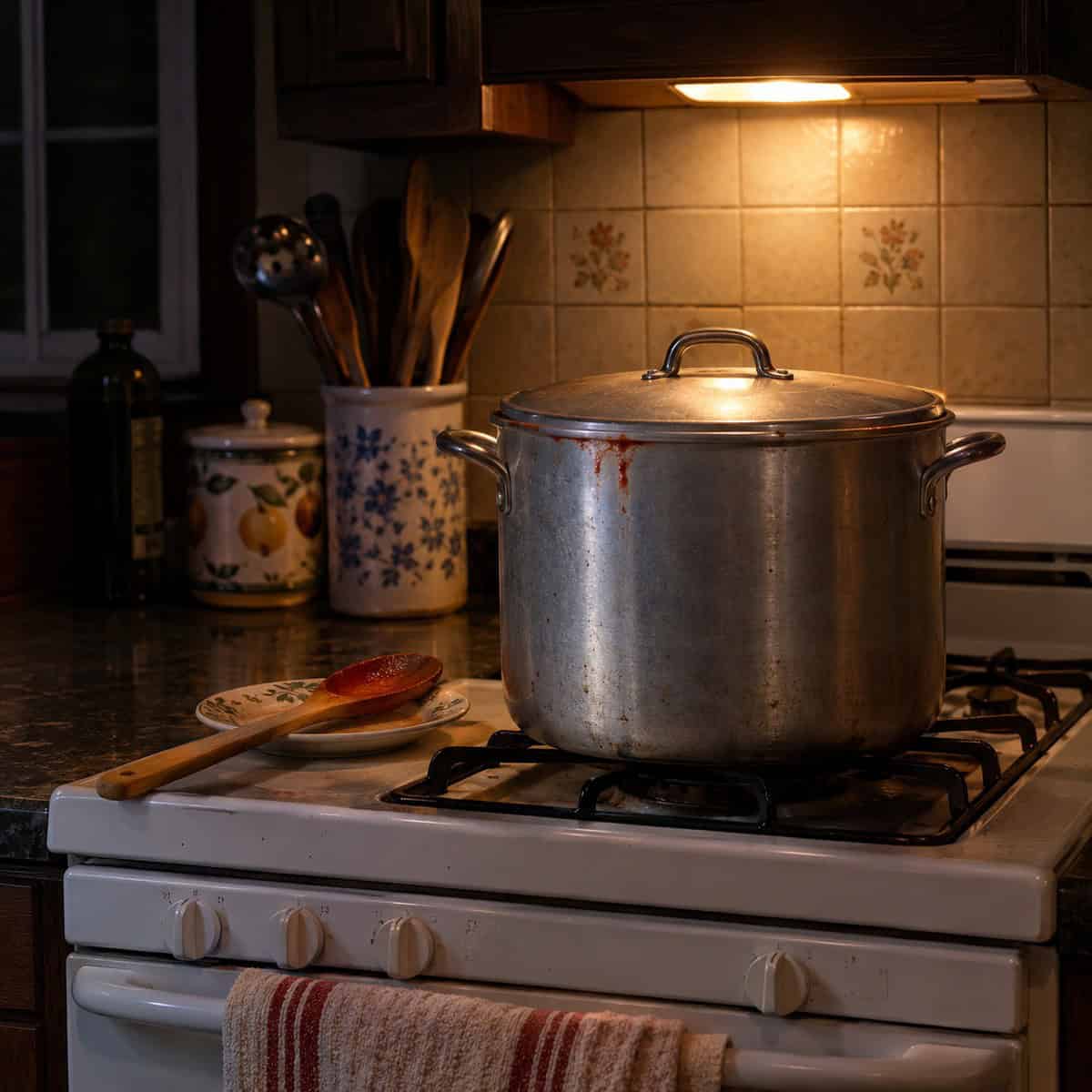
Sunday gravy went on at seven in the morning. It came off the heat around four. And then it sat there, lid on, until somebody wanted a bowl at eleven at night.
Monday morning she’d turn the burner back on and bring it up to a hard bubble while the coffee brewed. Nobody refrigerated anything until Tuesday.
An inspector would call this a textbook violation — the USDA says two hours out and that’s it. He’s right, and this one I don’t recommend copying.
What saved her: a pot of tomato sauce is acidic, it was boiled hard twice a day, and it never sat long enough for anything to get comfortable. Still. Put it in the fridge.
2. Tasting With the Stirring Spoon and Putting It Right Back
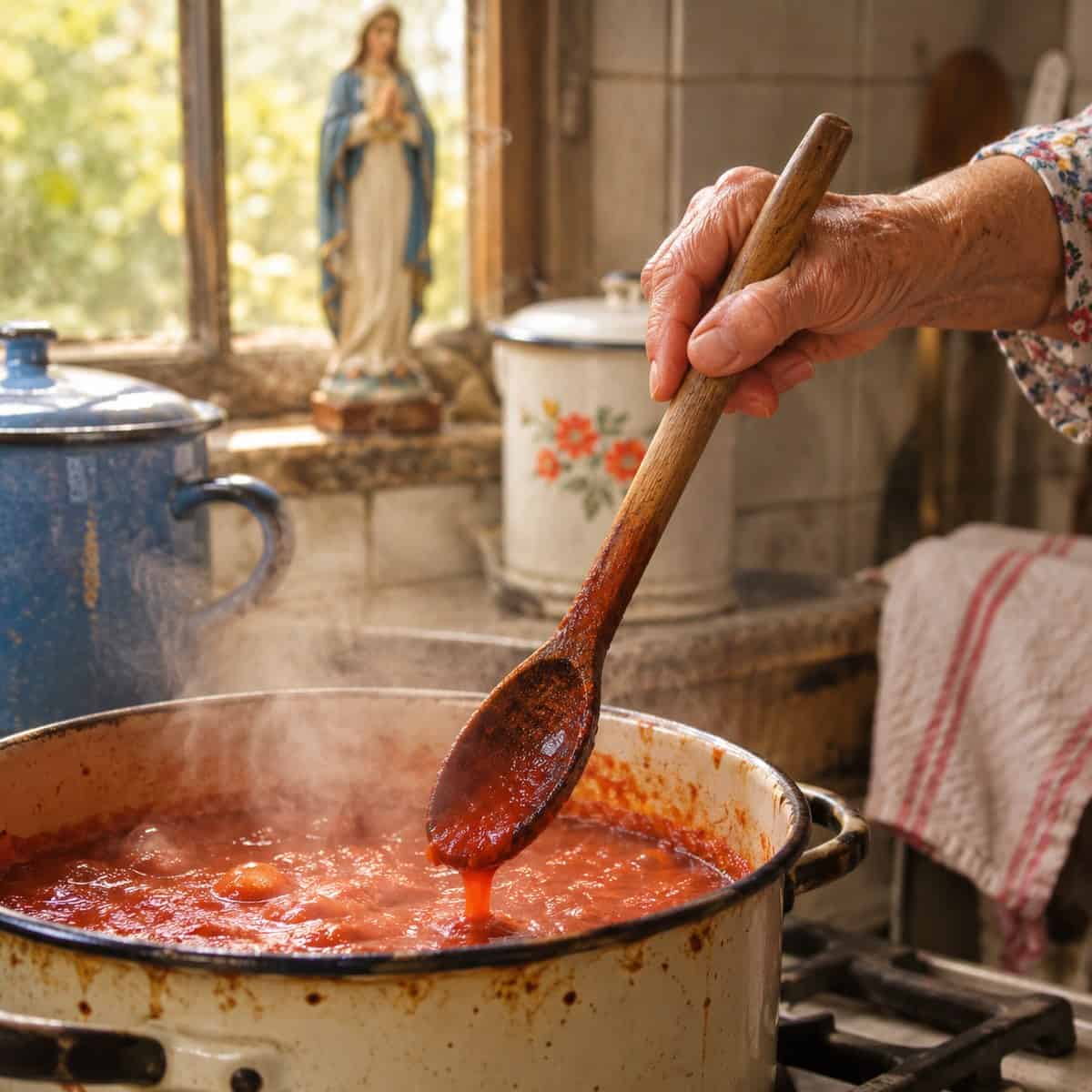
The wooden spoon went in the pot, came up to her mouth, got a verdict, and went straight back in the pot. Every time.
If you were standing there she’d hold it out for you to taste too, then back in it went. Same spoon. Same pot. Same eight people all afternoon.
A health inspector would lose his mind. In a commercial kitchen, that’s an instant double-dip write-up.
At home, in a pot bubbling at a rolling simmer for the next three hours? The heat handles it. I still do it. My daughter-in-law still winces.
3. Raw Eggs Beaten Into the Pasta at the Table
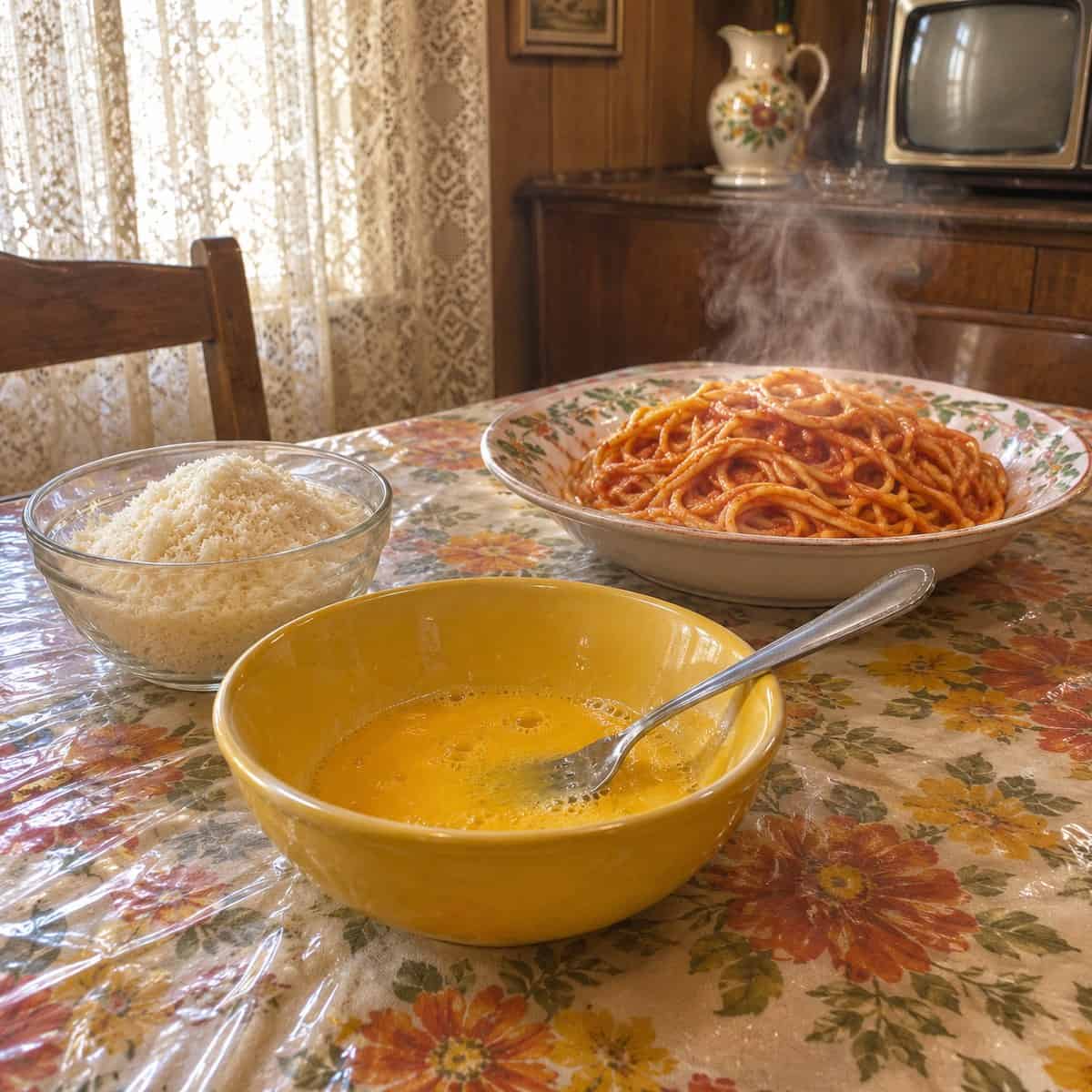
Carbonara never saw a stove, not the egg part. She cracked them into a bowl, beat them with pecorino, and poured the whole thing over hot spaghetti in a warm serving bowl at the table.
Half the time the pasta had cooled enough on the walk from the stove that those eggs never got past lukewarm.
The inspector’s concern is salmonella, and it’s a fair one — raw egg dishes are a real risk for anyone pregnant, elderly, or immune-compromised.
Her hedge was eggs from a neighbor on Ritner Street and a bowl she’d warmed with pasta water first. If you make classic Roman pasta at home, pasteurized eggs do the job and nobody will ever know.
4. The Soppressata Hanging in the Basement
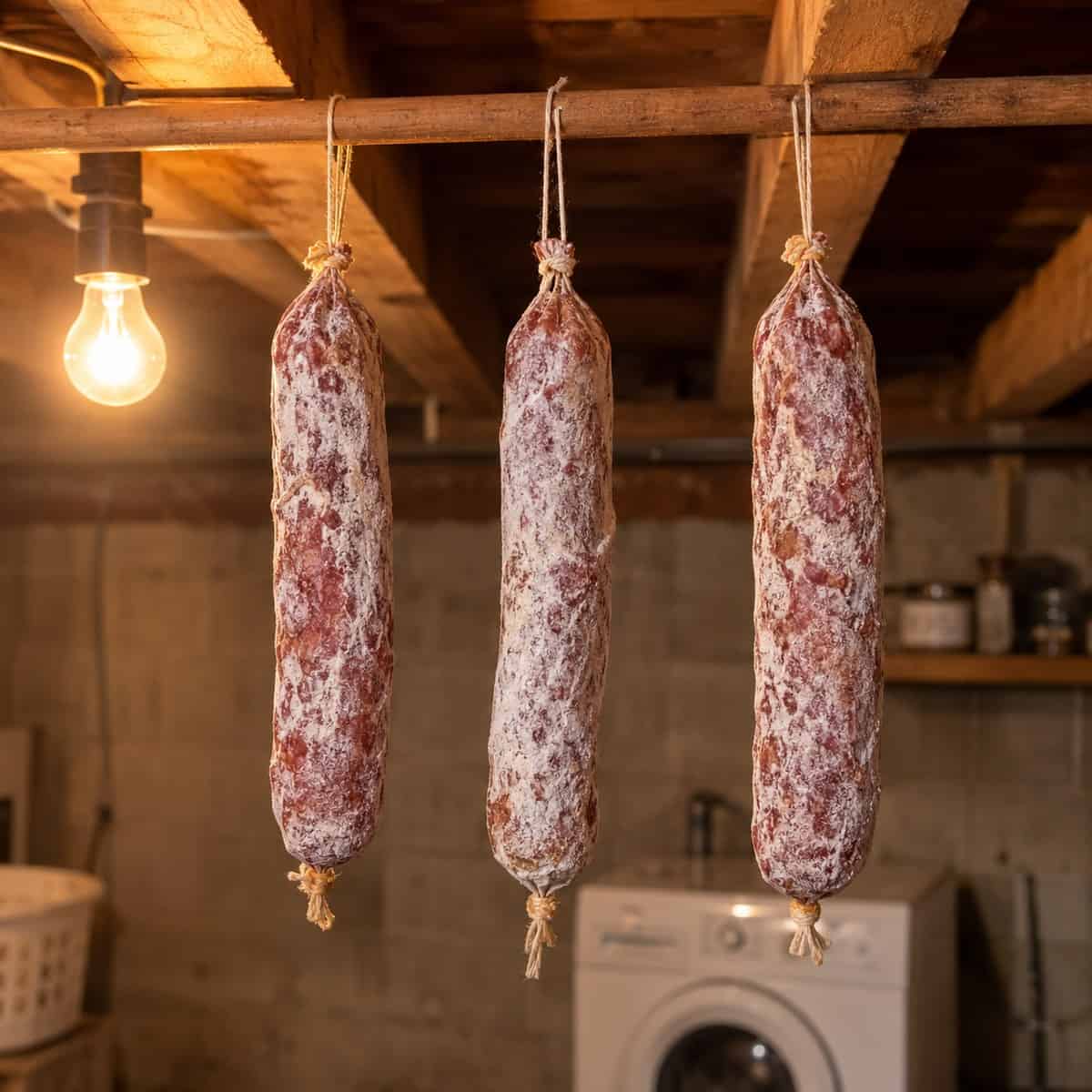
Down past the washing machine, on a wooden dowel between two joists, hung whatever my grandfather had made in February. Soppressata, capicola, a few links of dried sausage going white with good mold.
No refrigeration. No temperature log. Just a cool concrete room and a window he cracked open depending on the weather.
An inspector would want curing salts, pH readings, water activity numbers. Botulism and listeria are genuine risks with home charcuterie, and that’s not me being dramatic.
He cured by weight loss and feel, the way his father did outside Palermo. It worked for sixty years. I buy mine now, and I’m at peace with that.
5. Ricotta Draining Uncovered on the Counter
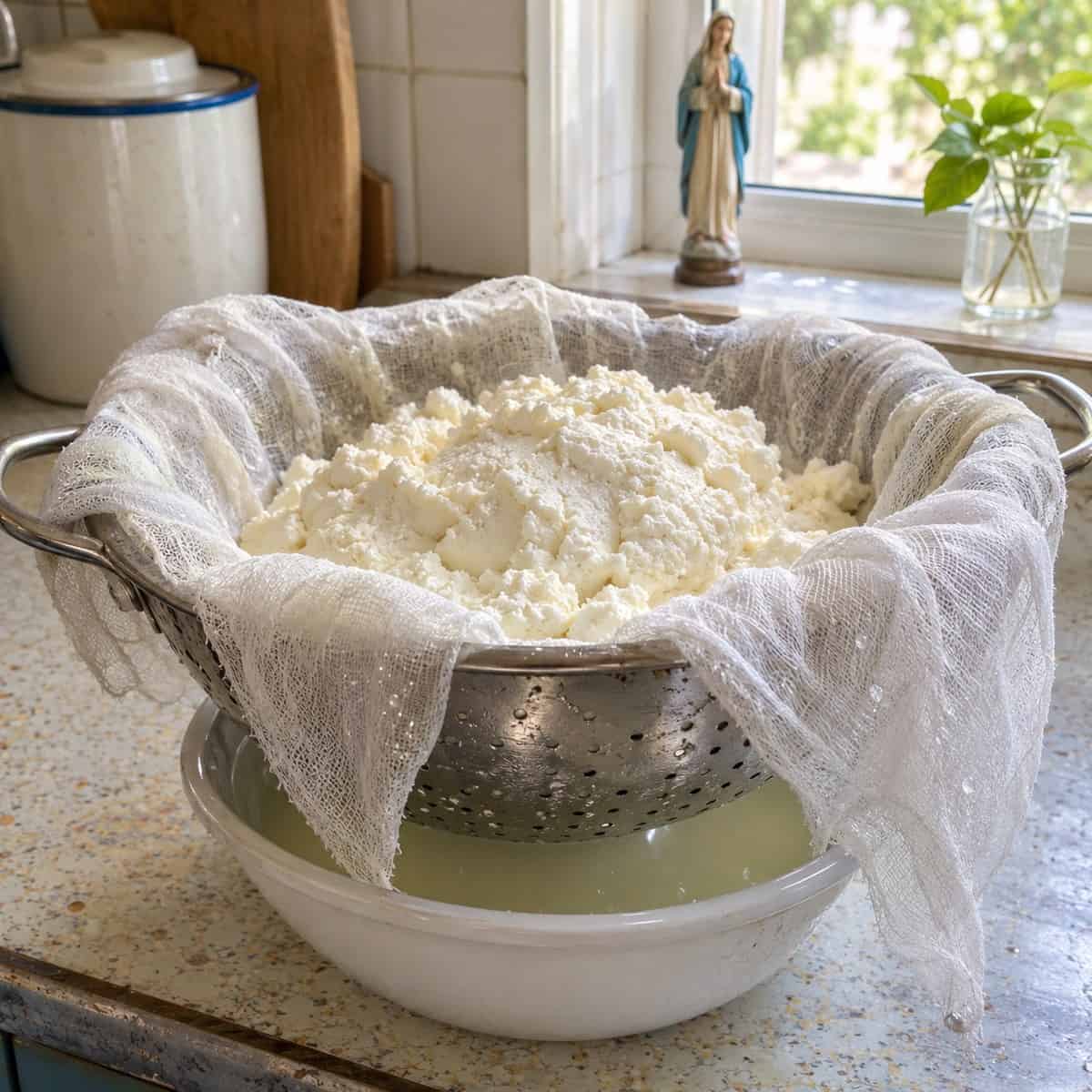
Cheesecloth over a colander, colander over a bowl, bowl on the counter by the window. Four hours minimum, sometimes all afternoon.
No lid. No plastic wrap. Just a dish towel laid over the top if the flies were bad.
Fresh dairy sitting at room temperature is the exact thing the two-hour rule exists for. An inspector would not blink before writing it up.
She did it because cold ricotta won’t drain right and the texture goes grainy. These days I drain mine in the fridge overnight, and honestly, it’s just as good for anything you’d use ricotta in.
6. Bread Kept in a Drawer for a Week
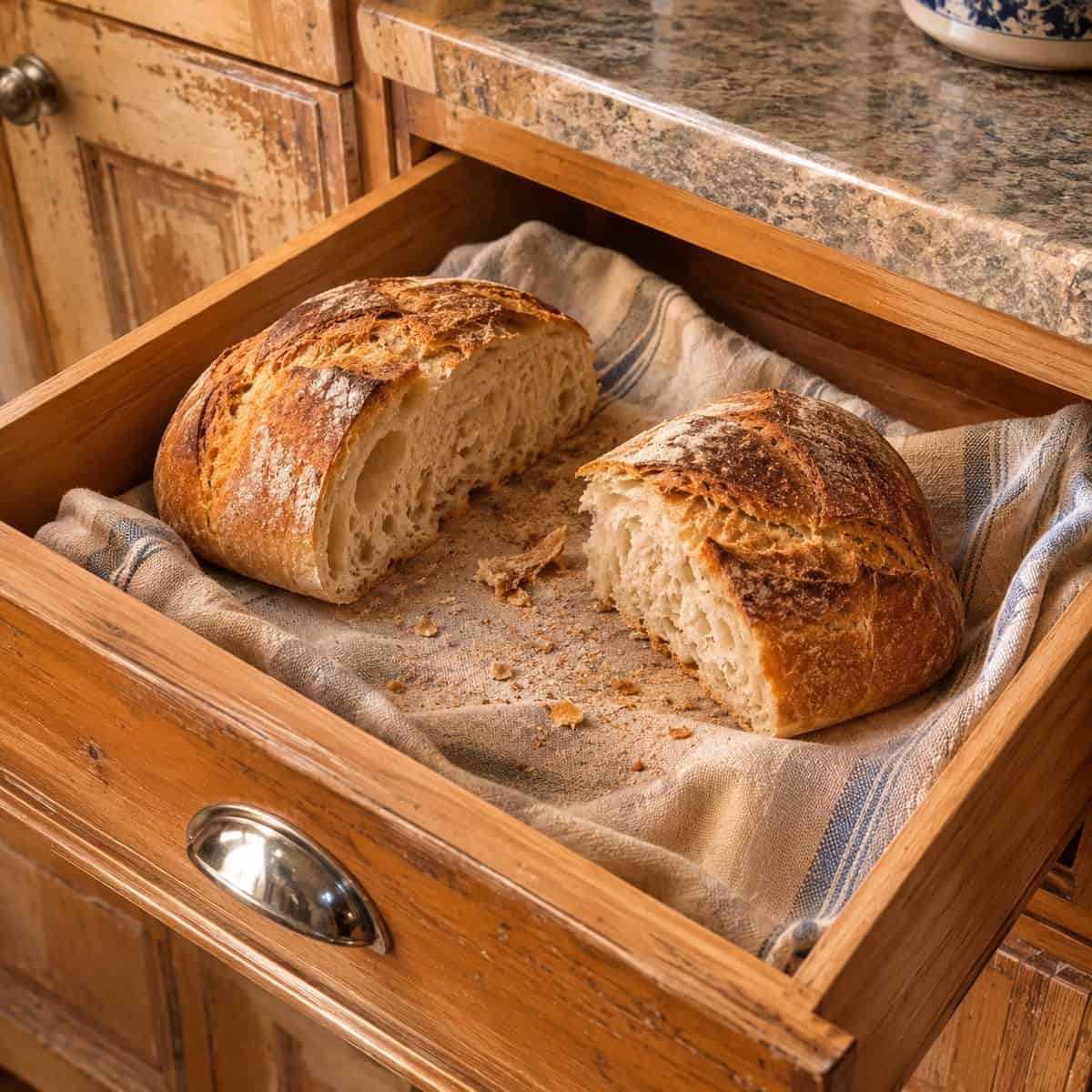
The bottom drawer by the sink was lined with a linen towel, and that’s where the Italian bread lived. No bag. No box. Just a drawer.
By Wednesday it was a weapon. By Friday it was breadcrumbs, or it went into soup, or it got soaked and squeezed into the meatballs.
Modern storage advice says bag it, freeze it, keep it sealed. Her bread would’ve gone moldy in plastic within two days.
Real bread with four ingredients and no preservatives stales — it doesn’t spoil. Staling was the whole plan. Nothing in that kitchen was ever thrown out, it just moved to a different job.
7. The Frittata That Sat Out All Afternoon

She made it around eleven, cut it into squares, and left it on the counter under a dish towel. Whoever came by got a piece.
Two o’clock, four o’clock, six o’clock — same frittata. Room temperature, which is how she insisted it tasted best anyway.
Eggs and cheese sitting out for seven hours is the kind of thing that makes an inspector set down his pen and just look at you.
She wasn’t wrong about the temperature. A good frittata really is better cool. Two hours out, then fridge, then back out for twenty minutes before serving — same result, no roulette.
8. The Wooden Board That Never Touched Soap
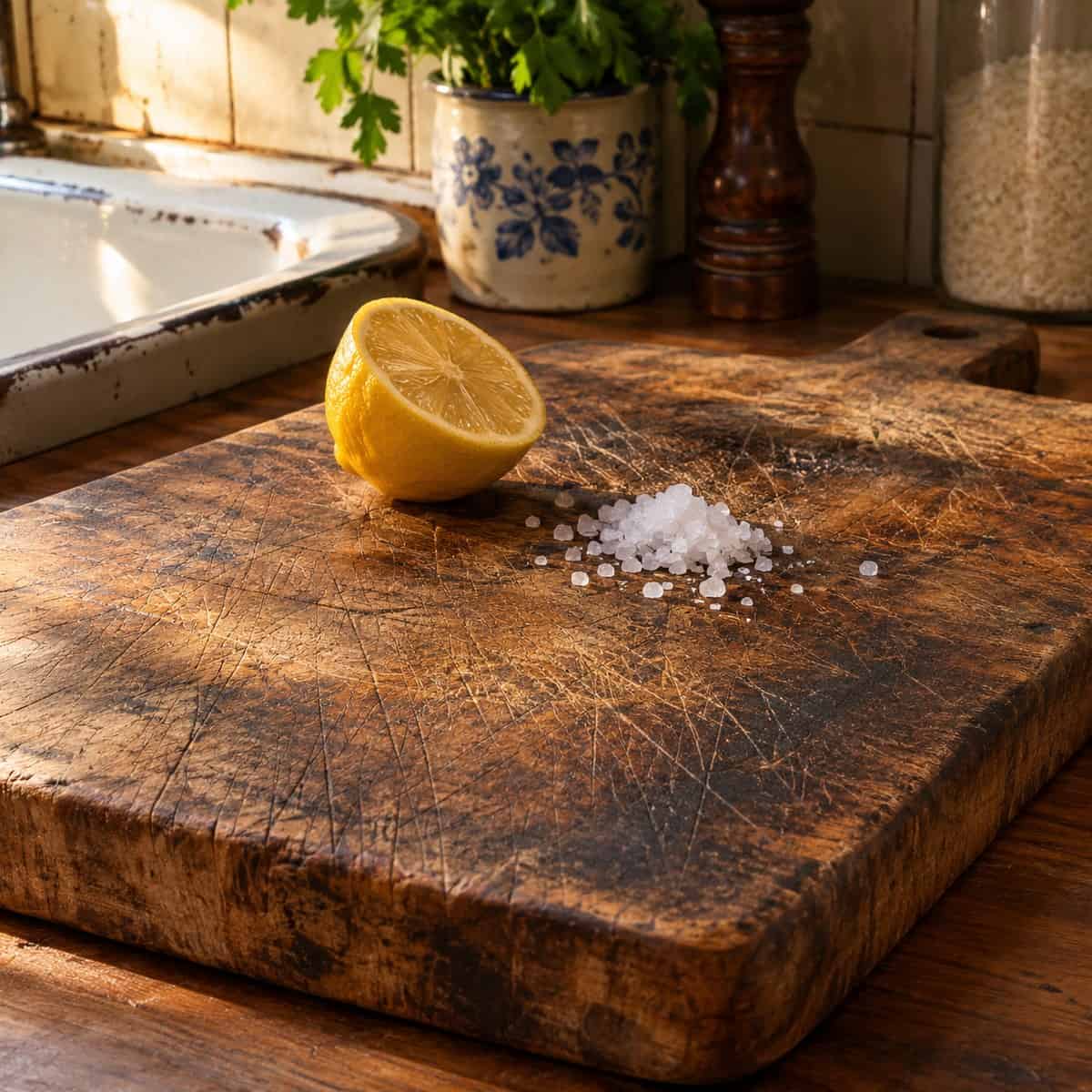
One board. Enormous, scarred, older than my mother. She scraped it with a bench knife, wiped it with a damp rag, and sometimes rubbed it with a cut lemon and coarse salt.
Soap never came near it. Soap, she said, got into the wood and then got into the food.
Every modern guideline says wash boards with hot soapy water, and separate boards for raw meat. She cut chicken on that board and then cut parsley on it twenty minutes later.
The research on this is more interesting than you’d think — wood genuinely pulls bacteria below the surface where it dies off. But she got lucky on the chicken, and so did everybody who ate there.
9. One Dish Towel for Everything
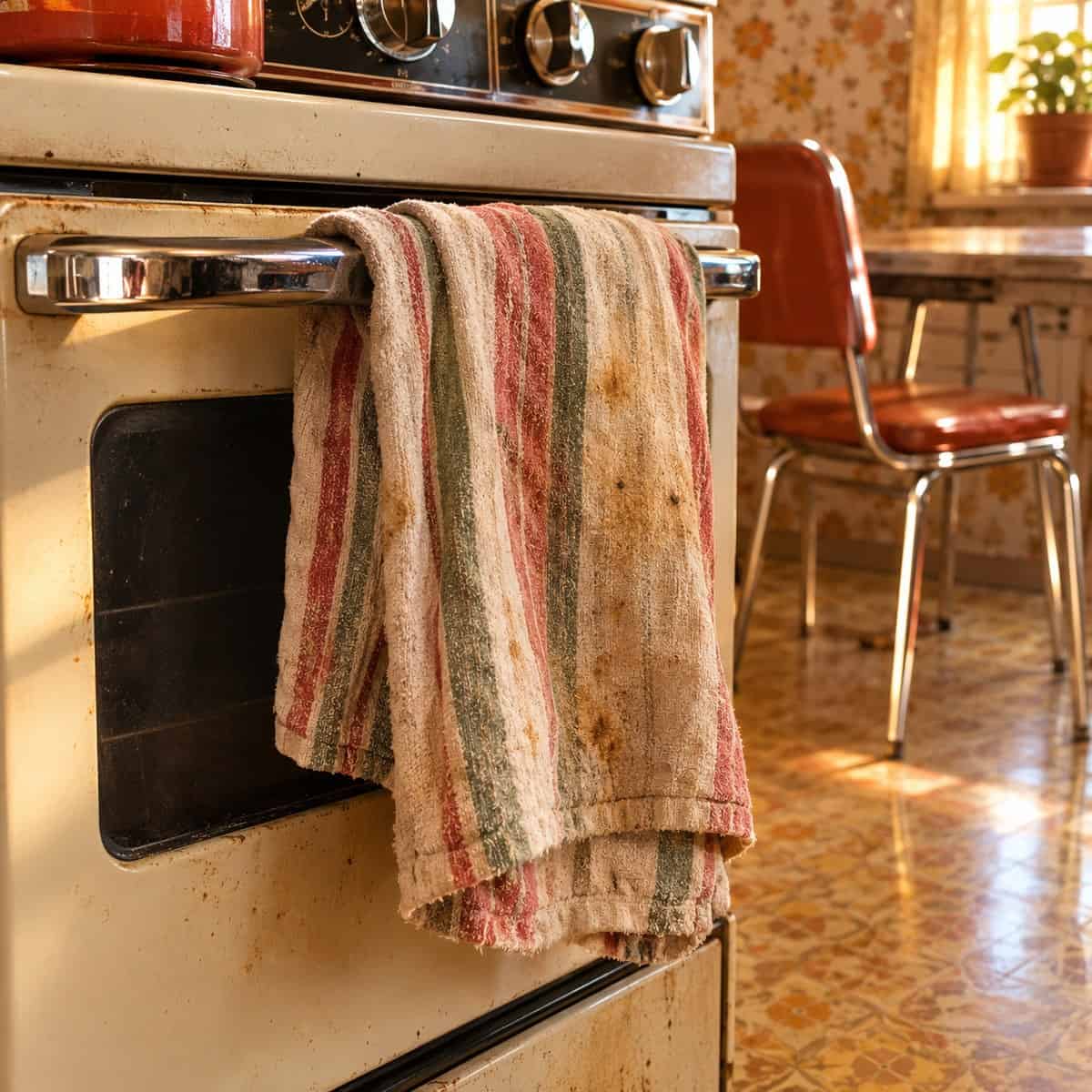
Hands, dishes, the handle of a hot pot, a spill on the floor, the sweat off her forehead in August. Same towel. It hung on the oven door all day.
Friday it went in the wash with the tablecloths. Saturday a fresh one went up.
A commercial kitchen would need sanitizer buckets and color-coded cloths. One towel doing six jobs for seven days is how you move bacteria around a room efficiently.
I have a drawer of twelve now and I still catch myself grabbing the one on the oven door. Habits beat knowledge almost every time.
10. Butter Left on the Counter All Year
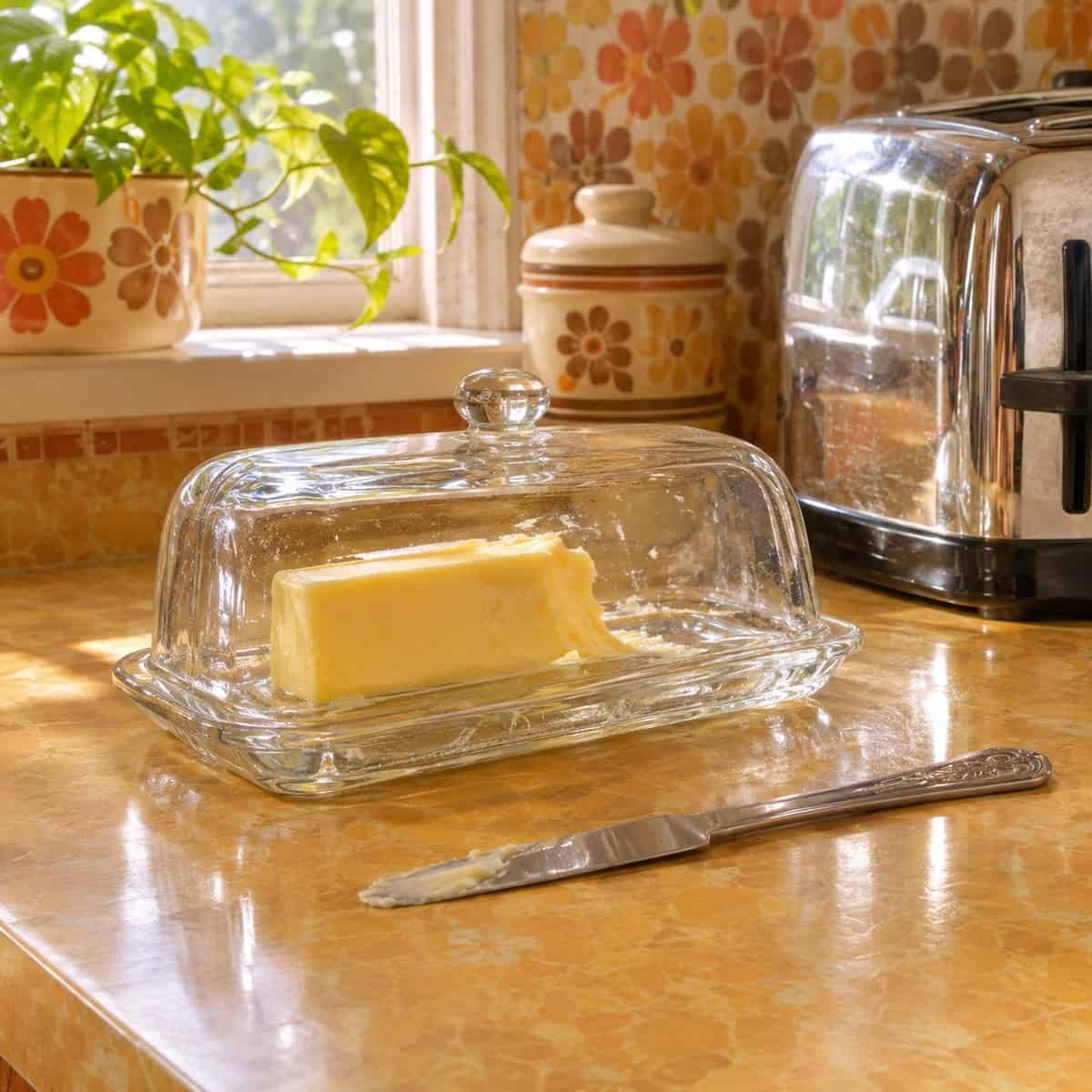
A covered glass dish by the toaster, year round, including the July that the window air conditioner died.
She never understood hard butter. You can’t spread it, you can’t cream it for cookies, and it tears the bread.
An inspector would want it at 40 degrees. Salted butter is actually one of the few things that mostly gets a pass here — low water, high fat, salt doing its work.
Unsalted butter in a hot kitchen is a different story and goes rancid fast. Hers was always salted. She didn’t know the chemistry, she just knew which stick stayed sweet.
11. Meatballs Cooling on the Counter Until the Sauce Was Ready
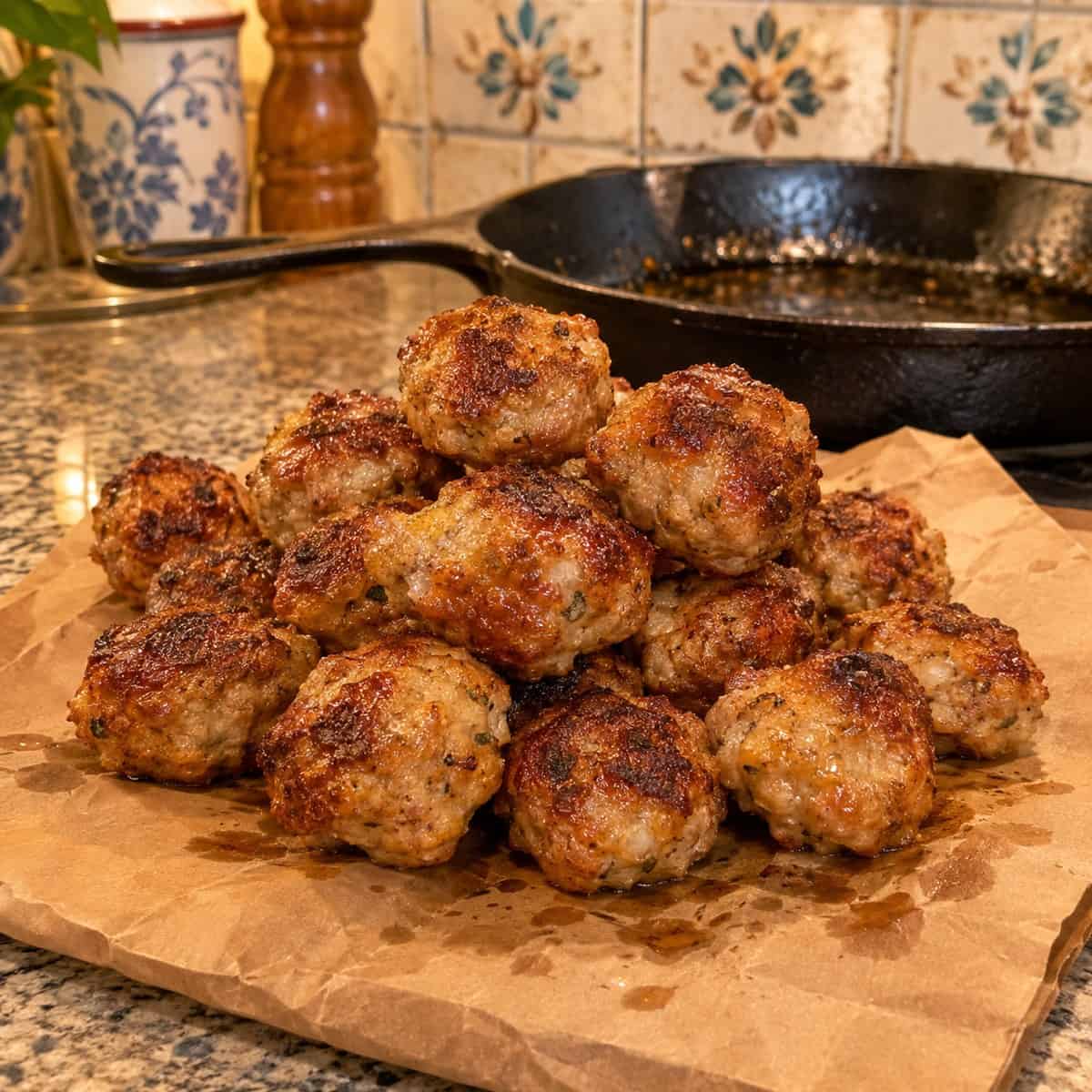
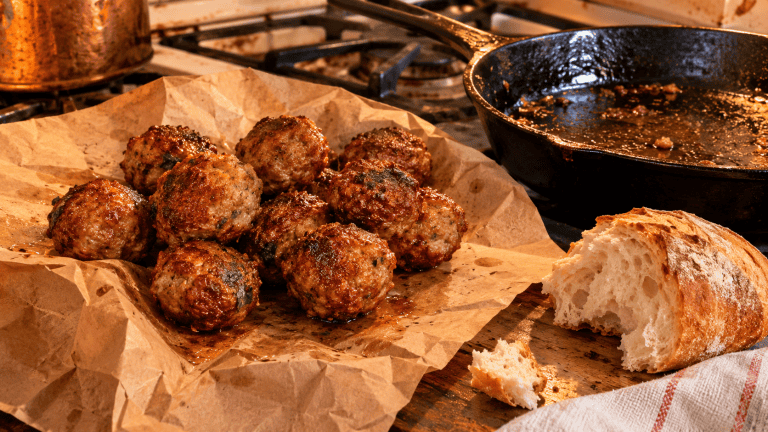
Fried in batches, stacked on a brown paper grocery bag, left on the counter for however long it took the gravy to catch up. Sometimes three hours.
You were allowed exactly one. Taking two meant a wooden spoon came at you from across the room.
Cooked meat at room temperature for three hours is squarely in the danger zone, and this one’s a real risk, not a myth.
They were going into boiling sauce for another hour, which helped. If you’re making meatballs for a crowd, hold them in a low oven instead. Same thing, no gamble.
12. The Tomatoes She Canned Without Acid
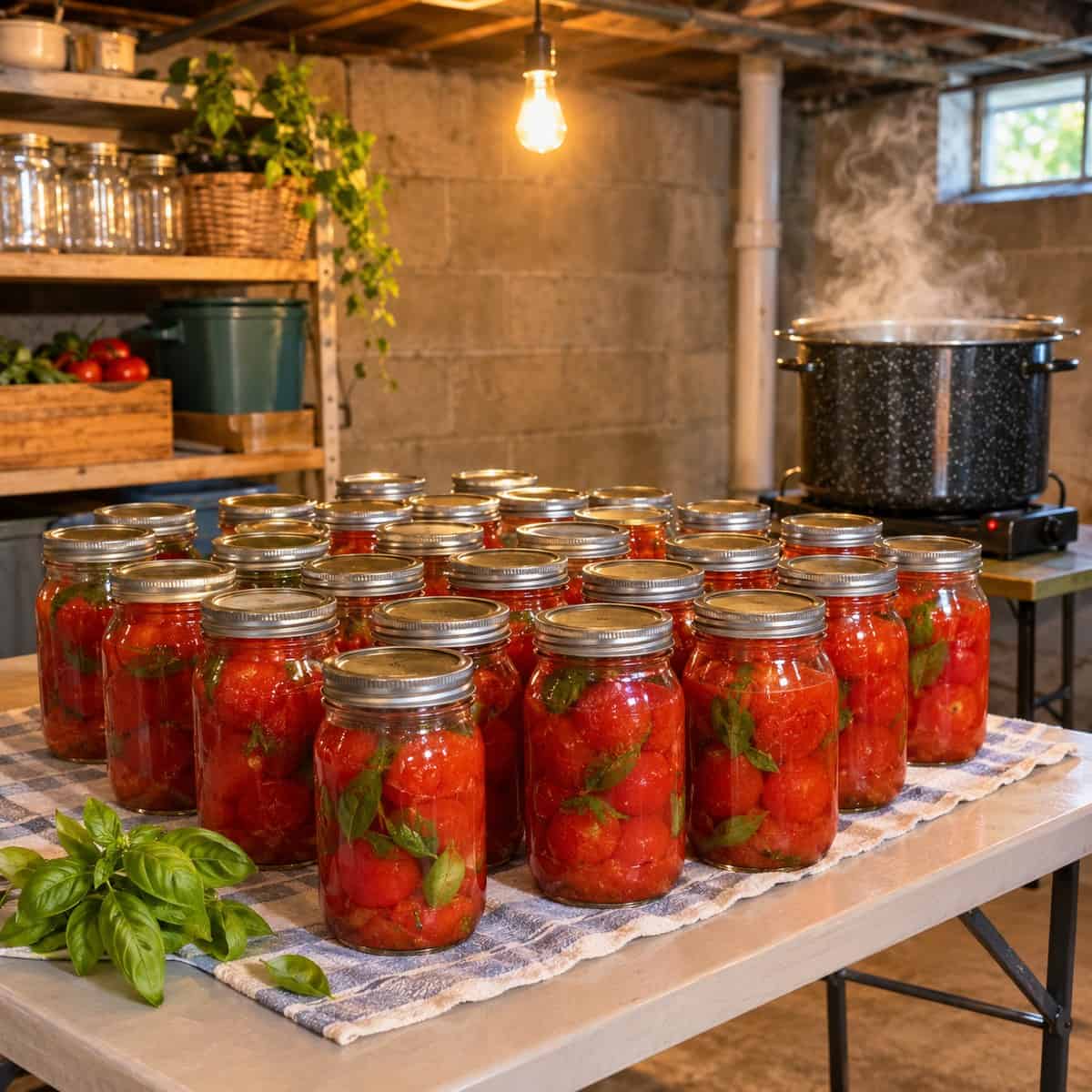
Every August, forty pounds of plum tomatoes, a boiling water bath, and jars lined up on a card table in the basement. She listened for the pops like other people listen for a ball game.
No lemon juice. No citric acid. Just tomatoes, basil, and salt.
This is the one that genuinely worries me. Modern tomato varieties are lower in acid than the ones her mother grew, and the National Center for Home Food Preservation now calls added acid non-negotiable for water-bath canning.
Two tablespoons of bottled lemon juice per quart. It changes nothing about the taste and removes the only part of this tradition that could actually hurt somebody.
13. Oil-Packed Peppers in a Jar With No Date
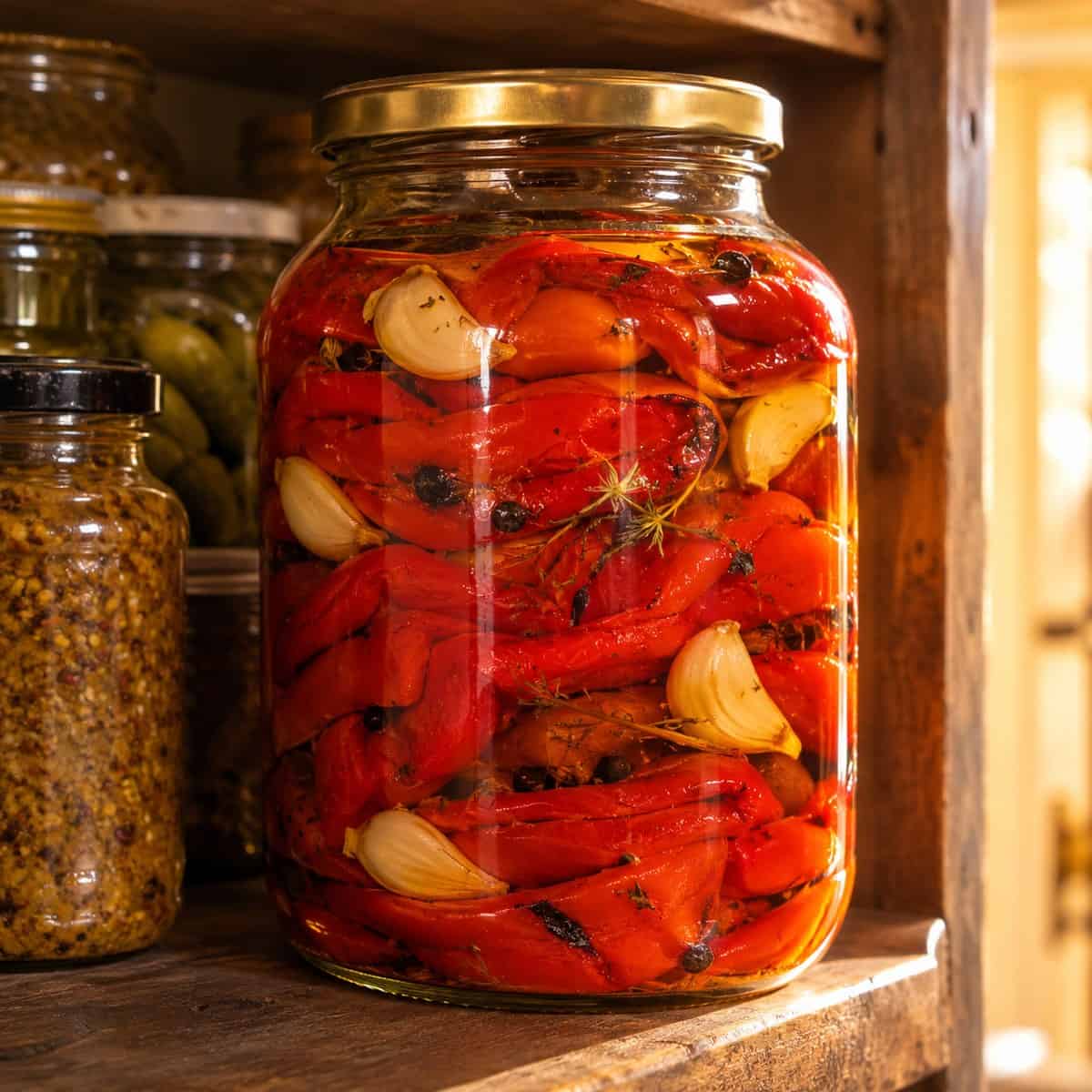
Roasted peppers under olive oil, garlic cloves floating in there, a jar that lived in the pantry and got topped up rather than finished.
How old were the peppers at the bottom? Nobody asked. The jar was always there, like the saint statue on the windowsill.
Vegetables in oil with no acid and no refrigeration is the classic setup for botulism — it’s the one food-safety lecture I’d actually sit through twice.
Her peppers went in with vinegar first, which she called a step and I now call the reason everyone survived. Acid first, then oil, then the fridge, and eat them inside a month.
14. Stuffed Artichokes Reheated Three Days Running
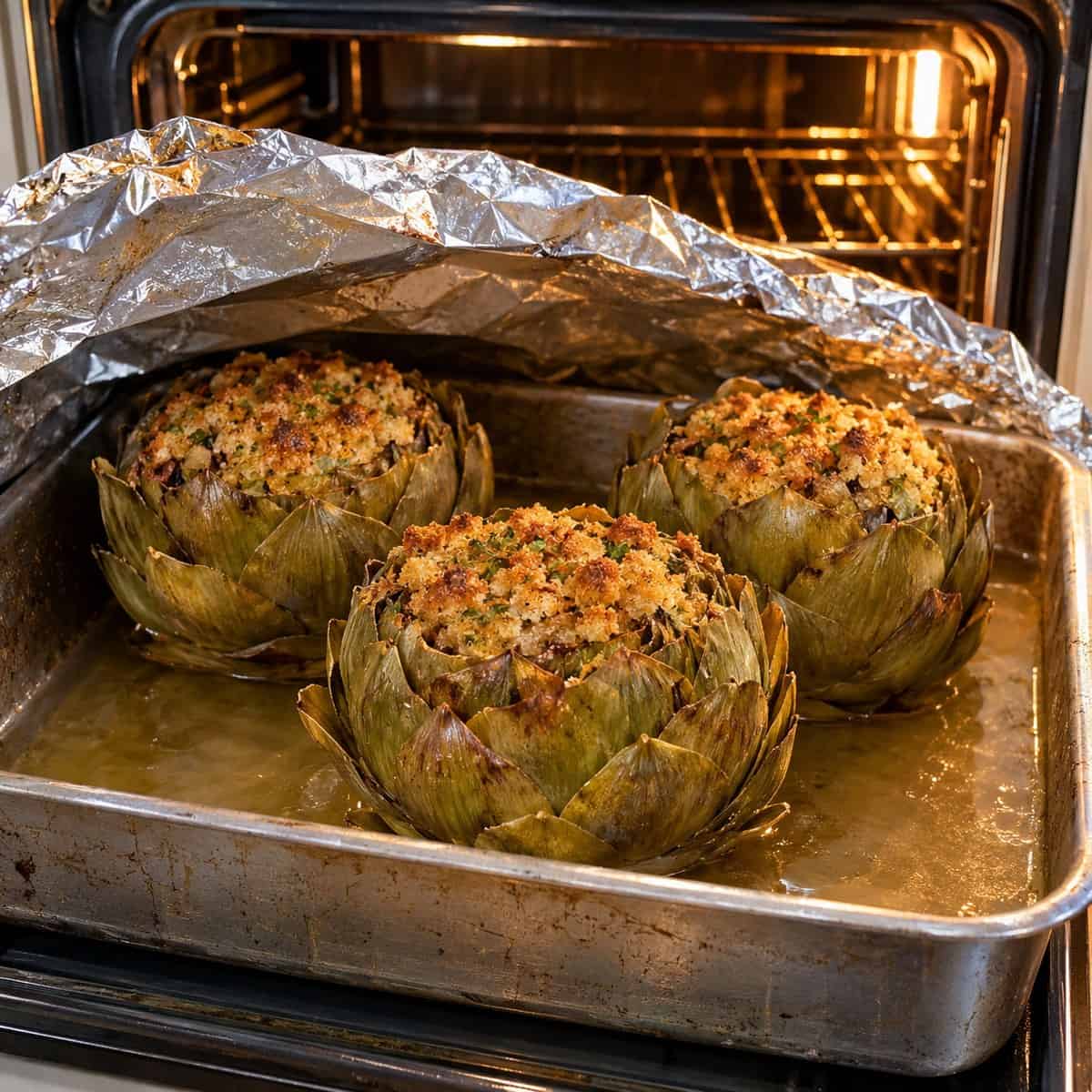
Easter artichokes went in the oven Sunday, came back out Monday, and showed up again Tuesday with a little water in the pan to steam them soft.
Between appearances they sat in the fridge, covered in the same sheet of foil, reused until it tore.
Repeated reheating is a write-up — every cycle through the danger zone adds risk, and breadcrumb stuffing holds moisture beautifully for bacteria.
In practice they were screaming hot every time and gone by Wednesday. If you make stuffed artichokes, reheat only the ones you’re eating. The rest stay cold until their turn.
15. The Refrigerator That Was Never Cold Enough
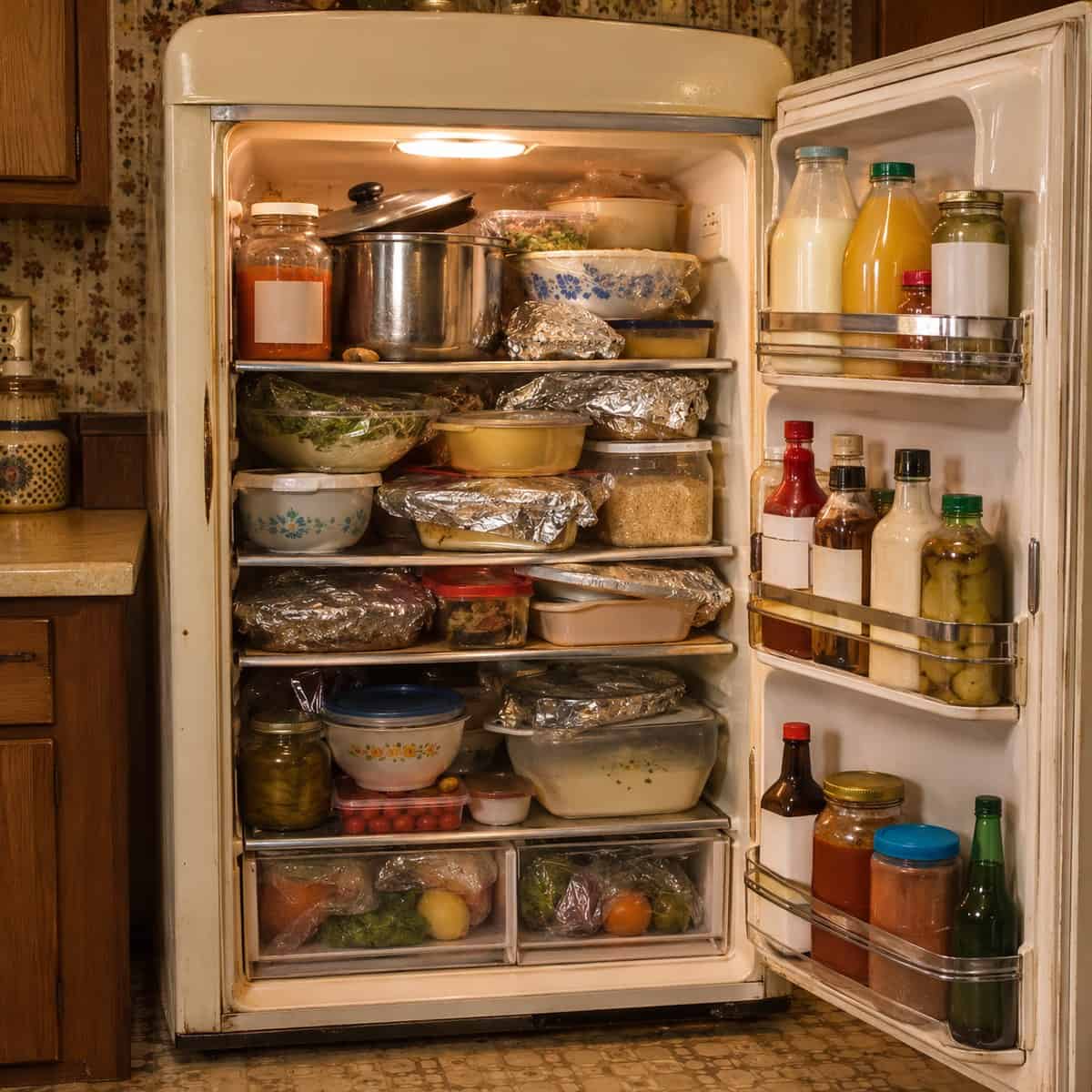
Packed to the gasket. Jars three deep, a platter balanced on a bowl, a pot of soup with the lid on crooked. You opened that door at your own risk.
Air couldn’t move in there, which means the back was cold and the front was barely cool.
Inspectors check fridge temps with a thermometer, every visit. Hers would’ve read 48 degrees on a good day.
She compensated by cooking in volume and eating it fast. Nothing sat long enough to matter. A four-dollar fridge thermometer is still the best money you’ll spend in a kitchen.
16. Olive Oil in a Dark Jug Next to the Stove
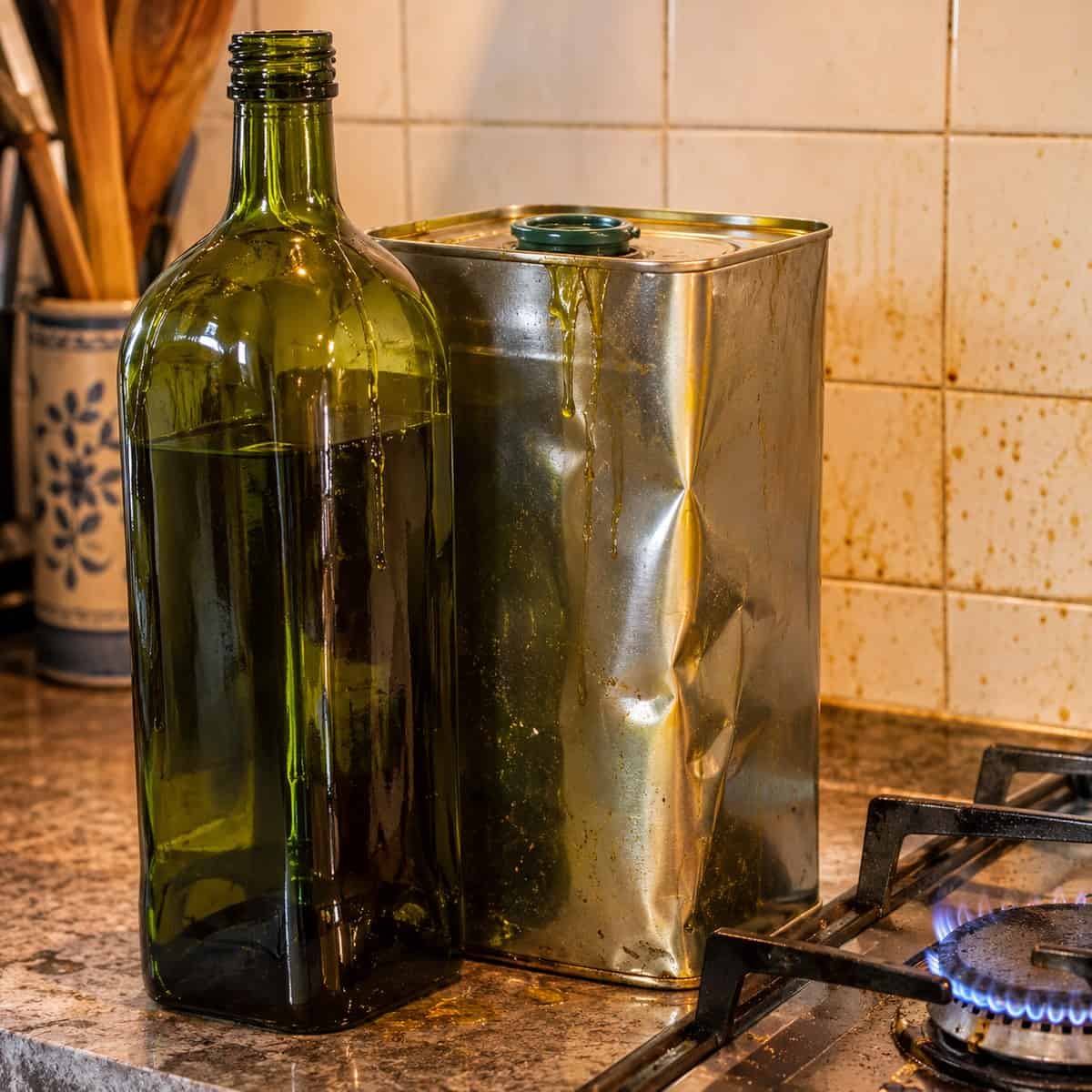
A gallon tin, sometimes decanted into a dark green bottle, parked eighteen inches from the burners because that’s where you need it.
She poured by eye and never measured. The level dropped about an inch a week.
Heat and light both wreck olive oil — an inspector would say store it cool and dark, and he’s correct about the chemistry.
Her defense was volume. That tin was never open long enough to go rancid. If yours takes six months to finish, move it to a cabinet and keep a small bottle by the stove.
17. Cold Leftover Pasta Eaten Straight From the Bowl
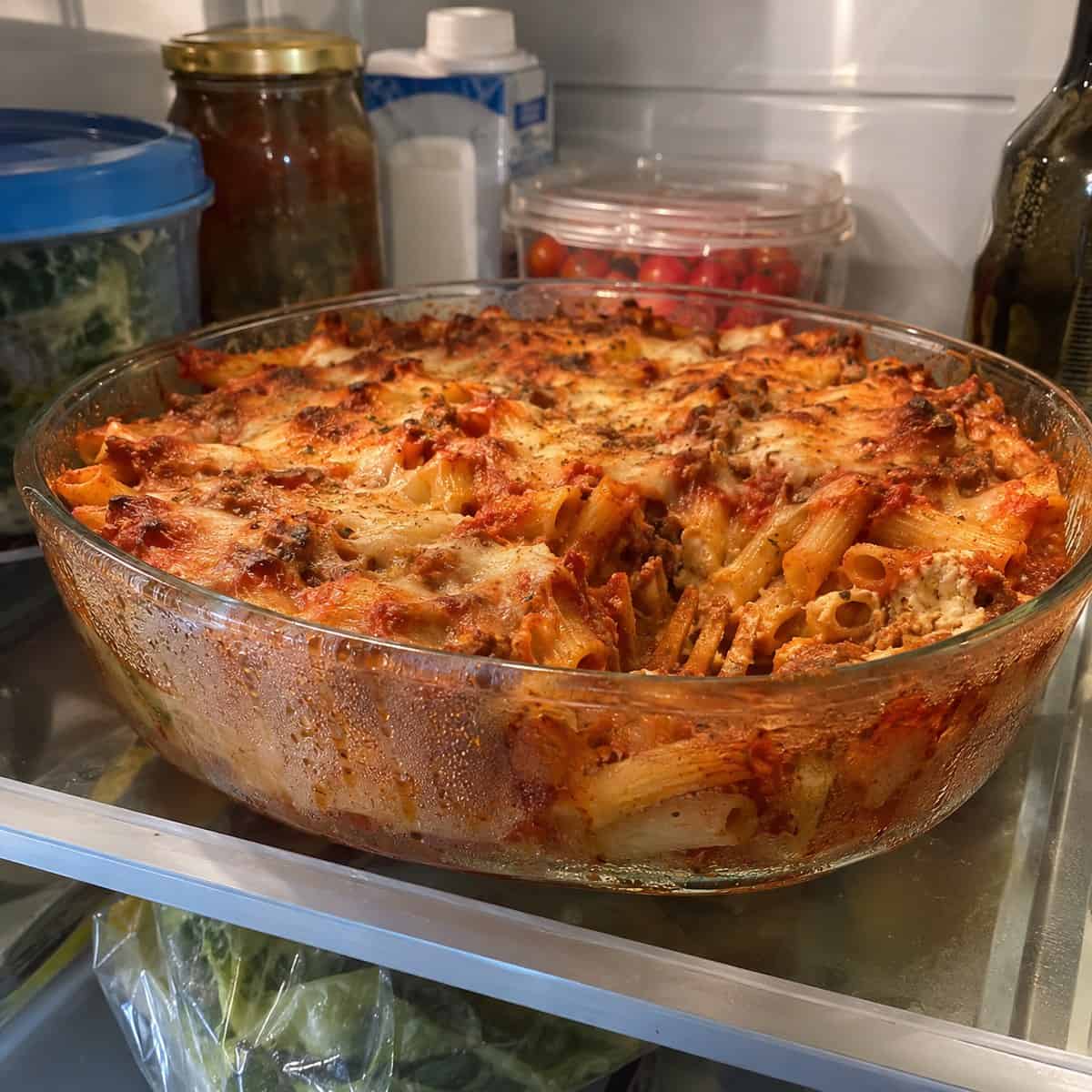
Sunday’s baked ziti, Monday at seven in the morning, standing at the open fridge with a fork. That was breakfast and nobody said a word about it.
The bowl went back in with the fork marks still in it.
Eating from the storage container, no reheat, in a fridge that ran warm — the inspector’s already writing.
Cold pasta actually develops resistant starch when it chills, which your body processes differently than hot pasta. She didn’t know that. She just knew it tasted better the next day.
18. The Grated Cheese Shaker That Lived on the Table
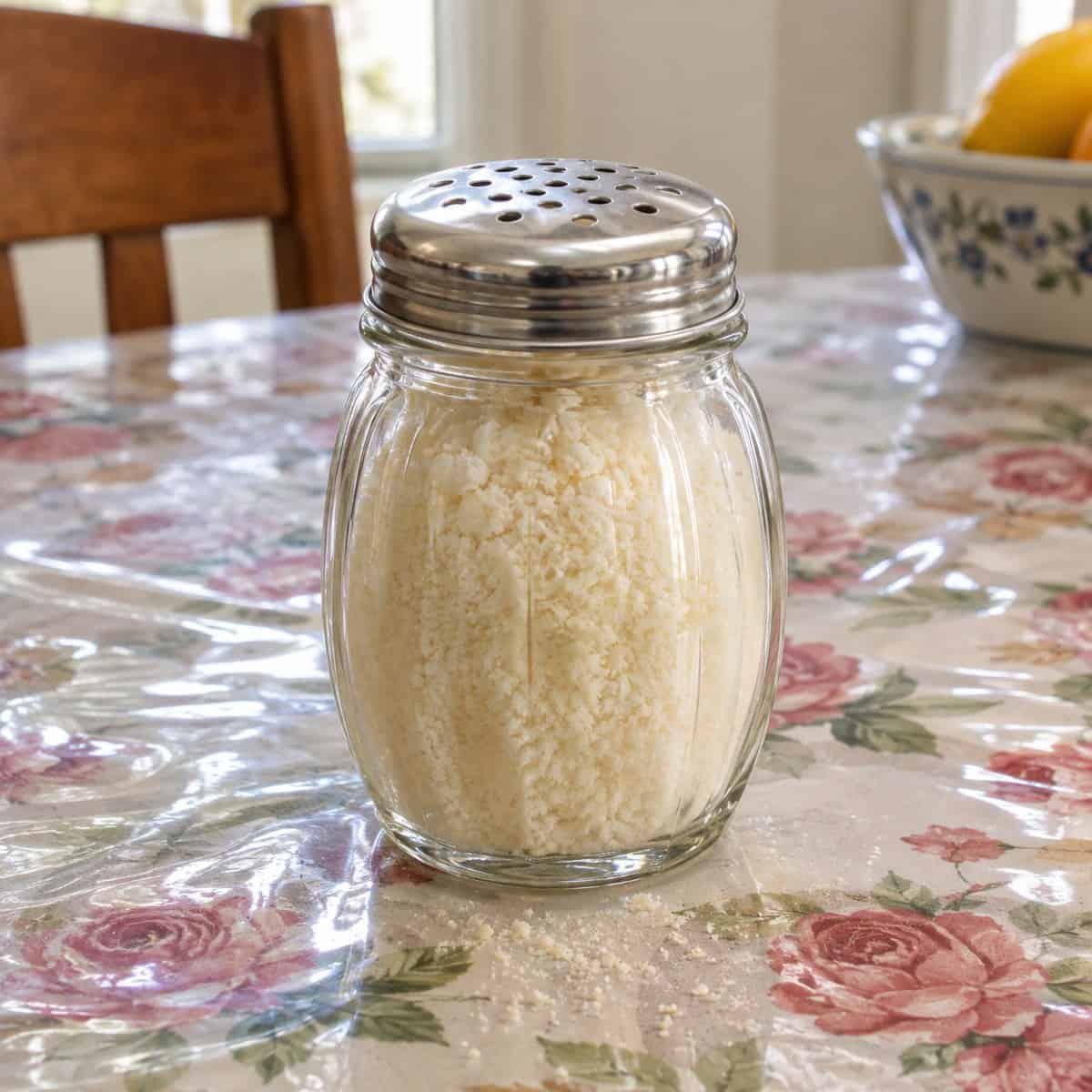
A glass shaker with a metal lid, full of grated pecorino, sitting on the table under the plastic tablecloth cover. It was refilled, not emptied and washed.
It was there in July. It was there in January. It was there when nobody had eaten at that table in four days.
Aged grating cheese out at room temperature for weeks would be flagged immediately in any inspection.
Hard cheese that’s been aged two years has almost no moisture left for bacteria to work with. The real enemy is mold, and in that shaker nothing lasted long enough to get there.
19. Reusing the Marinade as the Sauce
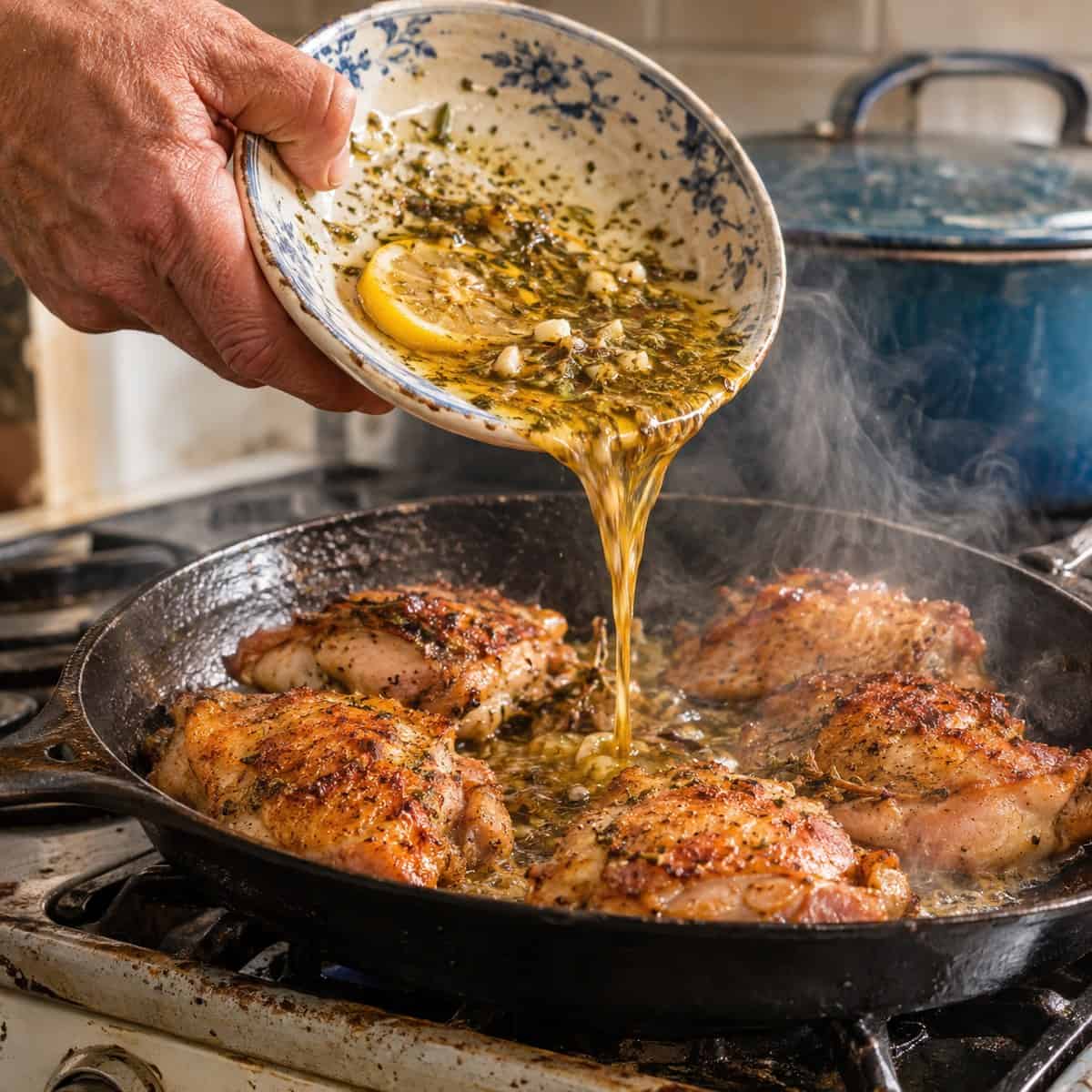
Chicken or pork sat in lemon, oil, garlic, and oregano all morning. When it hit the pan, the leftover marinade got poured right in behind it.
Waste was the actual sin in that house. Pouring flavored oil down the drain was unthinkable.
Raw-meat marinade reused without boiling is one of the few things that’ll get a kitchen closed the same day.
Hers went into a hot pan and cooked down for ten minutes, which is exactly the right move. Boil it hard for a full minute and it’s a pan sauce, not a hazard.
20. The Turkey Thawing in the Sink Overnight
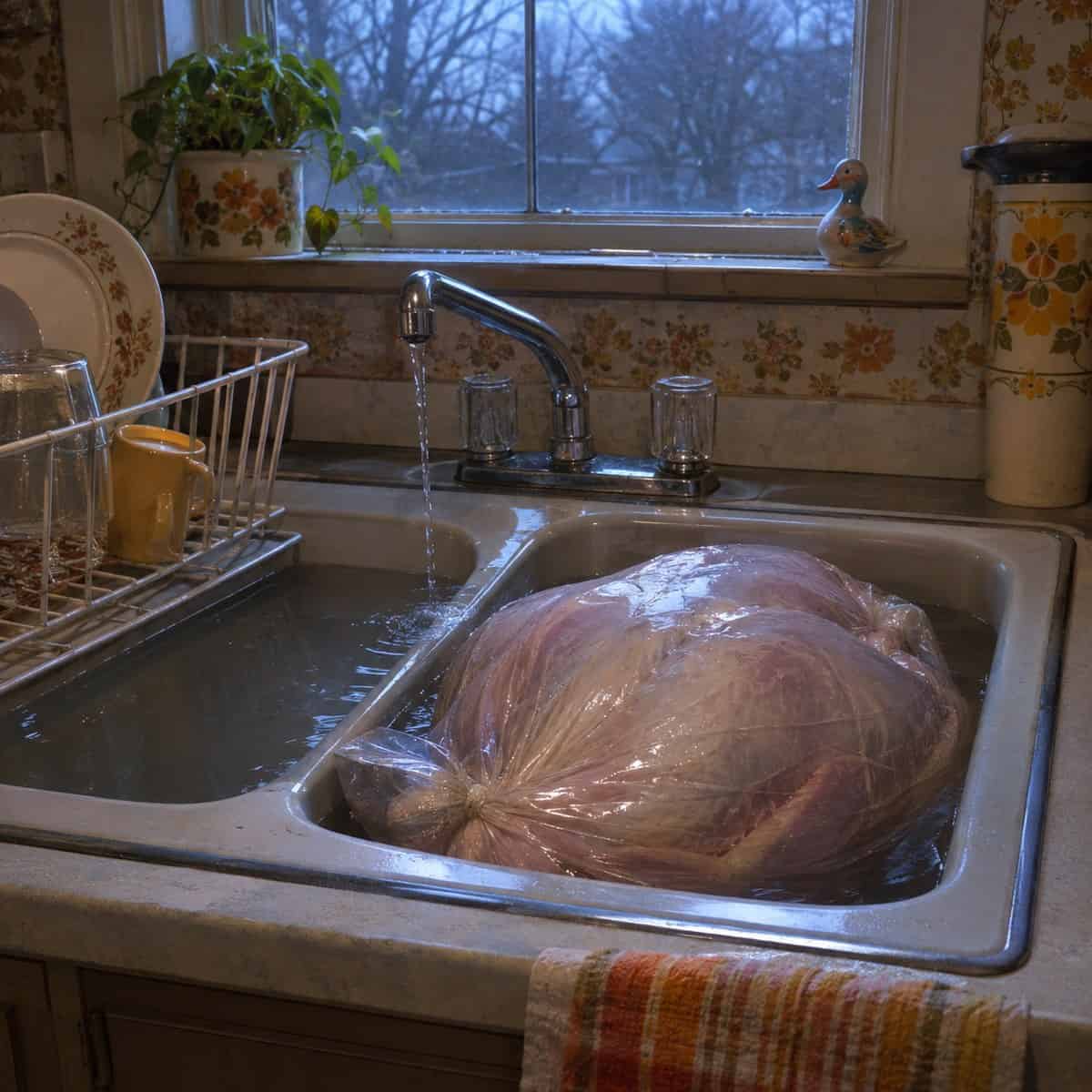
Twenty-two pounds, in the sink, in cold water that was cold when she went to bed Wednesday and room temperature by Thursday at six.
She’d change the water once in the morning and call it handled.
Cold-water thawing is legitimate, but only with a water change every thirty minutes. Overnight in a still sink means the outside of that bird spent eight hours in the danger zone.
This one she just got away with, repeatedly, for forty years. Thaw in the fridge — three days for a big bird — and buy yourself the peace of mind.
21. Bacon Grease in a Coffee Can on the Back of the Stove
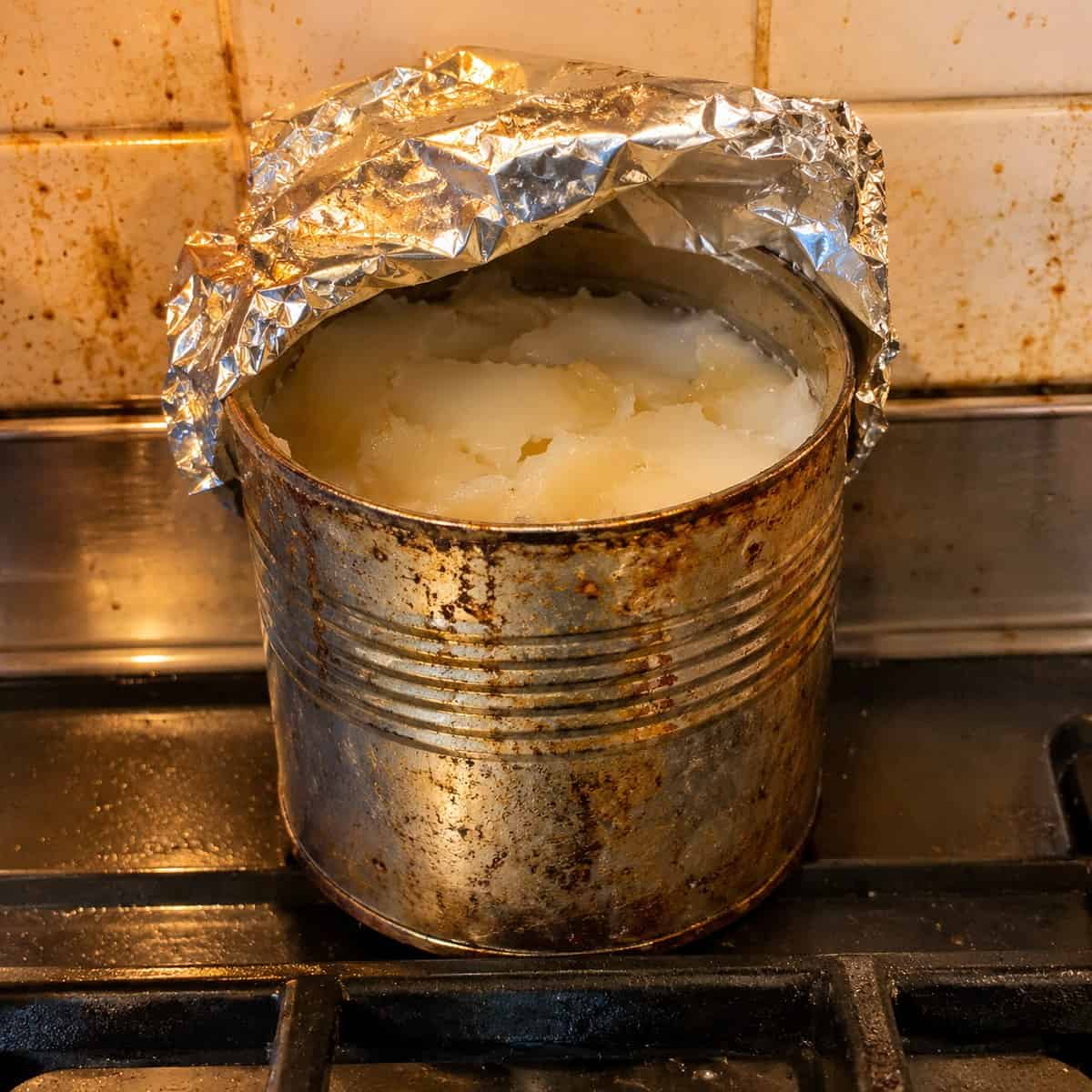
A Chock Full o’Nuts can with a scrap of foil over the top, collecting every rendered drop of pancetta and sausage fat. It never went in the fridge.
That grease started eggs, started greens, started a soffritto when the olive oil ran low.
Rendered animal fat held at room temperature with food particles in it will go rancid and can grow things. An inspector would toss it without asking.
She strained hers through a tea strainer, which removes most of the problem. Keep the can, strain the fat, put it in the fridge.
22. Washing Chicken in the Sink
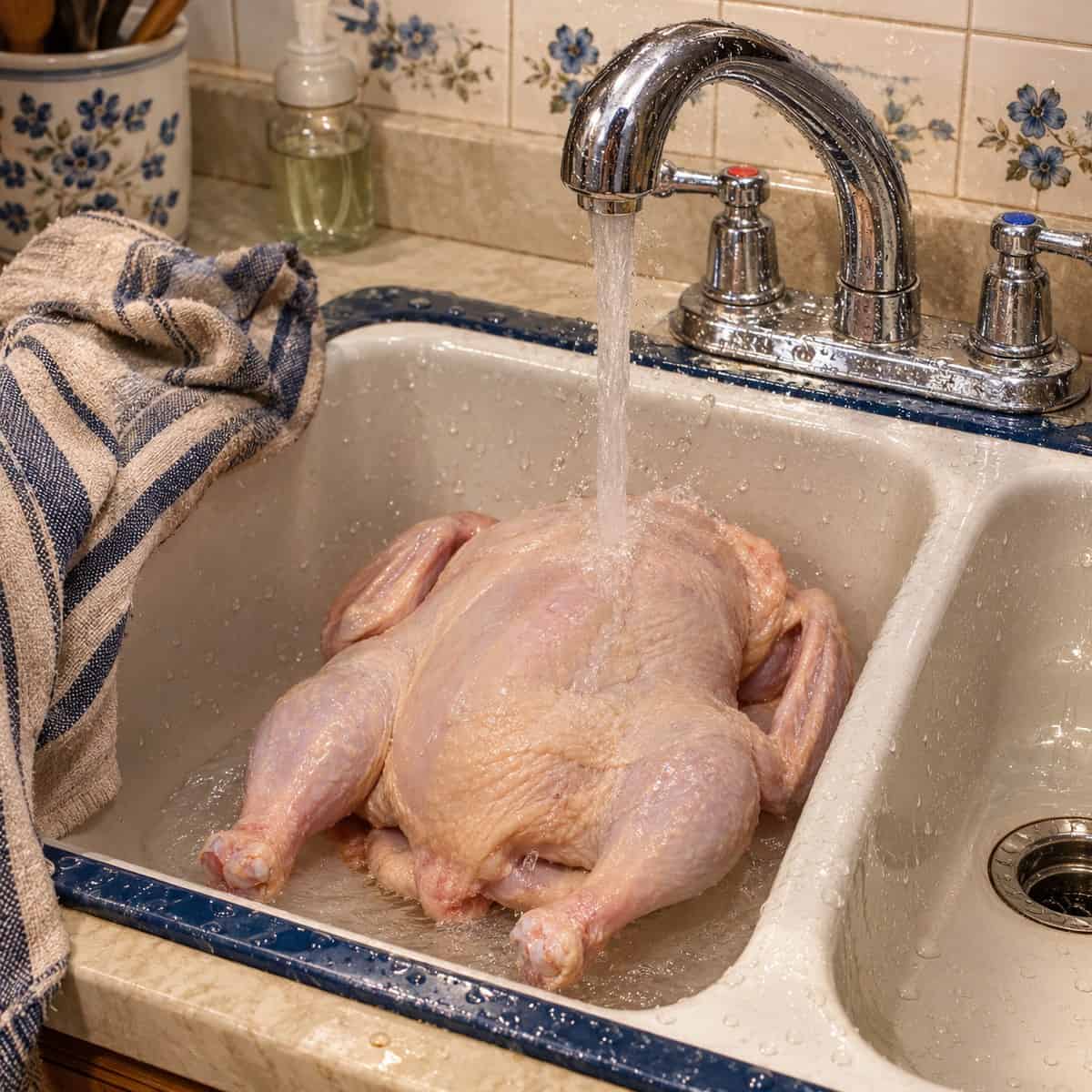
Every bird got a rinse under the tap, inside and out, then a pat down with paper towel. Her mother did it, so she did it.
The spray went two feet in every direction — onto the dish rack, the faucet, the dish towel hanging right there.
This is the one modern food safety is loudest about, and for good reason. Rinsing poultry doesn’t remove bacteria, it aerosolizes it across your counter.
Skip it. Pat the bird dry with paper towel and throw the towel away. Drier skin browns better anyway, so you lose nothing.
23. Eggs Kept on the Counter in a Bowl
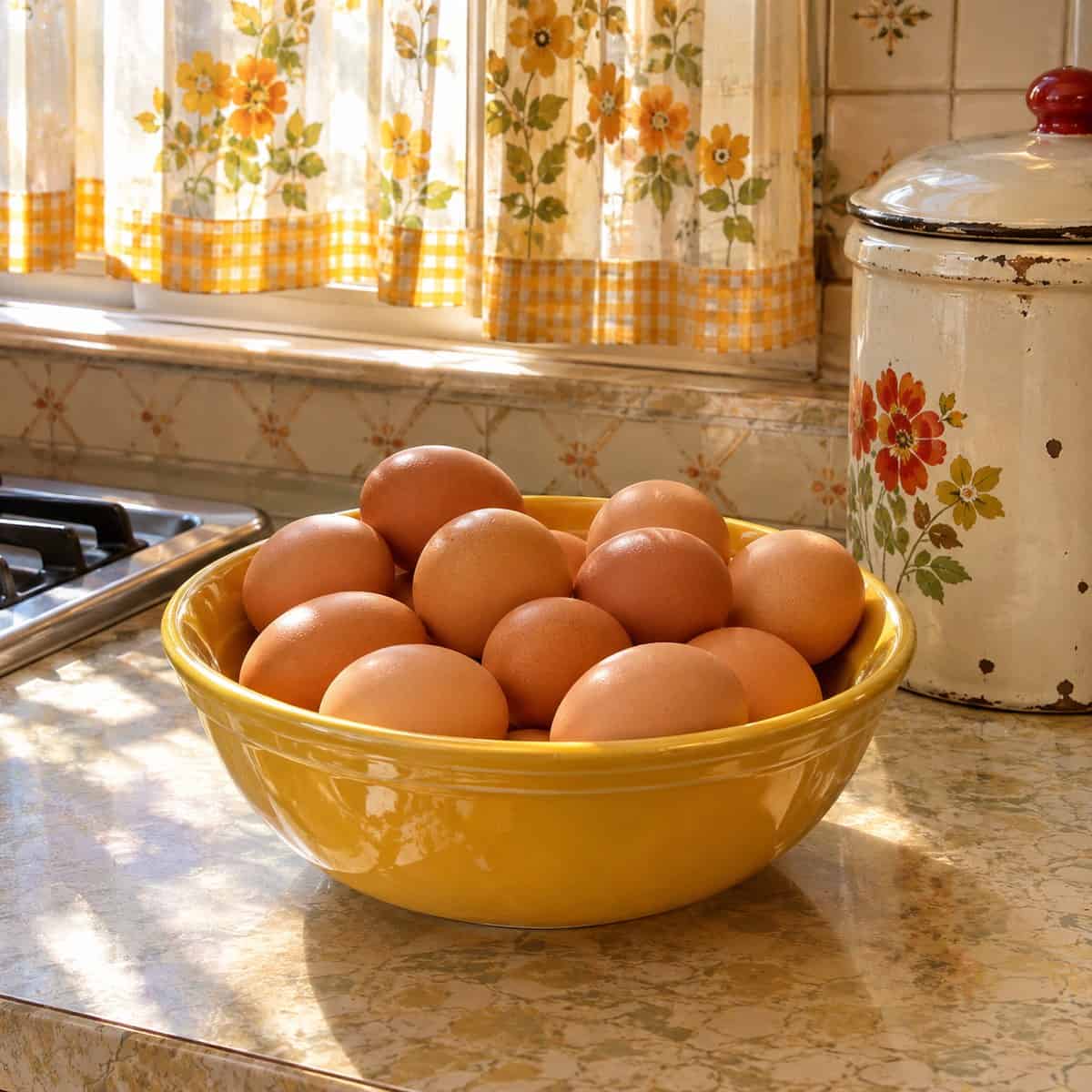
A yellow ceramic bowl of eggs sat next to the sugar canister. They never saw the inside of a refrigerator unless there were more than two dozen.
Room-temperature eggs whip better, bake better, and don’t crack when they hit hot water. She was right on all three counts.
In the US, eggs are washed at the processing plant, which strips the natural bloom and makes refrigeration genuinely necessary. An inspector would be correct here.
In Italy they still sit on the shelf at the market, unwashed and unrefrigerated. Same food, different rules, both of them sensible for where they are.
24. Canned Tomatoes Left in the Open Can in the Fridge
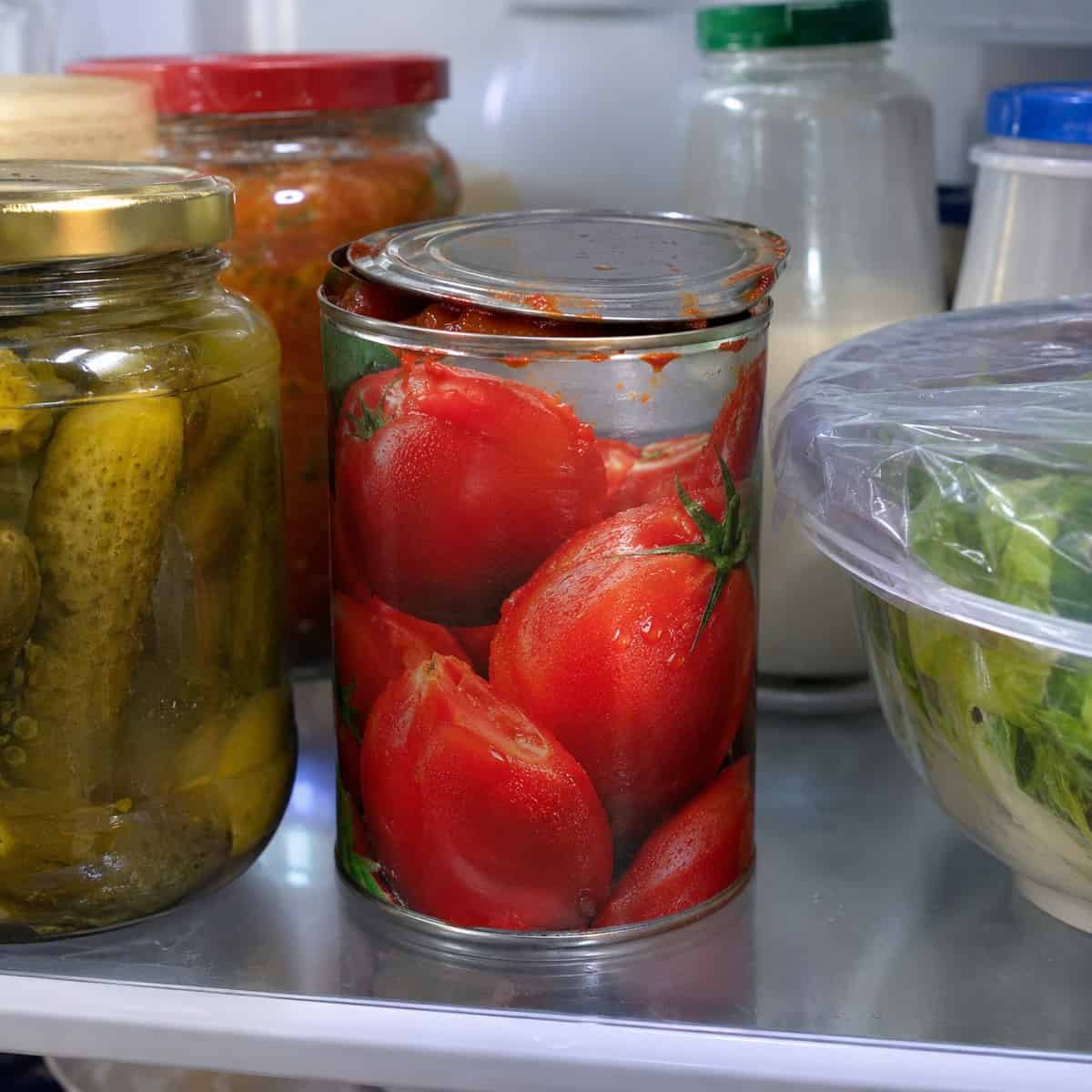
Half a can of San Marzanos used, the other half shoved in the fridge with the lid pressed back down, sharp edge and all.
It’d come out two days later and go into a pot of soup without comment.
Storing acidic food in an opened can is a standing violation — the acid attacks the exposed metal and the tomatoes pick up a tinny edge.
You can taste it, too, which is reason enough. Thirty seconds and a glass jar fixes it permanently.
25. The Pot That Soaked in the Sink Until Morning
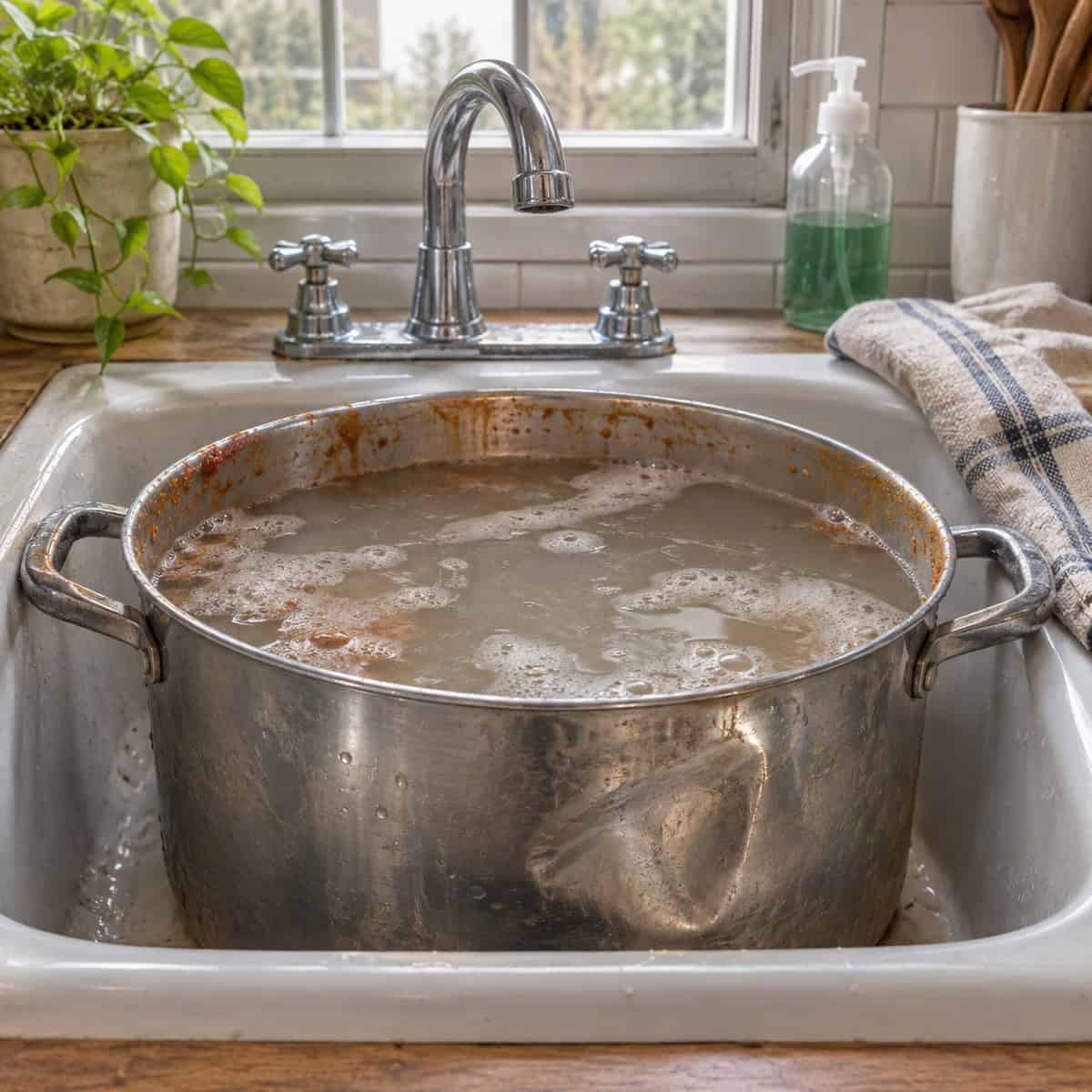
The gravy pot was too big for the drainer and too heavy to fight at ten at night. It got filled with hot water and a squirt of soap and left until the morning.
Sometimes the morning meant noon. Sometimes it meant whoever walked in first and felt guilty.
Standing water with food residue for twelve hours is a bacterial culture, plain and simple. An inspector would need a moment.
But it all went into a pot that would hit a rolling boil the next time it was used. She never worried about that pot, and in forty years of Sundays it never once betrayed her.
If you grew up around any of this, you already know the rules she really cooked by — and we’ve collected more of those unwritten kitchen rules if you want to see how many you recognize.
26. Baccalà Soaking in a Basin in the Basement
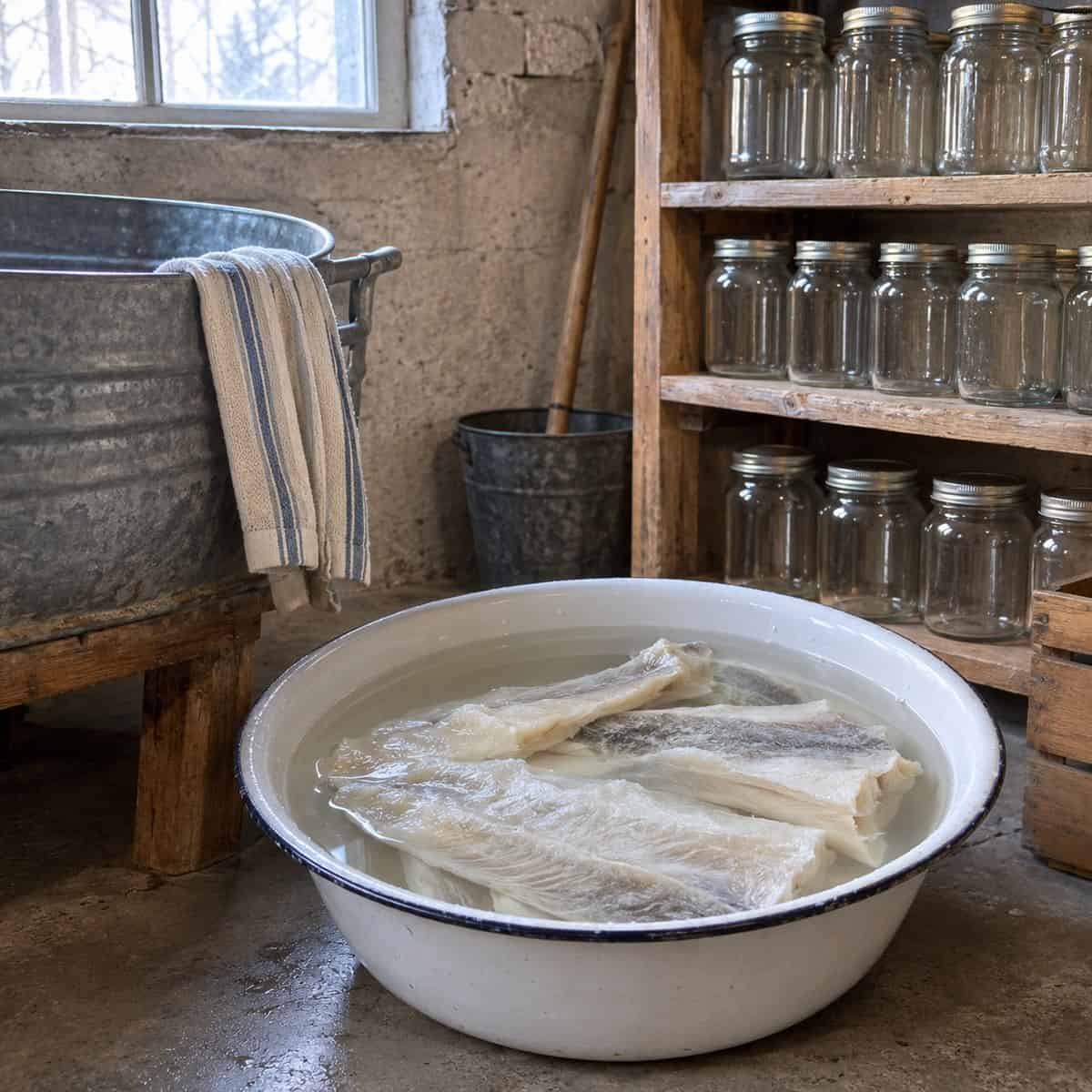
Starting around December 21st, a slab of salt cod as stiff as a roof shingle went into an enamel basin next to the basement washtub. It soaked for three days for the Christmas Eve fish.
She changed the water when she remembered, which was twice a day or once, depending on how many trays of cookies were in the oven upstairs. By the 24th the whole basement smelled like the docks.
An inspector wants raw fish under 40 degrees, covered, in a refrigerator. A basin on a concrete floor in December comes close, but close isn’t the standard.
The salt did most of the protecting, and that basement was honestly colder than her fridge. I soak mine covered, in the refrigerator, and change the water three times a day.
27. The Back Porch as a Second Refrigerator
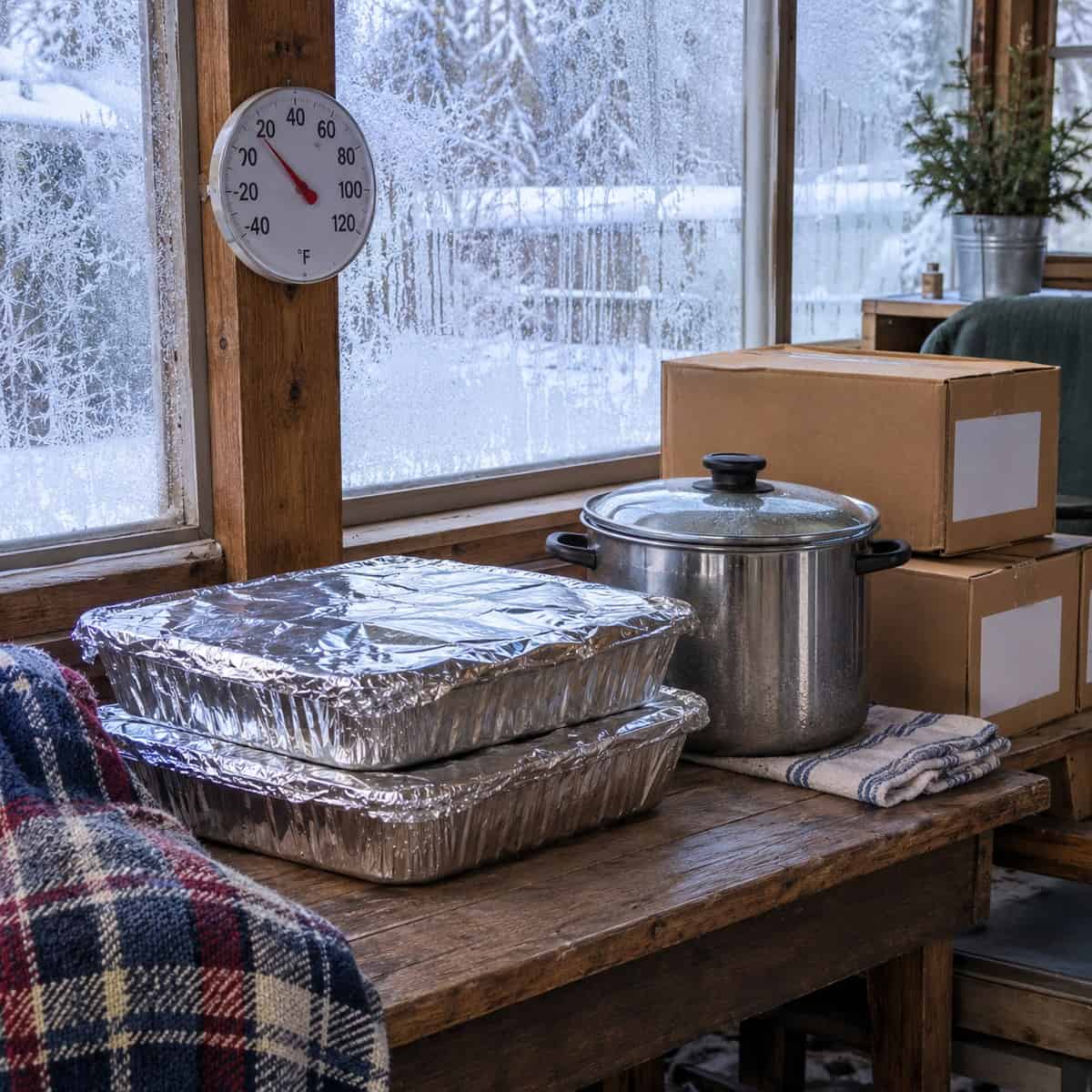
From Thanksgiving to Easter, the enclosed back porch held whatever the fridge couldn’t. The ham, a pot of escarole soup, two trays of lasagna under foil, a case of soda against the wall.
I got sent out there in my socks for things. A thermometer was nailed to the post by the door, and I was the only one who ever read it.
An inspector would ask the obvious question: what happens on a forty-five degree afternoon? Sun through porch windows can turn a cold room warm in an hour.
On a twenty-degree night that porch was perfect. On a sunny day in March, it wasn’t. If you use a garage or porch for overflow, put a thermometer out there and believe it.
28. Christmas Cookies Cooling on the Spare Bed
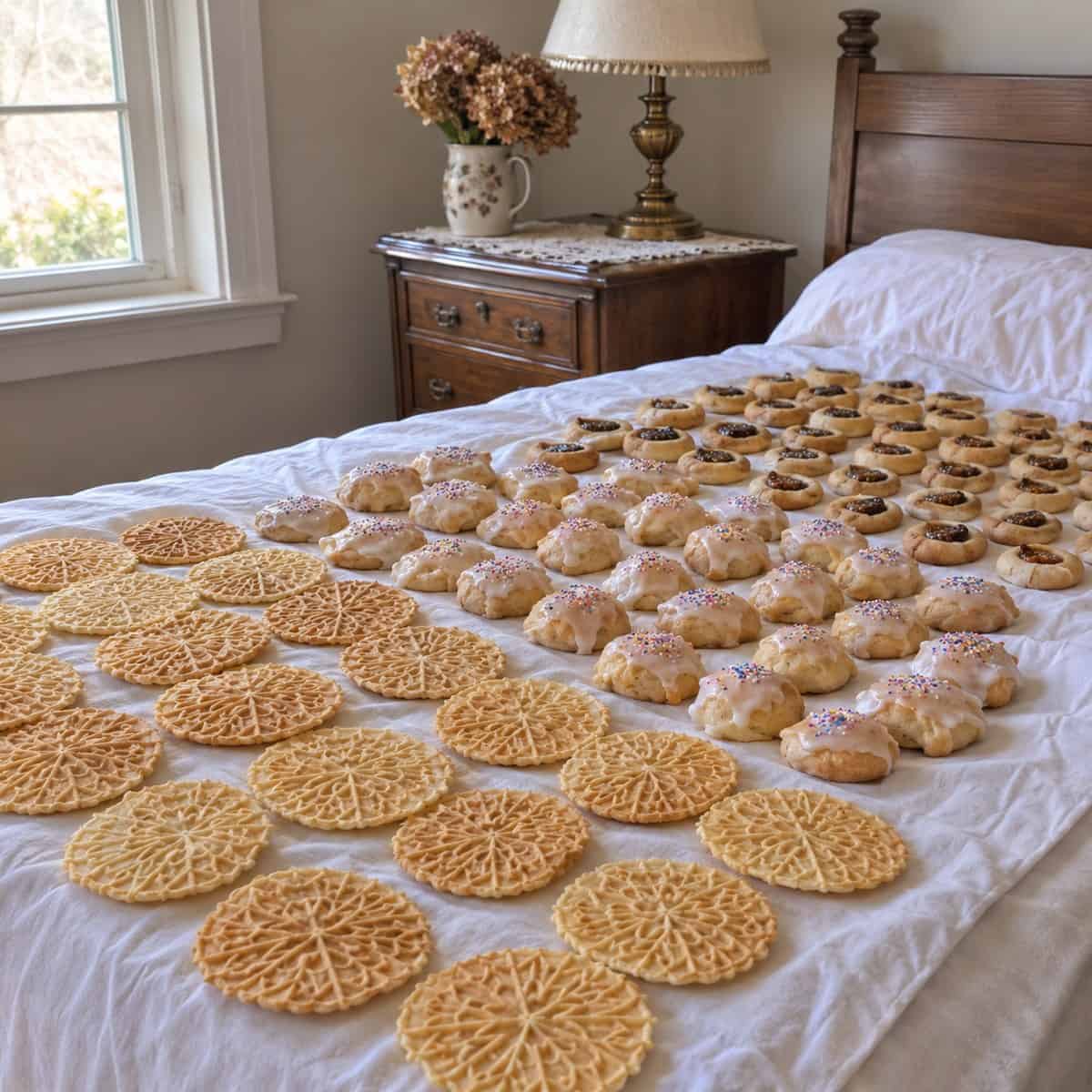
Every December the spare room stopped being a bedroom. A clean sheet went over the bedspread, and the cookies went on top: pizzelle, anginetti, fig cuccidati in rows, waiting for the trays.
They stayed there two weeks with the door shut. My brother got caught in there once because of the floorboard that creaked, and he never lived it down.
A bedroom isn’t a food storage area. An inspector would point out that a bedspread holds dust, pet hair and worse.
But dry, sugary cookies are about the safest food there is. Cover them with a second sheet, keep the cat out, and the system holds. If you’re filling your own tray this year, these Italian cookies will look right at home on a bed.
29. Olives Curing in a Crock Under the Stairs
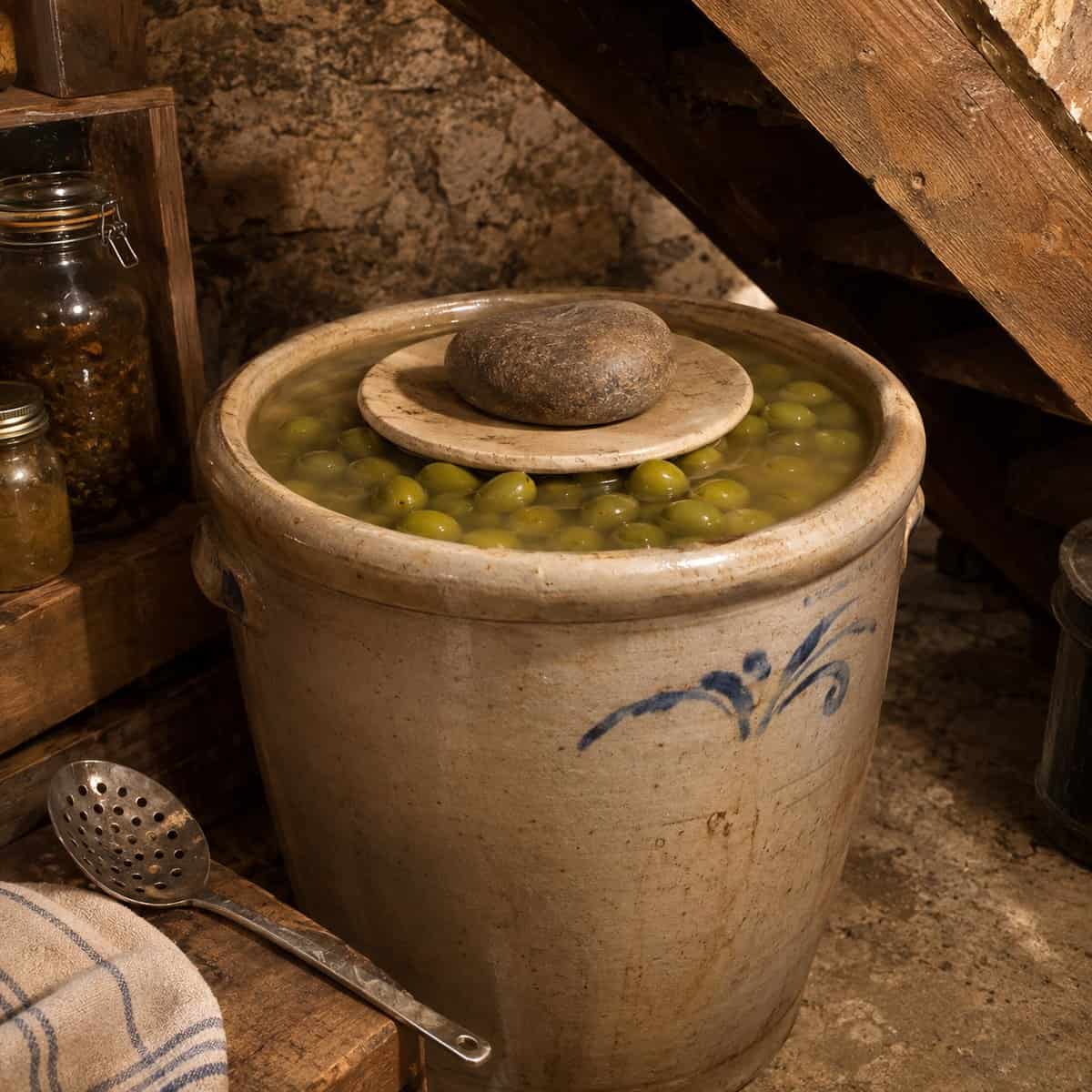
A stoneware crock of green olives in brine, with a plate weighted down by a river rock to keep them under. They cured for months, and she fished them out with her fingers.
Nobody measured the salt. She floated an egg in the brine, and when a circle about the size of a quarter showed above the water, it was right.
An inspector would want measured salinity and clean utensils. The white film that sometimes formed on top would make him reach for his pen.
The egg trick is old but sound, a rough salt test. The film was usually harmless yeast that she skimmed off. Use a clean slotted spoon, though, and throw out any batch that smells wrong or goes soft.
30. The Chest Freezer Full of Unlabeled Containers
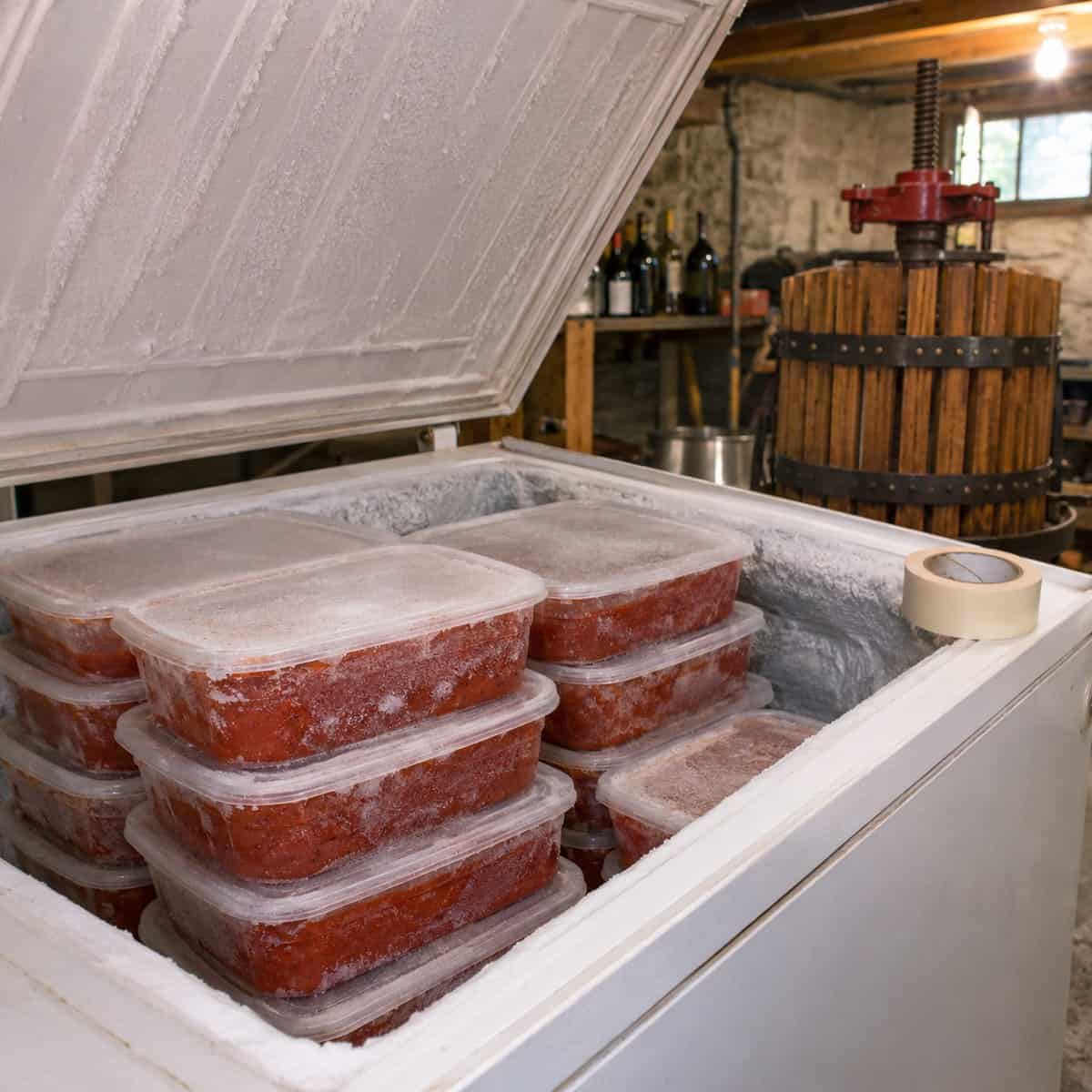
Old ricotta tubs and margarine tubs, stacked four deep in the basement chest freezer. Every one of them held something red, and not one had a word written on it.
My uncle thawed a tub for macaroni one Sunday. It was cranberry sauce, and nobody could say from which Thanksgiving. Nonna said it was still good. Nobody tested that.
An inspector wants every container labeled and dated. Food held at zero degrees stays safe, but it doesn’t stay good, and freezer burn doesn’t care whose gravy it is.
A strip of masking tape and a marker, that’s the whole fix. Write what it is and the month. Your family will thank you, or at least stop guessing.
Conclusion
Some of this was wisdom dressed up as carelessness. Salt, acid, hard boils, and food that never sat still long enough to turn — that’s a food safety system, just not one you can write on a form.
And some of it was pure luck with a strong immune system behind it. The turkey in the sink. The uncut peppers in oil. The tomatoes with no lemon juice. Those I fixed in my own kitchen and I’d fix in yours.
What I didn’t change is the part that mattered. The spoon that tastes and goes back in. The frittata waiting on the counter for whoever shows up. A kitchen that assumes somebody’s coming.
Buon appetito, Madeline