The Unwritten Rules of New Year’s Eve at an Italian House
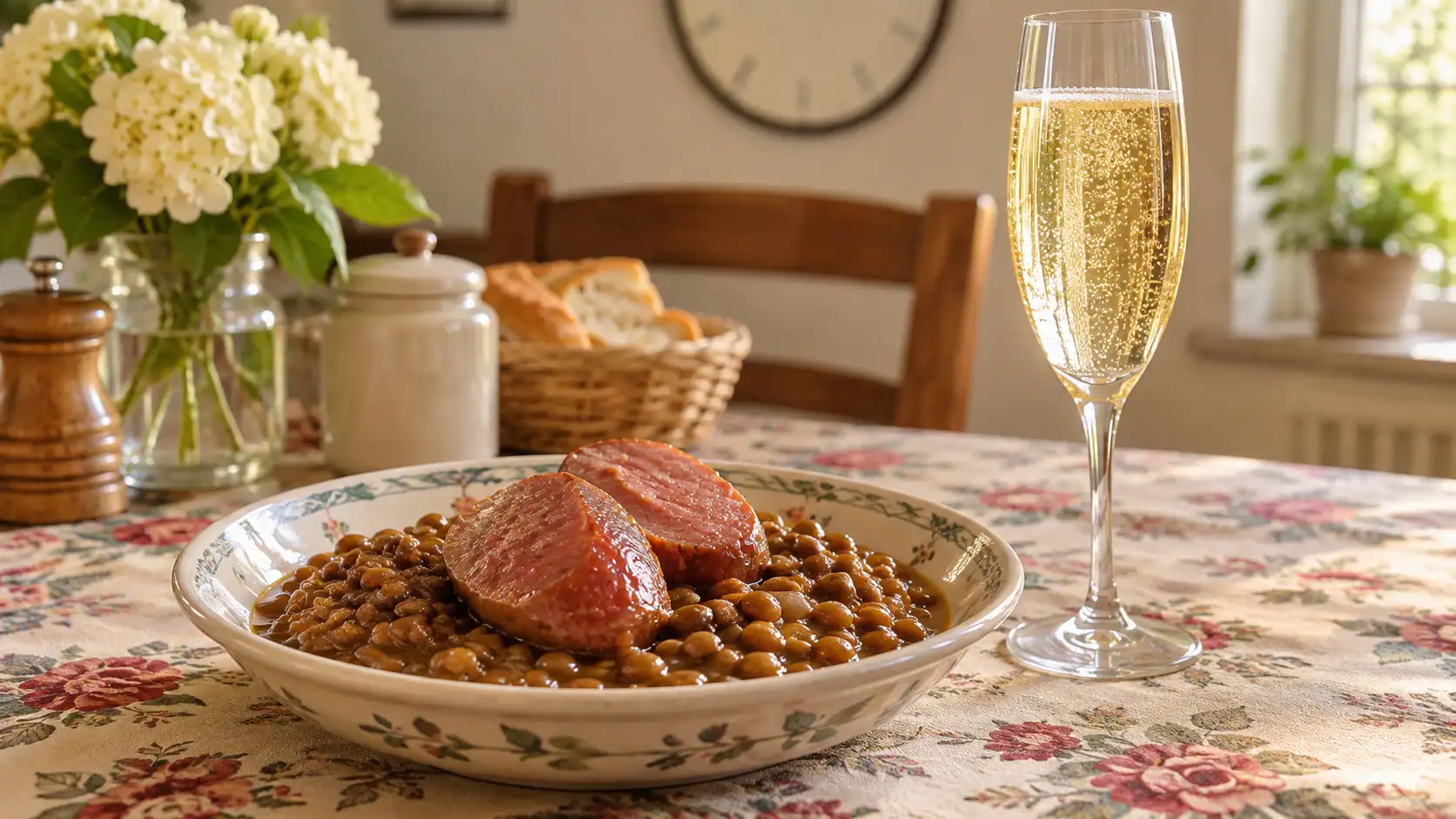
By nine o’clock on December 31st, Nonna Pina’s kitchen smells like pork fat and bay leaves, and there is a pot of lentils on the back burner that nobody is allowed to touch yet.
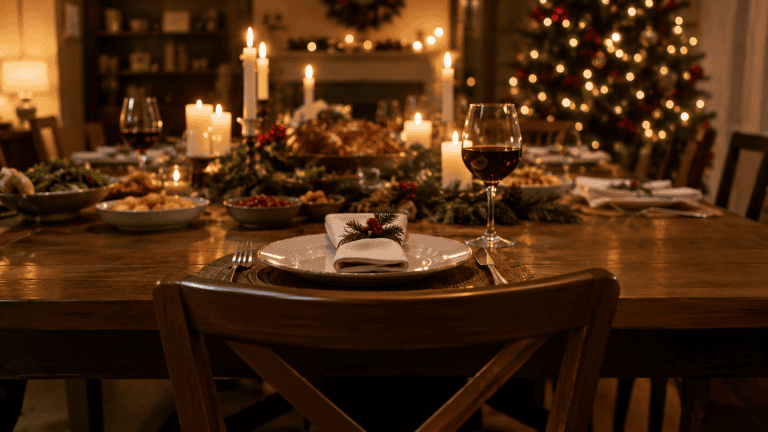
The good tablecloth is out. The plastic cover is not. That’s how you know it’s a real night.
New Year’s Eve in an Italian house isn’t a party so much as a list of obligations disguised as a party. Some of these rules came over from Sicily with my grandmother. Some of them got invented somewhere between Ellis Island and a rowhouse in South Philly, and nobody has ever admitted that.
Either way, you follow them. You eat the lentils. You wear the red thing. You call the woman who taught you all of it before the clock finishes.
Here are the unwritten rules of New Year’s Eve at an Italian house — the ones nobody writes down, and everybody obeys.
1. The Lentils Are Not Optional
You eat lentils after midnight or you’ve insulted the entire year.
This one is straight from Italy, not an American invention. Lentils look like little coins, and the idea is that the more you eat, the more money finds you — Italy Magazine traces the custom back to the Romans, who gave each other pouches of lentils and hoped they’d turn into coins.
Nonna cooks hers plain. Onion, carrot, a bay leaf, good olive oil, maybe a tomato if she’s feeling expressive. No bacon, no cream, nothing clever.
The first year I made my own in my apartment I used the Italian lentil soup recipe from the site and ate it standing up at 12:04 with my coat still on. Still counted.
2. The Cotechino Is the Centerpiece, Not the Side
A fat, pale sausage simmering in a pot of water looks like nothing. Then you slice it.
Cotechino is pork rind, pork meat and fat, slow-cooked until the whole thing goes soft and almost sticky. In Italy it’s the official partner to the lentils, usually from Modena, and it’s been made that way for centuries — the Cotechino story goes back to a siege in the 1500s when people had to use every scrap of the pig.
Zampone is the showier cousin: same filling, stuffed into a hollowed-out pig’s trotter. Nonna thinks zampone is for people who want attention.
One slice each on top of the lentils, a little of the cooking liquid spooned over, and that’s the plate. Rich as anything. You sleep like a brick afterward.
3. Somebody Is Wearing Red Underwear
And somebody will announce it.
Red underwear on New Year’s Eve is real, it’s from Italy, and it’s everywhere — department stores in Rome stack it by the register in late December. Red for luck, for love, for a year that doesn’t kick you around.
The rule nobody tells you: it’s supposed to be a gift, not something you bought yourself, and you’re supposed to throw it out on the first.
Nonna’s friend Carmela from church has been handing out red socks for years as a workaround, because she finds the underwear conversation improper. Nonna wears the socks and says nothing.
I got a pair of red socks my first December in my own place. I still put them on at eleven.
4. The Twelve Grapes Argument Breaks Out Every Year
Someone always brings grapes. Someone always says the grapes are Spanish.
They’re right. Twelve grapes at midnight, one per chime, is a Spanish tradition that walked into Italian-American houses through neighbors, in-laws and television, and now it’s just part of the night.
Nonna allows them on the table. She does not eat them. She calls them a decoration with ambitions.
My friends love the grapes because it gives everyone something to do with their hands at midnight besides stare at the TV. Twelve grapes in ten seconds is harder than it sounds, and watching three adults panic-chew is excellent entertainment.
Keep them seedless. Learn from the year we didn’t.
5. Something Old Goes Out the Door
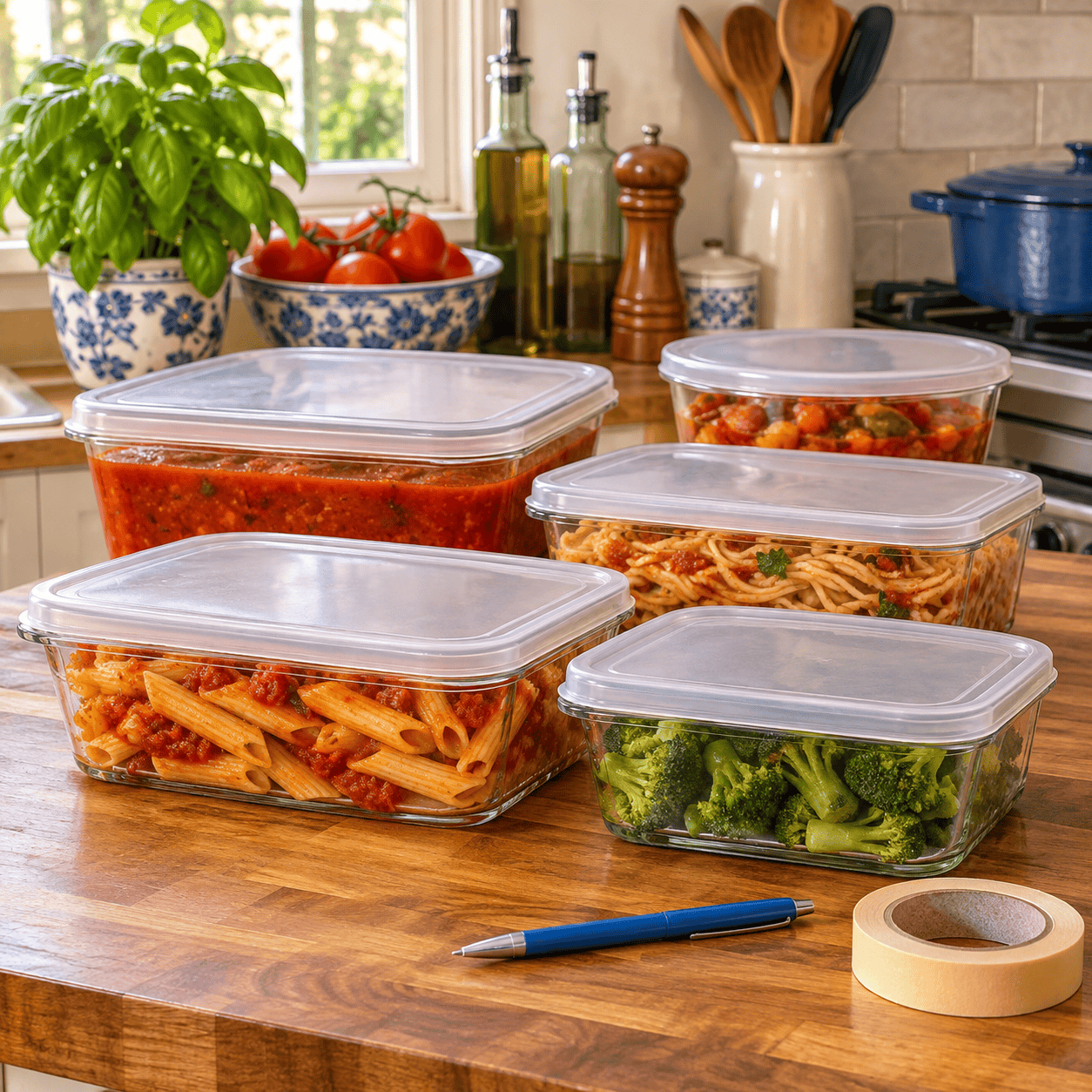
In parts of southern Italy people used to throw old things out the window on the thirty-first. Plates, chipped pots, once in a while a chair.
You can’t do that in a rowhouse with a shared alley, so the Italian-American version is a trash bag by the back door.
Nonna fills hers by noon. Cracked tupperware, a sweater that lost its shape in 1998, the colander with the bent handle she finally admitted was finished.
The logic is simple. The new year needs room, and it won’t come into a house that’s already full.
Last year I threw out a wooden spoon that had gone black at the tip. It felt disrespectful. I did it anyway, because the rule is the rule.
6. The Sauce Goes On Before the Party
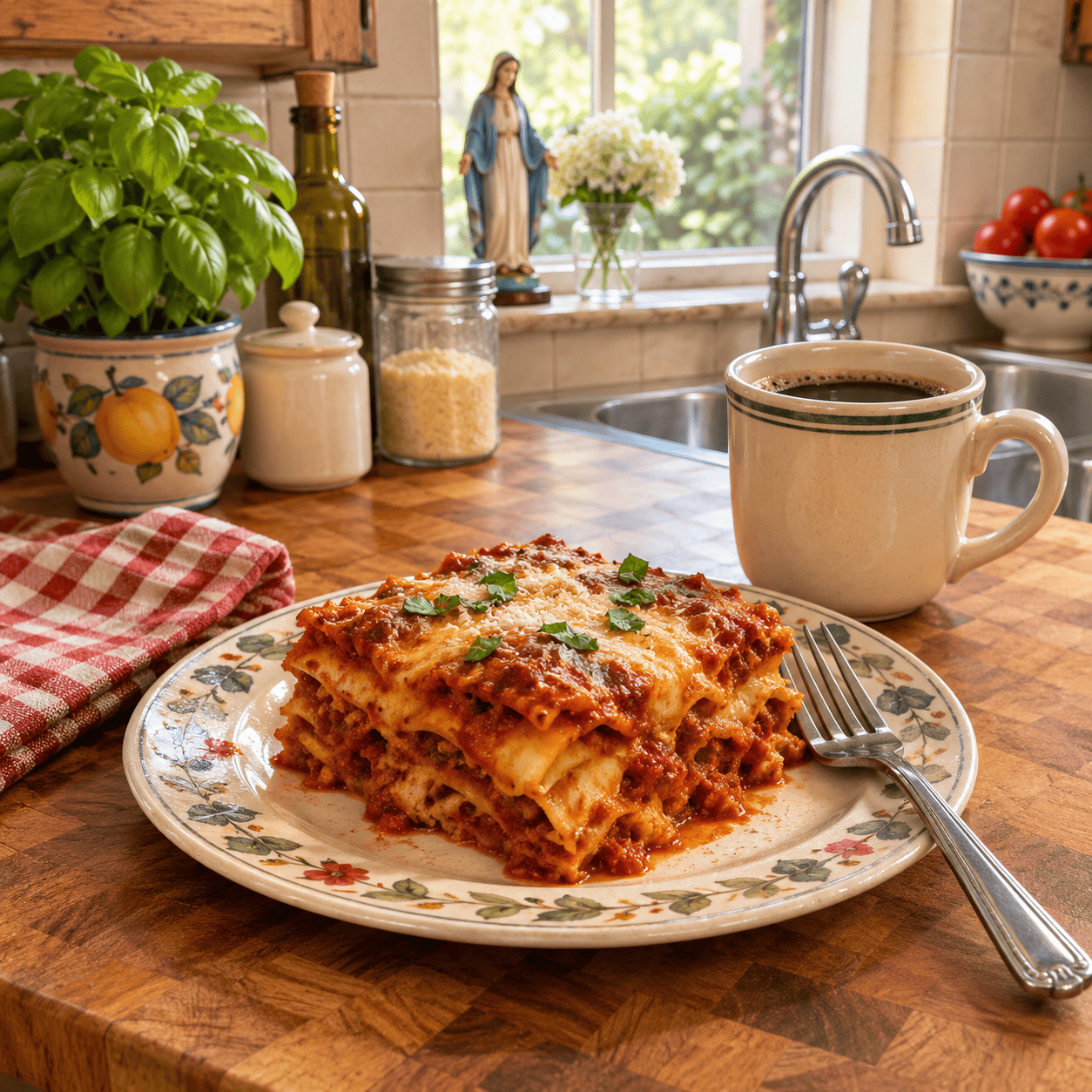
There is always a pot of gravy on the stove on New Year’s Eve, even though gravy isn’t on the menu.
It’s for tomorrow. Nobody wants to start a pot of sauce at eleven in the morning on January 1st with four hours of sleep and a prosecco headache.
So it goes on at six, gets stirred between the antipasto and the cotechino, and sits covered on the back of the stove overnight.
Nonna says a house should never start a year with a cold stove. I’ve decided to believe that’s an ancient Sicilian saying and not something she made up in 1987.
Gravy or sauce — I’m not settling it here. The pot is the point.
7. The First Person Through the Door on January 1st Matters
Dark-haired man, ideally. Bringing something, always.
The first-footing idea isn’t only Italian — Scotland has its own version — but plenty of southern Italian families carried a form of it over, and in Italian-American houses it hardened into a joke with teeth.
The first visitor of the new year sets the tone. Come empty-handed and you’ve started everyone’s year wrong, which ties neatly into the broader law that showing up empty-handed is not an option.
A neighbor of Nonna’s used to time his arrival for 12:15 with a bottle of anisette, every single year, because he knew he was good luck and he enjoyed it.
He’s gone now. Somebody else brings the anisette.
8. No Laundry on New Year’s Day

Touch the washing machine on the first and you’ll “wash someone out of the family that year.”
I have never found a satisfying origin for this. It shows up in Italian-American houses, in Southern American houses, in Pennsylvania Dutch houses. It traveled.
What I know is that Nonna’s basement laundry line sits empty on January 1st and it’s the only day of the year that’s true.
Same logic extends to sweeping. Don’t sweep on the first, or you sweep the luck right out onto the sidewalk.
I don’t believe it. I also don’t do laundry on the first. Those two facts live together comfortably.
9. The Toast Happens With Prosecco, Not Champagne
Bottles get opened at 11:55, not midnight, because nobody wants to be wrestling a cork during the countdown.
Prosecco, spumante, something Italian. Nonna’s position is that French champagne at an Italian table on New Year’s Eve is a small act of betrayal and also a waste of forty dollars.
The pour goes to everyone, including whoever is twelve, who gets an inch in the bottom of a good glass and feels enormous about it.
You look people in the eye when you clink. Every one of them. No crossing arms, no clinking over somebody else’s glass.
And nobody drinks until the last person has been looked at. It takes a while in a crowded kitchen. That’s fine.
10. The Midnight Phone Call to Nonna
If you are not in her house at midnight, you call her at midnight. Not 12:20. Not the next morning.
This is the rule I break the least, because the one time I waited until 12:40 to call, she answered with “Oh, you’re alive,” and I’ve carried that around ever since.
The call lasts ninety seconds. Auguri, buon anno, did you eat the lentils, yes I ate the lentils, okay, I’m going to bed.
She has a landline on the wall in the kitchen with a cord long enough to reach the stove. On New Year’s Eve that phone rings maybe fifteen times.
Everybody calls. That’s the whole point of being the one everybody calls.
11. The Cookie Tray Makes Its Last Stand
December 31st is the day the Christmas cookies finally die.
By now the tray is down to the ones nobody wanted: the dry anise ones, three pizzelle gone soft, a lone fig cookie with its filling leaking out.
Nonna refuses to throw them away. She puts the whole sad platoon out next to the prosecco and says somebody will eat them after midnight.
Somebody always does. At one in the morning, with a glass in your hand, a stale anisette cookie is suddenly the best thing in the room.
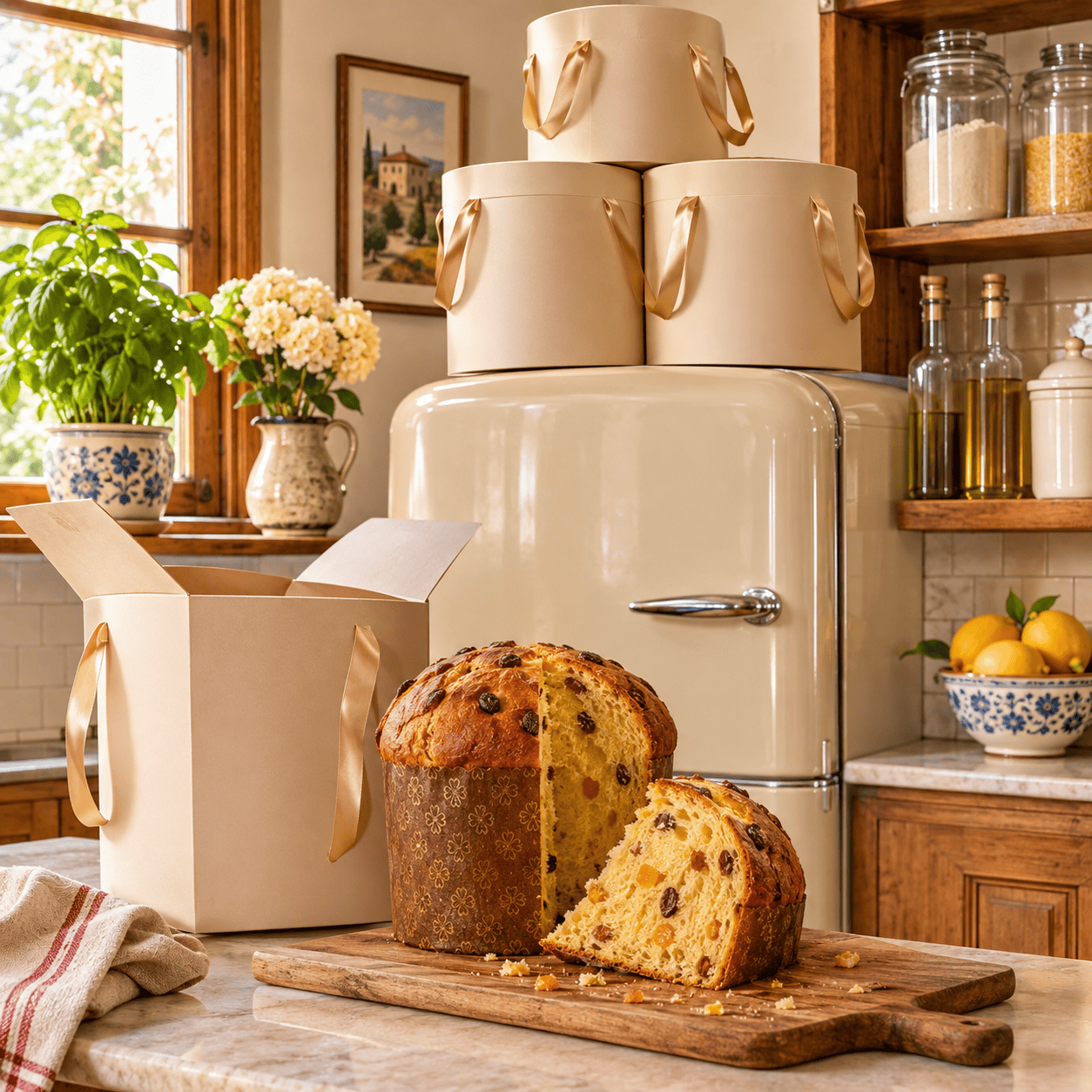
The good stuff got eaten on the twenty-fifth. If you want to understand how this tray works in the first place, the unwritten rules of the Italian Christmas cookie tray cover it in painful detail.
12. You Don’t Lend Money on January 1st
Money that leaves the house on the first keeps leaving all year.
This one is deeply held and strangely specific. Don’t lend, don’t pay a bill if you can help it, don’t let cash walk out the door.
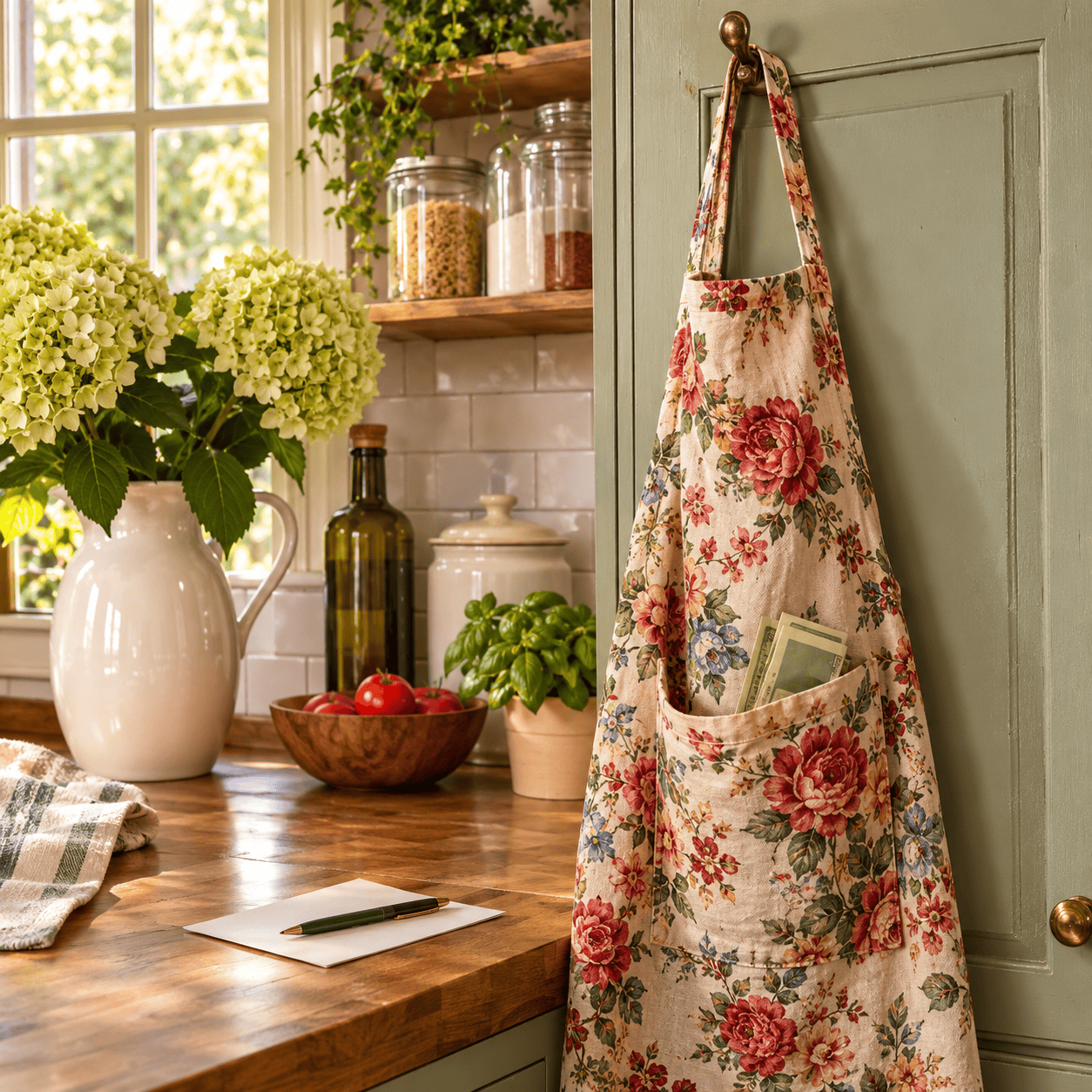
The flip side matters more: money should come IN on the first. Nonna keeps a few folded bills in her apron pocket all day “so the pocket isn’t empty.”
She also hands out small amounts to anyone younger who shows up, which is either generosity or a loophole, and I’ve never gotten a straight answer.
Ask her about it and she changes the subject to whether you’ve eaten.
13. The Table Does Not Get Cleared Right Away

After the cotechino, the plates sit.
A table that empties too fast says the night is over, and nobody is ready for the night to be over at 11:30.
So the dishes stay, the bread basket stays, the fennel and the oranges come out, and people peel and talk for an hour.
Fennel at the end of a heavy meal is an Italian habit with real logic behind it. Raw fennel after a plate of pork fat genuinely helps, and so does the orange and fennel salad if you want it slightly more organized.
The washing starts at 1 a.m. and takes eleven minutes, because by then there are five people in the kitchen and a system.
14. Nothing Green and Leafy Gets Skipped
Greens on the table mean money, same as the lentils, and the rule shows up in Italian houses and plenty of others.
Escarole is the one in Nonna’s kitchen. Wilted down with garlic, olive oil, a little hot pepper, a handful of white beans if the crowd is big.
The color is the superstition. Green like folding money, which is a very American reading of a very Italian vegetable, and I’ve stopped pointing that out.
It also cuts the richness of everything else, which is the real reason it’s there.
Make too much. Escarole collapses to nothing and you’ll feel foolish standing over a pan with three leaves in it.
15. The Fish From Christmas Eve Does Not Come Back
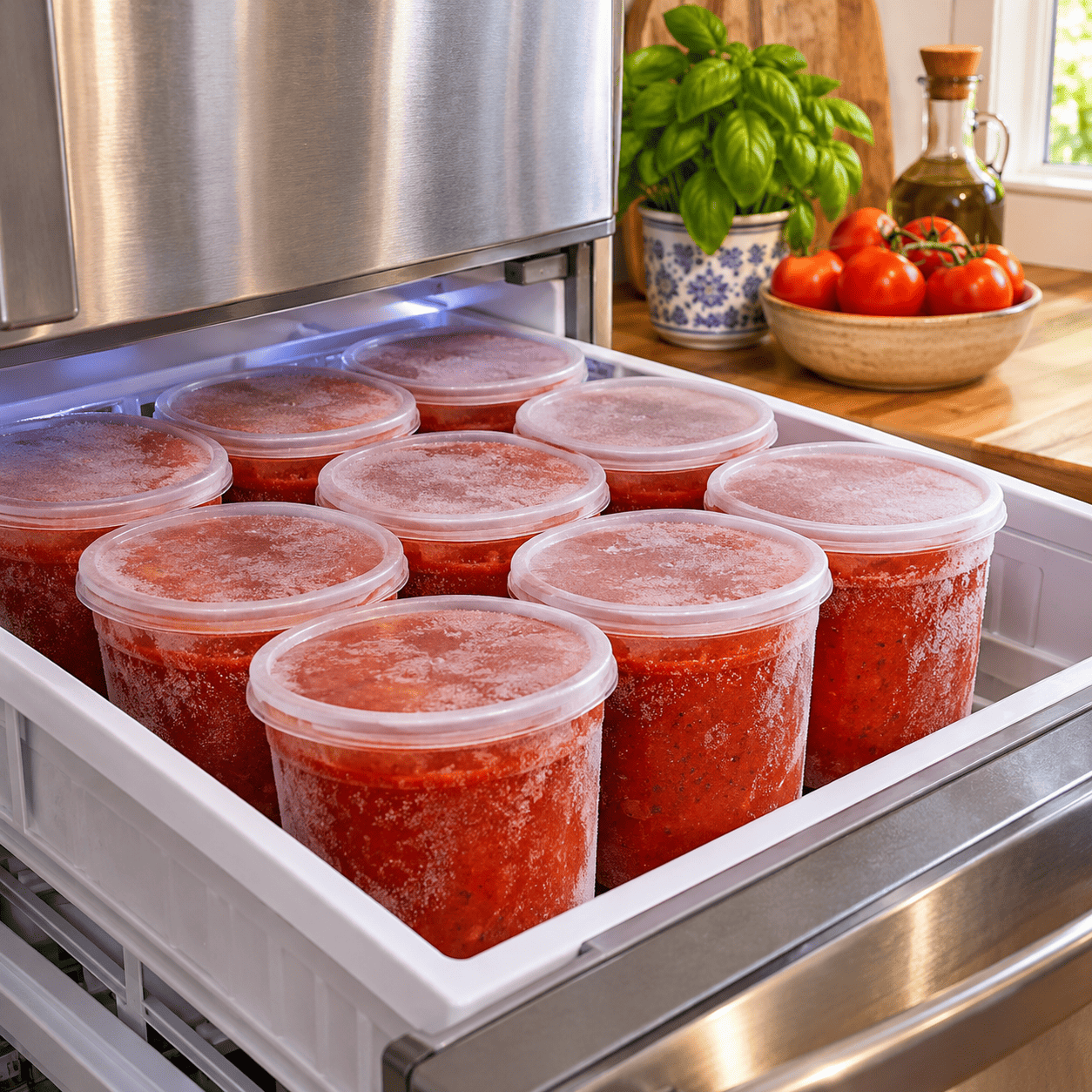
New Year’s Eve is pork night. Full stop.
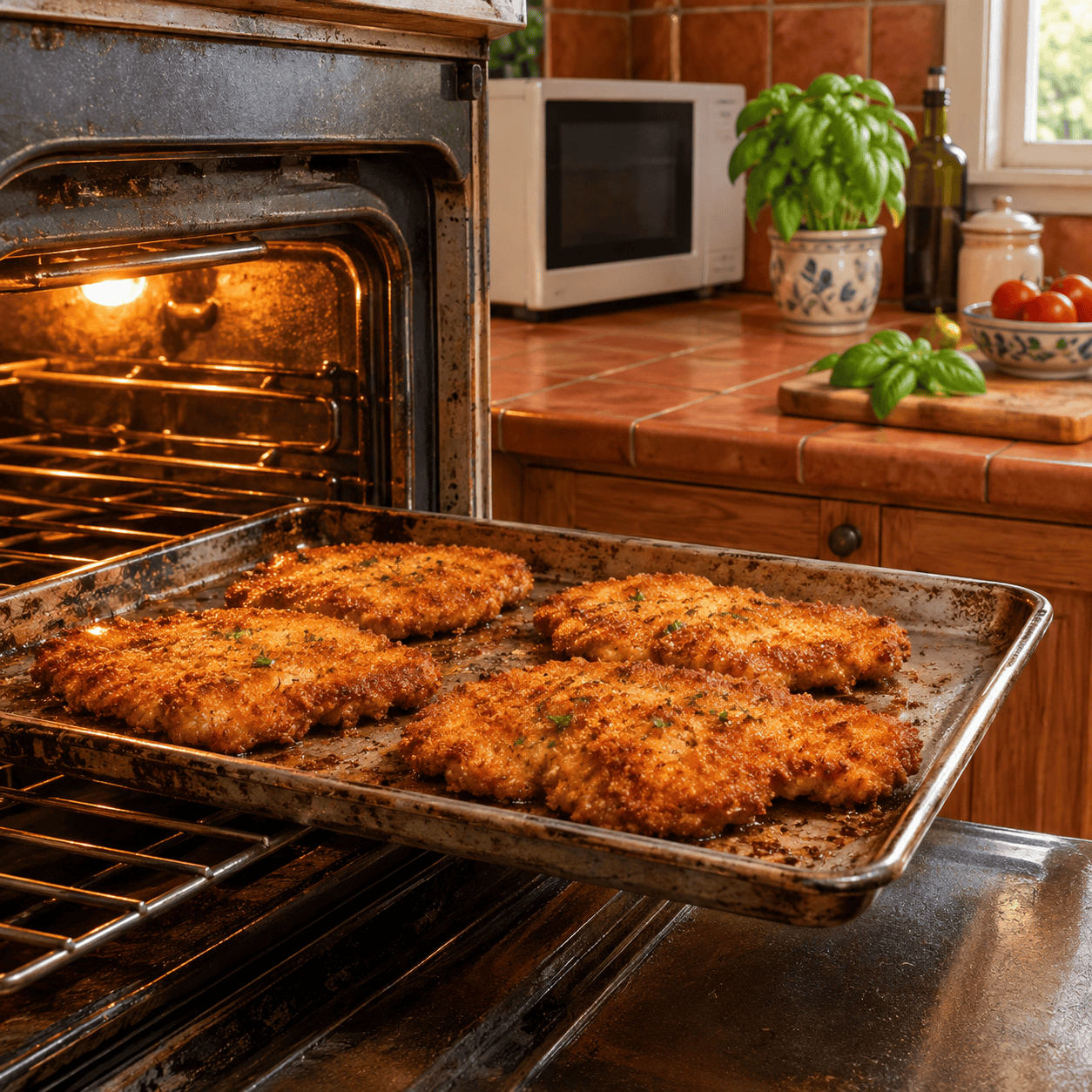
The pig moves forward when it roots, so pork means moving into the year forward instead of backward. The chicken scratches backward, which is why you don’t serve poultry — a rule Italy Heritage lists among the Capodanno customs.
So after a week of baccalà and smelts and whatever else survived the Feast of the Seven Fishes, the seafood steps aside.
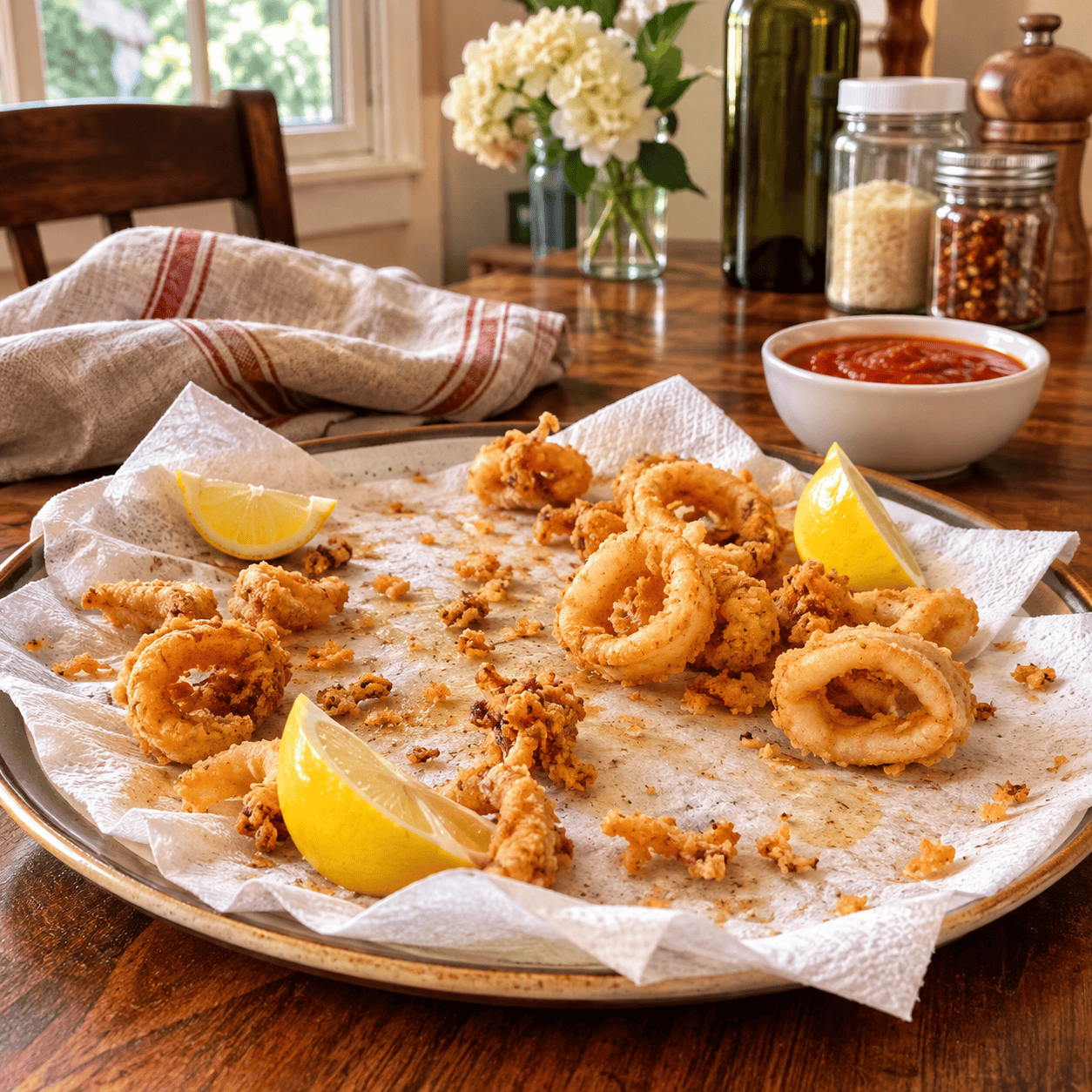
Nonna will still put out a little marinated calamari as an antipasto. That’s a technicality and she knows it.
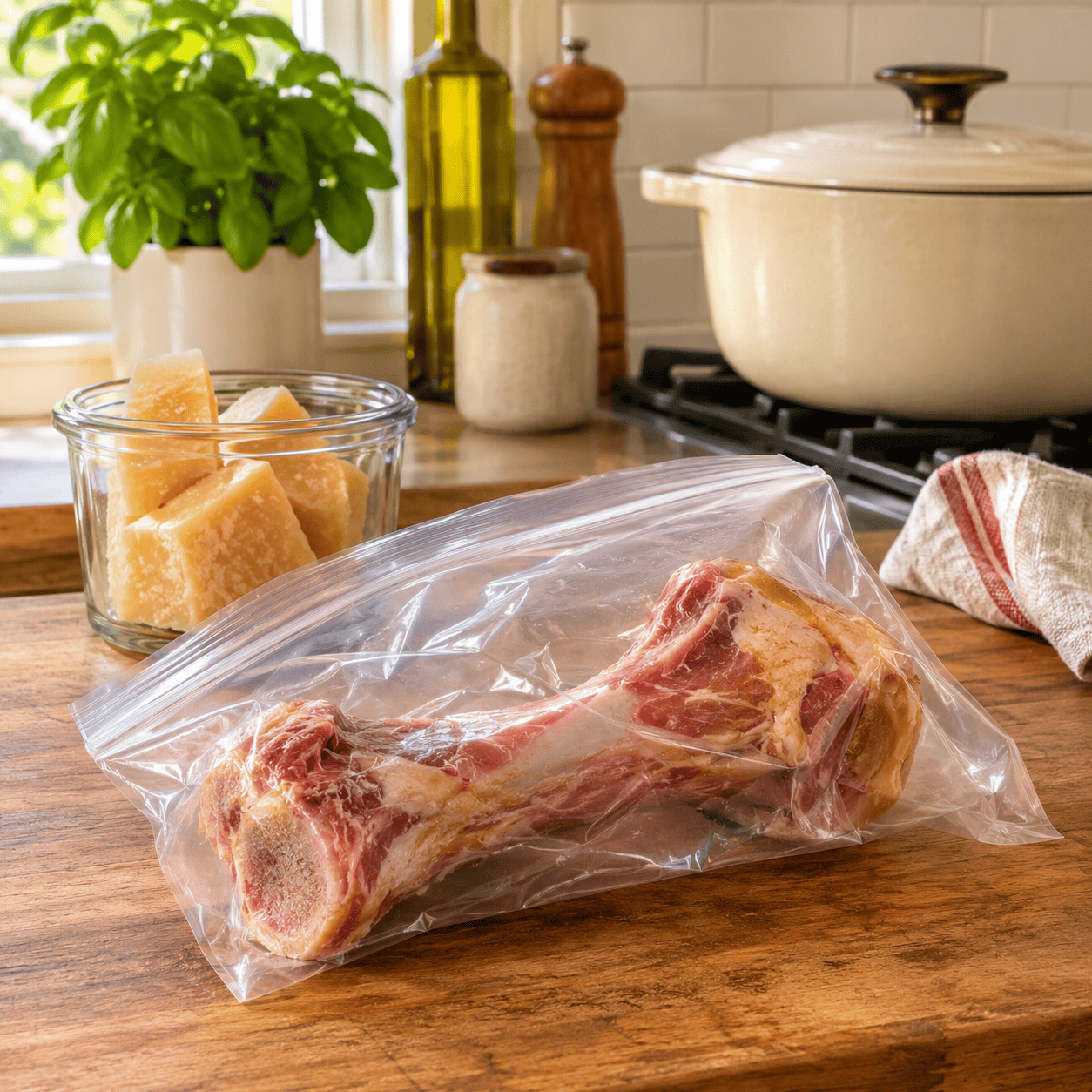
The shoulder comes from the butcher on Ninth Street on the 30th, and I crush the fennel seed for the rub with the bottom of a coffee mug, because the mortar is for company.
No turkey, no roast chicken, no lobster. Pork or go home.
16. The TV Is On, Nobody Is Watching It
The television runs in the next room all night with the sound at a mumble.
It’s not entertainment. It’s the clock. Somebody has to know when midnight is, and that somebody is the TV.
The remote lives on top of the set in a sandwich bag, battery cover held on with a rubber band, and only Nonna is allowed to touch it. Ask for the volume and she’ll tell you it’s fine.
At 11:50 the volume goes up and everybody crowds into the doorway with a glass. Four minutes of actual watching per year.
In Nonna’s house there’s also an Italian station running on a laptop someone set up in 2016 and nobody has touched since, so you get the ball drop and a stage in Bari at the same time.
Both countdowns, two different years, zero logic. It’s perfect.
17. The Windows Get Opened at Midnight
Thirty-two degrees out and the kitchen window goes up for a minute.
Old year out, new year in. You open a window or a door right at midnight so the old year has an exit and the new one has an entrance.
Nonna does the back door, standing there in a cardigan, letting all the heat she paid for walk out into the yard.
Then she closes it, says buon anno to nobody in particular, and goes back to the lentils.
I do it in my apartment too, with a window that sticks. My roommate thinks I’m letting out cooking smells. Fine by me.
18. There’s Always One Dish Nobody Can Name
Every Italian-American New Year’s table has a mystery item.
At Nonna’s it’s a baked thing with escarole, anchovy and raisins that she makes once a year and calls, unhelpfully, “the pie.”
Ask what it’s actually called and you get a shrug and a dialect word from her town outside Palermo, the word she grew up hearing, which no search engine recognizes. I have typed it six different ways.
The crust gets crimped with the tines of one particular bent fork, and she will hunt the whole drawer for it before she lets you use another.
This is how recipes vanish. Nobody makes a scene. Somebody shrugs every December, until one year nobody makes it.
I filmed her making it on my phone two years ago. Terrible footage. Best thing I own.
19. The Antipasto Comes Out at Eight and Ruins Everyone
Two hours before the real food, the board lands.
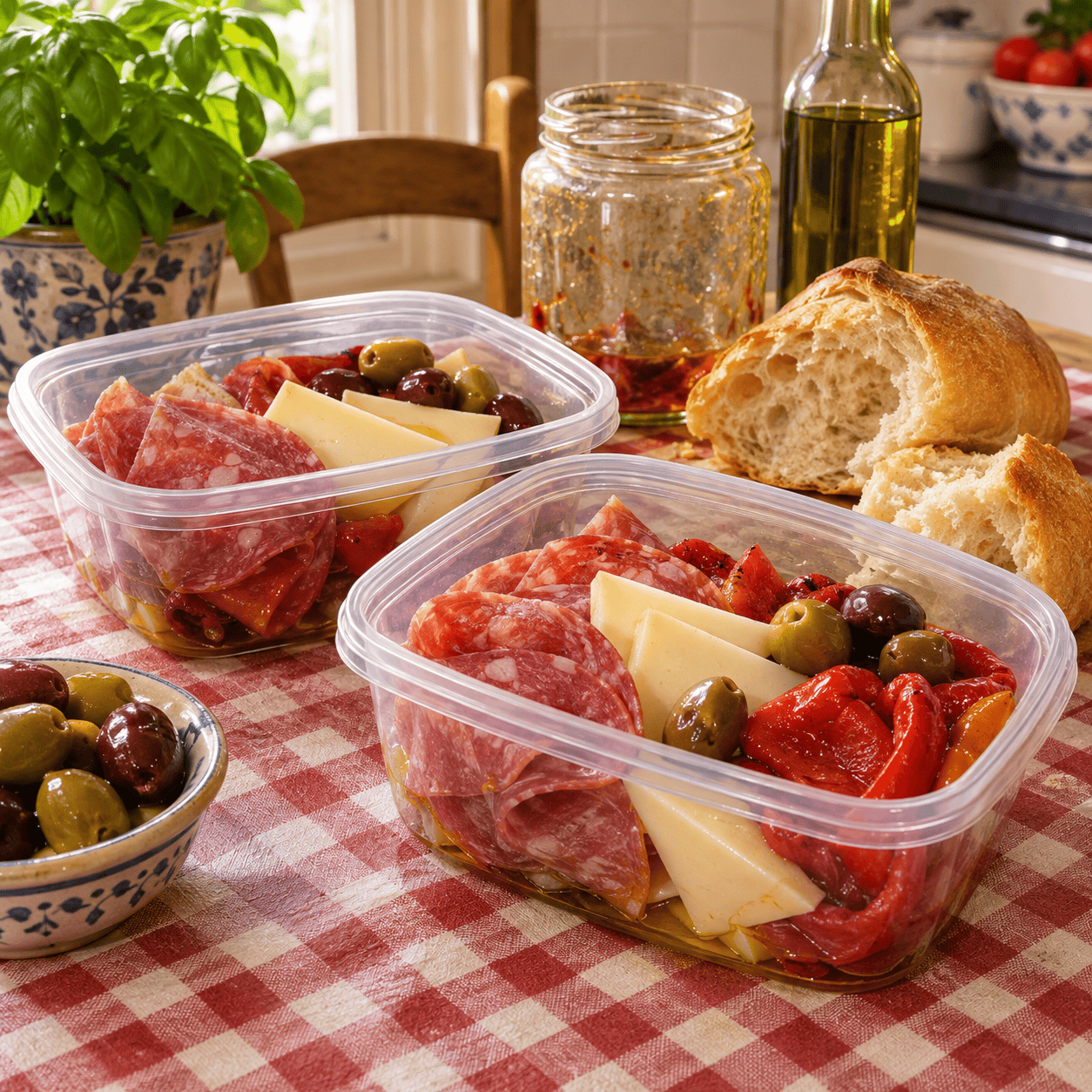
Soppressata, provolone, roasted peppers in oil, olives, those long hot peppers, a wedge of parm with the knife stuck in it. Bread. Always too much bread.
The board itself is a slab of maple with a scorch mark shaped like Ohio, from the year somebody set a hot pot of lentils on it. Nonna refuses to retire it. She says it’s seasoned.
Everyone eats like they haven’t been warned, then sits down to cotechino at midnight with absolutely nowhere to put it.
This happens every year and will keep happening. Nonna won’t shrink the board because a small board looks poor and that’s unacceptable.
If you’re building your own, the Italian appetizer recipes on the site are the right shape for this night: cold, sharp, no oven required.
20. Fireworks Are a Full Italian Sport

In Italy, midnight on the thirty-first sounds like a small war. Naples especially — the whole bay goes off at once.
Part of it is celebration and part of it is the old idea that noise drives off bad spirits, which is also why people banged pots and rang bells long before anyone had fireworks.
In the Philadelphia version, you go out on the step in a coat over pajamas and watch whatever the neighborhood is setting off illegally three blocks over.
Nonna stays inside. She doesn’t like the noise and says she heard enough of it as a child.
Then she turns off the kitchen light so you can see better from the window.
21. Nobody Says “Good Luck” — You Say Auguri
At midnight the word is auguri. Then buon anno. Then everybody kisses everybody on both cheeks, which takes about six minutes in a crowded kitchen.
Nonna’s clock over the sink runs four minutes fast and she refuses to fix it, so we actually do midnight twice: once by her clock, once by the ball dropping on the little TV on the counter.
You start with the oldest person in the room. Always. Nonna first, then her friends from church, then down the line.
Skipping the order is noticed. It’s never mentioned, and it’s always noticed.
There’s an older phrase some families still use — buon capodanno — and a few of Nonna’s friends say it in dialect in a way I can only half repeat.
Say it wrong. They’d rather you tried.
22. The Debt List Gets Settled Before Midnight
You don’t carry a debt into the new year. Not money, not a favor, not a borrowed baking dish.
This is real, it’s Italian, and it’s why late December involves a strange flurry of people returning platters.
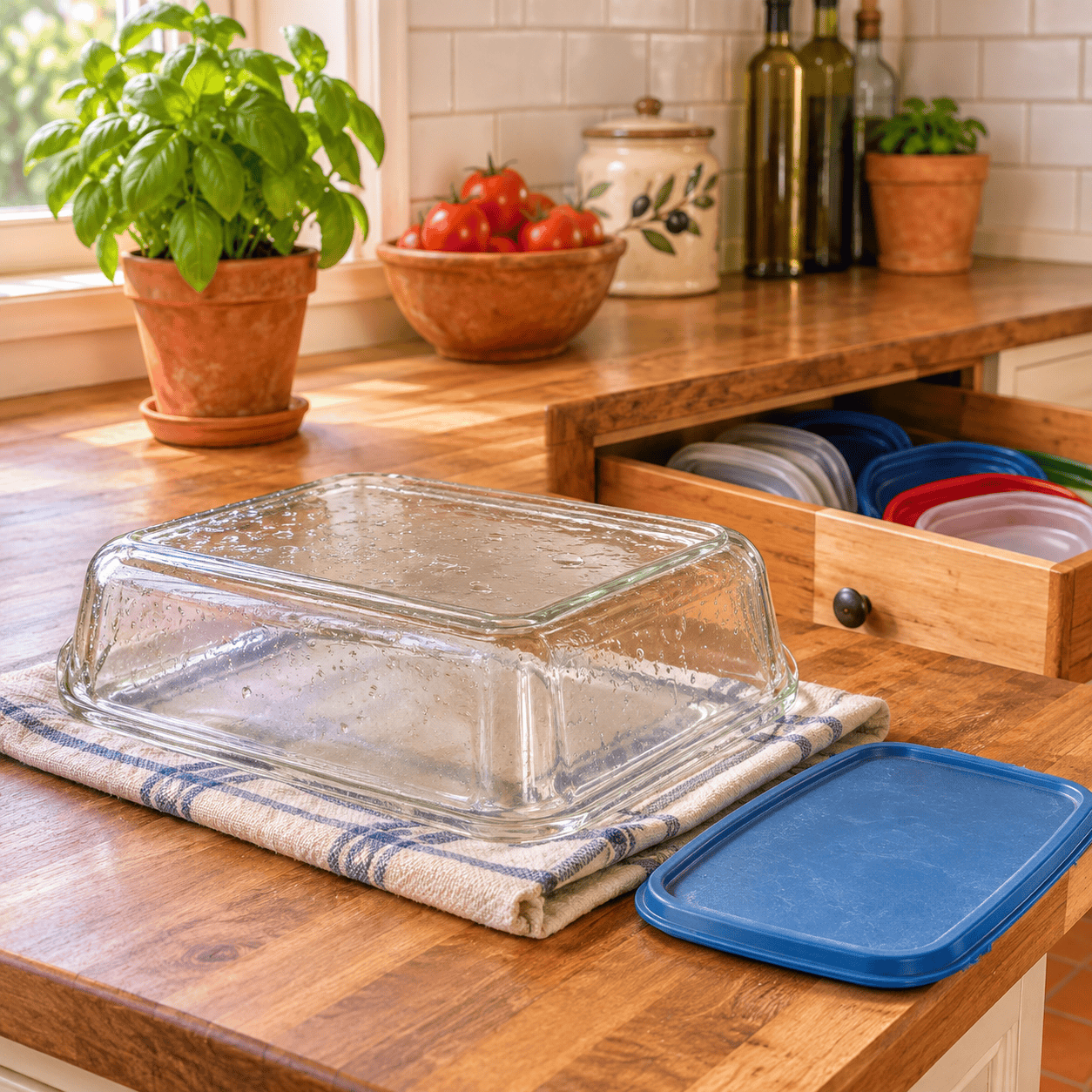
Nonna keeps track. The pyrex with the blue lid went to a neighbor in October and came back on December 29th with cookies in it, which is the correct protocol.
Returning a dish empty is a bigger sin than keeping it a year. Put something in it. Anything.
Here’s the comparison that explains the whole season in one glance.
| From Italy | Grew Up Here | |
|---|---|---|
| Lentils at midnight | Yes, ancient | — |
| Cotechino or zampone | Yes, Modena | — |
| Red underwear | Yes | — |
| Twelve grapes | — | Spanish, arrived via neighbors |
| No laundry on the first | — | Mixed American folk rule |
| Pork, never poultry | Yes | — |
Half of what your family swears is ancient came from the house next door in 1962. Do it anyway.
23. The Basement Kitchen Does the Heavy Work
Upstairs is for the good tablecloth. Downstairs is where the cooking actually happens.
Nonna’s basement has the second stove, the big pot, the extra fridge, and a folding table that has held every holiday’s overflow since before I was born.
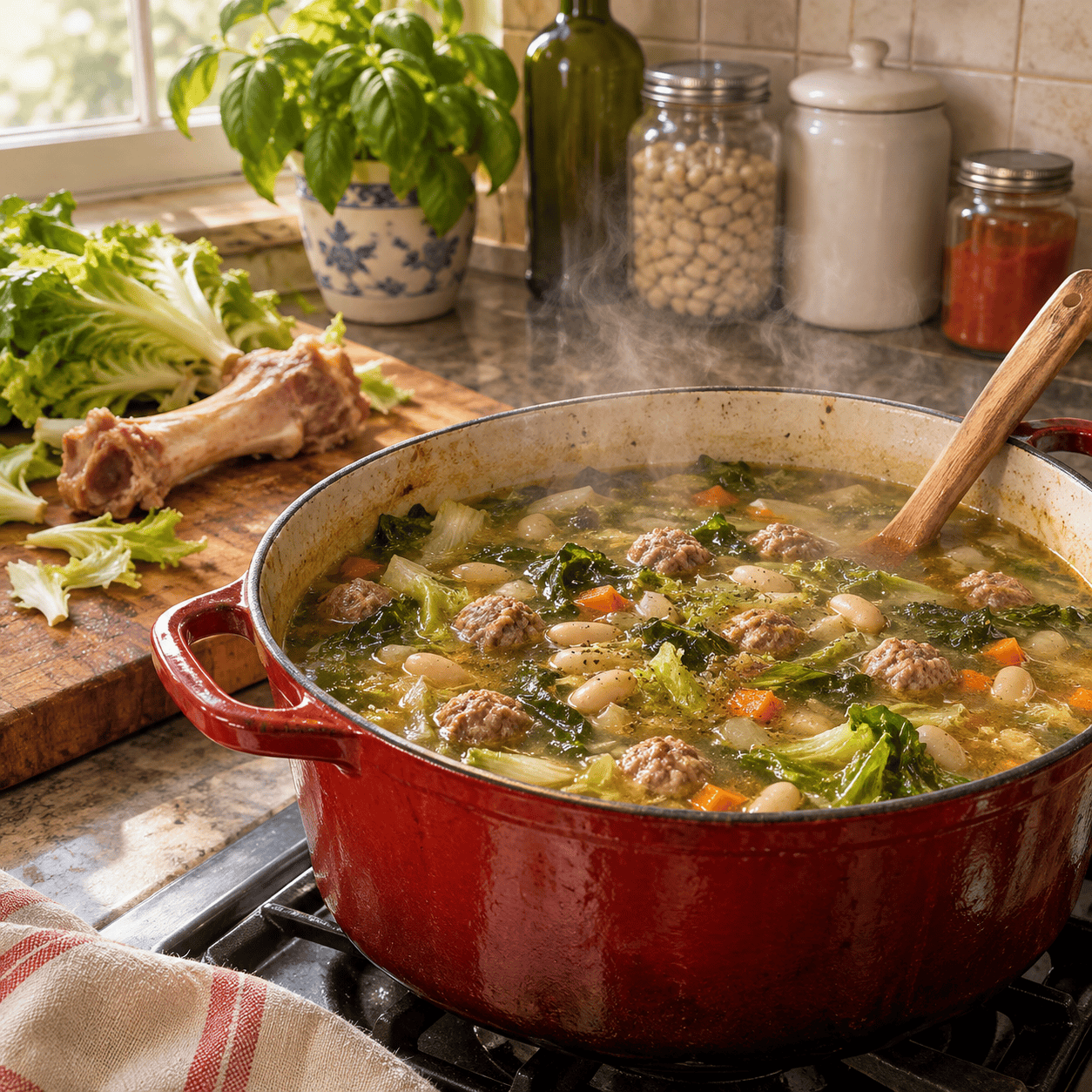
The cotechino simmers down there so the smell doesn’t take over the living room. The lentils too.
There’s a crucifix on the wall above a stack of tomato jars and a radio that only gets AM. Nobody has ever questioned any of it.
When I moved into an apartment with two burners and no basement, I understood for the first time what that room actually was: capacity. Pure capacity.
24. You Make Noise at Midnight, Even in a Small Apartment
Pots and wooden spoons. That’s the whole instrument section.
Before fireworks were a thing anyone could afford, Italian families banged pots and rang bells at midnight to scare off whatever was lingering from the old year.
Nonna still hands out a pot lid to any kid in the house and then complains about the noise for ten straight minutes.
She keeps one for herself, the lid to the big dented stockpot that only comes out for gravy and New Year’s, hanging on a hook by the back door so nobody has to dig for it at 11:58.
In my apartment, with neighbors on three sides, I bang a wooden spoon on the counter twice and call it covered.
It’s a smaller sound than Naples. The intention is identical.
25. January 1st Lunch Is Already Decided
Whatever you do on the thirty-first, you show up on the first at one o’clock and eat again.
That’s what the sauce was for. Pasta, the leftover cotechino sliced cold, the escarole reheated, the last four cookies.
There is also a small bowl of lentils at every place, which you eat first and finish, because Nonna says each one is a coin and she has seen my bank statements.
Nobody dresses up. Nobody rings the bell. You walk in, you pour coffee, you sit.
Nonna will have been up since seven despite going to bed at two, and she will insist she slept beautifully, which is a lie she tells annually.
If you’re putting together your own version of this day, the Italian winter dinner recipes roundup is basically the menu.
26. Nothing Important Gets Thrown Out on the First
The trash goes out on the thirty-first, not the first.
Same thinking as the lending rule: anything that leaves the house on January 1st keeps leaving. Garbage, money, people.
So Nonna’s bins are at the curb before dark on the thirty-first, and on the first the kitchen can fill up with plates and bones and nobody touches it until the second.
The broom gets the day off too. It leans by the back door with a dish towel draped over the handle so nobody forgets and sweeps crumbs out onto the step.
It’s a messy twenty-four hours in an otherwise spotless house. The contrast is almost funny.
She’ll stand in that kitchen and say “tomorrow” about everything, which is the only day of the year she does.
27. The Last Person Awake Checks the Stove
Every Italian house has one person who makes the final round, and on New Year’s Eve it’s whoever can still stand.
Burners off. Sauce covered. Back door locked. Light over the stove left on.
That light stays on all night, every night, not for New Year’s specifically — it’s just how the house is run. But on January 1st it feels like something else.
Nonna says a dark kitchen is an unhappy kitchen. I have one lamp in my place that I leave on for the same reason and I’d never admit why to anyone who wasn’t raised like this.
Three in the morning, the smell of pork and bay leaves still in the air, one bulb burning over a clean stove. That’s the year starting.
None of this will make you richer. The lentils aren’t coins, the red socks don’t do anything, and the laundry would’ve been fine.
But a house that keeps these rules is a house where somebody is still paying attention — to who came through the door first, to whether your pocket was empty, to whether you called.
Do the twelve spoonfuls this year. Open the door at midnight even though it’s freezing. Call the woman who taught you.
Buon appetito,
Madeline