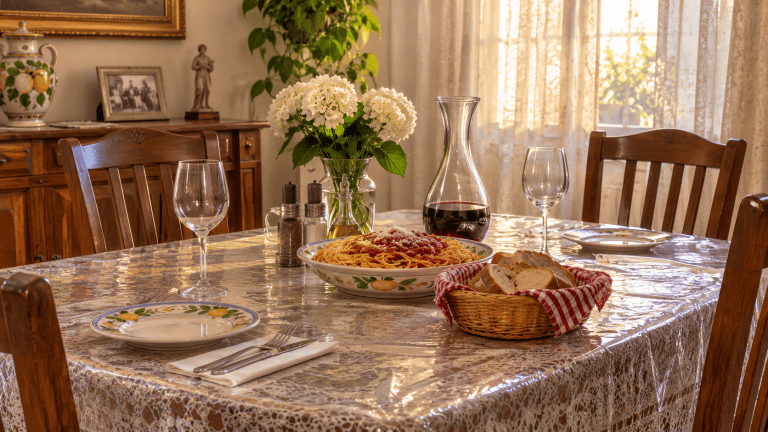
Showing Up Empty-Handed Is Not an Option — 33 Rules for an Italian House

The phone call happens on Thursday. You ask what you can bring, she says don’t bring anything, and you hang up and start planning what you’re bringing.
That’s the whole system in one exchange.
In my family, food moving between houses was never about feeding anybody. There was always enough food. The tray in your hands was a sentence you were saying out loud without saying it, and everybody in that kitchen could read it.
Nonna Pina never explained a single one of these rules. She just reacted when one got broken — a look, a pause, a dish moved to the back counter — and you learned.
Here are 33 rules for bringing food to an Italian family’s house, most of which somebody in my family learned the hard way.
1. Never Show Up Empty-Handed
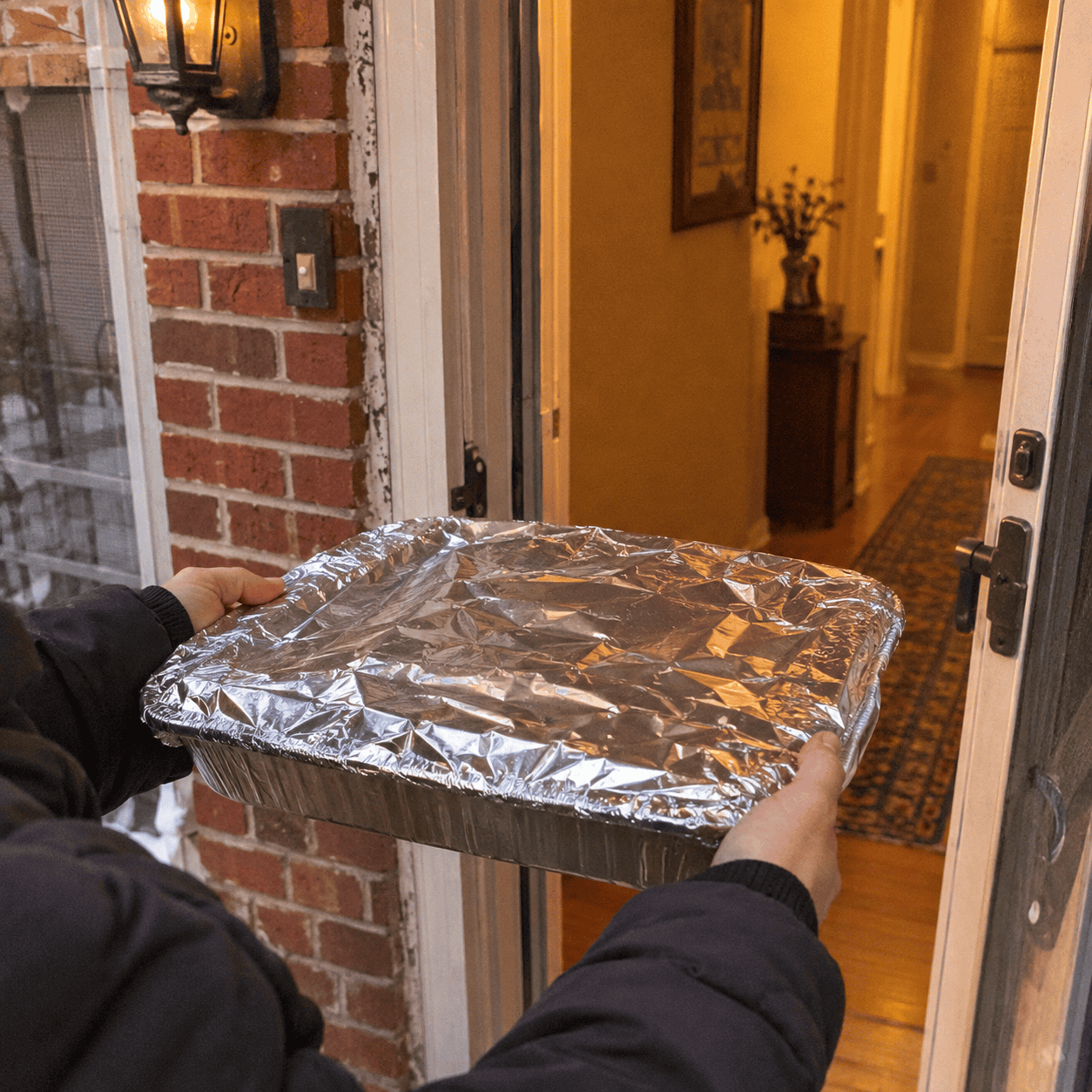
This is the oldest one and the one with no exceptions.
Walking in with nothing in your hands isn’t read as convenience. It’s read as a statement about how much you think the relationship is worth. Even standard Italian etiquette expects a guest to arrive with wine, flowers, or sweets — Italian-Americans just escalated it into full pans of food.
My cousin’s boyfriend showed up to Easter in 1998 with a six-pack and an apology. People still bring it up.
If you’re truly stuck, a box of pastries and a bottle of something covers you. Nobody’s counting the dollars. They’re counting whether you stopped.
2. “Don’t Bring Anything” Is Not an Instruction
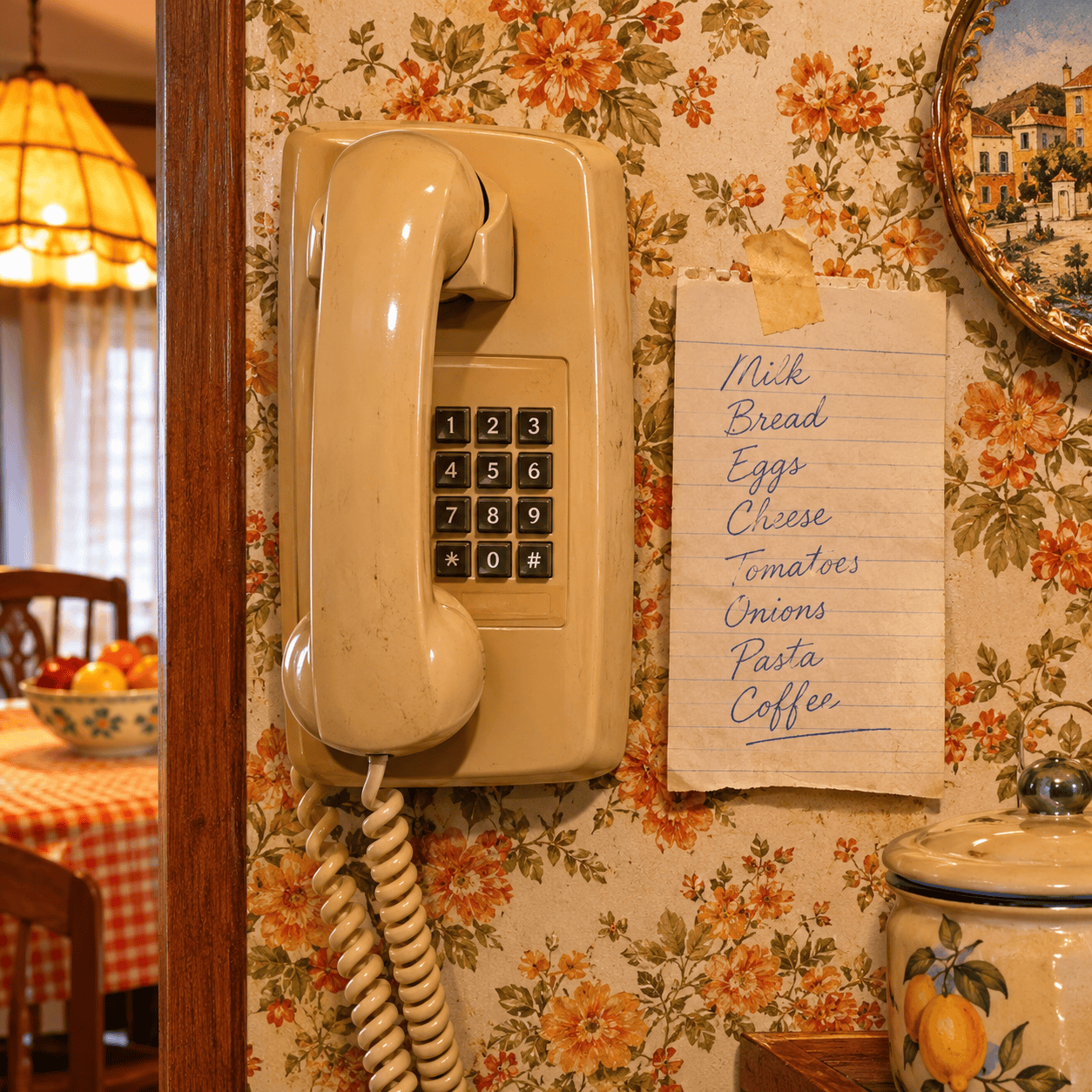
It’s a formality. A courtesy. A line in a script both of you already know.
She says just bring yourself. You say okay. Then you show up with a tray of fried dough and she says you shouldn’t have, and she means that about as much as she meant the first part.
The one person in every extended family who takes it literally is known. Permanently.
If you want an actual answer, ask a different question: what’s missing, or what didn’t anybody claim yet. That one gets a real response.
3. The Bakery Box Tied With String
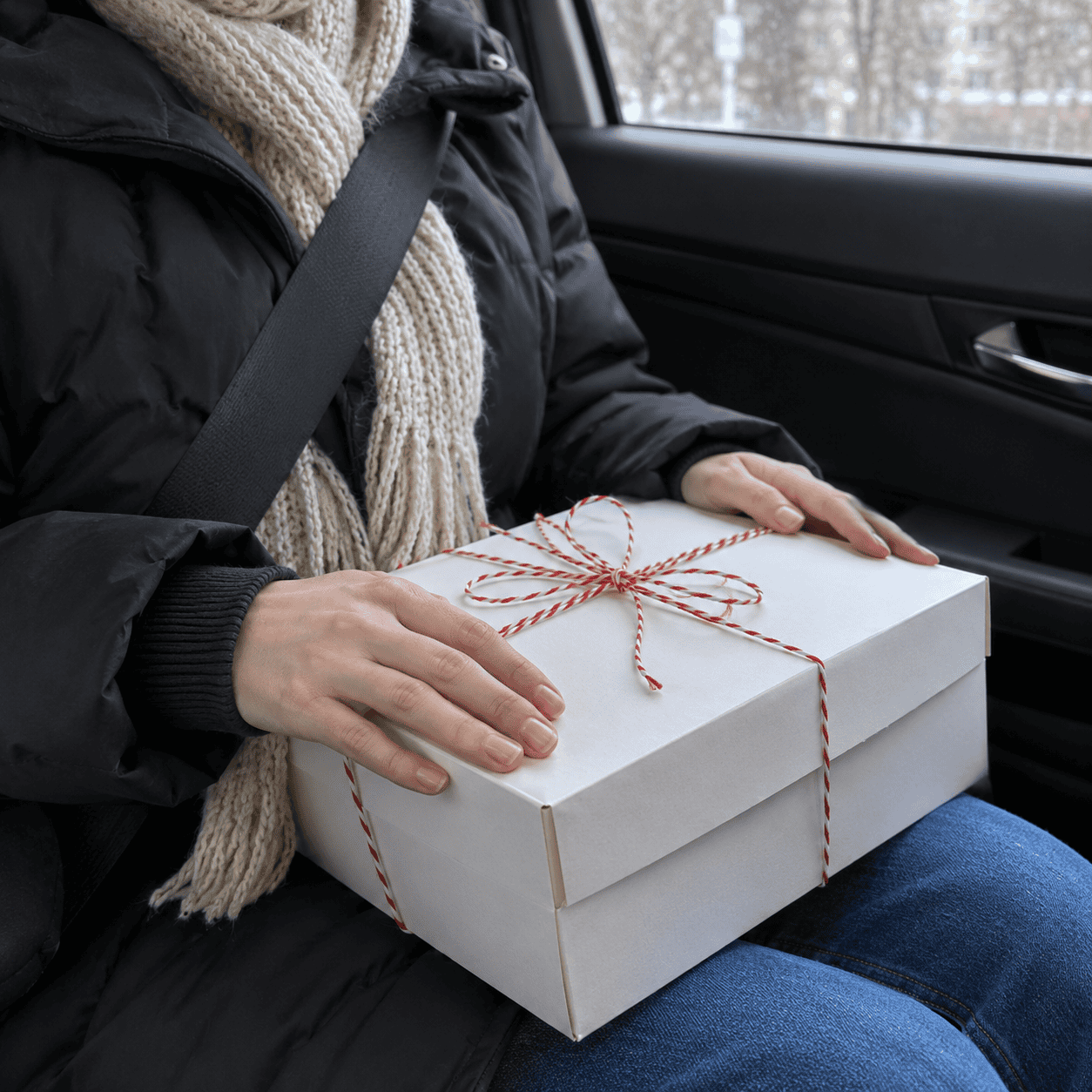
White box, sometimes pink. Red-and-white twine looped twice and knotted at the top.
You did not cut that string in the car. You did not open the flap to peek at the sfogliatelle. You held it flat on your knees and smelled it the whole ride and waited.
My brother once untied one at a red light on Ridge Avenue and our mother reached into the back seat without looking.
The box goes on the counter, still tied, until after the meal. That’s when it gets opened, and the untying is part of the show.
4. Never Bring the Sauce
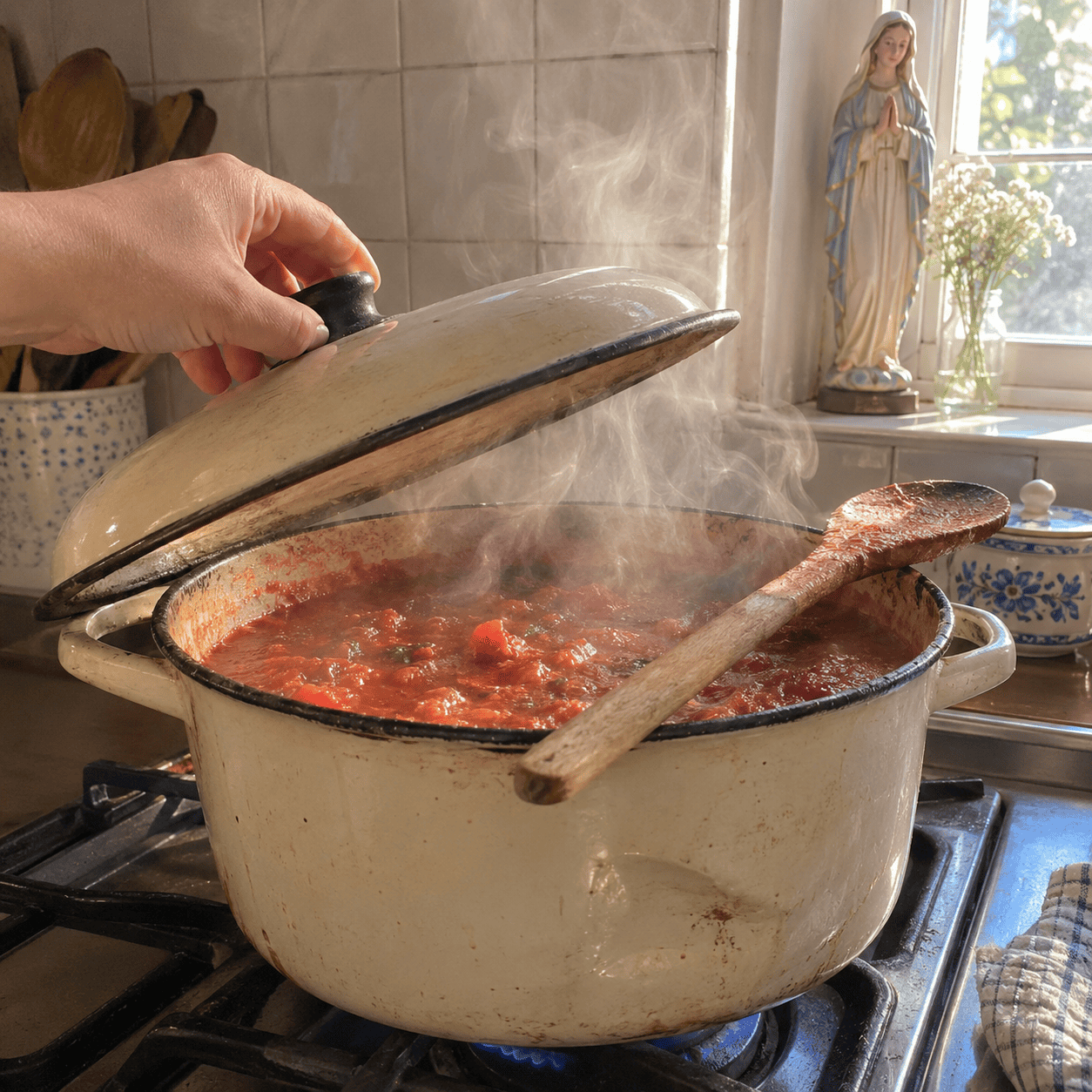
The gravy is hers. The pot has been on since before Mass and it is not a collaborative project.
Bringing your own sauce into her house says you expected hers to come up short. Nobody will say that out loud. The jar will just sit by the toaster until you leave.
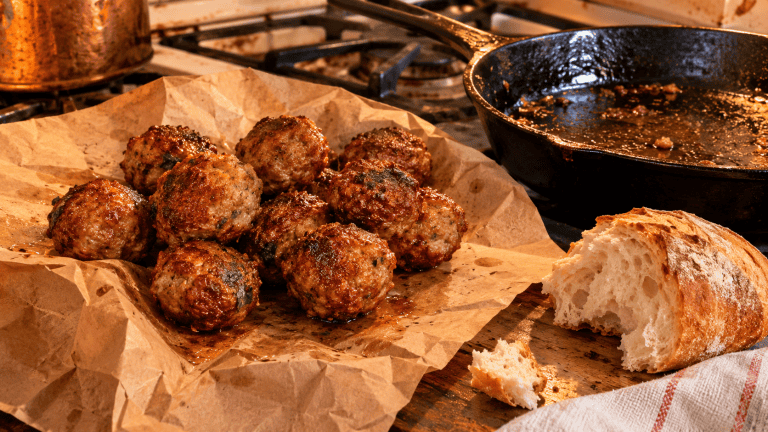
Same goes for meatballs on a day she’s already making meatballs, which is most days ending in Sunday.
Bring the thing nobody else claimed. The antipasto platter, the vegetable, the dessert. Leave the center of the meal alone.
5. Nothing That Needs Her Oven
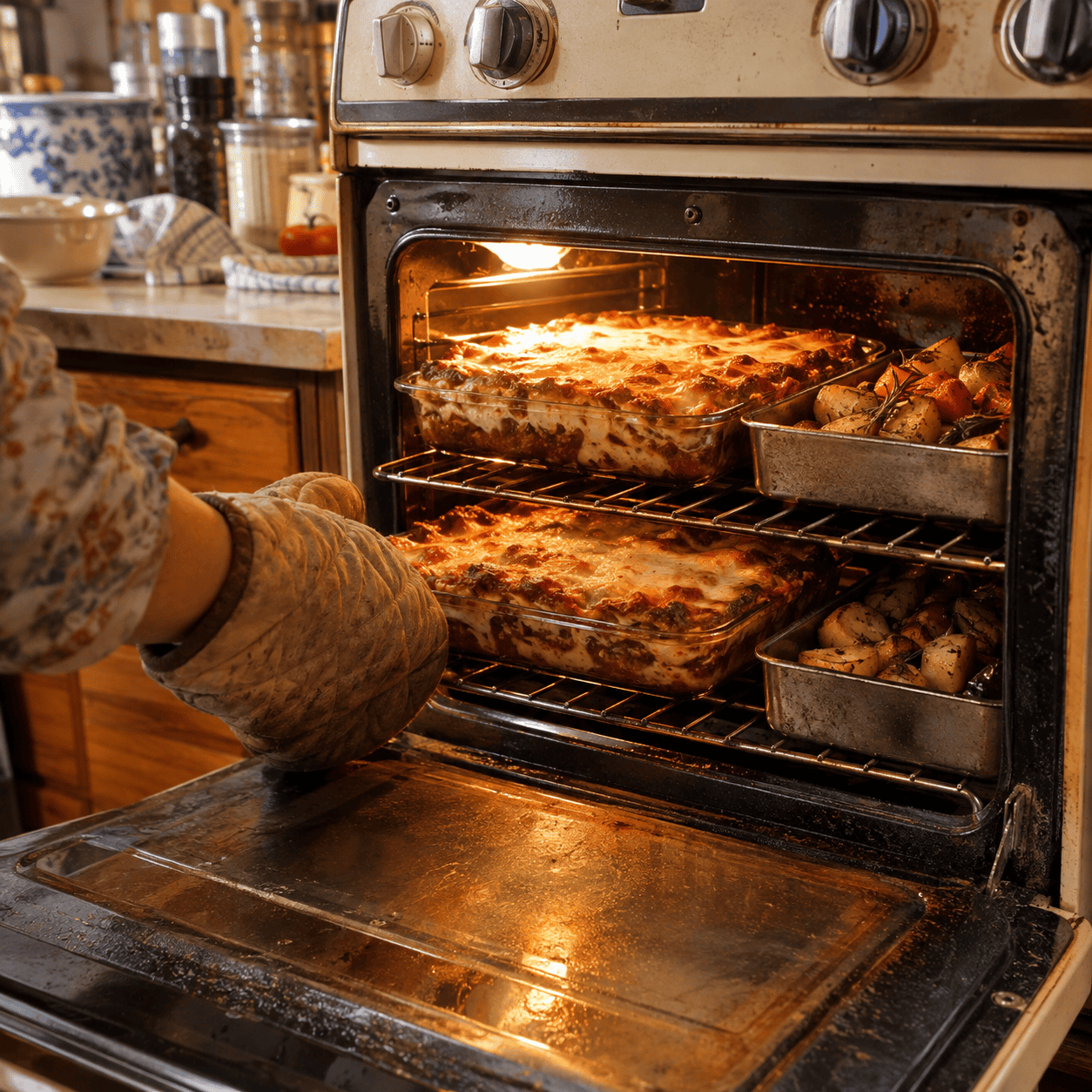
On Christmas, that oven was scheduled on Tuesday. In half-hour blocks. In her head, which is a worse place to argue with than a spreadsheet.
The lasagna goes in at eleven, comes out at twelve-fifteen to rest, then the escarole, then the bread warms while the roast rests on the stovetop.
Walk in with a casserole that needs forty minutes at 375 and you’ve just moved every single one of those blocks.
Bring it hot in a cooler bag, bring it cold on purpose, or bring something that lives happily at room temperature. Never bring a request.
6. Count Heads, Then Add Six
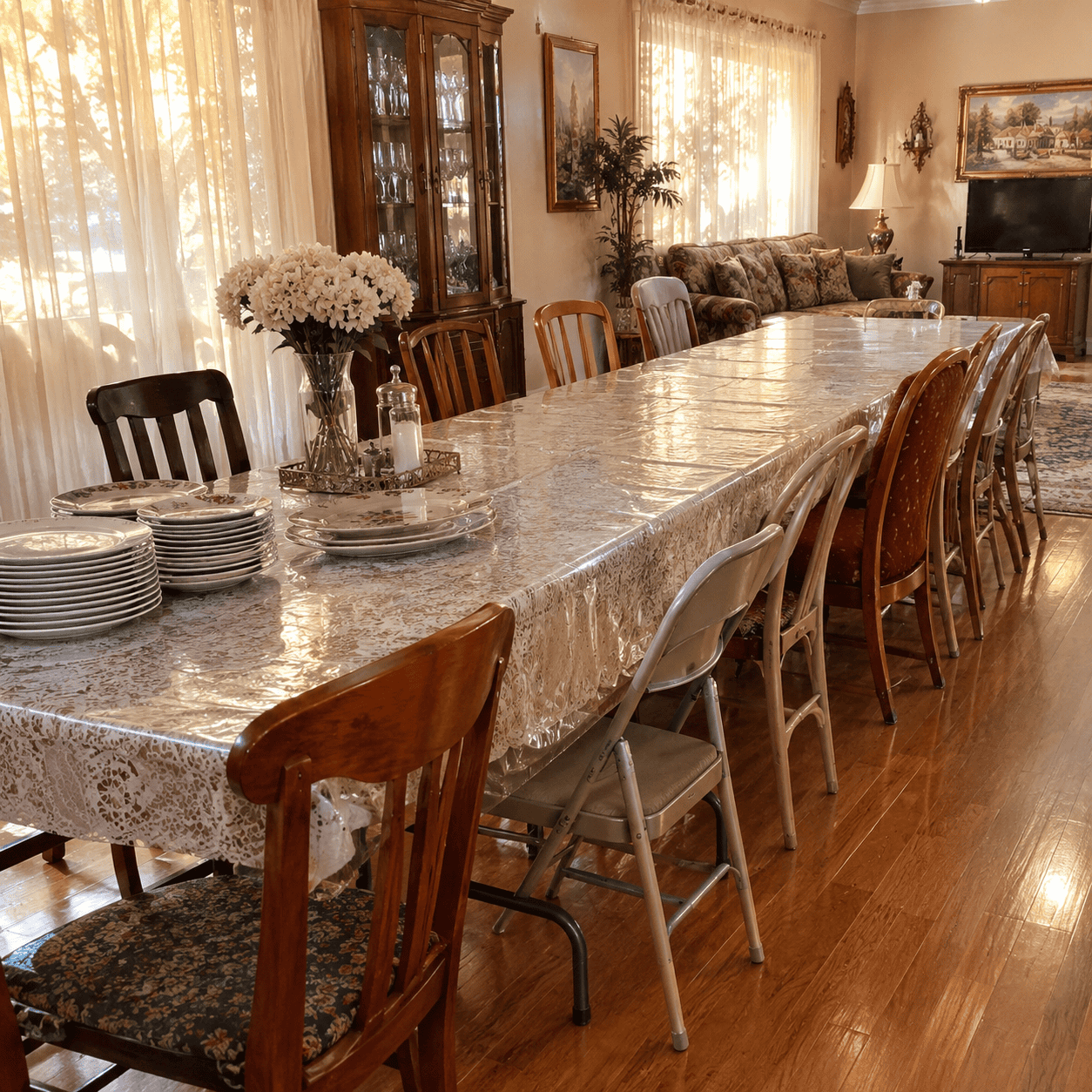
Running out is the only real failure. Not burning something, not forgetting the salt — running out.
So the math is wrong deliberately. Twenty-two people confirmed means you cook for thirty, because of the neighbor, the cousin who said no and shows up anyway, and the kid who eats like three kids.
Writers who’ve studied the nonna school of hosting land on the same conclusion my grandmother reached without ever reading a word about it: there must be more than enough, always, visibly.
Leftovers aren’t waste. Leftovers are the plan.
7. Buy From the Bakery the Family Already Uses
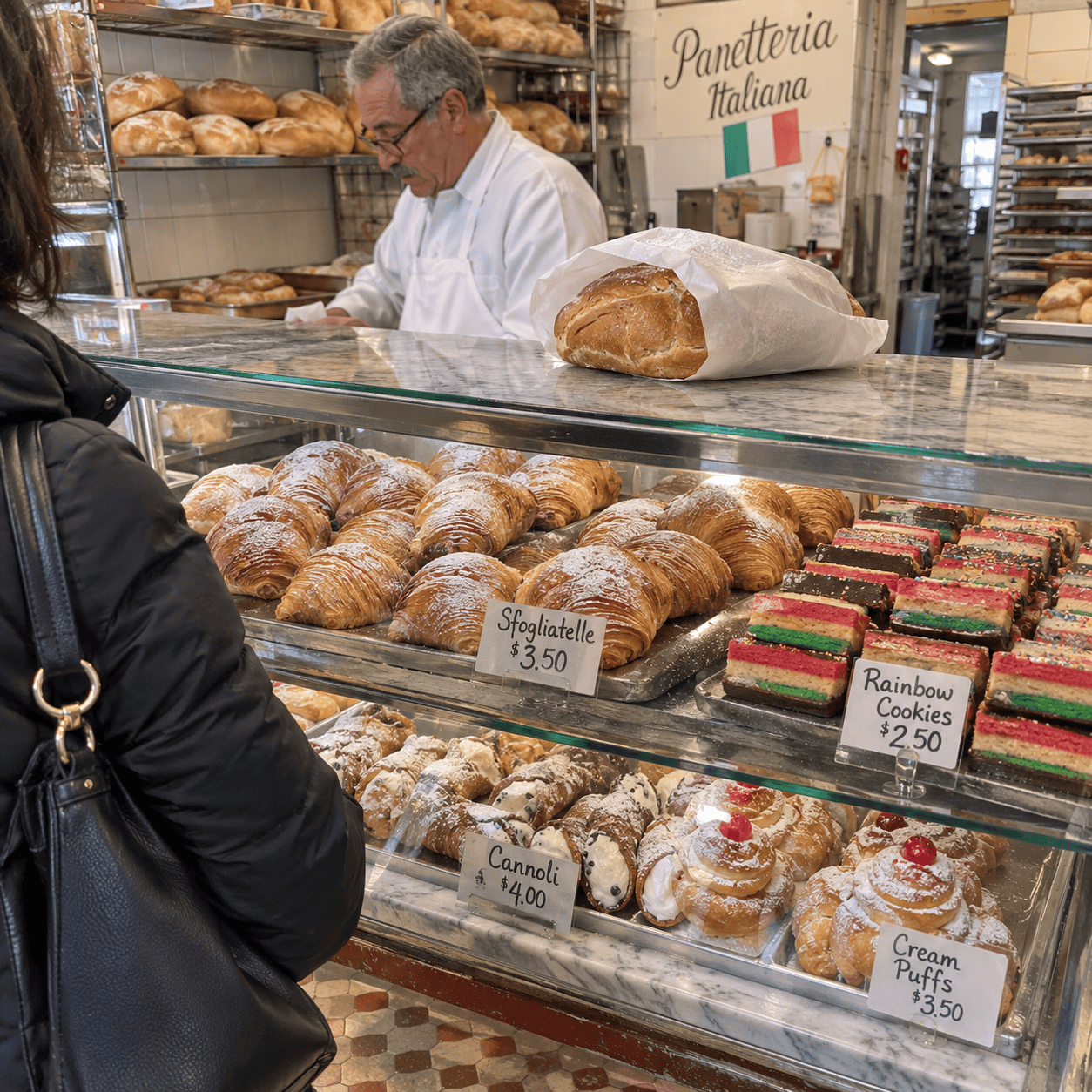
Every Italian family has one bakery. Not two. One.
Ours was on the corner with the cracked tile step and the woman who called everybody honey. Forty-some years of my grandmother’s business, and if you came through the door with a box from the place three blocks over, she knew before the string came off.
It’s not snobbery about quality. It’s loyalty, and loyalty is the whole currency here.
If you don’t know which bakery, ask somebody under fifty. They’ll tell you in two seconds and they’ll also tell you what to order.
8. Ride With It on Your Lap
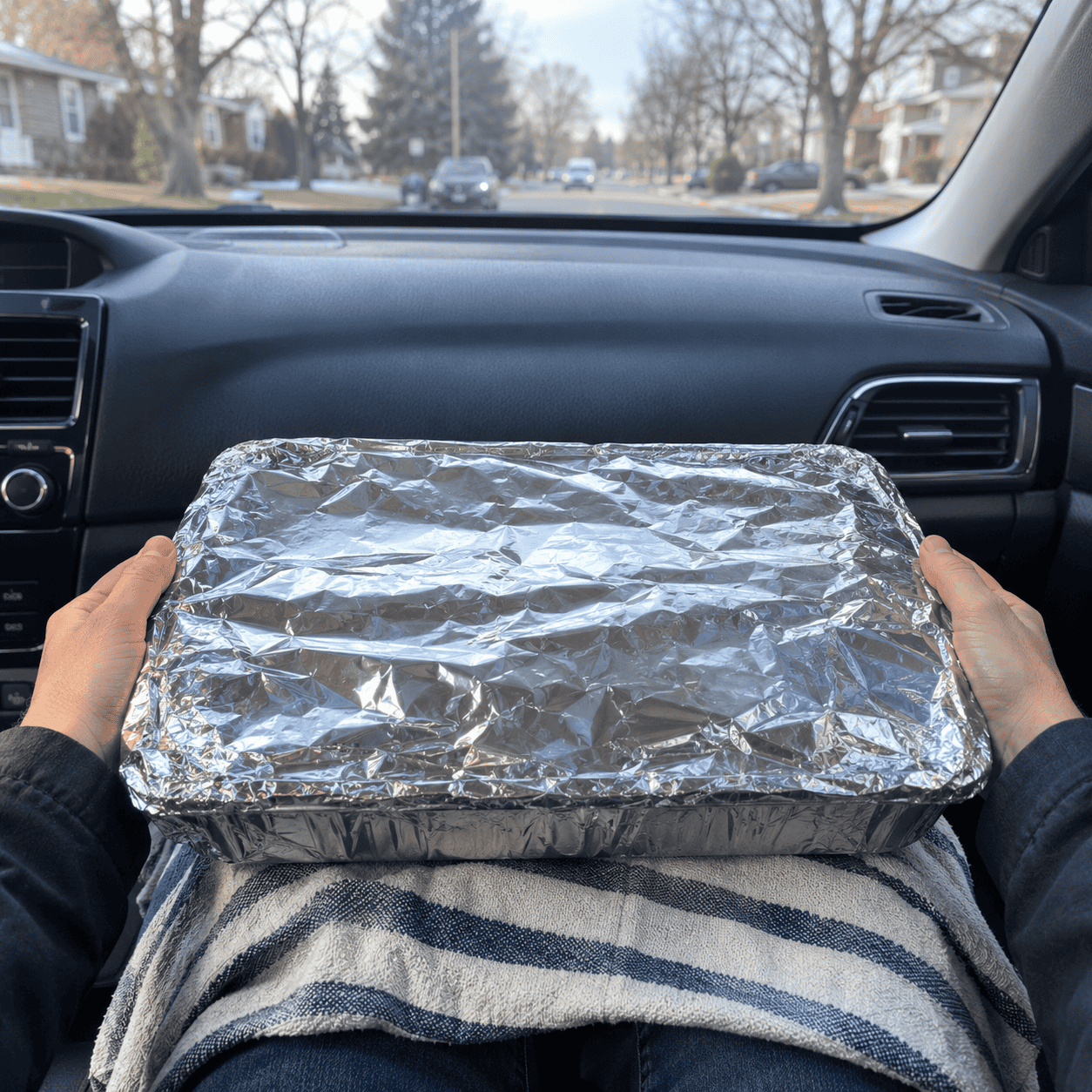
The trunk is for coats and folding chairs. Food rides in the cabin.
Dish towel across your knees, pan on top, both hands on the rim for every turn. If the tray was too big, it went across two cousins in the back seat and neither one of them was allowed to move.
Twenty minutes of a hot pan radiating through a towel into your thighs in December. You can still feel it.
Anything that slid in a trunk arrived looking like it had been in a fight. She noticed.
9. Hand It to the Hostess in the Kitchen
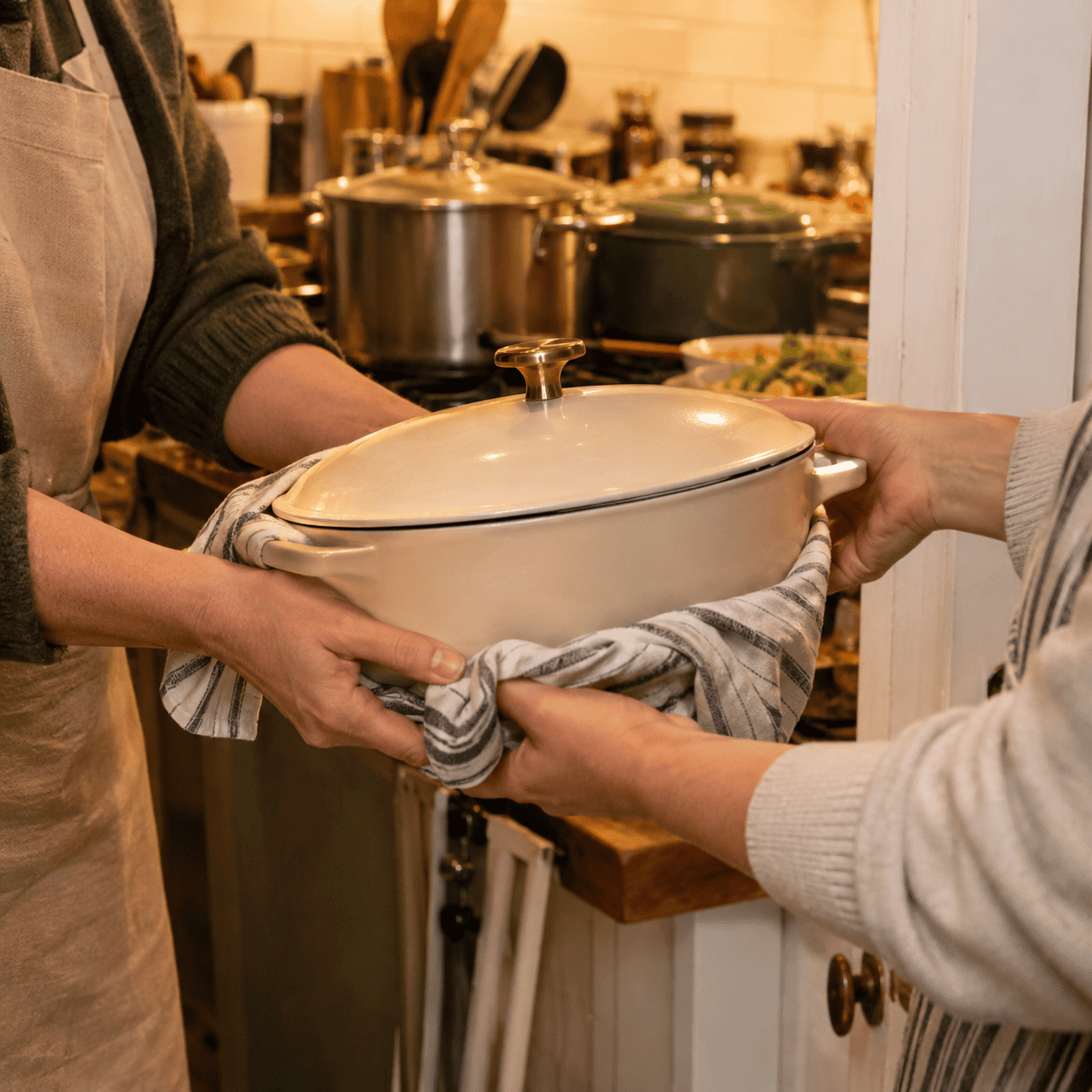
Not the counter. Not the table by the door. Her hands.
And you tell her three things as you do it: what it is, whether it’s hot or cold, and whether it needs anything. Ten seconds. It lets her slot it into the plan she’s been running all morning.
Set a mystery pan down and walk away and you’ve handed her a problem wrapped in foil.
Then you get out of the kitchen, or you stay and work. There’s no third option.
10. Don’t Bring a Second Lasagna
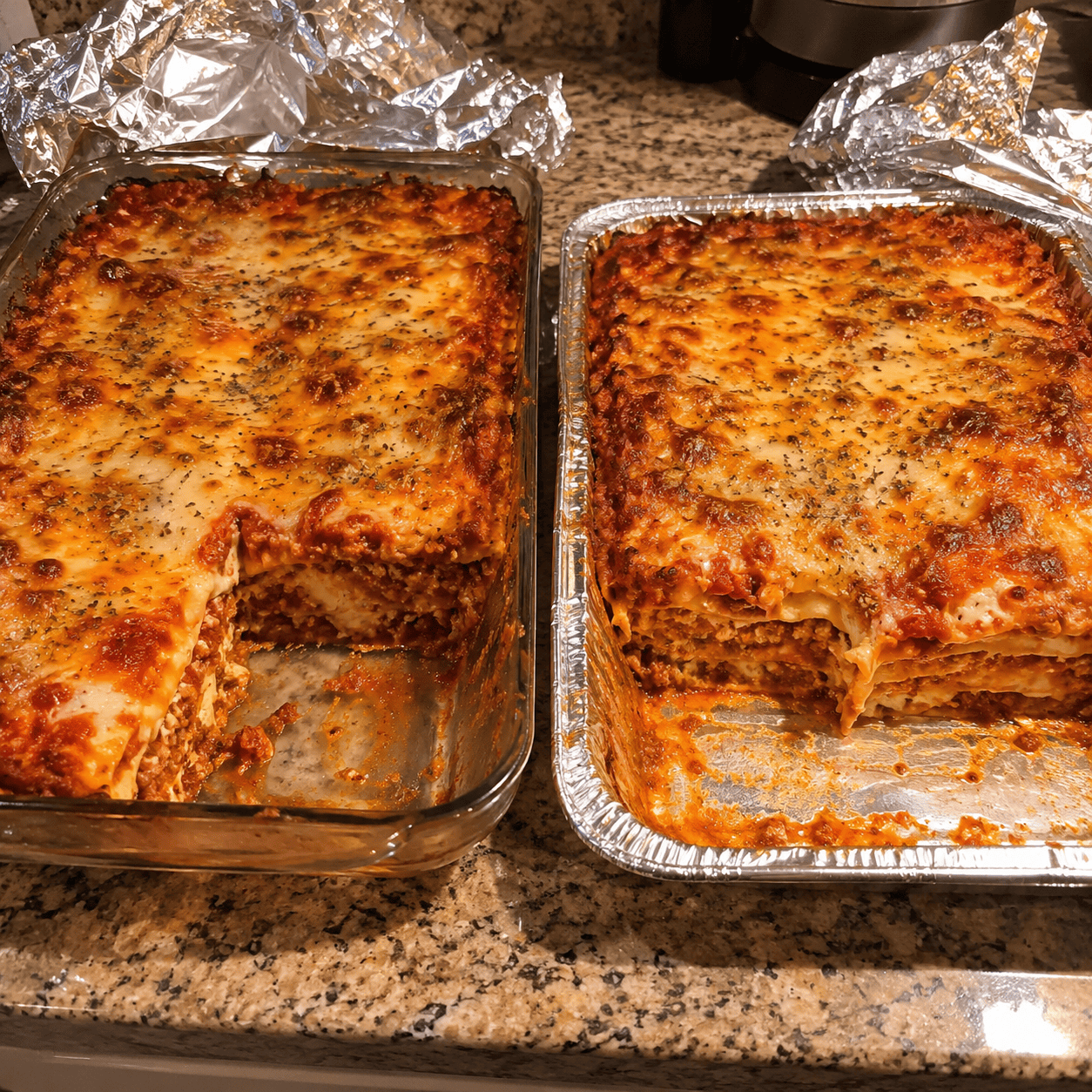
Two lasagnas on one table turns into a scoreboard, and nobody wins that.
People take a small square of each so they don’t offend anyone, half of both come back to the kitchen, and somebody’s feelings get tracked for a month.
Big holidays in big families run on informal assignments. Before you decide, text whoever is quietly in charge — in my family that’s my aunt Rosalie, who has the whole menu on the back of an envelope.
Ask what’s covered. Then fill the hole nobody wants to fill, which is almost always the vegetable.
11. Masking Tape and Your Name on the Bottom
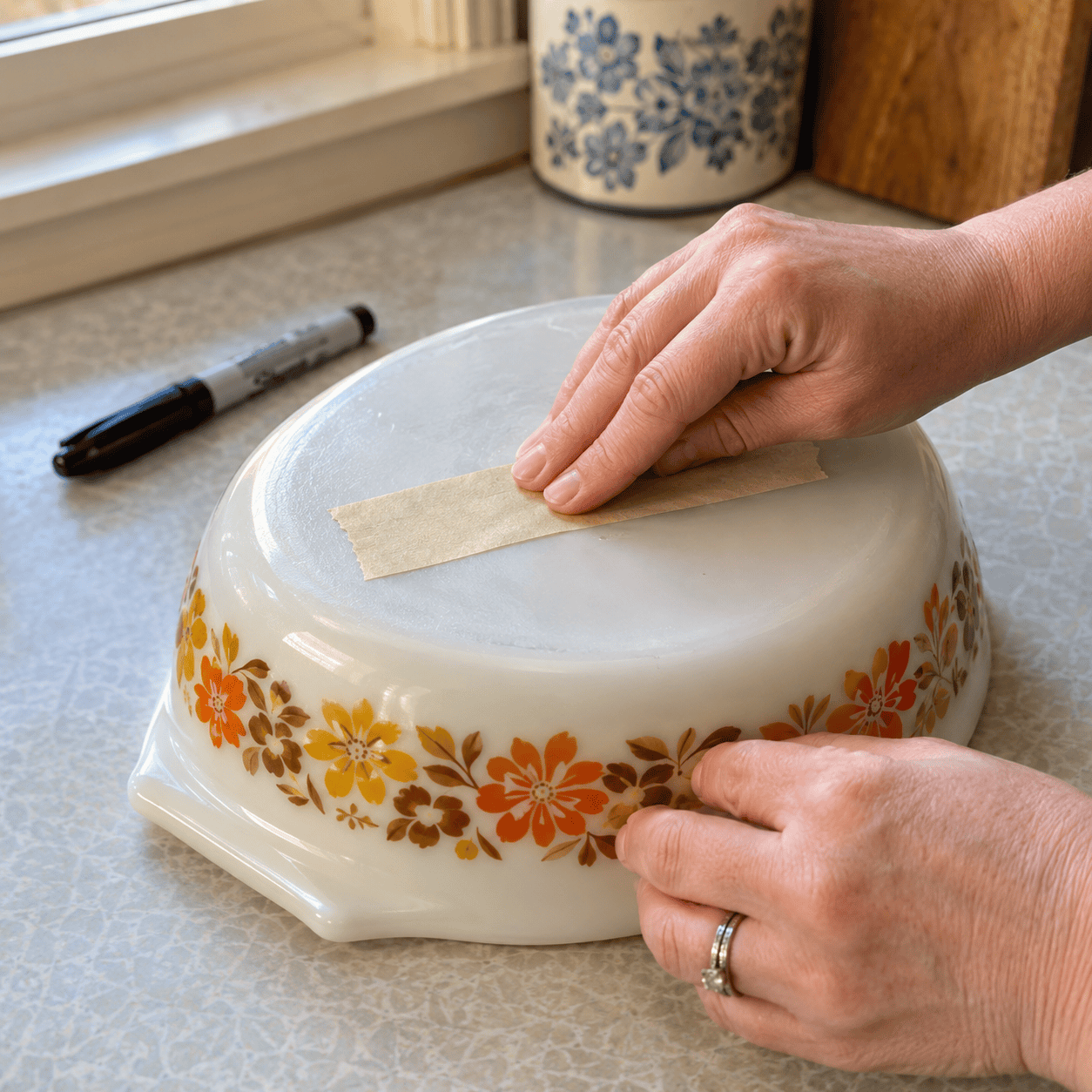
Thirty dishes come into a house on Christmas Day and thirty have to find their way home.
So you tape the bottom. First name is enough — RUSSO on a Pyrex 9×13 in black marker, the same strip of tape reused until it stopped sticking.
Without it, your mother’s good white platter spends two years in somebody’s basement in Drexel Hill and surfaces at a christening.
The dish-return economy is real and it keeps a kind of ledger. The tape is the paperwork.
12. Never Debut a New Recipe
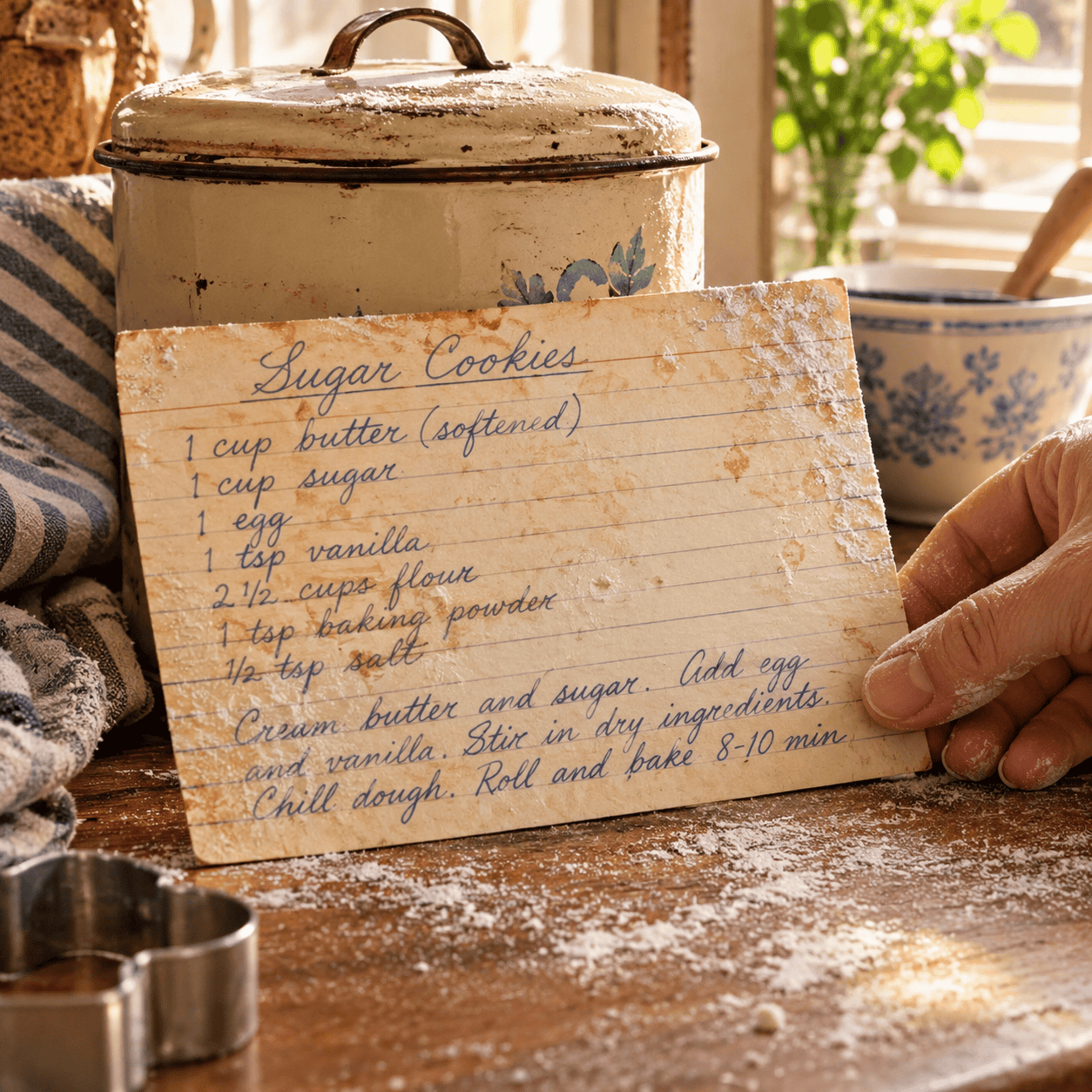
Her table is not a test kitchen. Test it on your husband on a Tuesday.
A flop at a holiday doesn’t just get eaten around. It gets remembered, named, and retold — at the next christening, the next graduation, and at least one funeral.
My cousin brought a saffron rice thing to Easter 1994. It is still “the rice.”
Bring the thing you’ve made a hundred times, the one your hands do without you. That’s not playing it safe. That’s respect for the day.
13. Bring It Ready to Serve
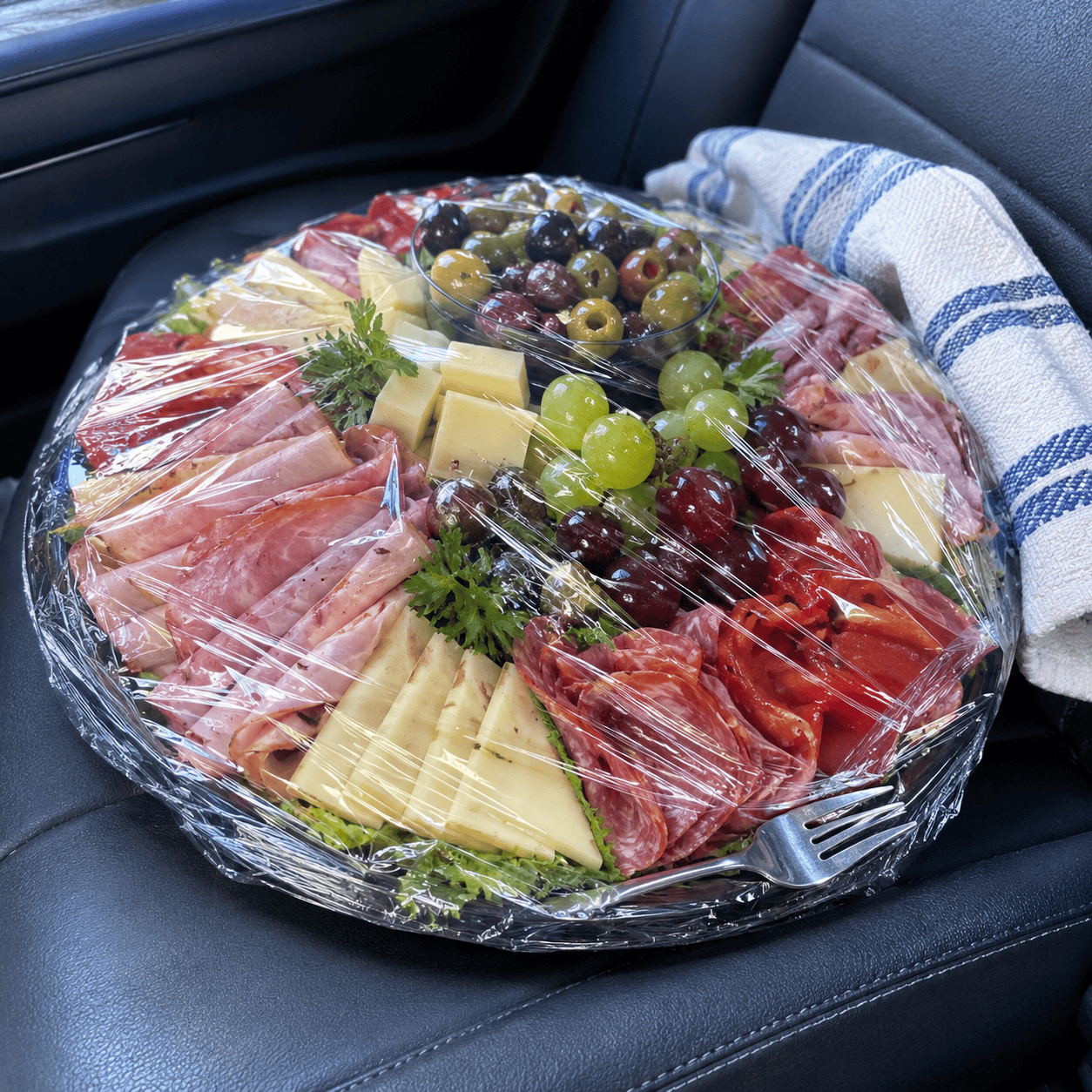
Counter space is the scarcest thing in that house. Scarcer than oven racks, scarcer than chairs.
So nothing that needs assembling on arrival. No “where do you keep your colander,” no borrowing a mixing bowl, no dressing a salad in the middle of her plating the primo.
Dress it in your own kitchen. Garnish it in your own kitchen. Bring the serving spoon with you, because every serving spoon she owns is already in something.
Your dish should be able to go from your hands to the table with nothing in between.
14. The Wine You Bring May Never Be Opened
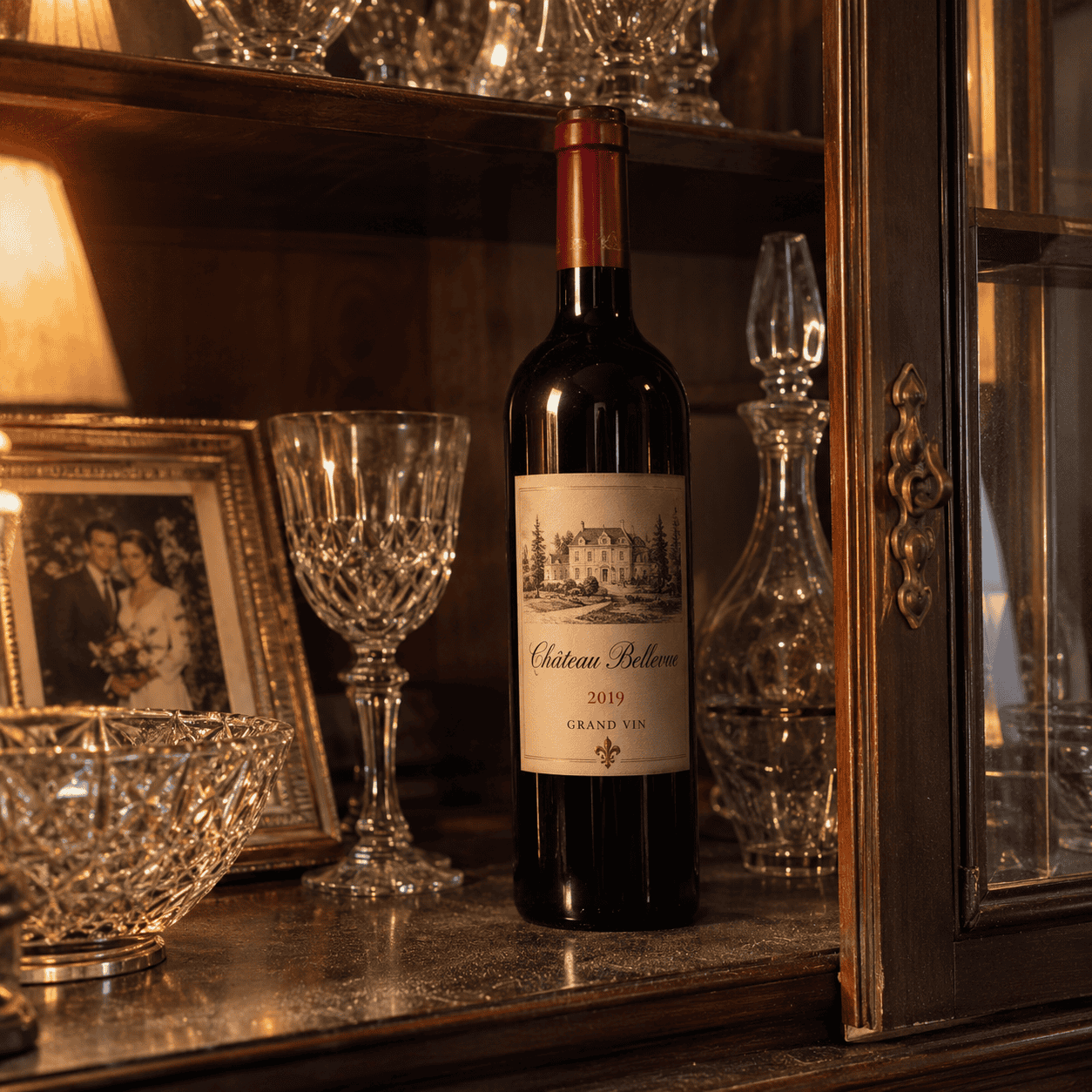
You hand over a good bottle. She says thank you, beautiful, and puts it on the shelf in the dining room.
Then she pours the wine she already picked for dinner, which may be a jug of something a neighbor made in a garage.
That’s not a snub. A gift bottle belongs to the host to use whenever she wants, and tonight’s pairing was settled days ago. Americans misread this constantly.
Here’s the quick version of who’s deciding what:
| Guest Decides | Host Decides | |
|---|---|---|
| What you bring | Yes, after asking | Vetoes duplicates |
| When it’s served | Never | Always |
| Which platter | Never | Always |
| Your gift wine | Hand it over | Opens it or shelves it |
| Leftovers | Accept them | Packs them |
Short version: you own the handoff, she owns everything after it.
15. Never Chrysanthemums
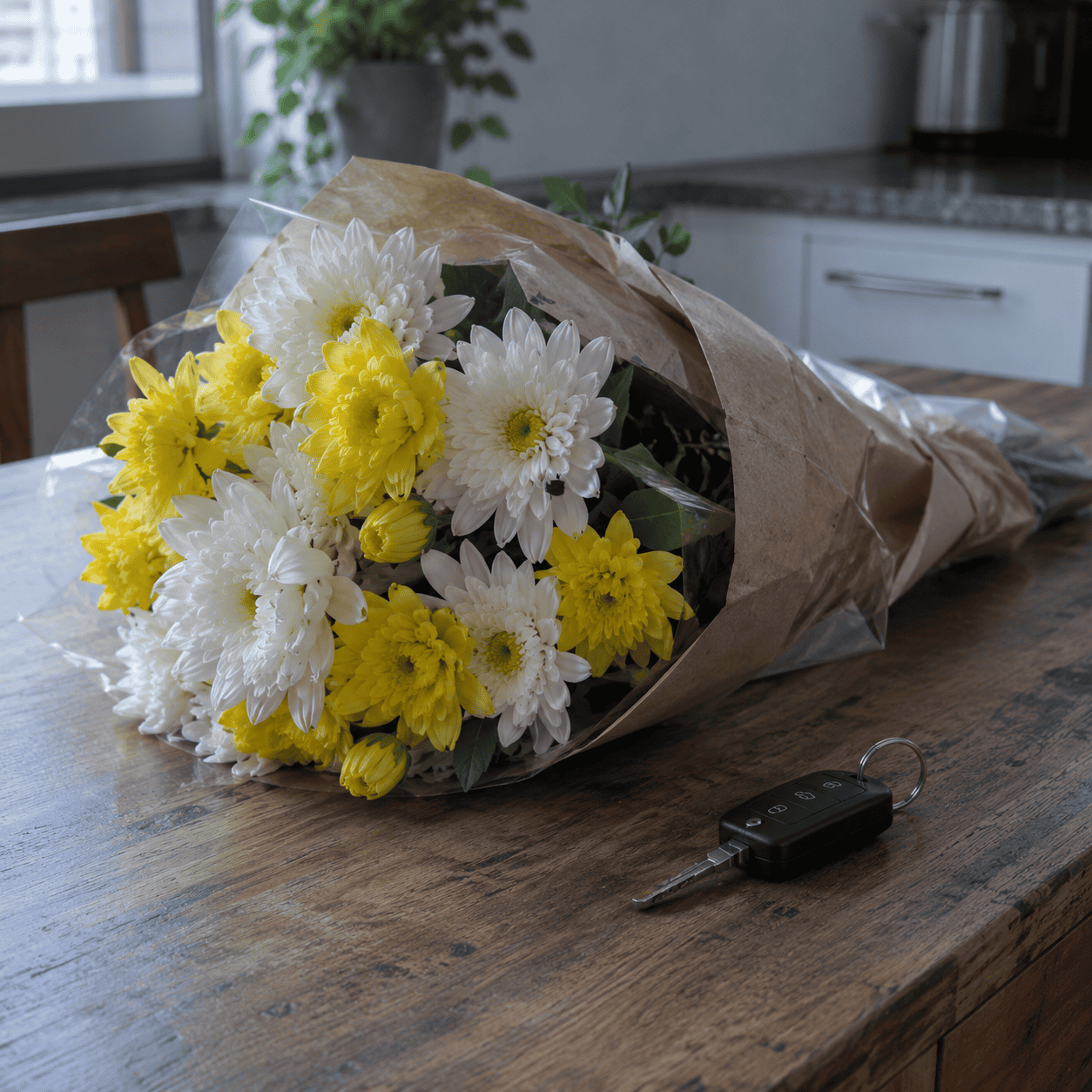
In Italy chrysanthemums go on graves. They’re sold by the armload before November 2, Il Giorno dei Morti, and they mean one thing only.
Bring a bouquet of them to a birthday dinner and the room temperature changes before anybody explains why.
The number matters too. Flowers go in odd numbers; an even bouquet reads as funeral flowers, which is why Italian gift etiquette treats a dozen roses as a near miss rather than a classic.
Safe bets: sunflowers, a potted basil plant, an orchid. Count the stems before you pay.
16. No Green Can of Grated Cheese
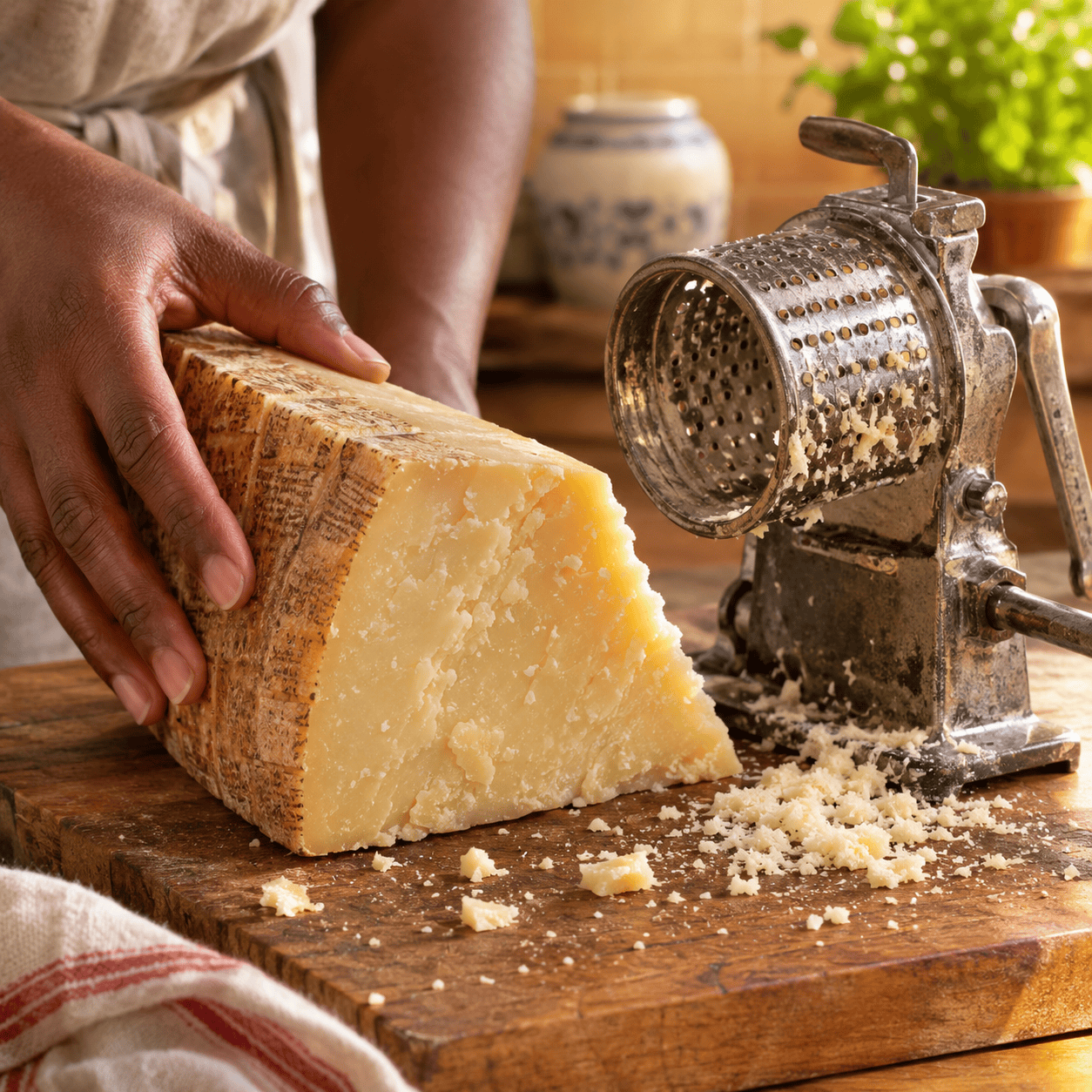
If cheese is your contribution, it comes as a wedge with the rind still on it.
The green can is shelf-stable sawdust with cellulose in it to keep it from clumping, and setting it on an Italian table is a choice people will discuss in the car on the way home.
My grandmother kept a chunk of Locatelli wrapped in waxed paper and a hand grater that took a knuckle off somebody every other Sunday.
Buy the wedge. Bring the grater if you’re feeling bold.
17. Don’t “Improve” a Classic
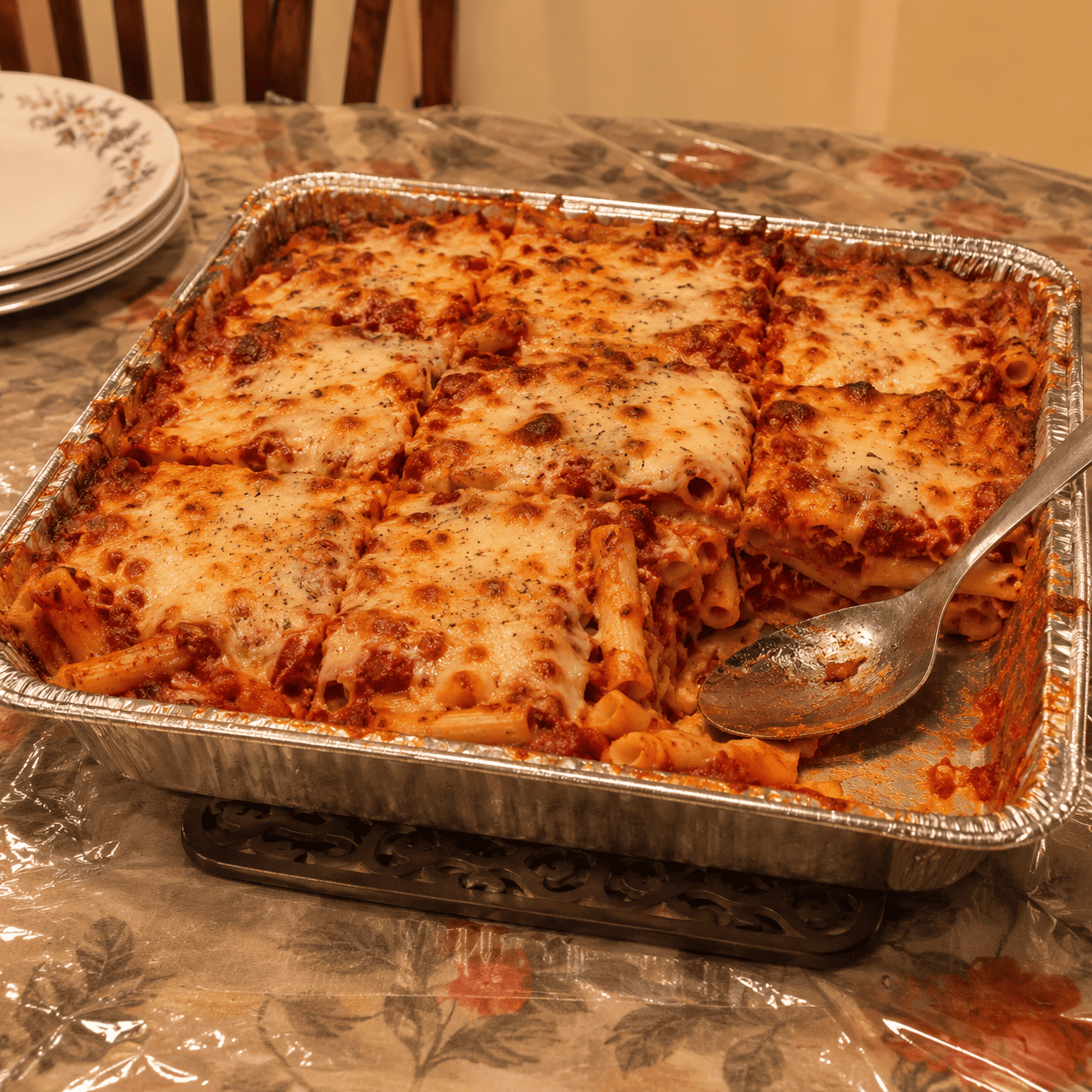
No lightened-up baked ziti. No cauliflower crust. No truffle oil on anything, ever.
Swap the ricotta for cottage cheese and you haven’t innovated, you’ve announced that you thought the original needed fixing. That’s how it lands, whatever you meant.
There’s a whole catalog of things people do to Italian food under the banner of improvement, and almost all of them started with good intentions.
Make the dish. Make it the way it goes. Experiment on your own people.
18. Bread Comes Whole, Never Sliced
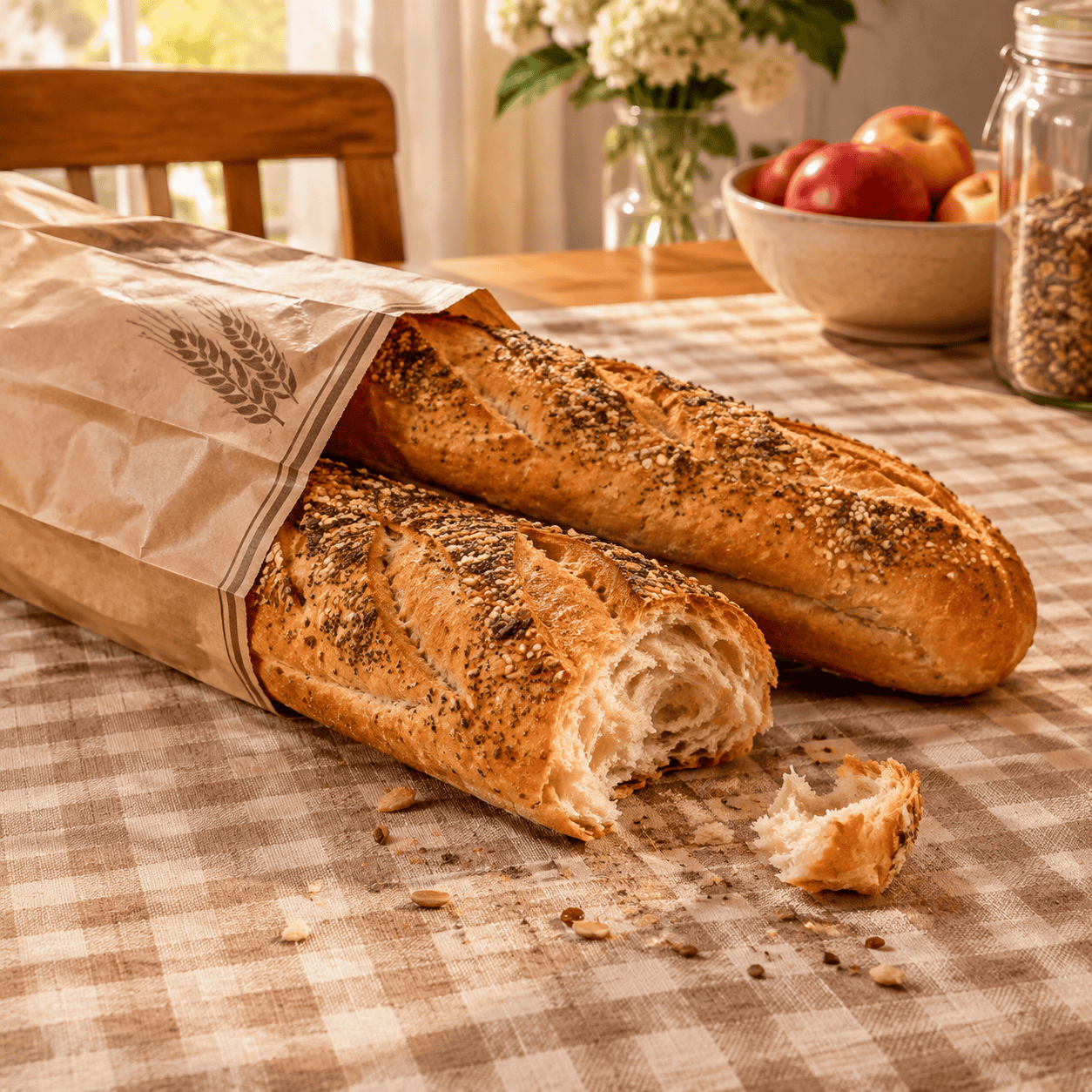
A seeded loaf in its paper sleeve, warm if you timed it right, ends sticking out of the bag.
Pre-sliced bread goes stale on the drive and it robs the table of the tearing, which is half the point. Somebody breaks it at the table and it travels hand to hand.
And bread has a second job at the end. The scarpetta — the piece you drag through what’s left of the sauce until the plate looks washed.
Two loaves. There is never enough bread.
19. Don’t Put It on the Table Yourself
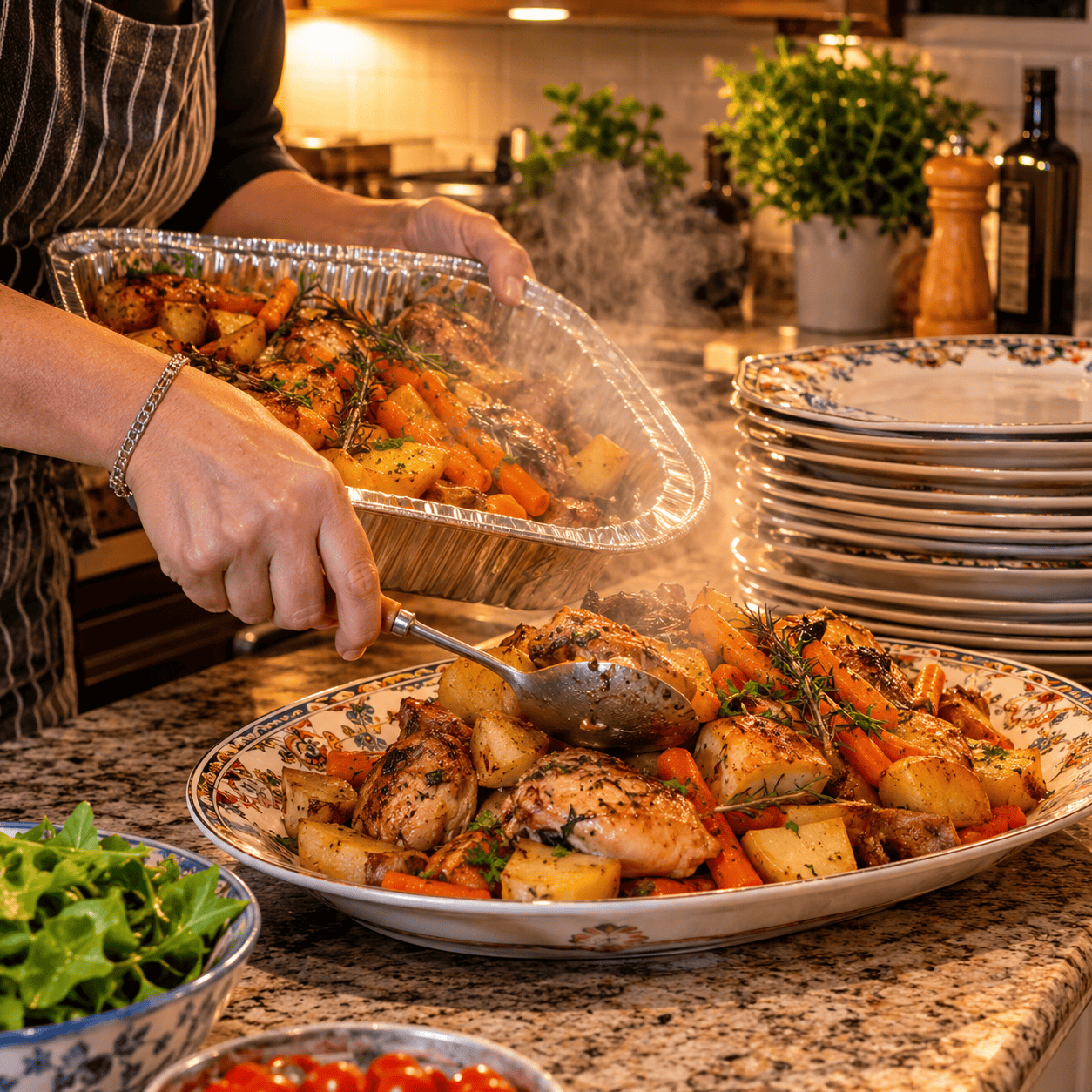
The host runs the sequence. Antipasto, then the pasta, then the meat, then salad, then fruit and nuts, then dessert and coffee.
Italian meals move in that order on purpose, and a guest who carries their dish out mid-primo has just put the secondo on the table an hour early.
Also: your pan is probably not going out in your pan. It’s getting transferred to a platter she chose.
Let her. The Sunday table has its own rules and the timing is the strictest one.
20. A Tray, Not a Plate
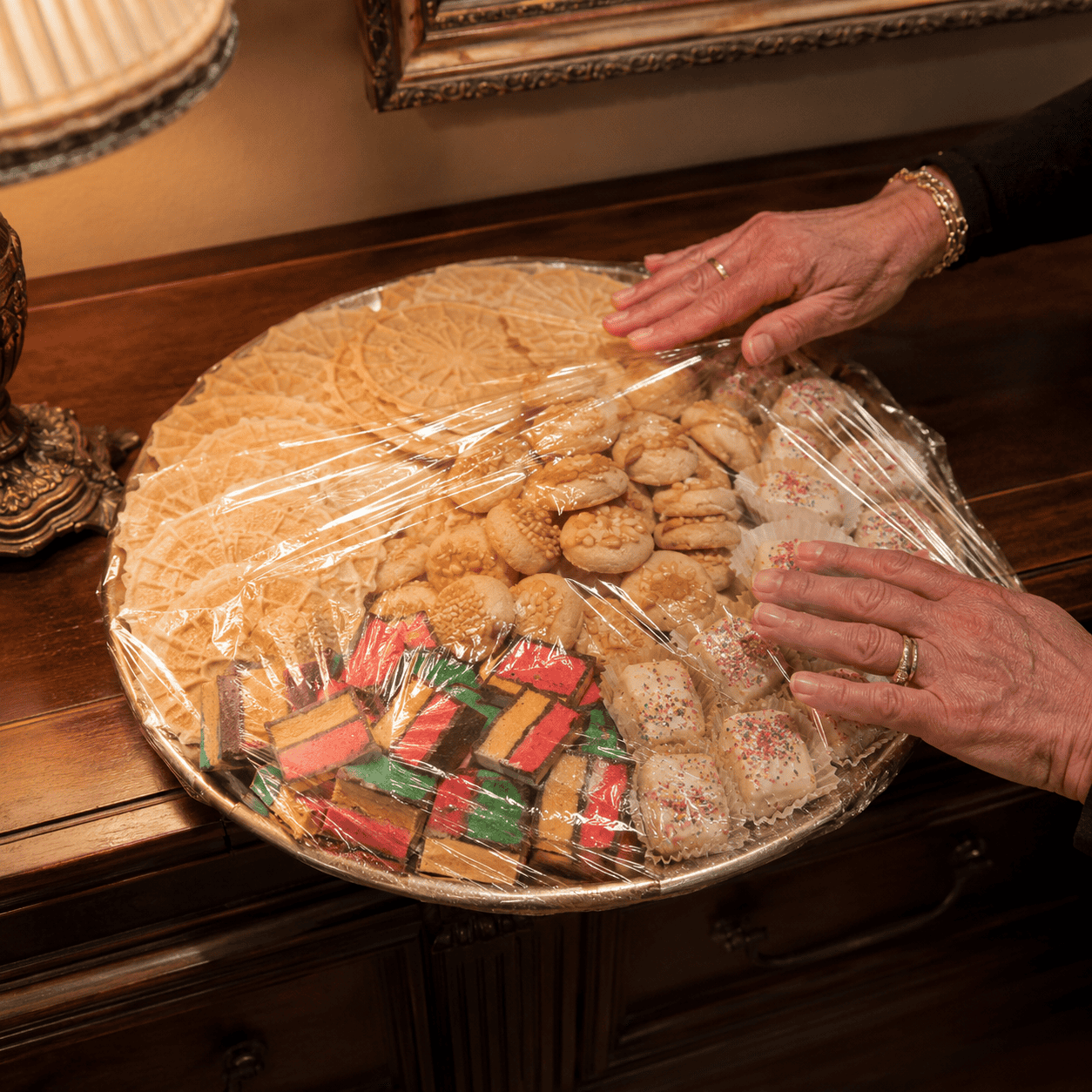
The Italian-American cookie tray is a genre. Pizzelle, anginetti with the white glaze and the sprinkles, pignoli, rainbow cookies, a few biscotti for the people who dunk.
Assorted, arranged in rows, wrapped in cellophane, done.
A paper plate with a dozen chocolate chip cookies on it is not that. It’s fine, and it will be eaten, and somebody will notice it wasn’t a tray.
If baking isn’t your thing, the bakery sells trays by the pound. Anybody who tells you they made it themselves is probably lying anyway.
21. Your Dish Becomes Your Assignment for Life
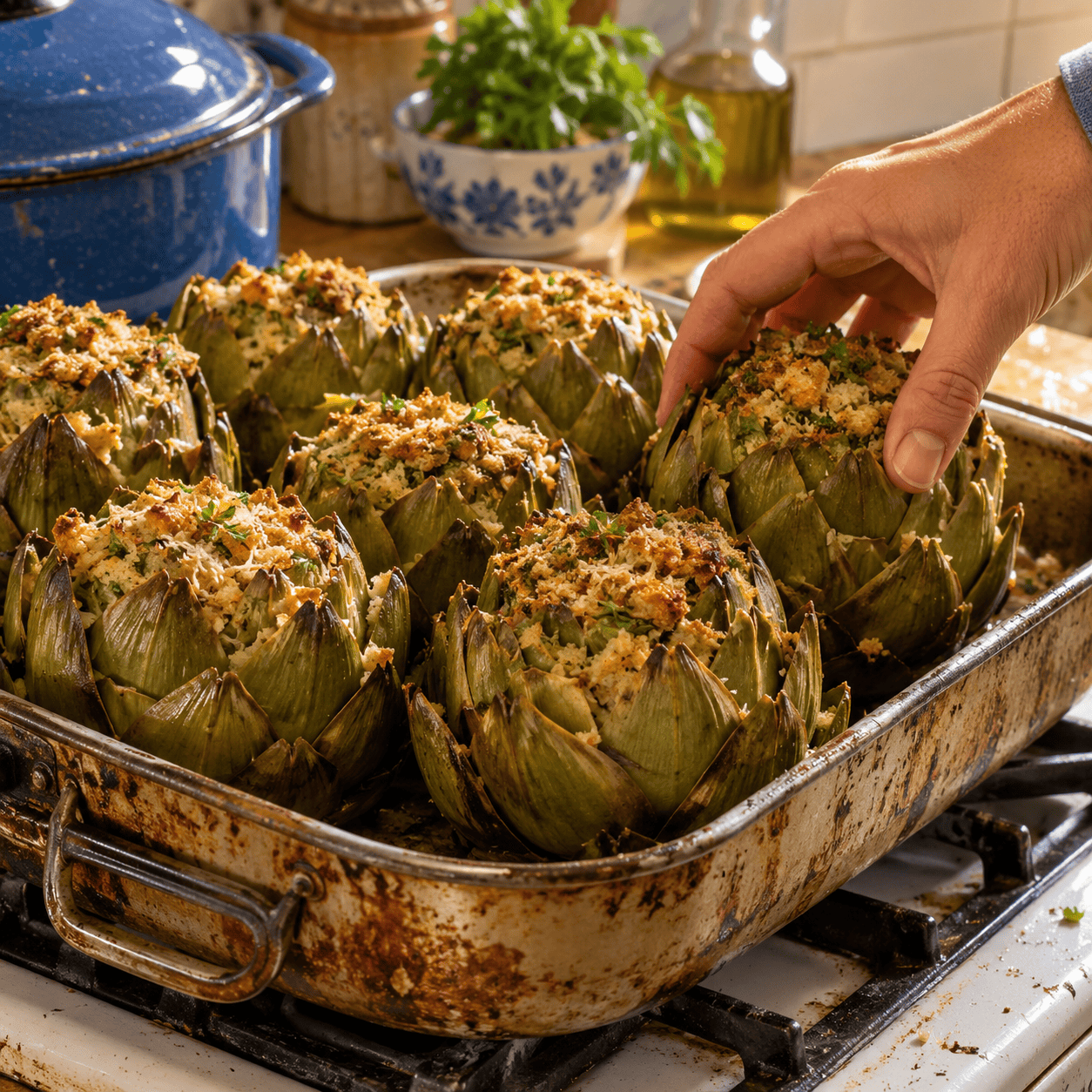
Bring one excellent tray of stuffed artichokes and congratulations — you are the artichoke person now. Forever.
There’s no appeal. Thirty Christmases later somebody’s son-in-law will ask if the artichokes are coming before he asks how you’ve been.
My aunt Carmela brought pepper biscuits to a wedding shower in 1981 and made them for every family event until she died in 2019. We buried her and three people asked who was doing the biscuits now.
So choose carefully. Pick something you actually like making, because you’ll be making it in your eighties.
22. Be Ready for It Not to Be Served
You spend four hours on something and it never reaches the table.
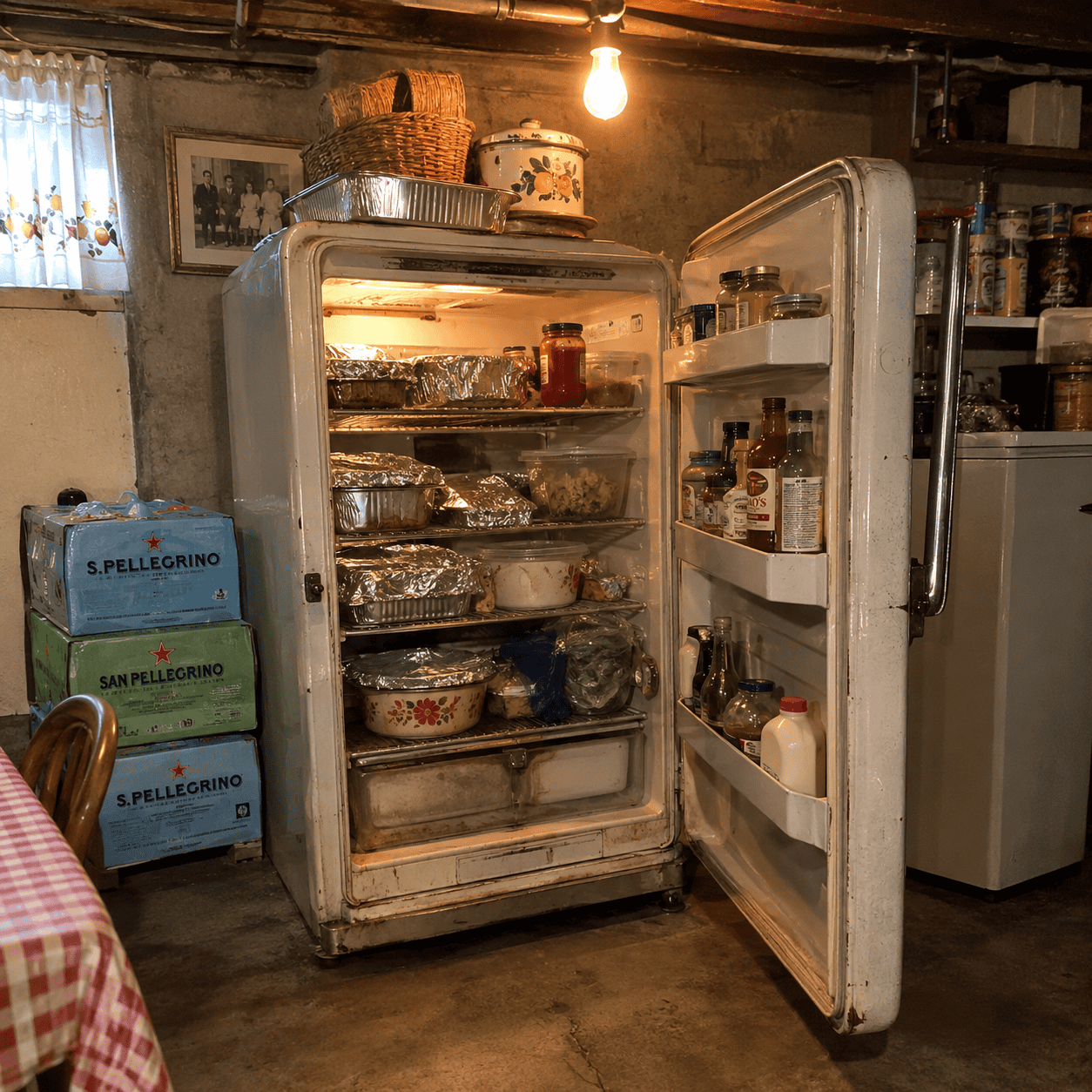
That’s not rejection. There was already too much food before you parked, and your tray went downstairs to the basement fridge next to the extra gravy and the case of seltzer.
It comes out tomorrow, or it goes home with somebody at ten o’clock, or it feeds whoever stops by Monday.
The basement second kitchen is where the overflow lives. Nothing is wasted. It’s just inventory.
23. Never Bring Pre-Filled Cannoli
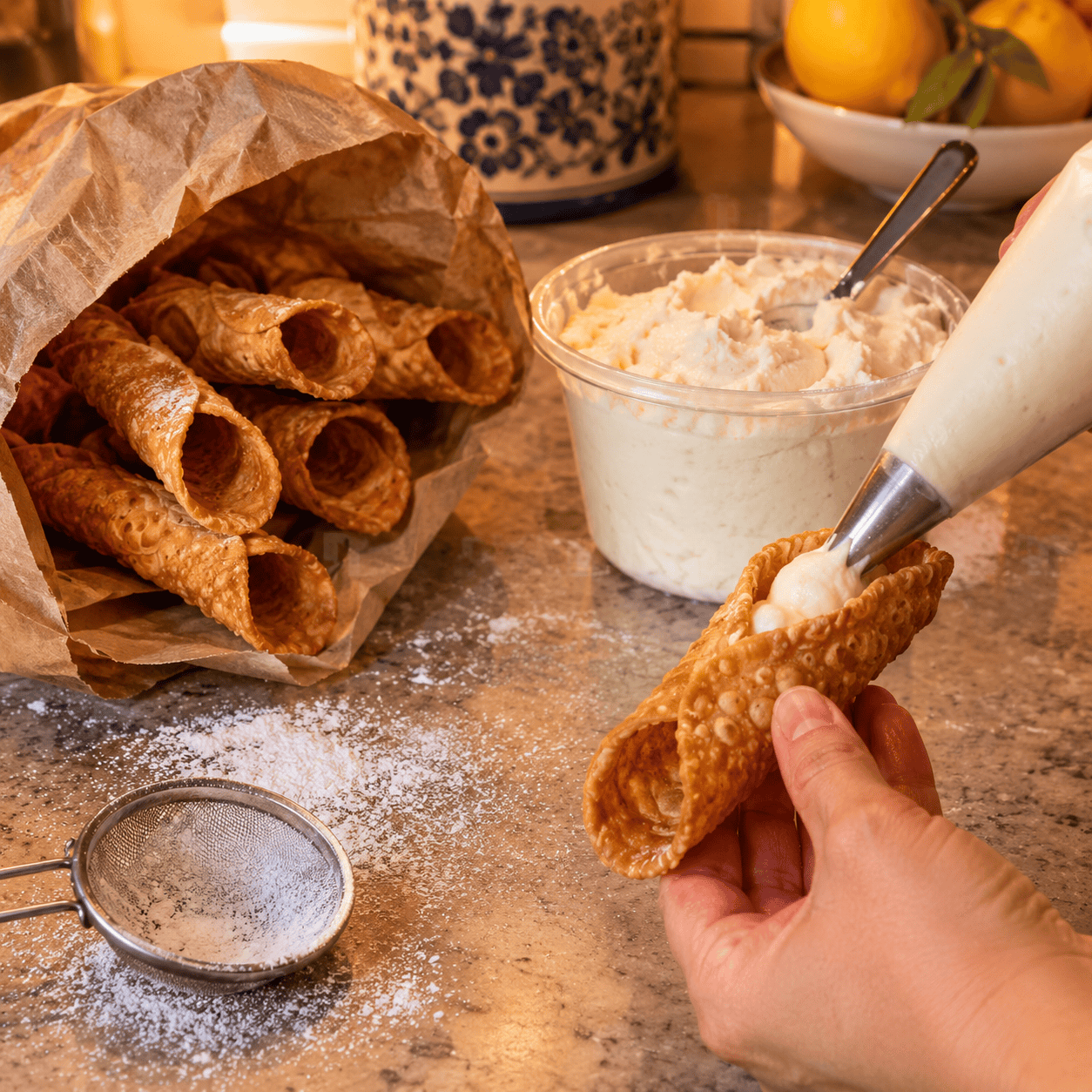
The bakery fills them to order for a reason. An hour in a box and the shell has gone soft and sad — wet cardboard with sweet ricotta in it.
You can taste exactly how long ago that cannolo was filled, and so can everybody else at the table.
Bring the shells in one bag and the cream in a container, and fill them after the coffee goes on. Takes four minutes and people hover while you do it.
Or skip it and bring a tiramisu, which actually improves sitting in the fridge all afternoon.
24. Answer the Recipe Interrogation Honestly
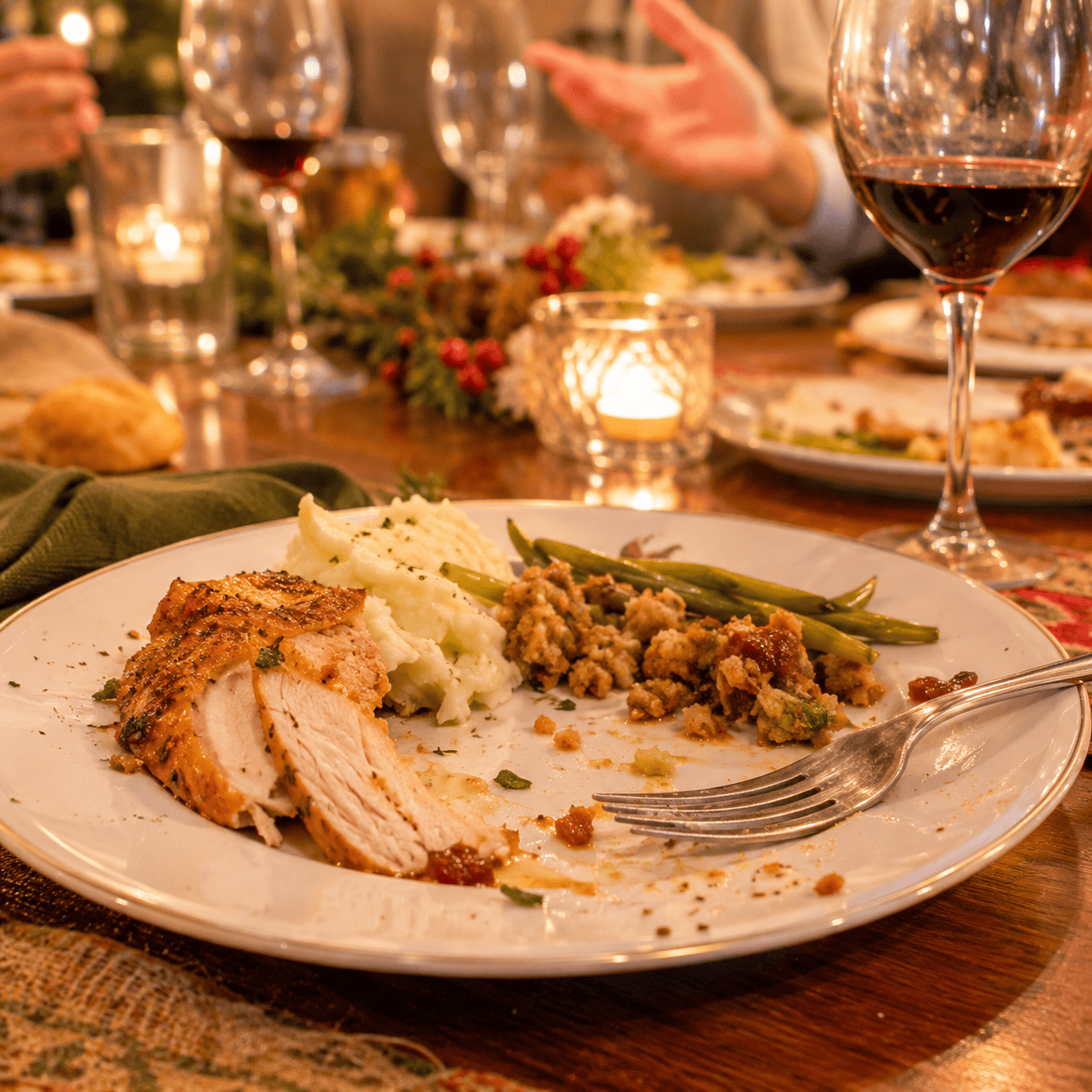
By the second bite somebody will ask what’s in it. Then whose recipe. Then whether you used butter or oil.
Don’t bluff. Somebody at that table has made the dish four hundred times and can taste that you used the jarred garlic.
Admitting the shortcut is fine. Pretending you didn’t take one is what gets remembered.
And if it’s your mother-in-law’s recipe, say so by name. Credit travels at these tables like money.
25. A Jar From Your Garden Outranks Anything Expensive
A ninety-dollar gift basket with shrink-wrapped crackers gets a polite thank you and a spot in the closet.
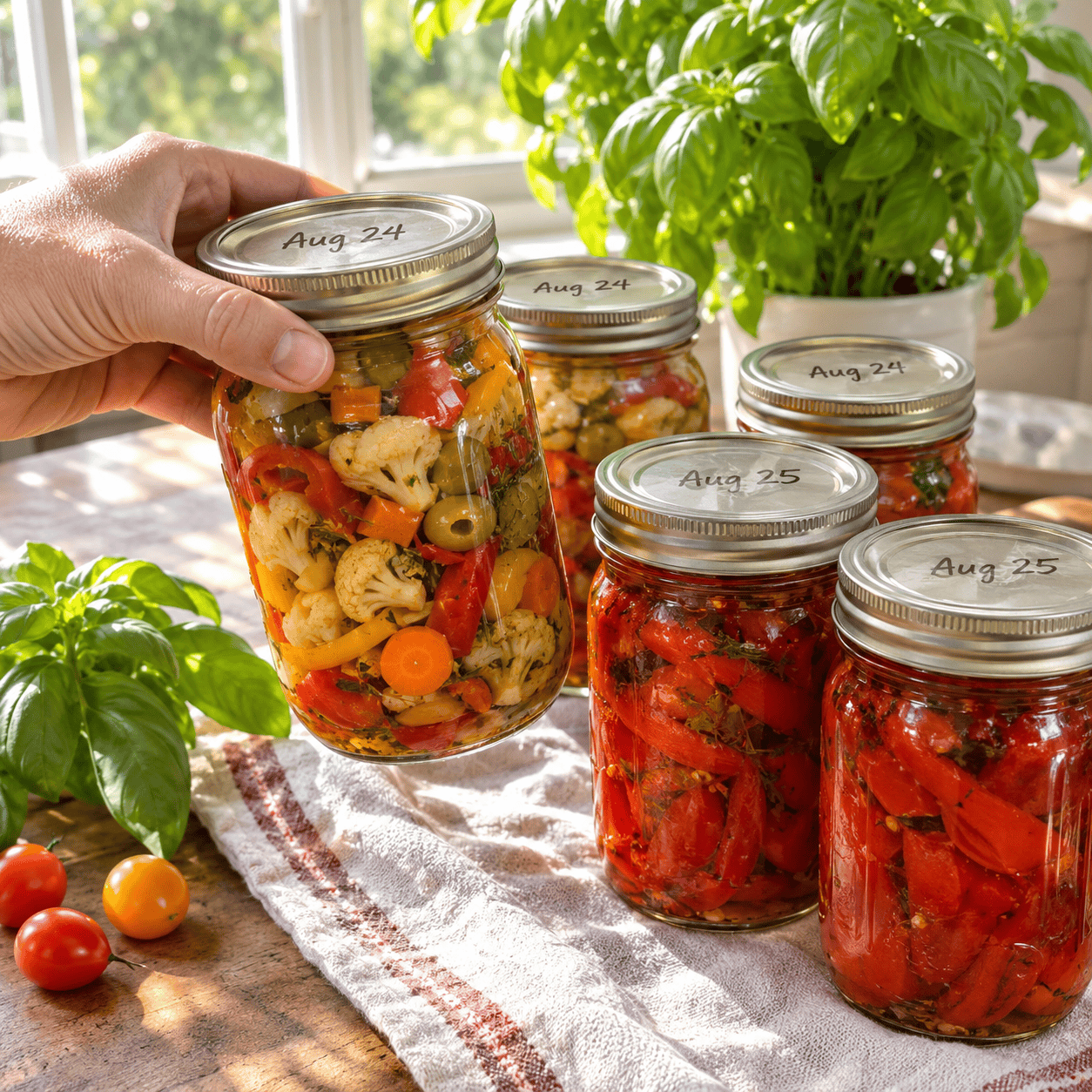
A pint of giardiniera you put up in August gets opened that night.
These families run on proof of effort. Roasted peppers under oil, fig jam from the tree in the yard, tomatoes you canned in a hot kitchen in September, a bag of basil cut that morning — that’s the real currency.
Write the month on the lid in marker. She’ll notice that too.
26. Nothing That Can’t Sit Out for Three Hours
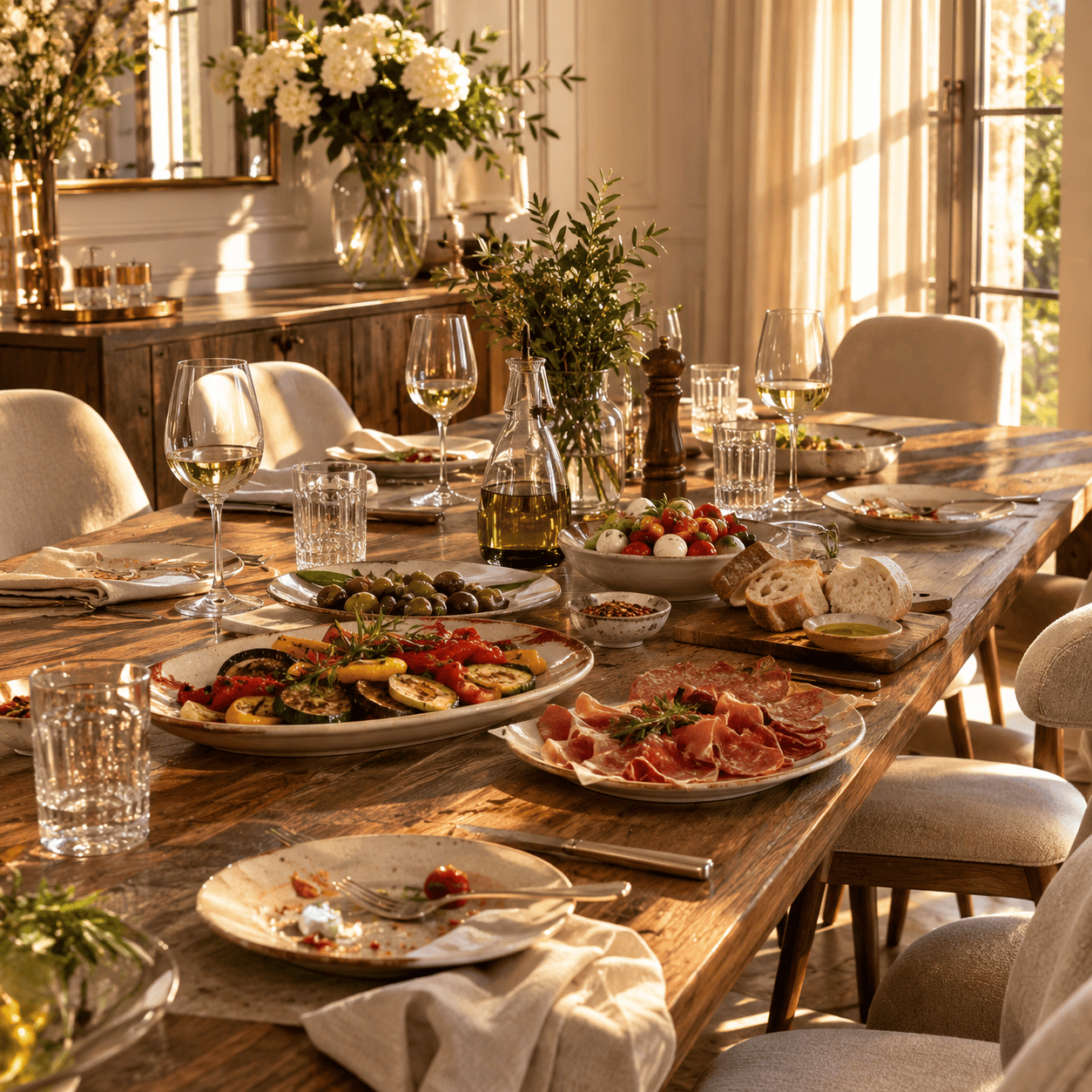
An Italian meal doesn’t have a start time and an end time. It has an arc. You sit at two and somebody’s making coffee at six.
Whatever you bring has to survive that whole stretch on a crowded table under a pile of elbows.
Things that hold up:
- Marinated or roasted vegetables in oil
- Cured meats, olives, hard cheeses
- Anything fried and eaten at room temperature
- Cookies, biscotti, dry cakes
- Frittata, cut into squares
Things that don’t: whipped cream, raw seafood, anything with mayonnaise, ice cream cake that spent twenty-five minutes in a warm car.
27. Peel the Price Tag Off
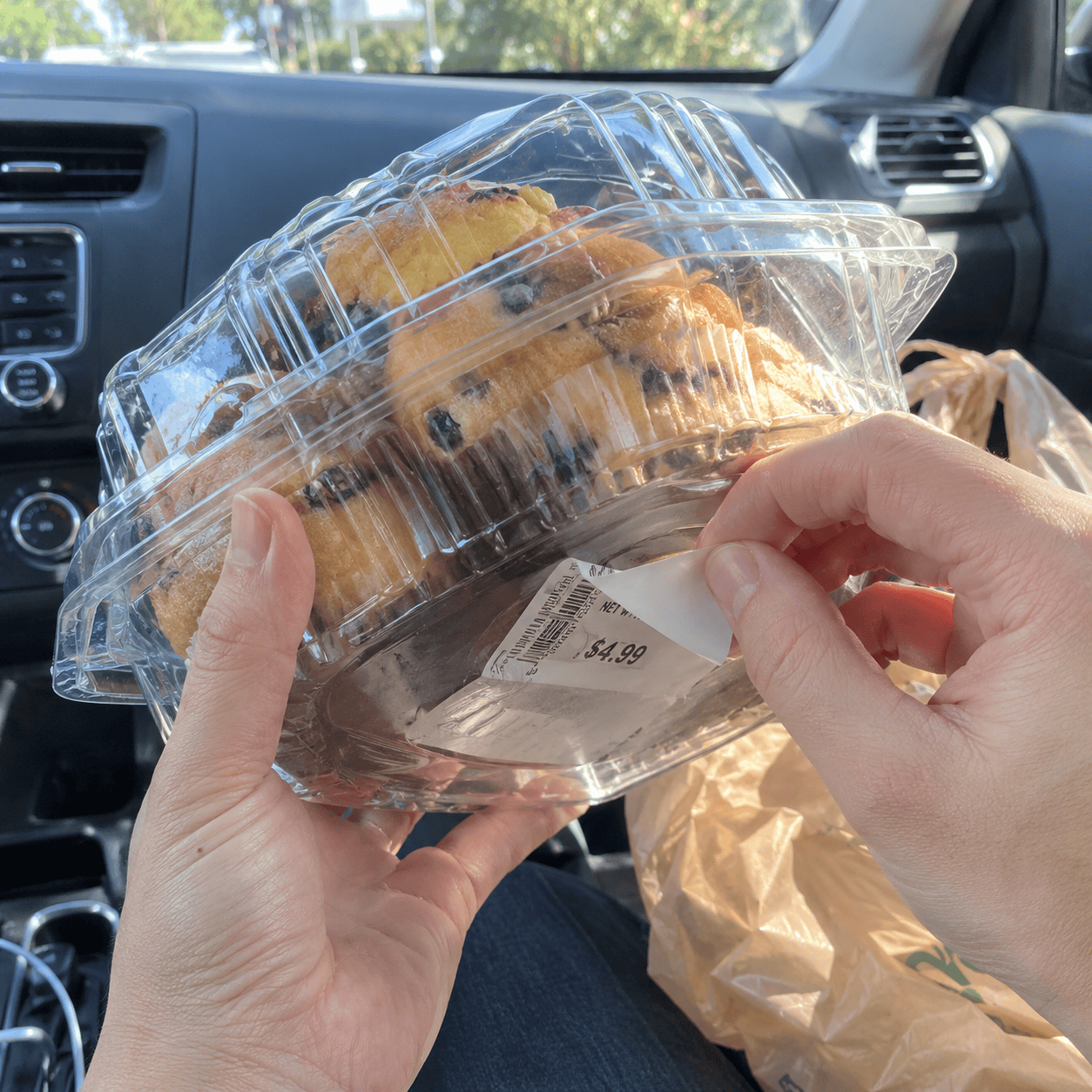
The sticker on the bottom of the tray tells on you before dessert.
So does the grocery store bag. So does the clamshell container. Nobody minds that you bought it — plenty of people buy it. They mind the lack of effort in the last thirty seconds.
Transfer it to a real dish. If you can’t, strip the labels in the driveway and fold the bag into your coat pocket.
Takes a minute. Buys you a decade.
28. Bring the Bottle for After the Coffee

Anisette, sambuca, a good amaro, or limoncello somebody made in a jar on a windowsill.
This is the one gift almost guaranteed to be opened the same night, because the espresso hour needs it. Little glasses come out of the china cabinet, the ones nobody uses for anything else.
Three coffee beans in the sambuca. Health, happiness, prosperity. My uncle insisted on it and chewed all three.
Bring the bottle and you’ve bought yourself a seat at the end of the table, which is where the real conversation happens.
29. On Christmas Eve, Leave the Meat at Home
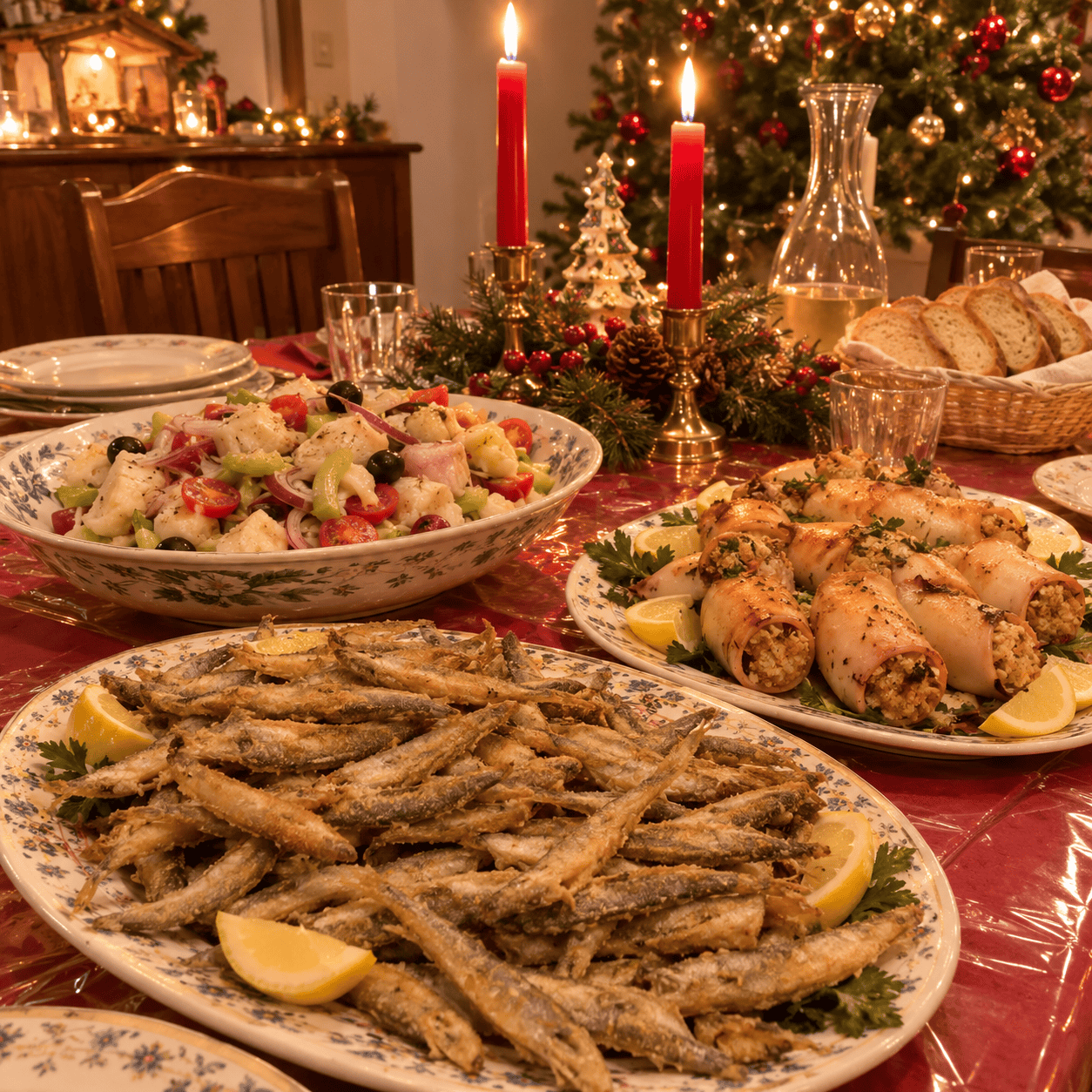
La Vigilia is meatless. Has been since before anybody in the family could tell you why.
So a beautiful tray of sausage and peppers on December 24 is a beautiful tray of sausage and peppers at the wrong house on the wrong night.
Bring baccalà salad, fried smelts, stuffed calamari, marinated mushrooms, or anything on the Seven Fishes roster that somebody hasn’t already claimed. Dessert is always welcome.
Christmas Day, bring all the meat you want. Twenty-four hours makes the whole difference.
30. Don’t Criticize the Host’s Version of What You Brought
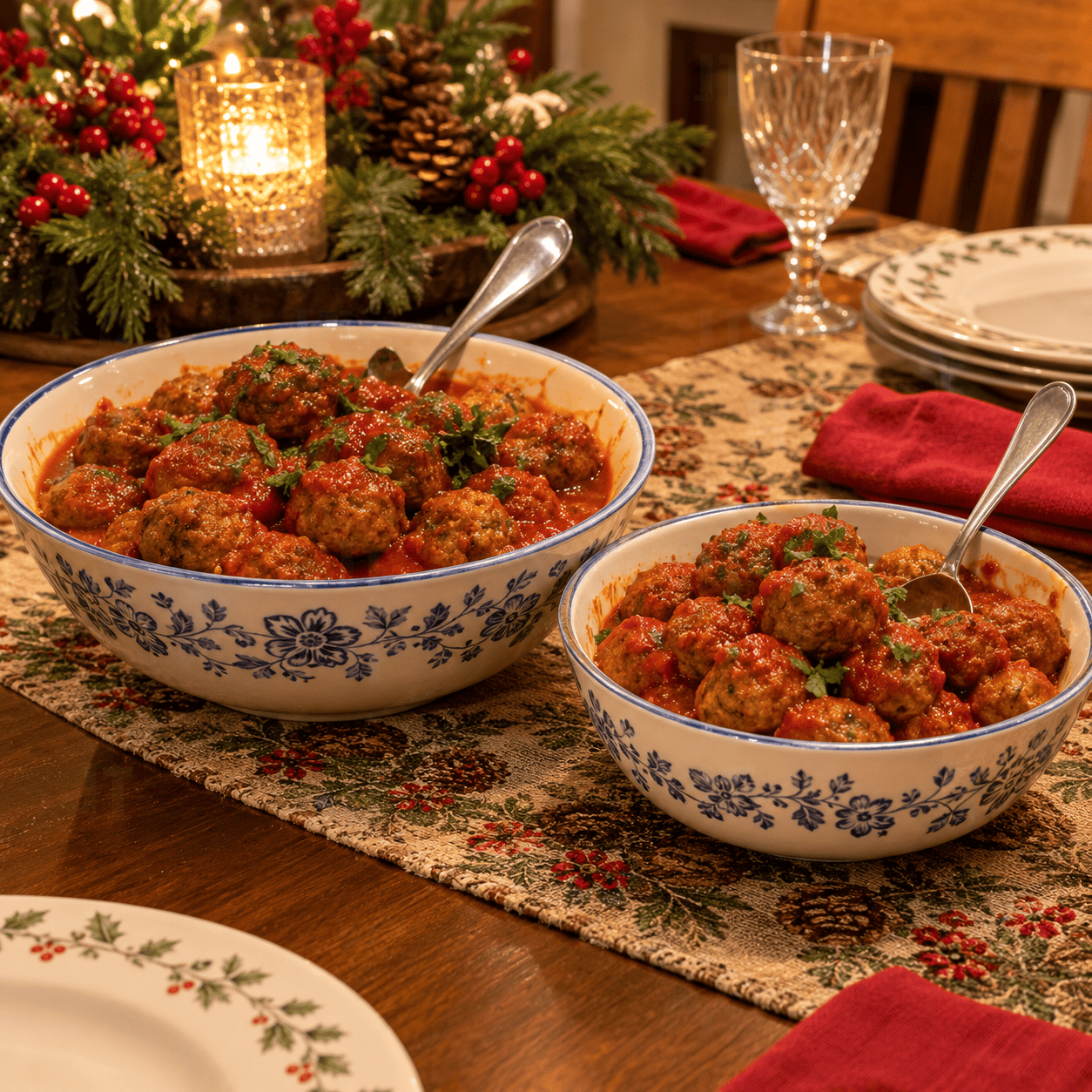
Two pots of meatballs on one table and somebody always says it. Lighter. Better. More like Nonna’s.
Don’t be that person. Yours are different. That’s the only word allowed.
I brought braciole to my sister-in-law’s once and said mine takes longer. Harmless sentence. Took her six months to stop bringing it up.
The table has room for two versions and zero comparisons.
31. When There’s a Funeral, Bring It in a Pan Nobody Has to Return
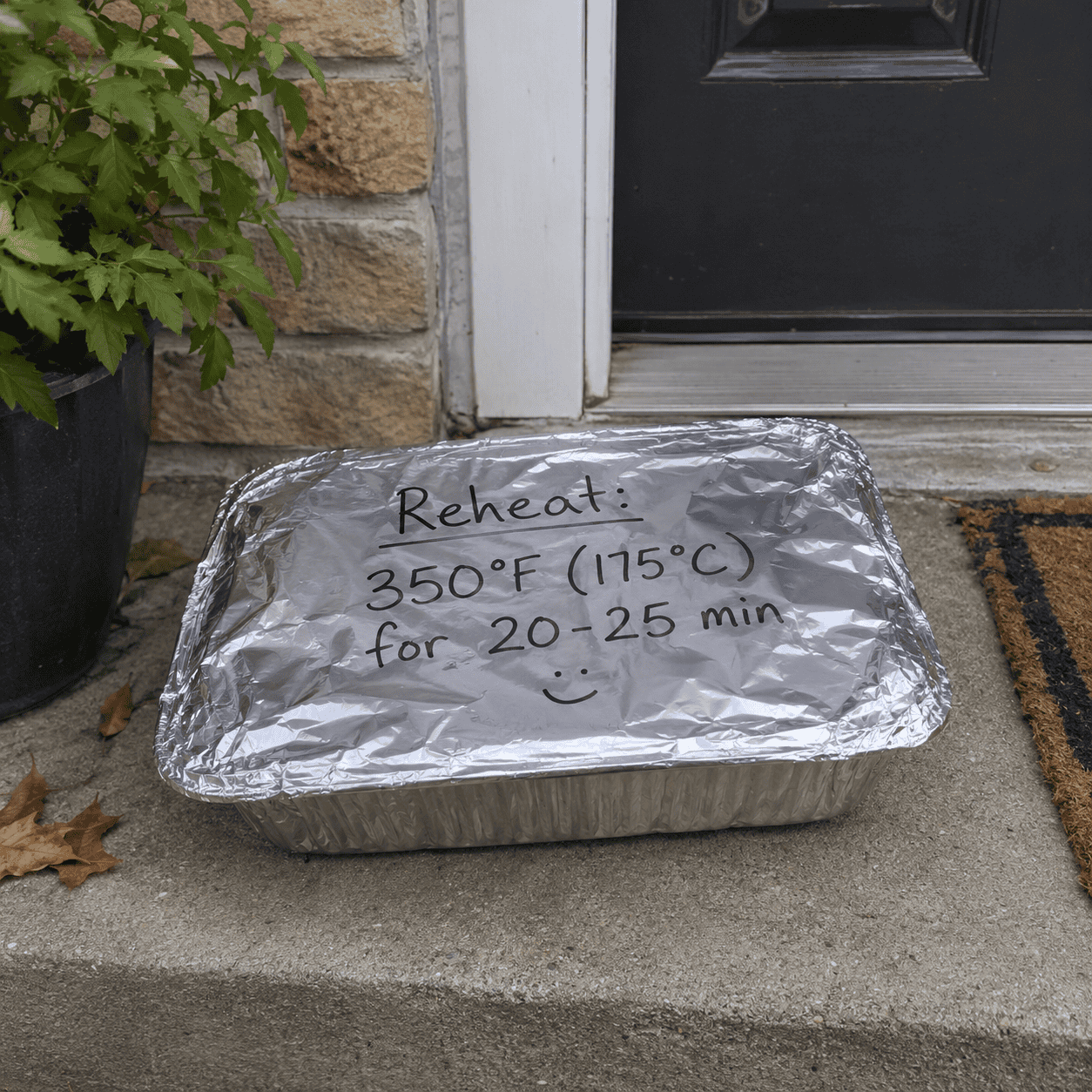
A disposable aluminum tray, covered in foil, labeled with the reheating instructions in marker on the lid.
No Pyrex. No good platter. The family is burying somebody and the last thing they need is to track thirty dishes and wash them and remember who gets what.
Bring something that reheats badly-but-fine — baked ziti, a pot of soup in a quart container, a roasted chicken, a tray of cookies for the people who stop by.
Leave it on the porch if the house is full. Don’t stay long. That’s the kindness.
32. Say Yes When They Pack You a Plate
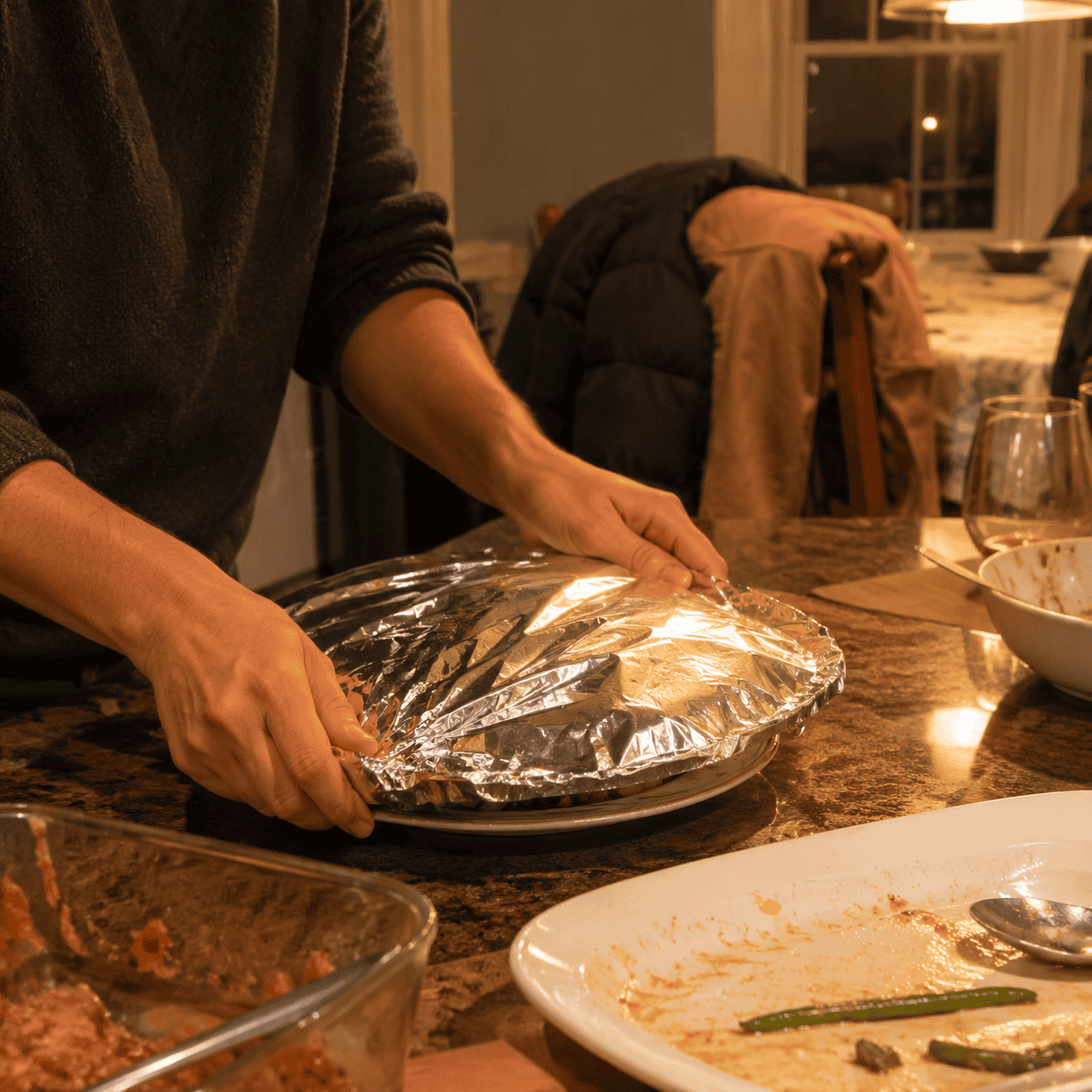
At the door, coat half on, she’s already got the foil out.
You say no thank you, we’re stuffed. She keeps packing. You say really, you’ve got plenty. She hands it to you and tells you to warm it at 350.
Take it. Refusing the plate refuses the whole day — the whole philosophy of feeding people is that nobody leaves her house empty-handed either, including you.
Accepting is the compliment. Eating it Monday at the sink is the follow-through.
33. Never Return the Dish Empty
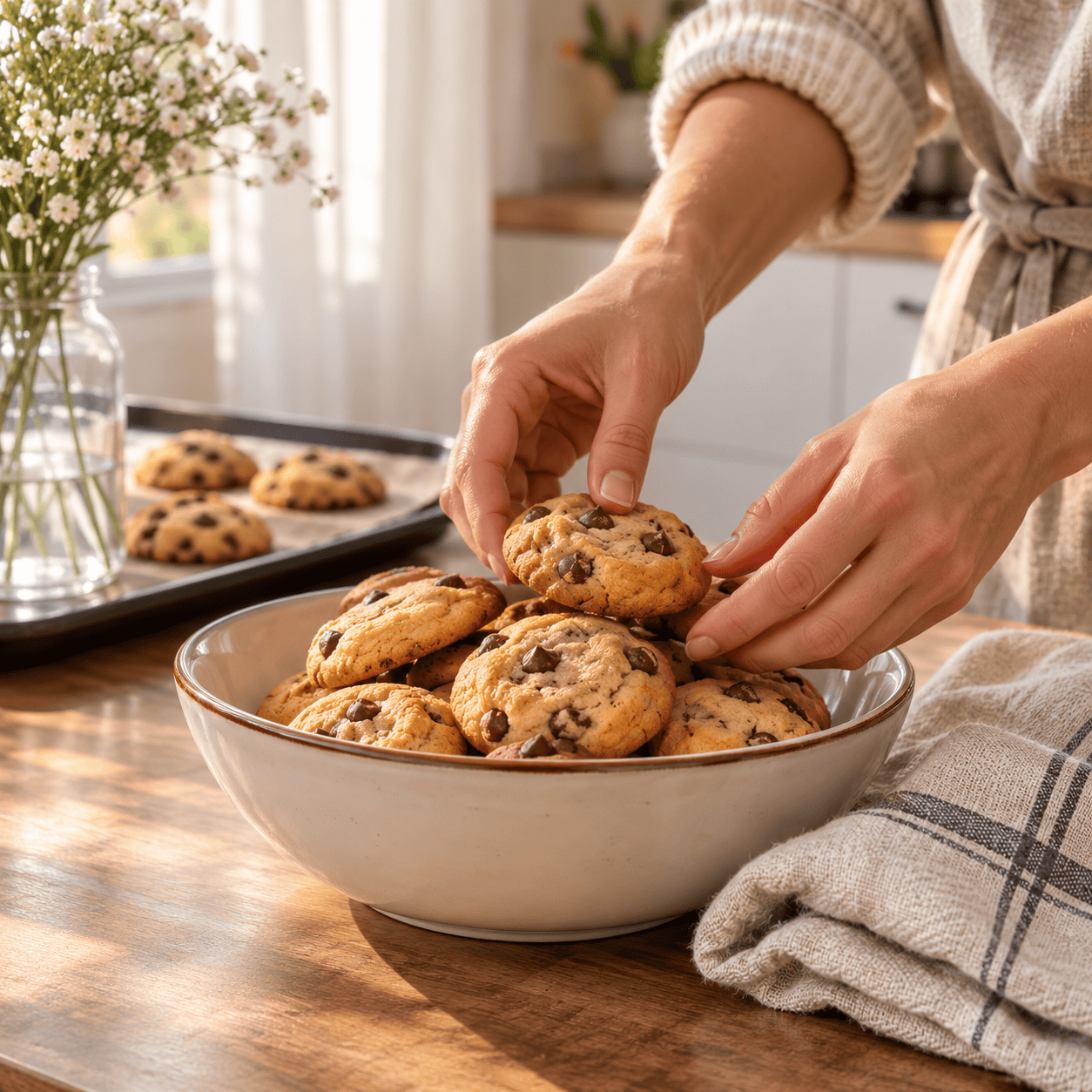
This is the oldest superstition in the whole list and the one I’ve never once broken.
When you bring back her bowl, something goes in it. Cookies, a few oranges, a jar of sauce, a loaf of bread. Some of the old women tucked in a dollar bill for luck.
An empty dish comes back empty forever. That’s what Nonna Pina said, and she wasn’t talking about the dish.
Full dish out, full dish back. Which means there’s always a reason to drive over again.
That’s the trick nobody tells you. The food was never the point — it was just the excuse to keep showing up at each other’s doors for fifty years.
Every one of these rules exists to keep somebody coming back. Break a few. Just don’t break the last one.
Buon appetito,
Madeline