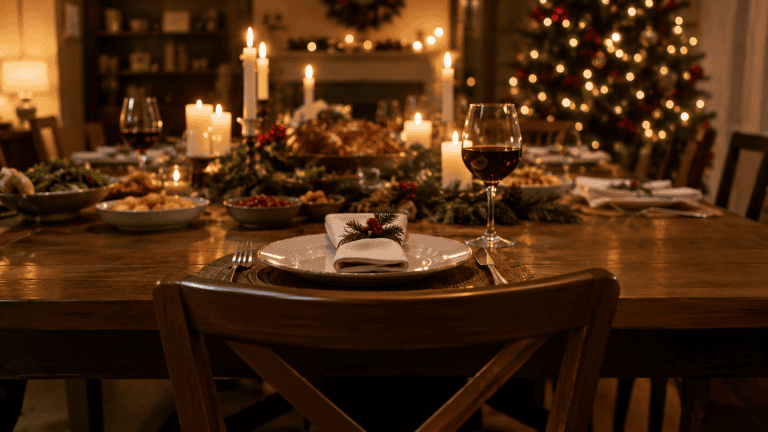
The Italian Sunday Table Has 35 Rules — Break One and You’ll Hear About It
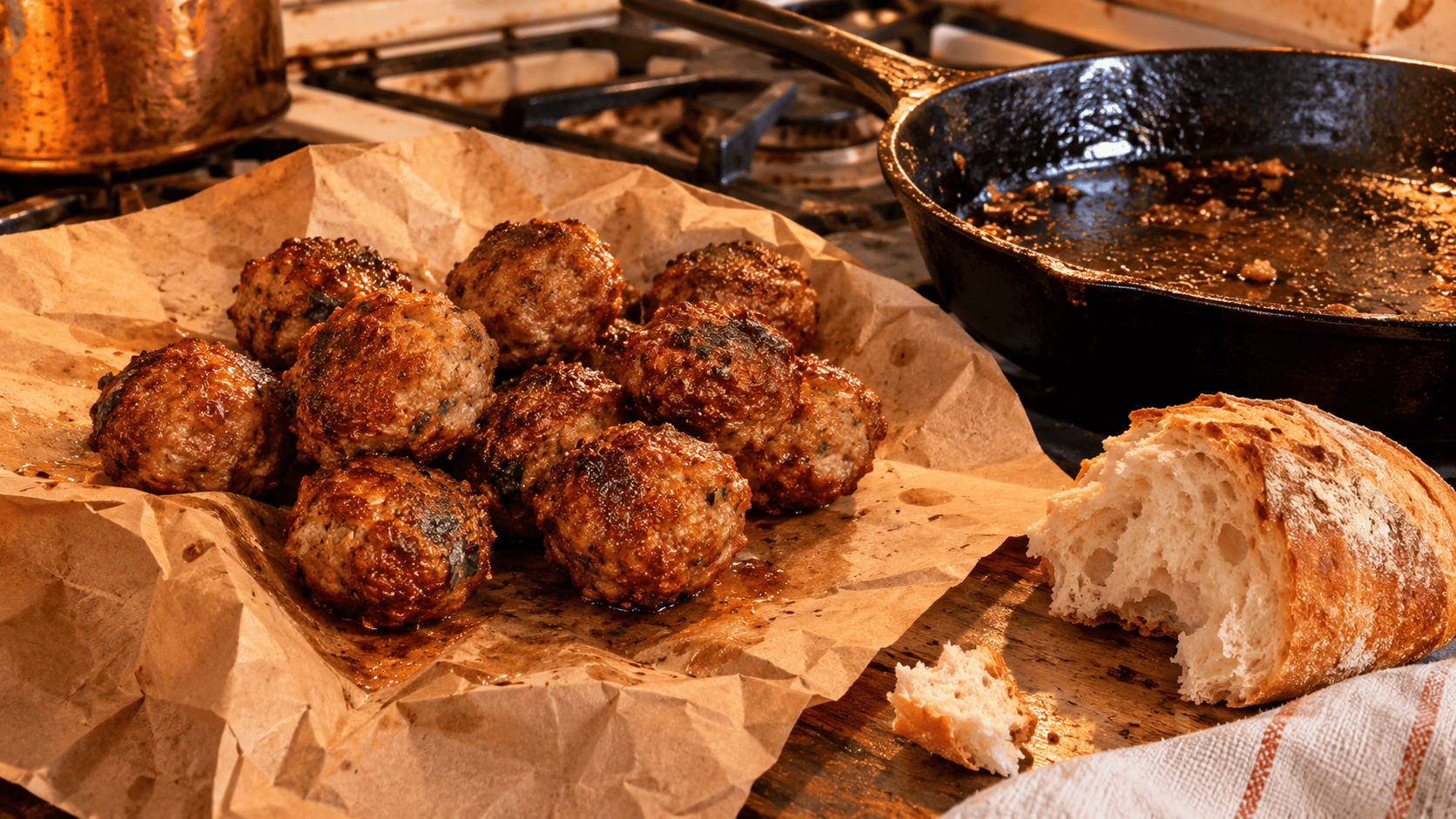
The smell starts before you’re fully awake. Garlic hitting hot oil in the dark, then tomato, then that low sweet smell that means the pot is going to sit there for five hours.
My grandmother, Pina, came from outside Palermo in 1952 and brought the schedule with her. Mass, then dinner, then the long argument over coffee.
Nobody ever sat me down and explained the rules. You learned them by getting your hand slapped away from the meatball platter.
Most of them aren’t written anywhere. They were enforced by eyebrow, by silence, by a wooden spoon pointed in your general direction.
Here are 35 of them — the ones my family lived by, the ones I still enforce, and the handful I break when nobody’s looking.
1. Sunday Dinner Is at One O’Clock — and One Means One
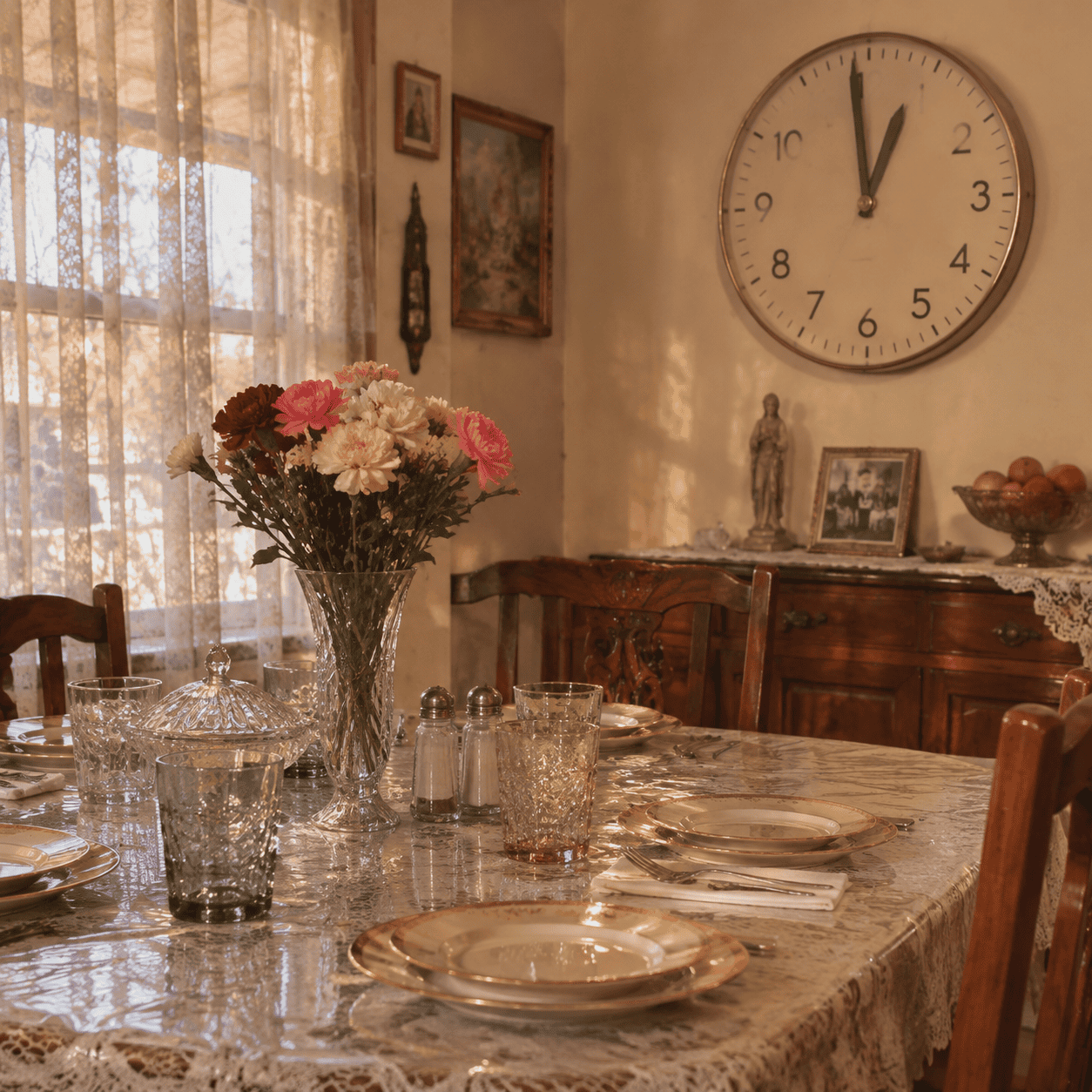
Not Sunday supper. Sunday dinner, and it lands at one in the afternoon, scheduled backward from the end of the ten o’clock Mass.
I have seen my grandmother put the pasta in the water based on the sound of a car door. She was never wrong.
Show up at 1:20 and nobody yells. They just look at your plate, which has been sitting there going cold, and then they look at you.
2. The Gravy Goes On Before Anybody Leaves for Church
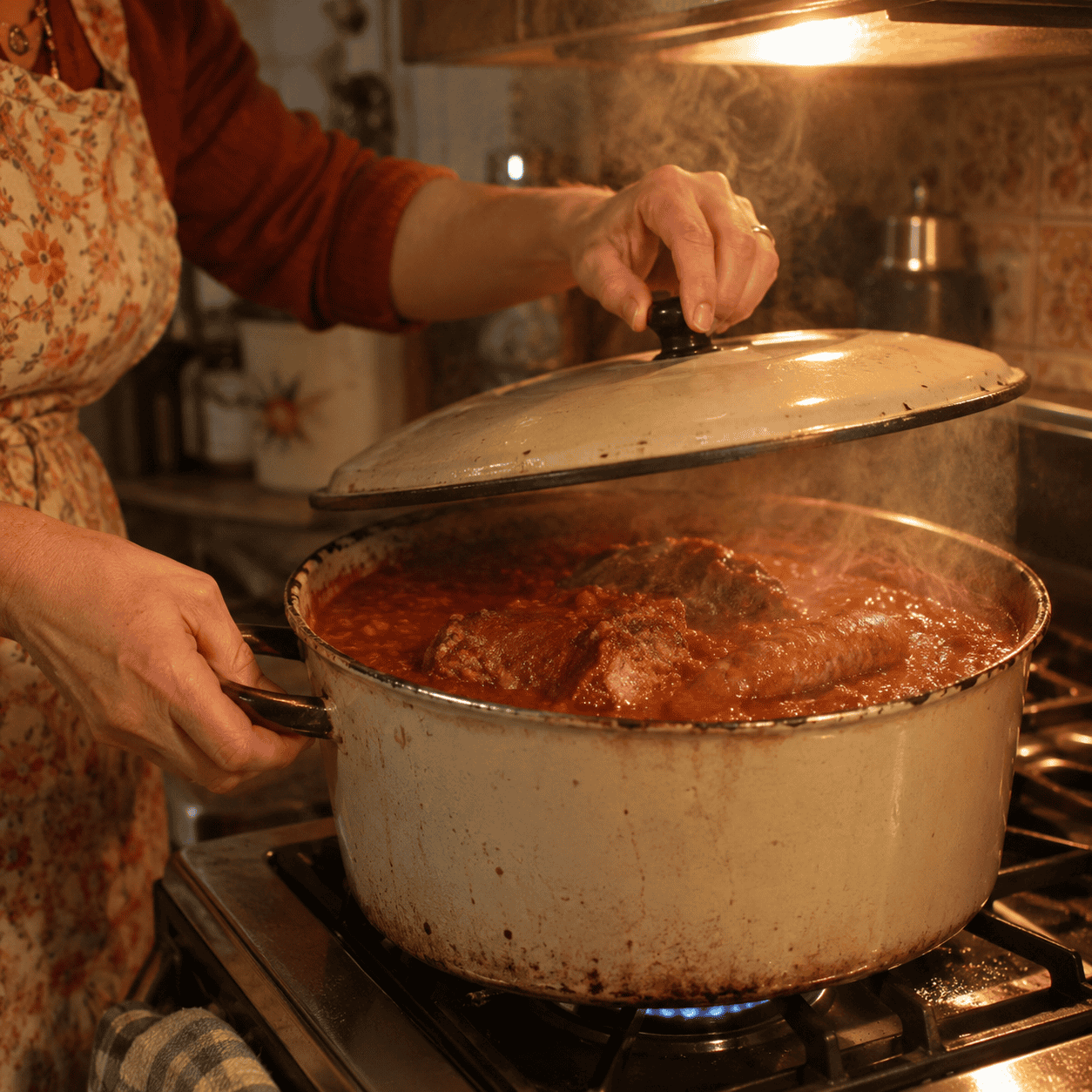
The pot went on the back burner before eight. Braciole rolled the night before, sausage browned first, then the tomatoes, then the lid cracked an inch.
You came downstairs in your church clothes into a house that already smelled like one o’clock.
That smell is the single strongest memory I have of that rowhouse, stronger than any face.
3. “Did You Eat?” Is the Greeting — and You Eat Anyway
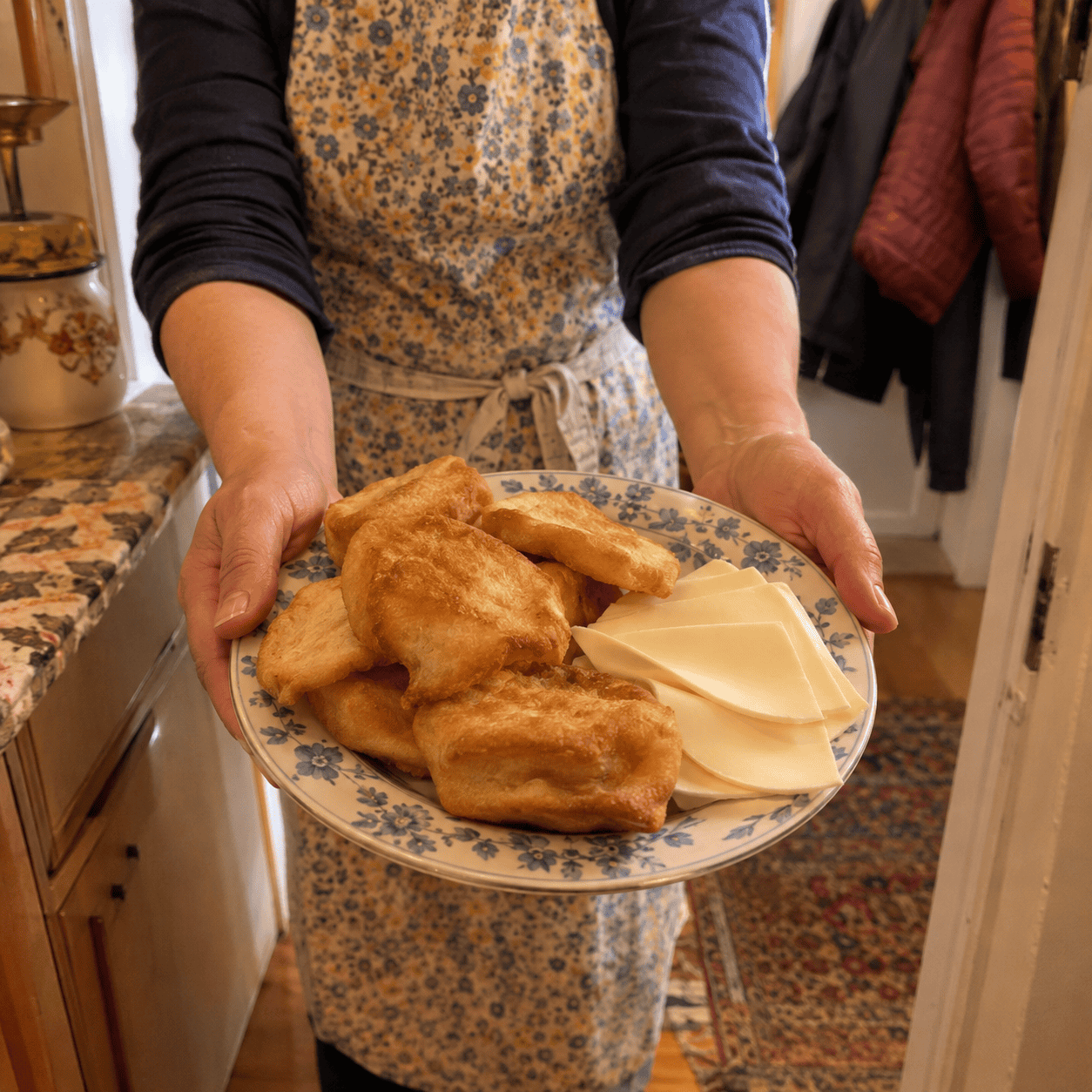
Nobody says hello. The door opens and the question arrives first.
Say yes and it changes nothing. There’s a plate of fried dough or a hunk of provolone in your hand inside ninety seconds, a full hour before the actual meal.
Refusing it is worse than being late. You eat the pre-dinner, then you eat the dinner.
4. You Never Walk In Empty-Handed
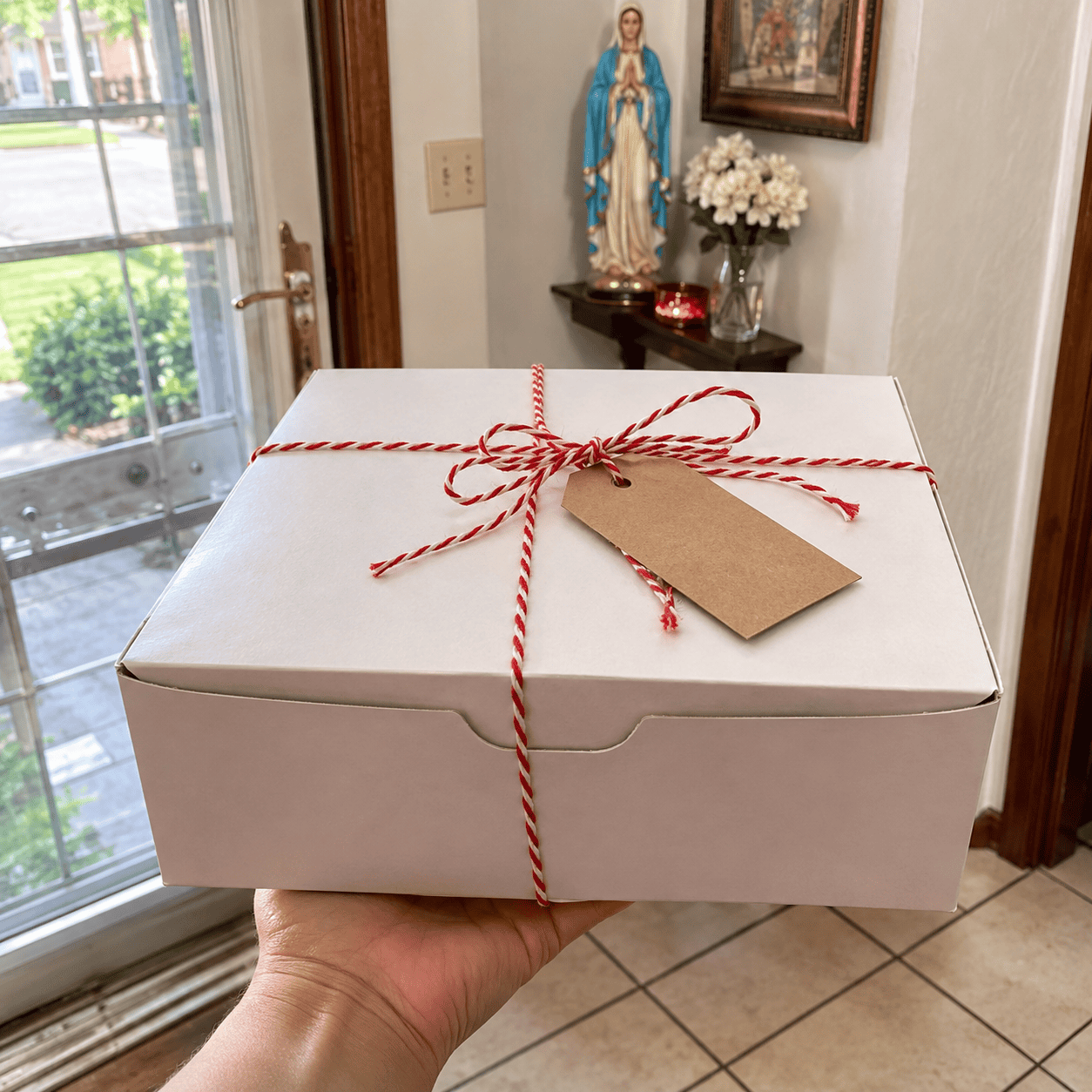
White bakery box, string wrapped twice, carried flat on the palm like a waiter. That was the standard currency.
A bottle counts. A tray of your stuffed mushrooms counts. Yourself does not count.
Nobody says anything when you come in with nothing. It comes up in the kitchen eleven months later.
5. Hands Off the Meatballs Before They Hit the Table
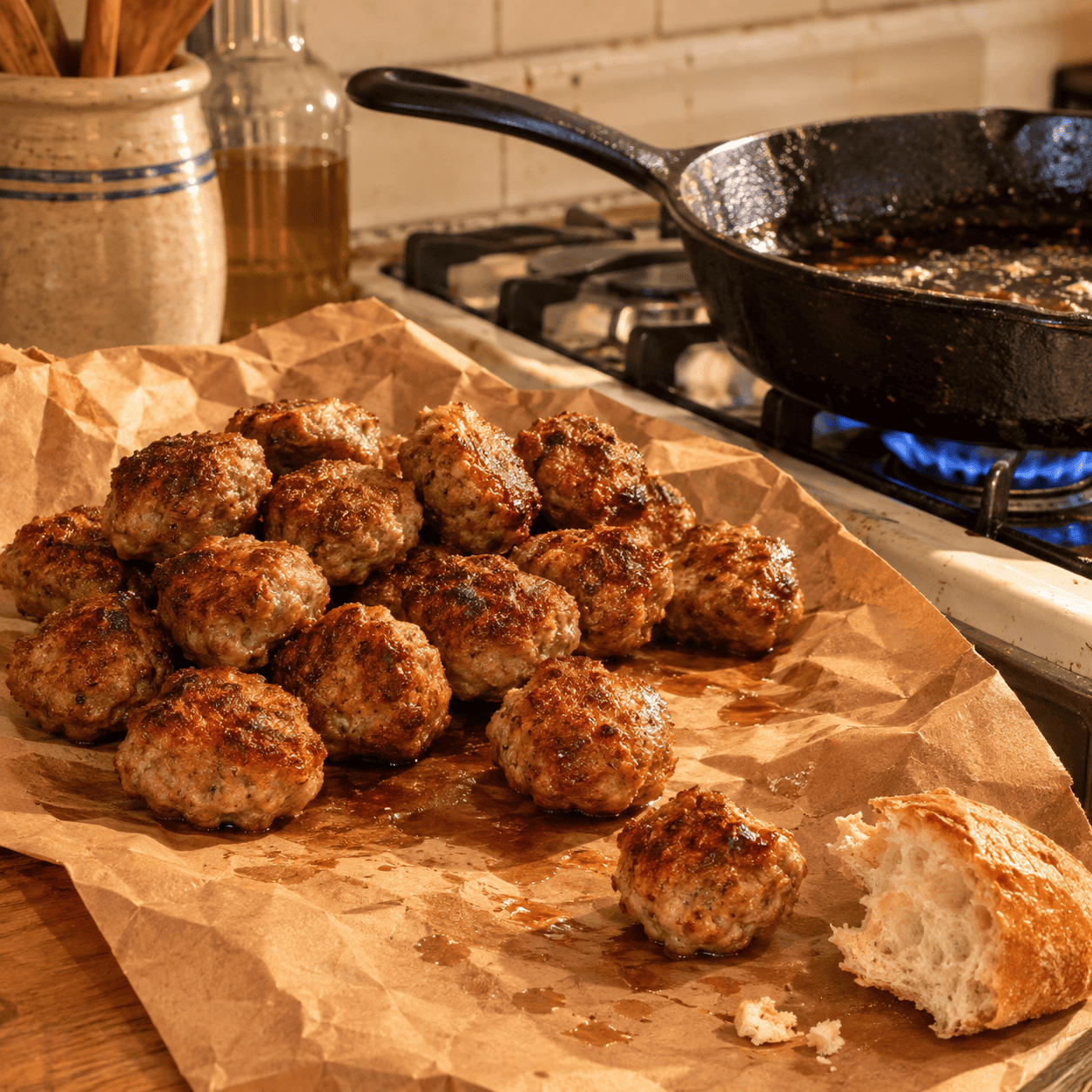
They sit draining on a brown paper bag next to the stove, and everyone in the house knows exactly where.
You get one. Standing up, with a torn piece of bread under it to catch the grease, and only if she offers.
Taking one yourself was theft. My cousin Danny tried it in 1986 and they still bring it up at funerals.
6. Never Break the Spaghetti
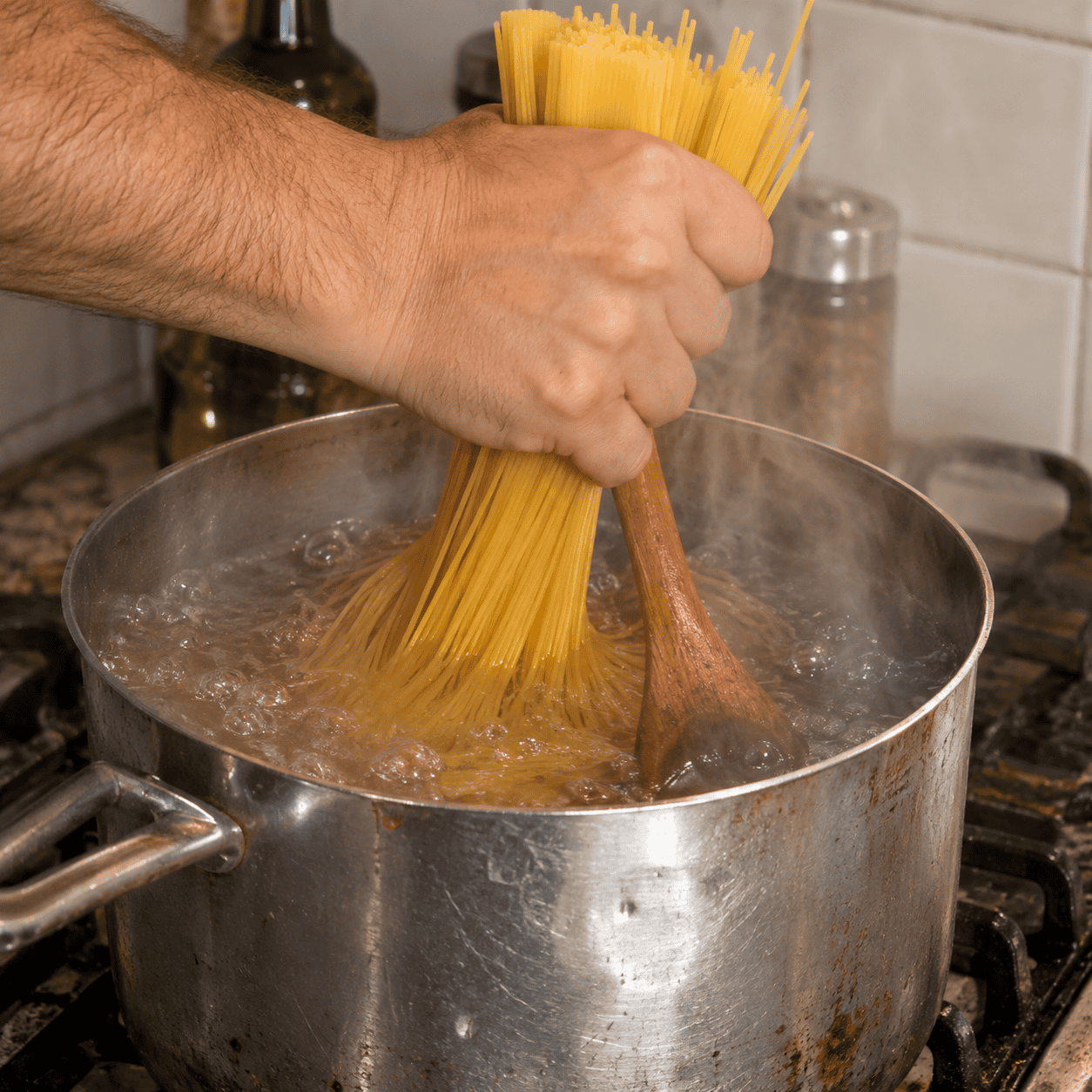
Snapping a handful of dry spaghetti in half to fit the pot is the fastest way to announce you don’t understand the food. Italians treat it as something close to vandalism, and the rule survived the Atlantic crossing fully intact — it’s near the top of every list of unwritten Italian food rules.
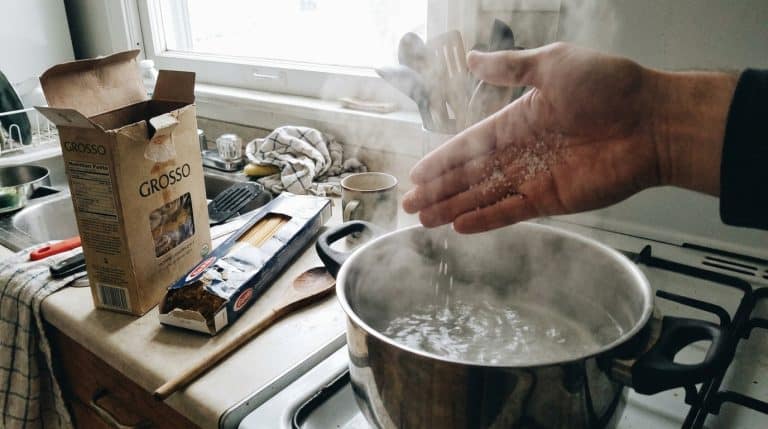
Push the ends down with a spoon. They soften in twenty seconds.
The pot isn’t too small. Your patience is.
7. Nonna Does Not Sit Down — and You Don’t Tell Her To
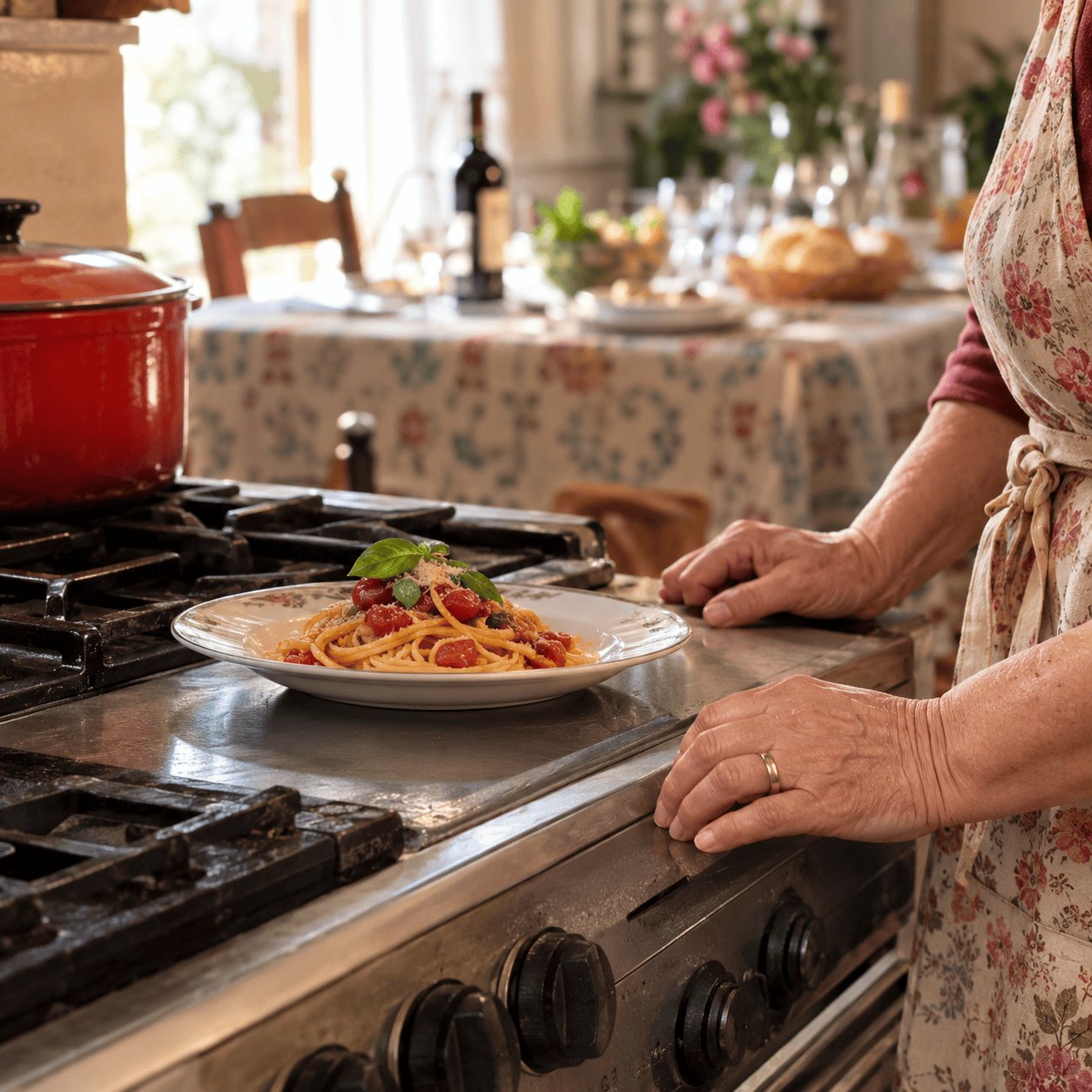
She ate standing at the stove with a plate balanced on the warming shelf, or she sat down at 2:15 when everyone else was on coffee.
We begged her to sit. For thirty years. It never once worked.
I understand it now in a way I didn’t then. Feeding people was the meal, for her. The food was just the delivery system.
8. The Table Is Always Set for More People Than Said They Were Coming
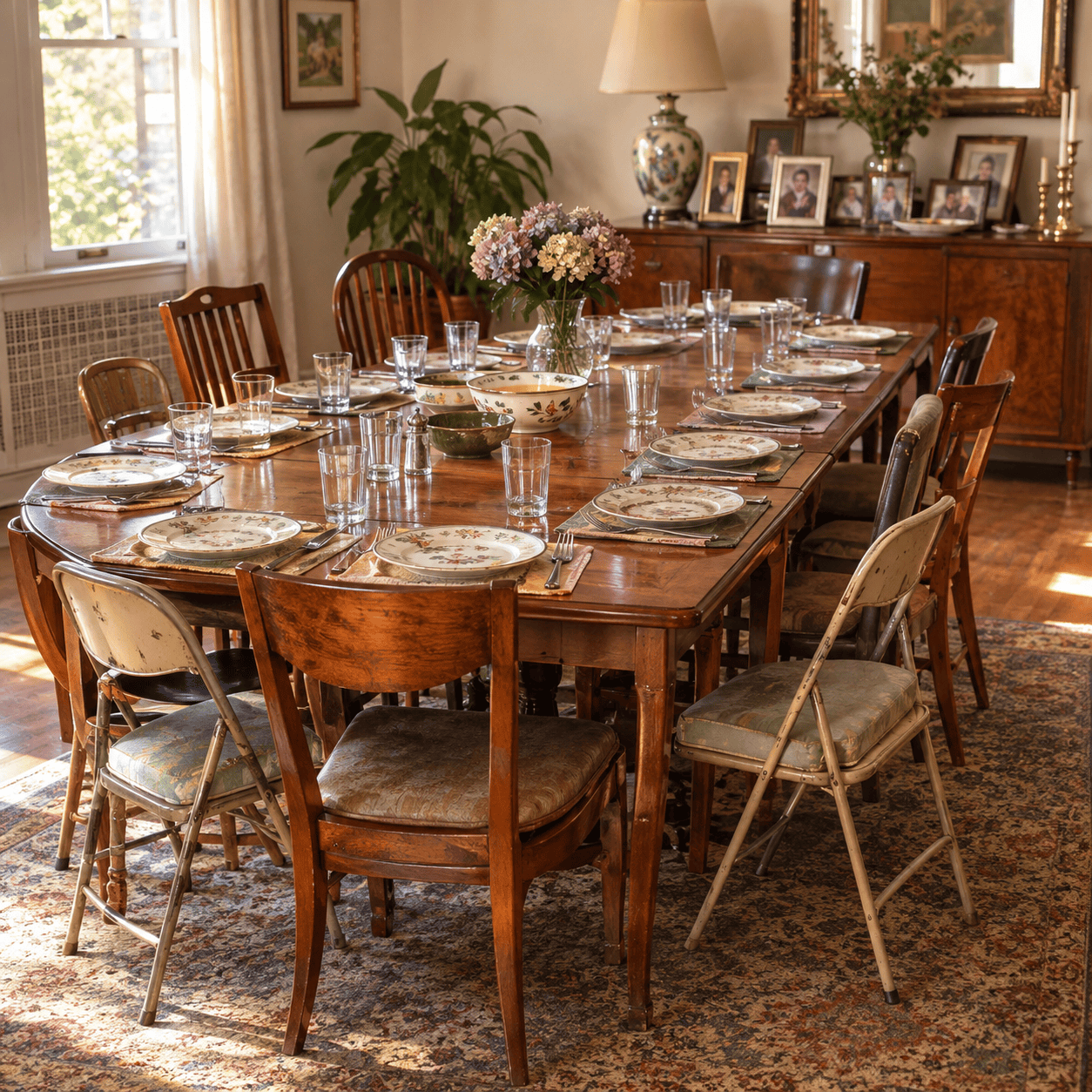
The leaf went in whether or not anyone needed it. Two extra chairs from the basement, two extra plates, a folding card table on standby.
Running out of food was the household nightmare. Having twice too much was simply Sunday.
Somebody always showed up. A neighbor, a cousin, the guy who fixed the car. There was a chair.
9. Bread Goes Down First — and There’s No Butter in Sight
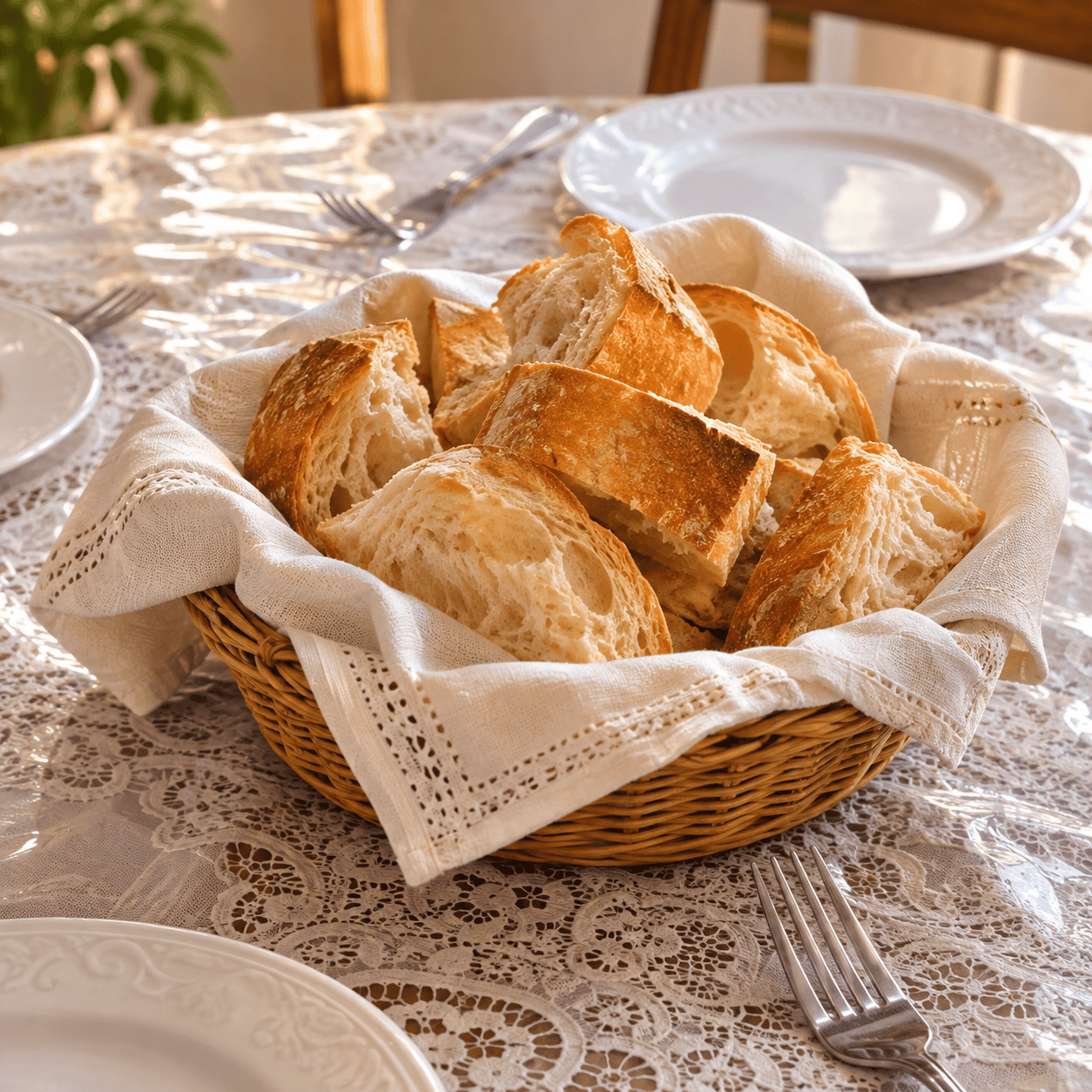
A loaf torn into chunks in a basket, on the table before anything else. No butter dish. No little saucer of olive oil with cracked pepper floating in it.
The oil dipping thing is an American restaurant invention. At an Italian table, bread is a utensil — it’s there to chase gravy and build a bite, not to be a course.
Ask for butter and you’ll get it. You’ll also get a look.
10. Nobody Picks Up a Fork Until Grace Is Said
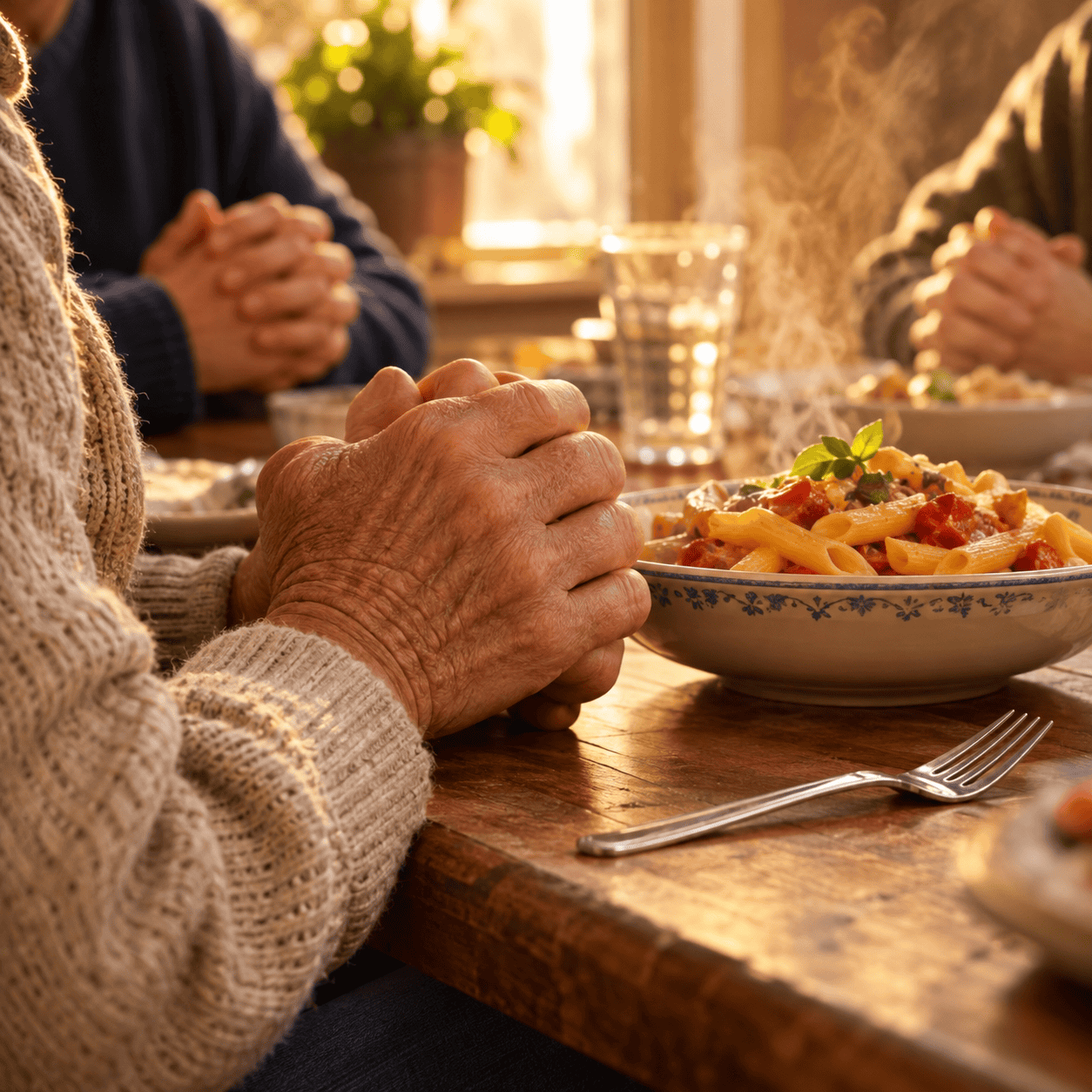
Sign of the cross, four sentences, and then the names. Zio Carmine. Aunt Rose. The ones who used to sit in those chairs.
The pasta is steaming the whole time. You wait.
It took me until my forties to realize the names were the actual point.
11. You Call It What Your Family Calls It — Gravy or Sauce, Pick a Side
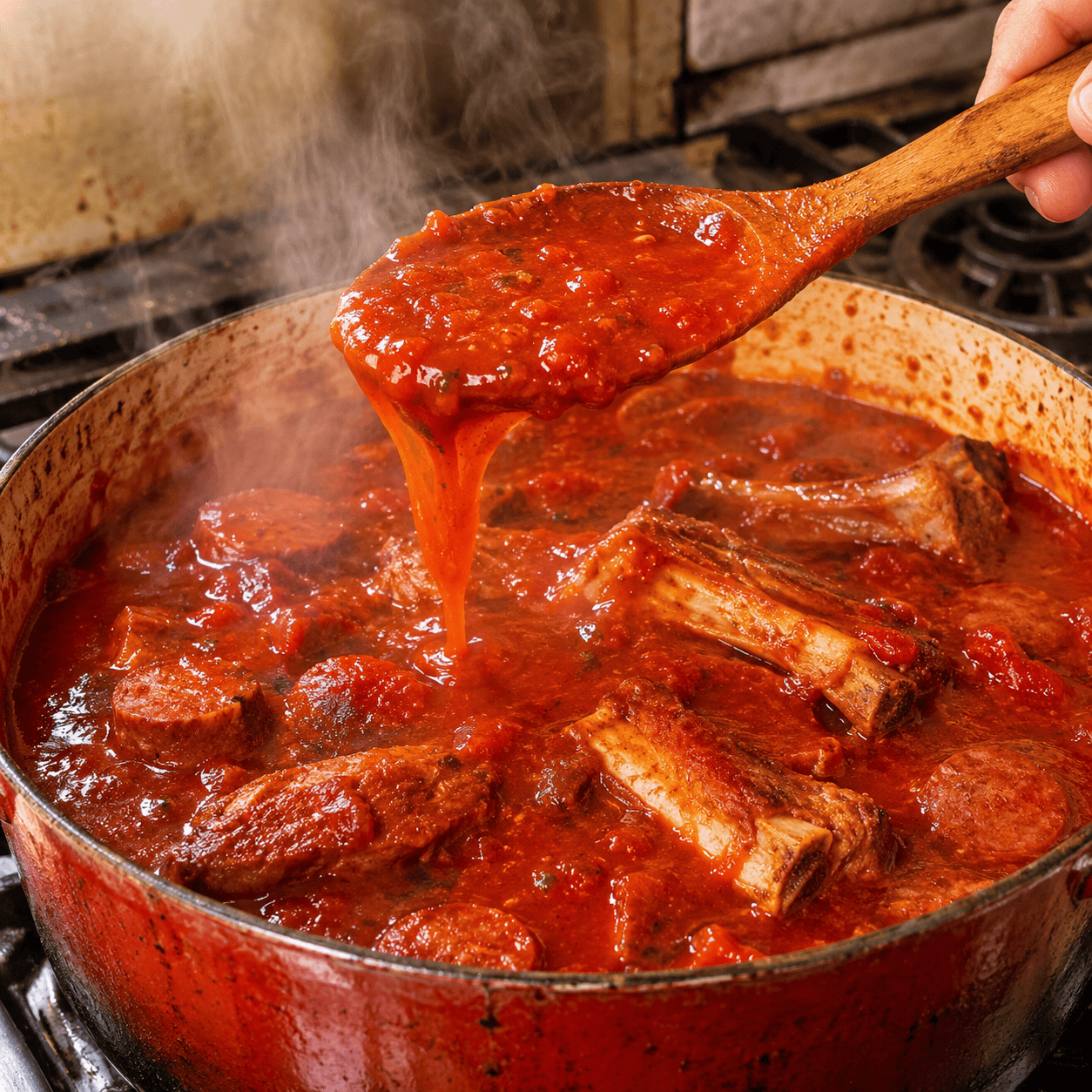
In our house it was gravy, because that’s what came out of Philadelphia and South Jersey and most of New York. Other families say sauce and are equally certain.
There’s no Italian word for it either way — the gravy argument is a purely Italian-American invention, born here, fought here.
I’ve never settled it and I’m not going to. My husband says sauce. We’ve been married twenty-six years and the dispute is load-bearing.
12. The Wooden Spoon Belongs to One Person
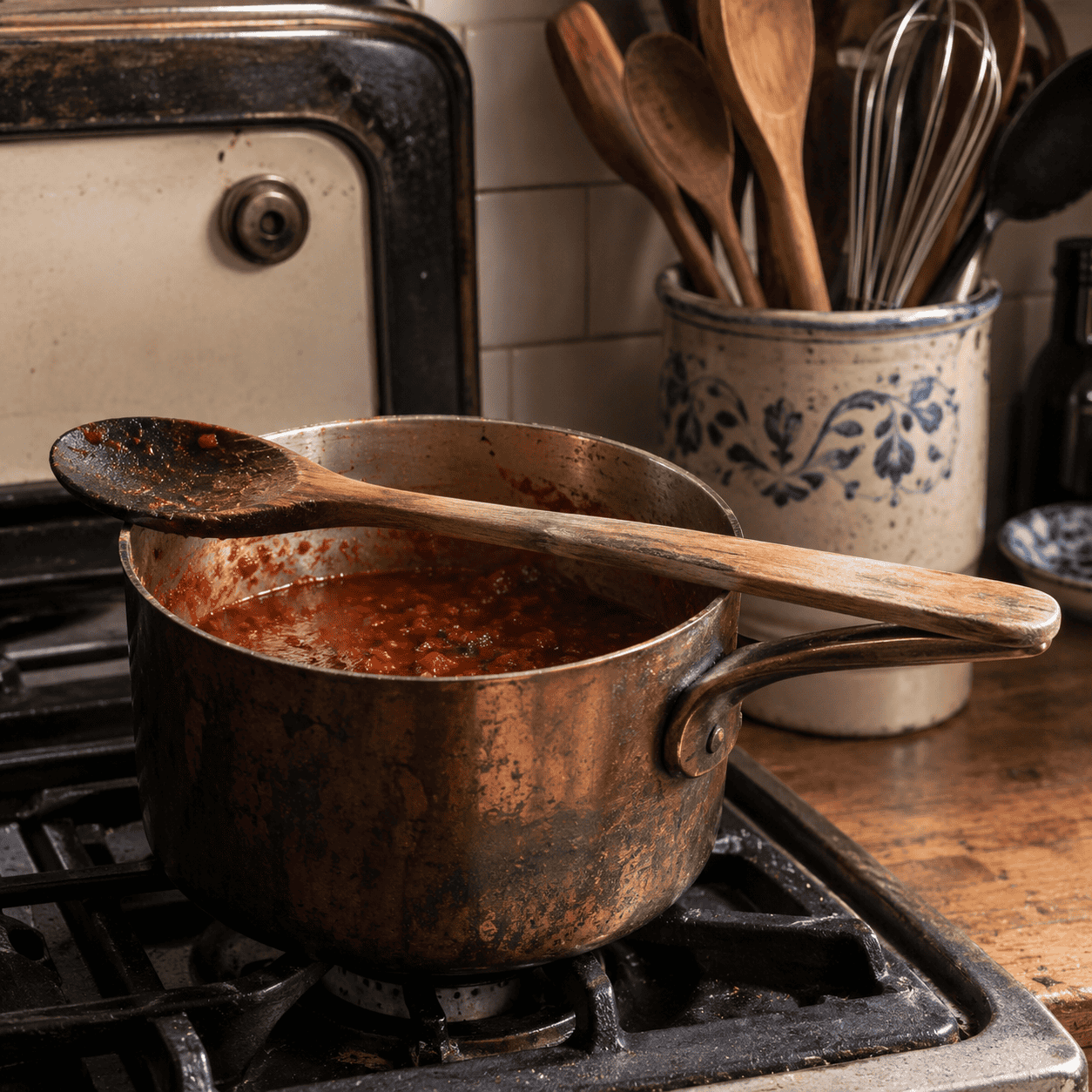
You do not stir the pot. You do not taste the pot. You do not lift the lid and let the steam out just to look.
That spoon had a second career, and every Italian-American over forty knows exactly what it was.
I still have hers. The handle is worn flat on one side from a thumb that wasn’t mine.
13. The Macaroni Comes First, the Meat Comes Second — They Are Not the Same Plate
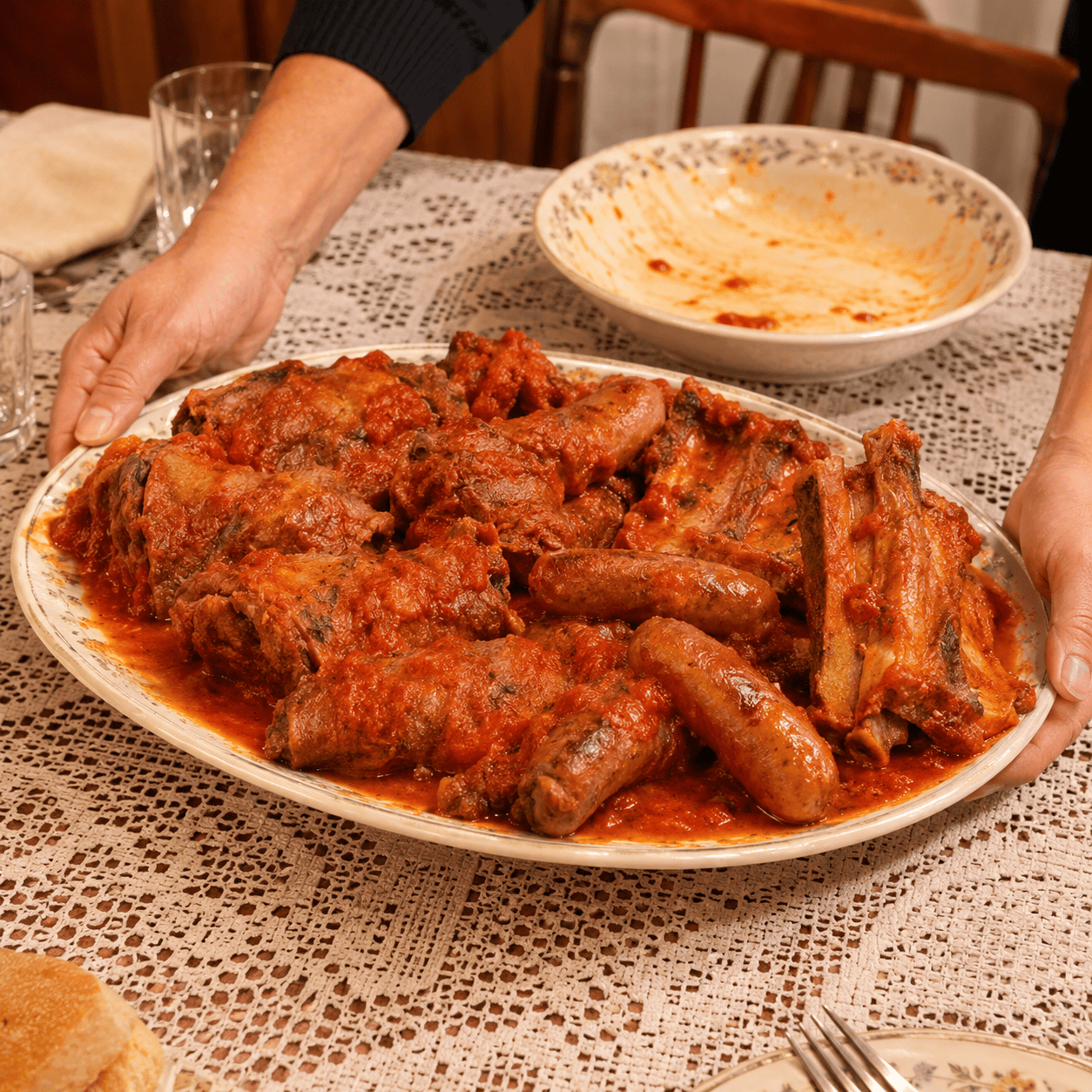
The sausage, the braciole, the pork ribs that gave the gravy its soul — all of it comes out on its own platter, after the pasta is cleared.
The order runs antipasto, pasta, meat with a vegetable, salad, fruit, pastry, coffee. That’s the traditional course structure, and the immigrant generation kept it even when the kitchen was in a rowhouse.
Putting a meatball on top of the spaghetti is a restaurant thing. Harmless. Just not what happened at that table.
14. Pace Yourself — the Antipasto Is Not the Meal
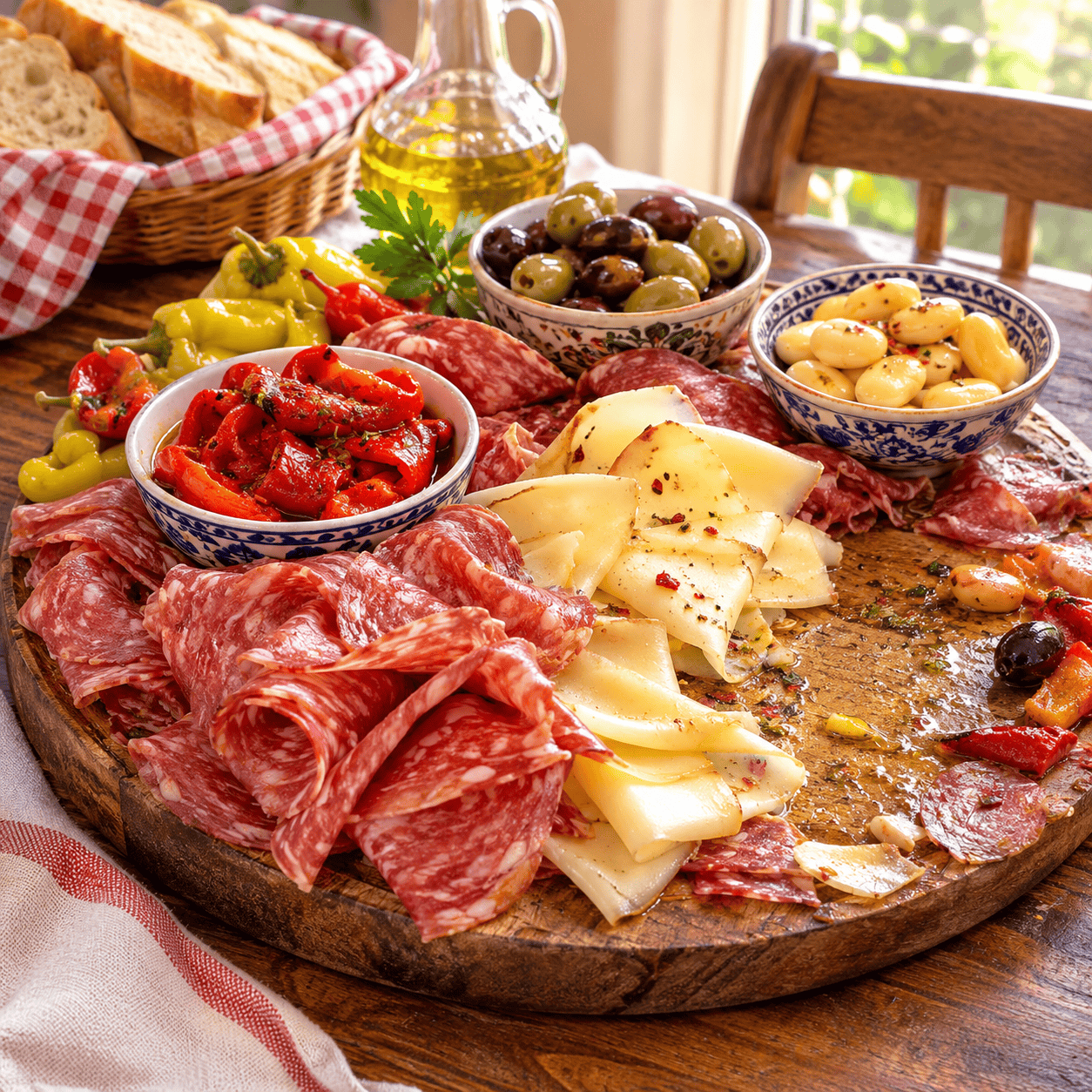
Sopressata, sharp provolone, roasted peppers swimming in oil, olives, lupini beans nobody under sixty knows how to eat.
New boyfriends demolish that tray. Every time.
Then the pasta comes out and somebody says, loudly, “He filled up on the antipasto.” You only make that mistake once.
15. The Kids’ Table Is a Sentence, Not a Seat
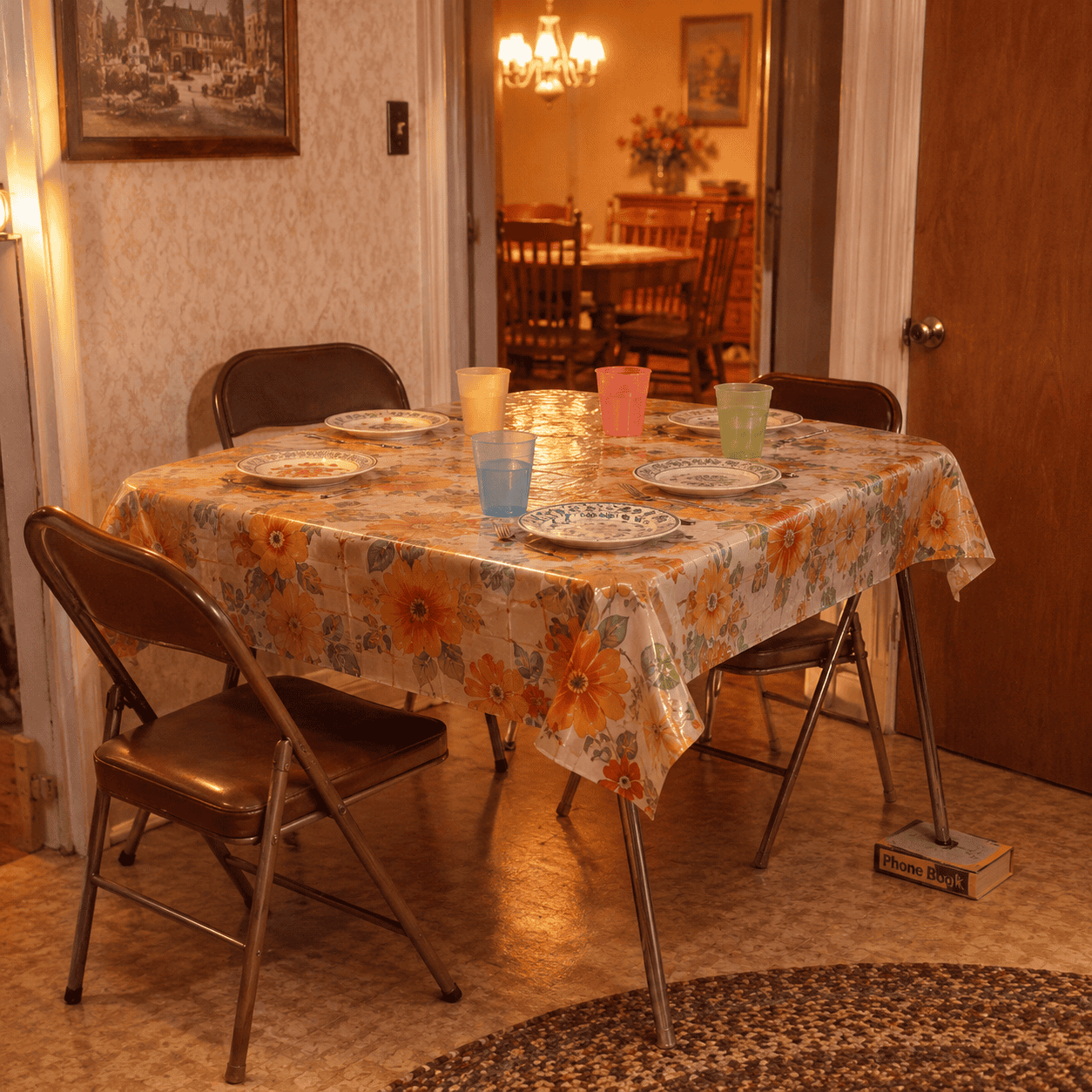
Age doesn’t free you. A chair at the big table opens when somebody gets married, has a baby, or dies.
I was twenty-nine at the card table in the hallway with a cousin’s toddler and a wobbly leg propped up on a phone book.
When I finally got promoted, it was because my uncle passed. Nobody mentioned it. Everybody knew.
16. “I’m Full” Is Not an Answer
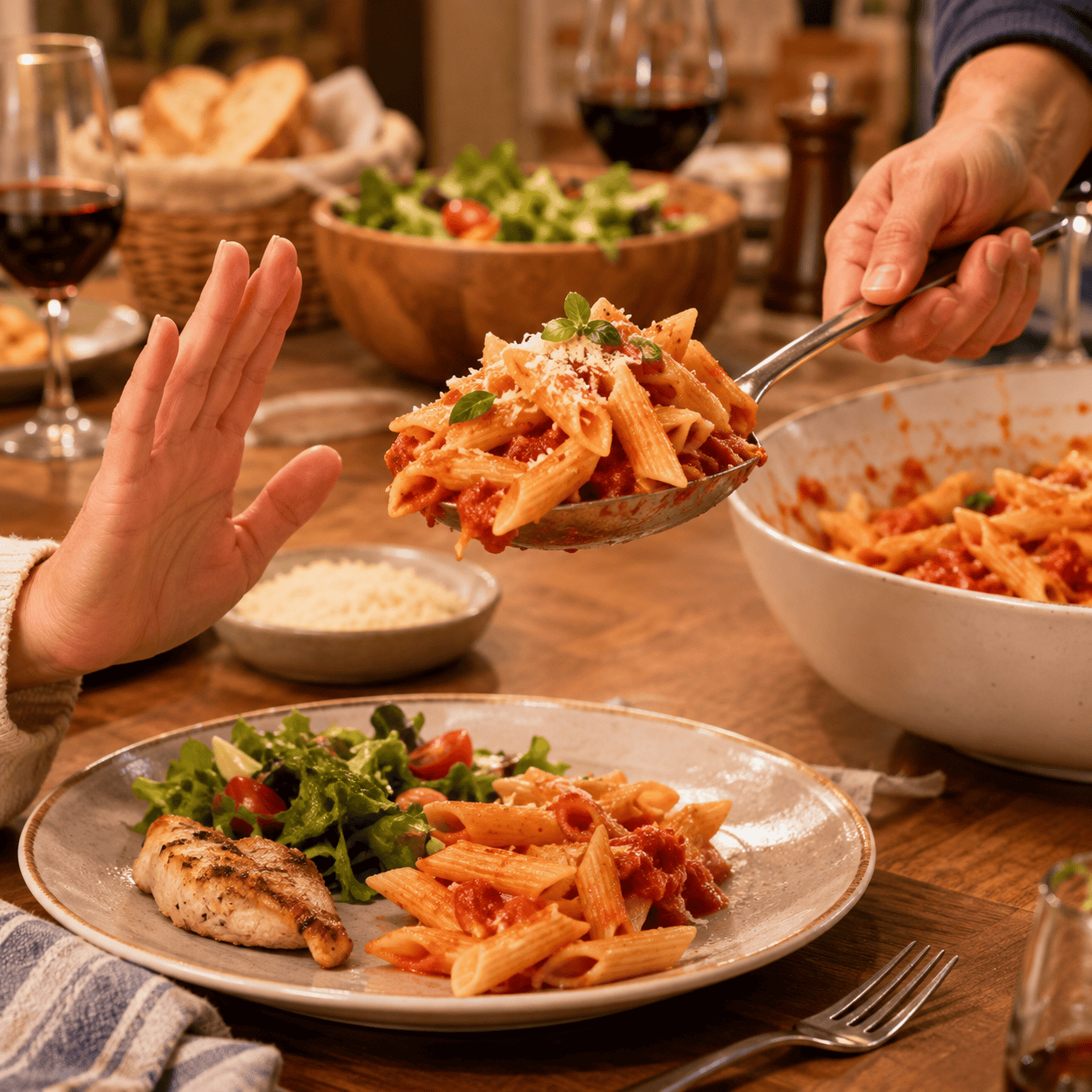
Say it and watch what happens: the serving spoon is already moving while you’re still talking.
Refusing once registers as politeness, not as a refusal. You have to mean it three times, and even then you lose.
The closing argument is always the same. “You’re too skinny.” There’s no appeal.
17. The Good Dishes Come Out — Even Though the Couch Is Still in Plastic
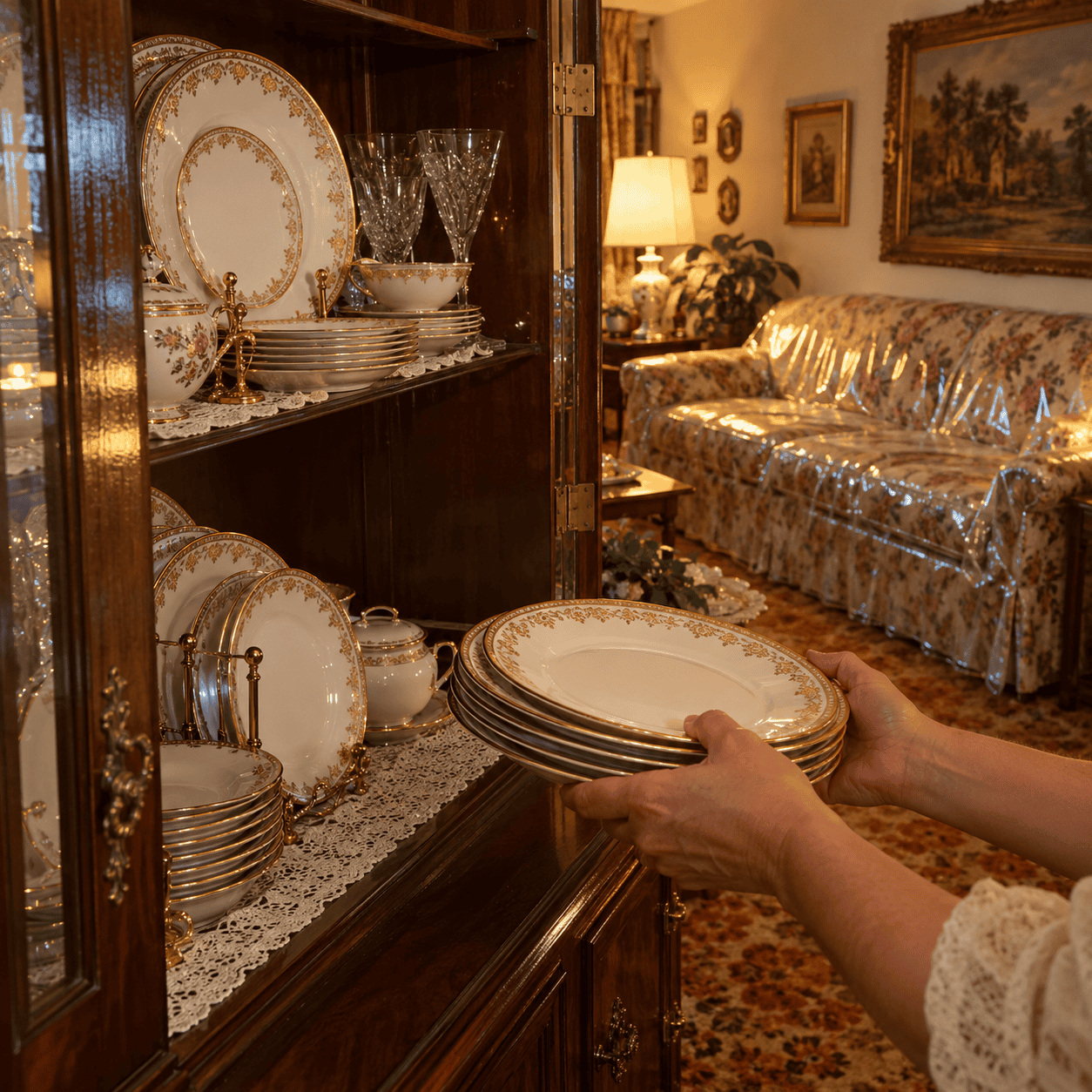
The china cabinet got unlocked for Sunday. Gold-rimmed plates, the serving bowl with the hairline crack, the glasses that came with gas station stamps.
Meanwhile the living room sofa sat under clear vinyl that stuck to the backs of your legs in July.
Good dishes for family, plastic for the furniture nobody was allowed to sit on. It made perfect sense to them, and honestly, it makes a little sense to me now.
18. No Cheese on the Seafood Pasta
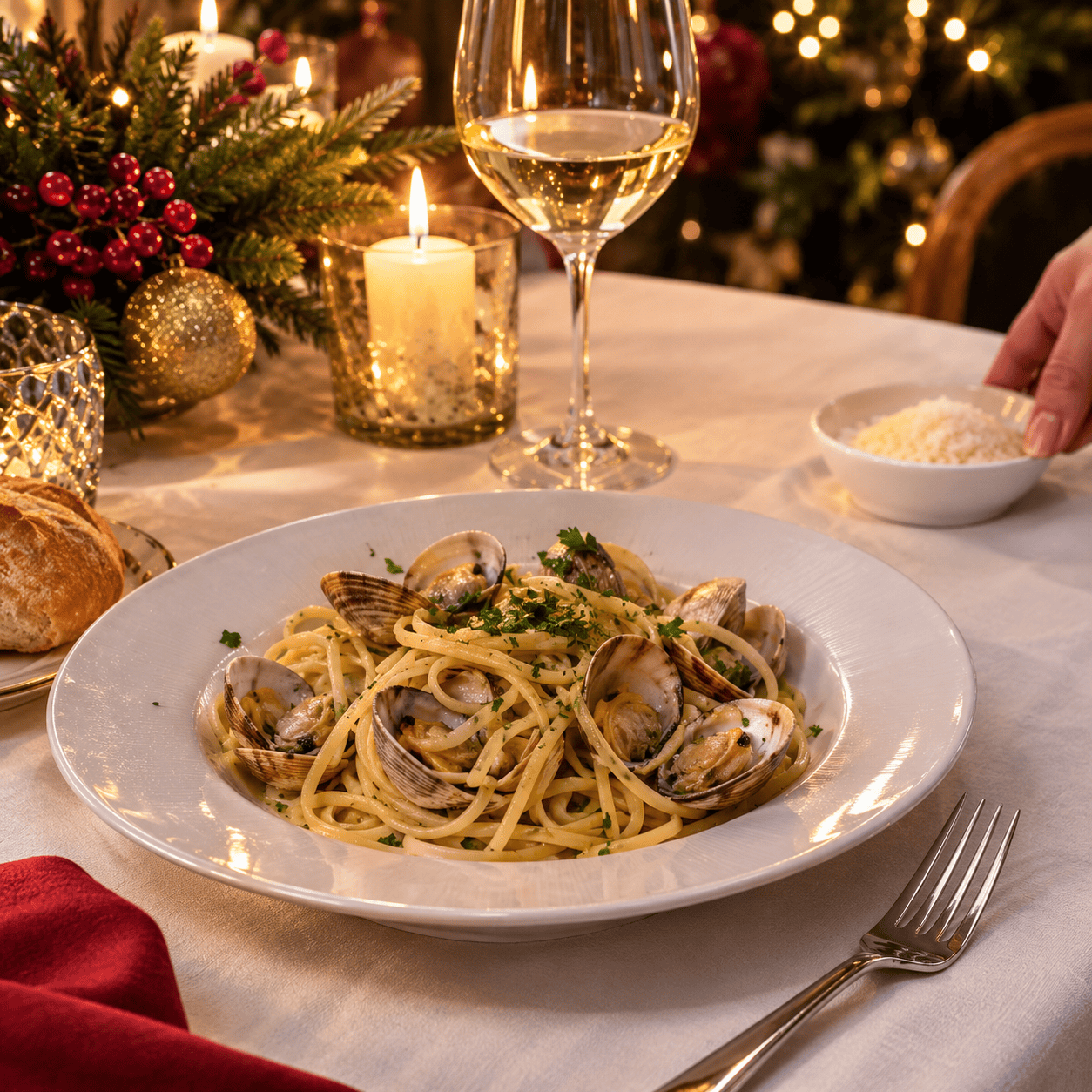
Reach for the grater over a bowl of linguine with clams and a hand will stop your wrist mid-air. Cheese flattens the fish — that’s the reasoning, and nobody is interested in debating it with you.
On Christmas Eve the rule is enforced like scripture. I’ve watched a grown man get the cheese dish physically removed from his reach at the Feast of the Seven Fishes.
Do I break it? Once, with a baked seafood casserole, in my own house, with the blinds down.
19. You Eat What’s in Front of You — There Is No Second Menu
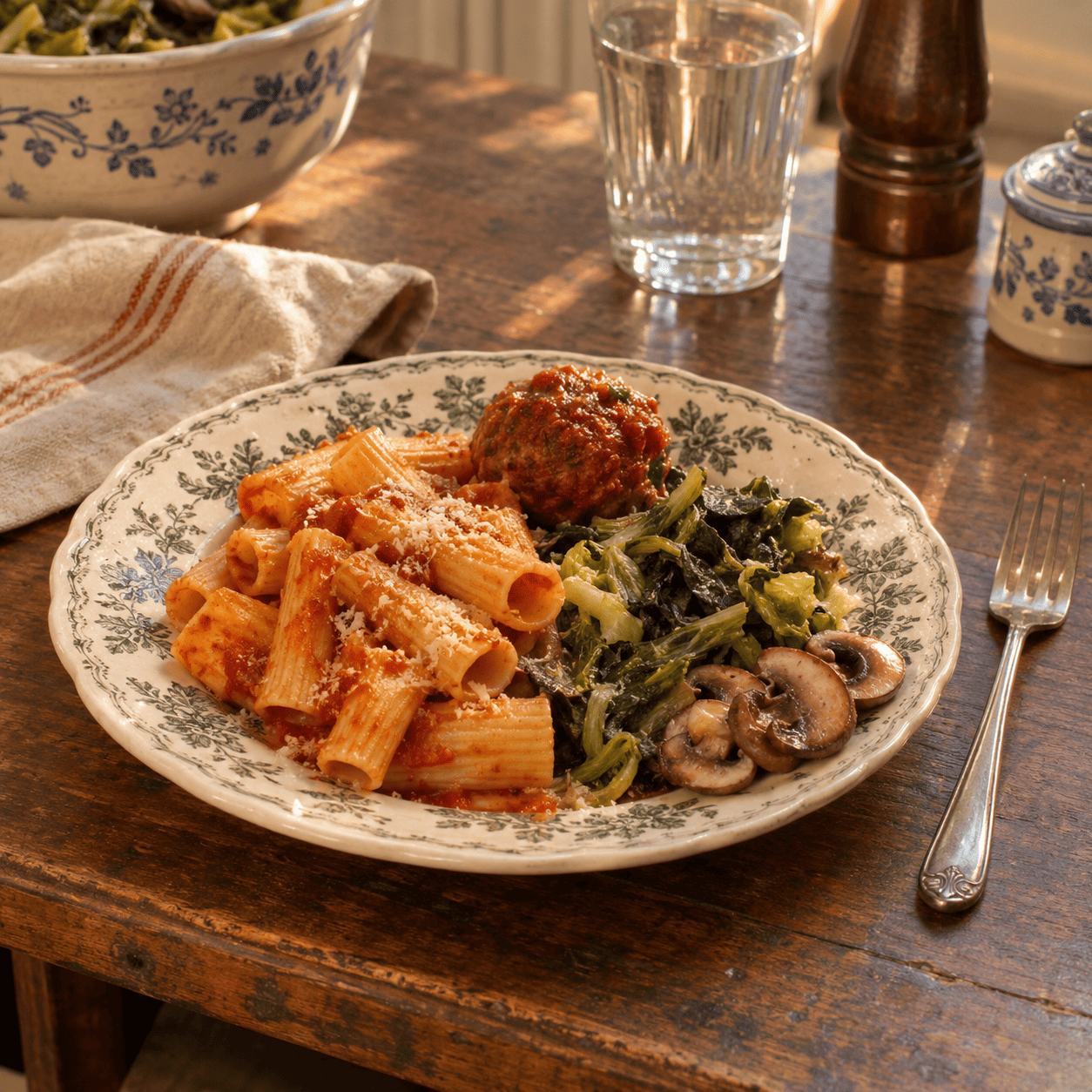
No substitutions. No plain buttered noodles for the picky one. No announcing at the table that you don’t like escarole.
Pushing the mushrooms quietly to the rim of the plate was tolerated. Narrating it was not.
Kids who grew up under this rule eat anything as adults. That’s not a coincidence.
20. The Wine Lives on the Floor by the Table — and the Kids Get a Splash
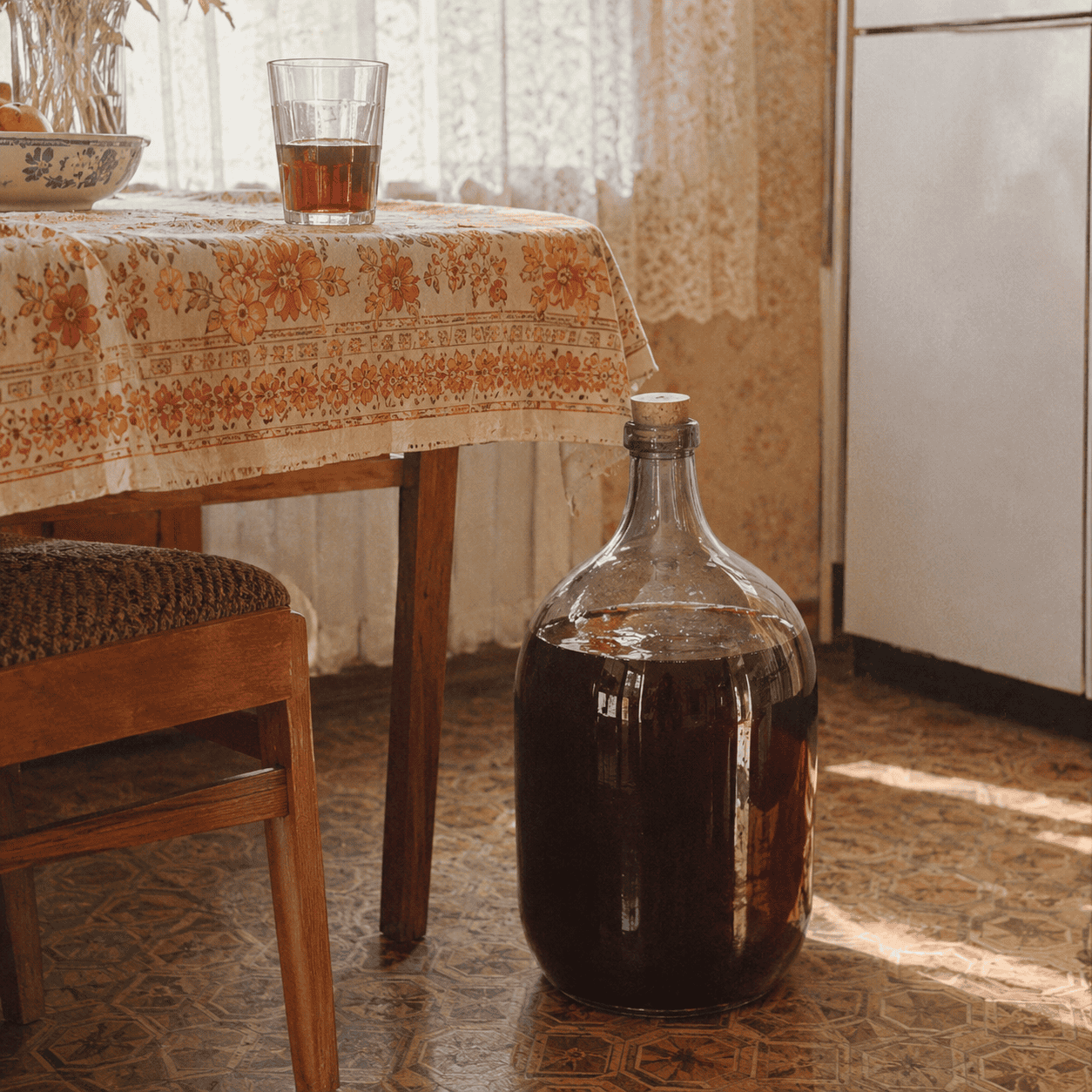
A jug on the floor by my grandfather’s chair, refilled from the demijohn in the basement that a man named Sal delivered every October.
Kids got an inch of red cut with water, or with 7-Up if you were lucky and nobody was paying attention.
Nobody thought this was remarkable in 1979. Nobody got drunk. You learned that wine was food.
21. Don’t Ask What’s In It
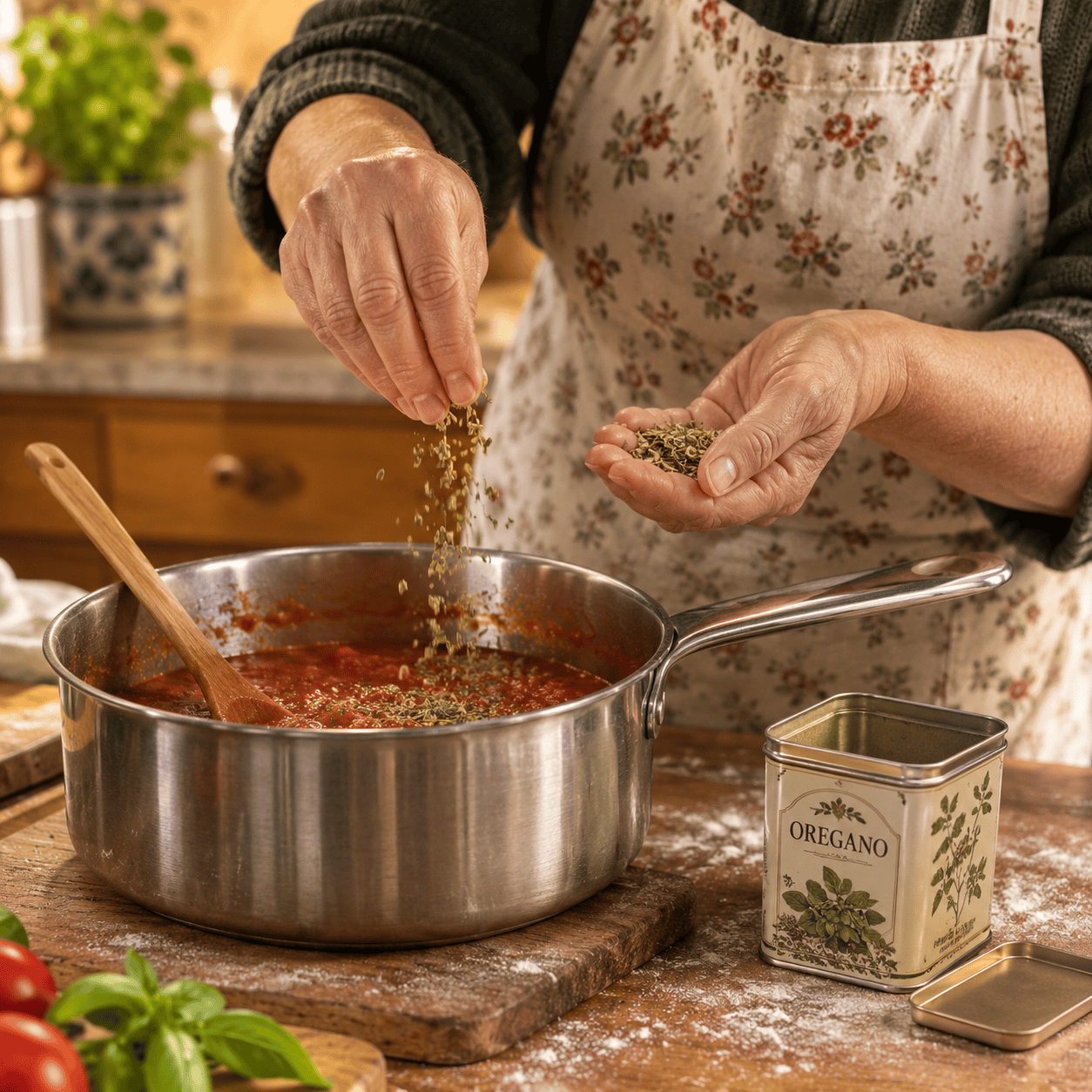
“A little of this.” That’s the answer. It’s always the answer.
Nothing was measured and nothing was written down, which is exactly why half those dishes are gone. The recipes died in the hospital with the cook.
Stand next to her and watch instead. Write it down afterward, in the car, before you forget the order of operations.
22. The TV Goes Off and the Phones Disappear
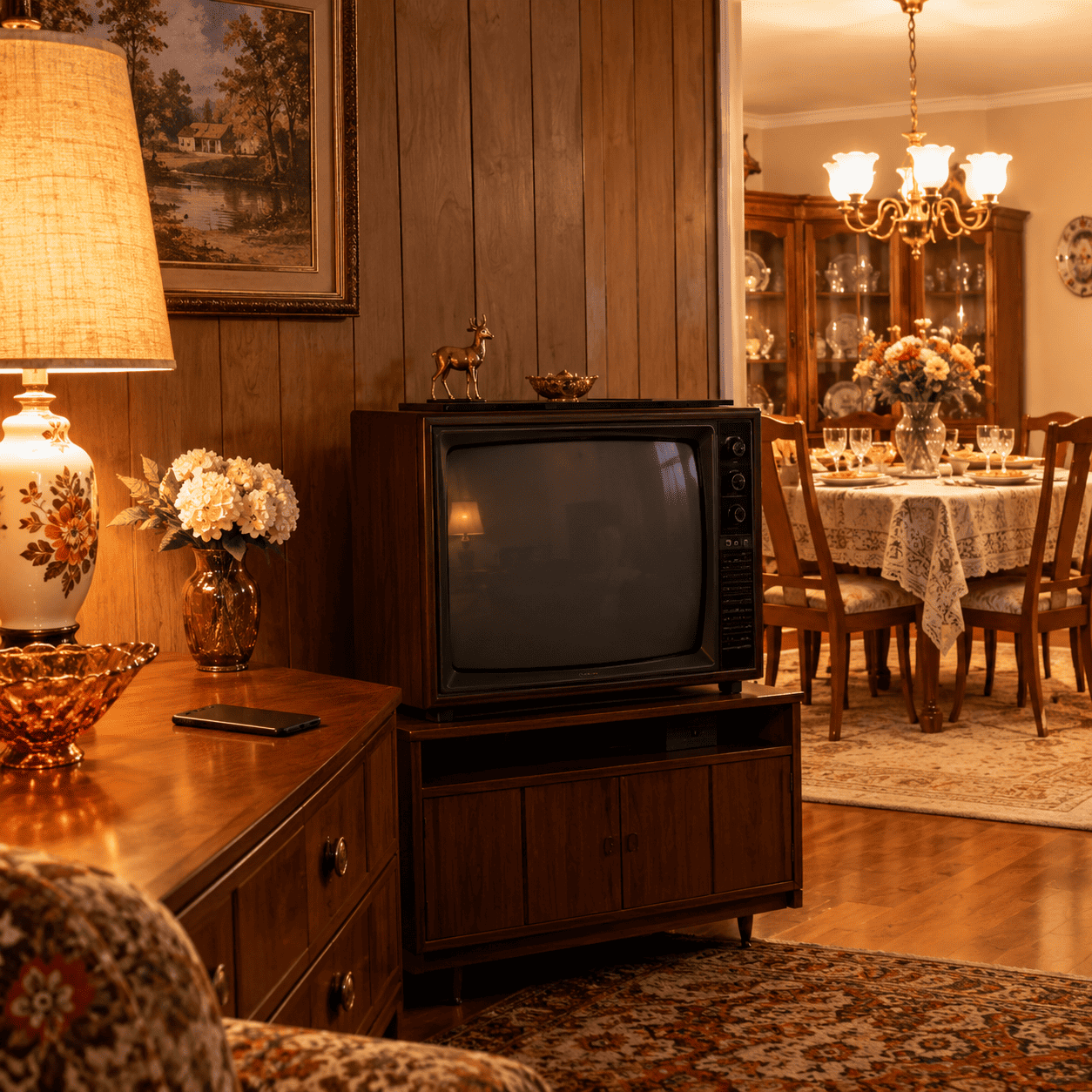
The set in the living room gets turned off at 12:55. The only exception is the Eagles game, volume at two, in the back room with the door half closed.
Someone always drifts toward it between courses. Someone always gets called back.
There’s actual research behind why these long shared meals matter — studies on eating together link it to better nutrition and stronger family bonds. Pina didn’t need a study. She needed you to put the phone face-down.
23. The Salad Comes After the Meat, Not Before
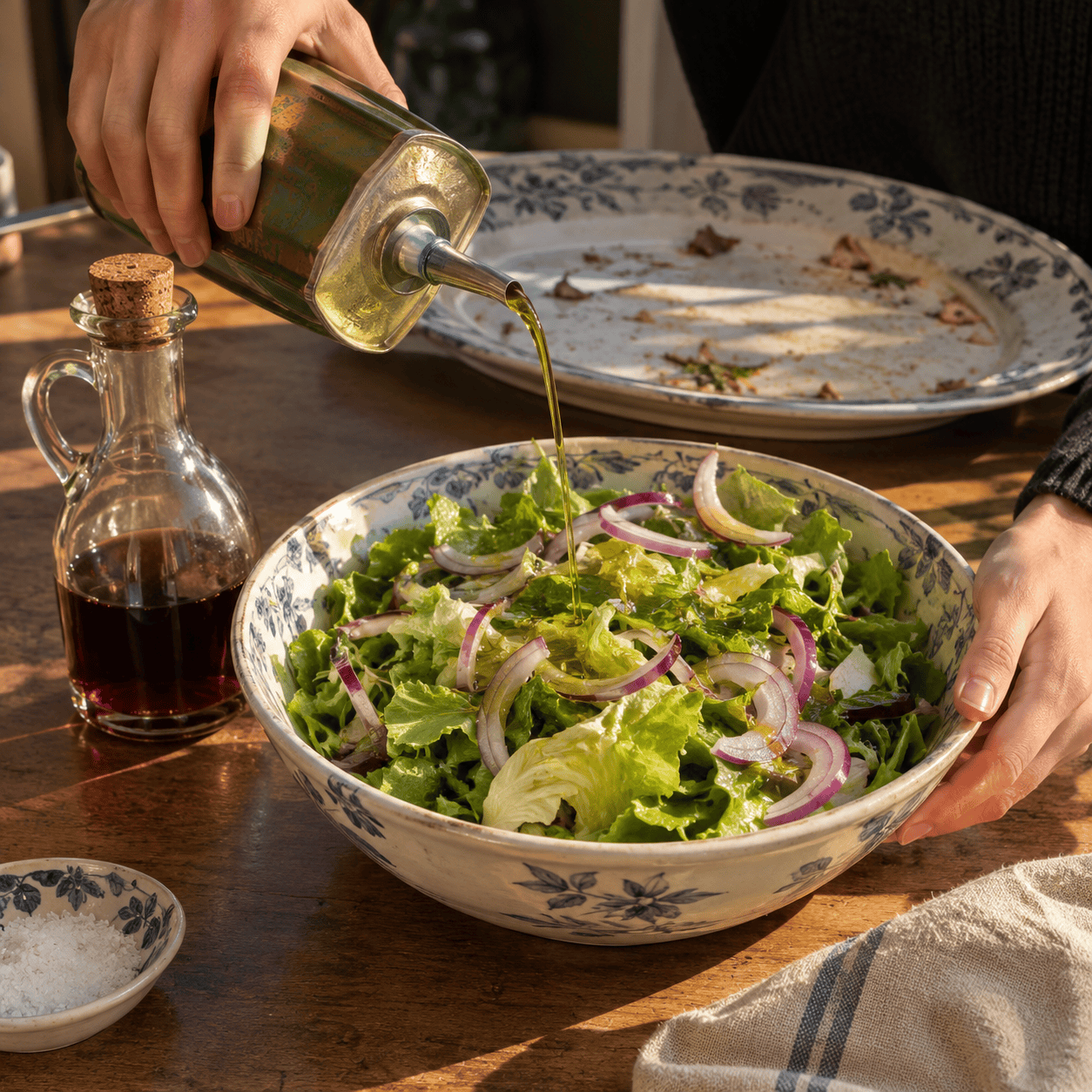
Insalata arrives between the secondo and the fruit, dressed at the table with oil, red wine vinegar, and salt. In that order, by hand.
No iceberg wedge first. No bottled ranch. The salad is there to cut the richness of what you just ate, not to warm you up for it.
If you want a sense of what belongs in that bowl, the Italian salad recipes on the site are the ones I actually make.
24. Never Praise Another Woman’s Sauce at This Table
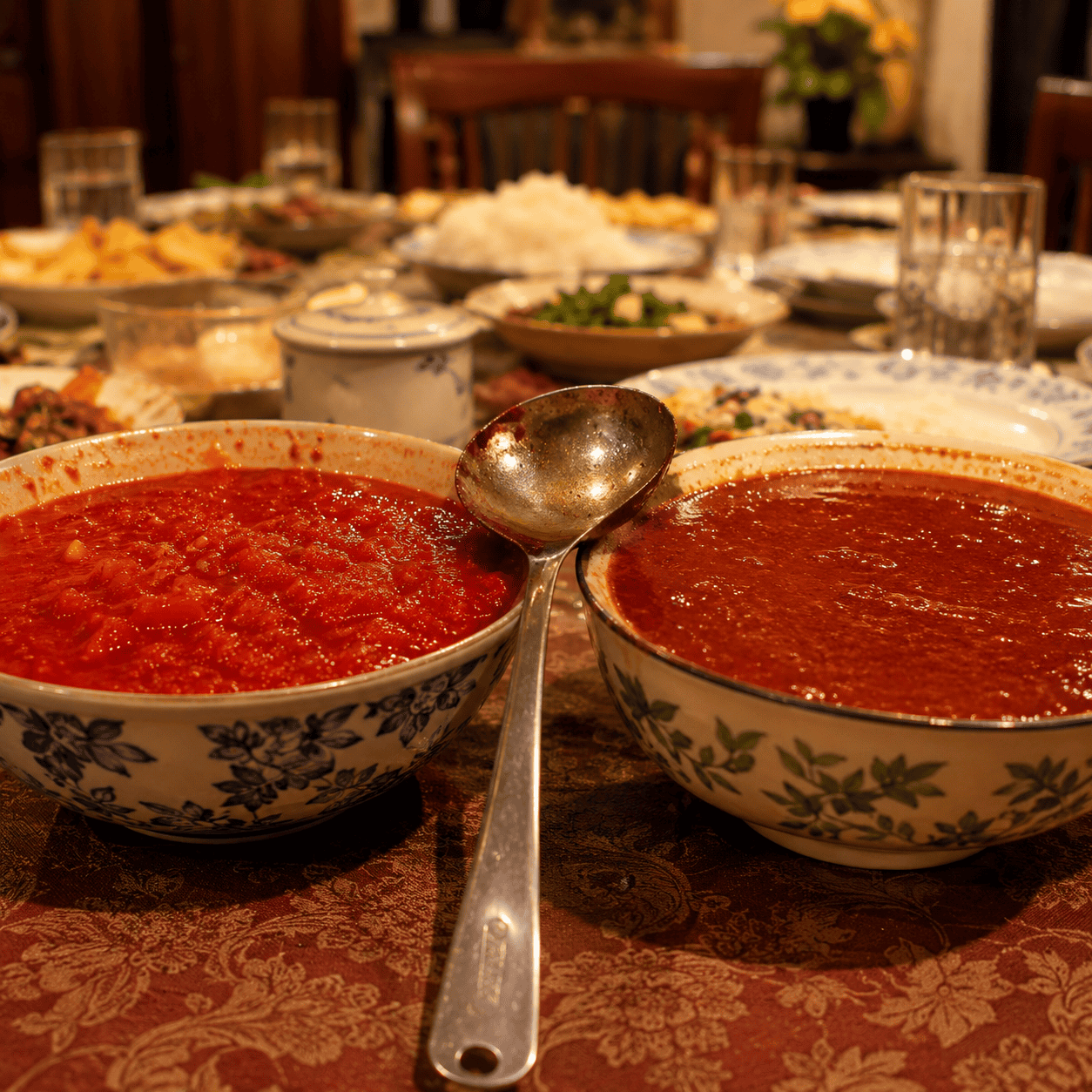
Telling your mother-in-law her gravy is the best you’ve ever had, while sitting in your mother’s dining room, is an act of war.
It will be remembered. It will resurface at Easter.
Praise the ingredient instead. “These tomatoes are unbelievable.” Safe, true, and attributable to nobody.
25. Nobody Gets Up While Somebody Is Still Eating
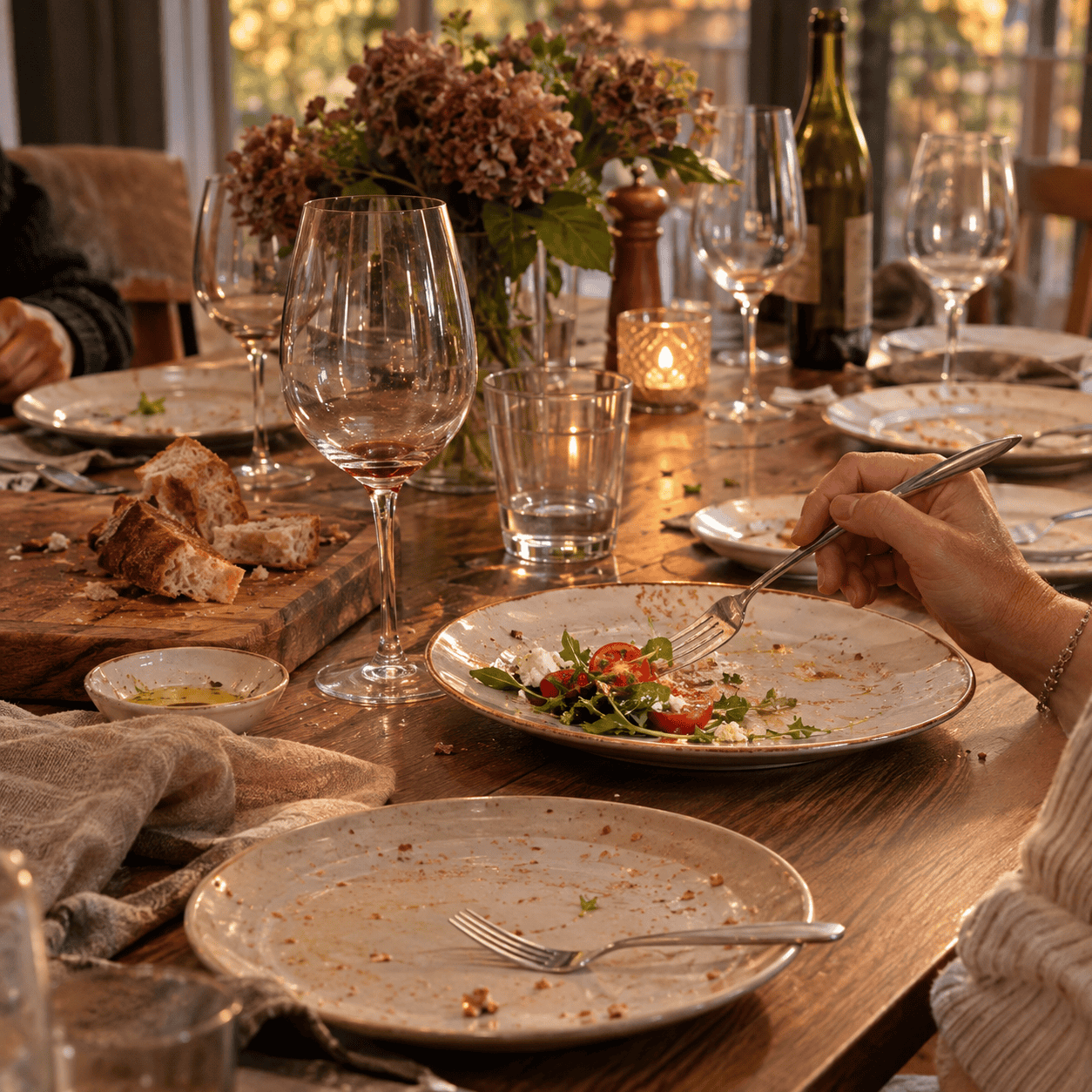
You ask to be excused. The answer is usually no.
The meal ends when the last fork goes down, and that fork belongs to the woman who started eating forty minutes after everyone else.
So you sit. You listen to an argument about a cousin’s new car. You learn who your family is.
26. Clean the Plate With Bread — With Your Fingers, Not a Fork
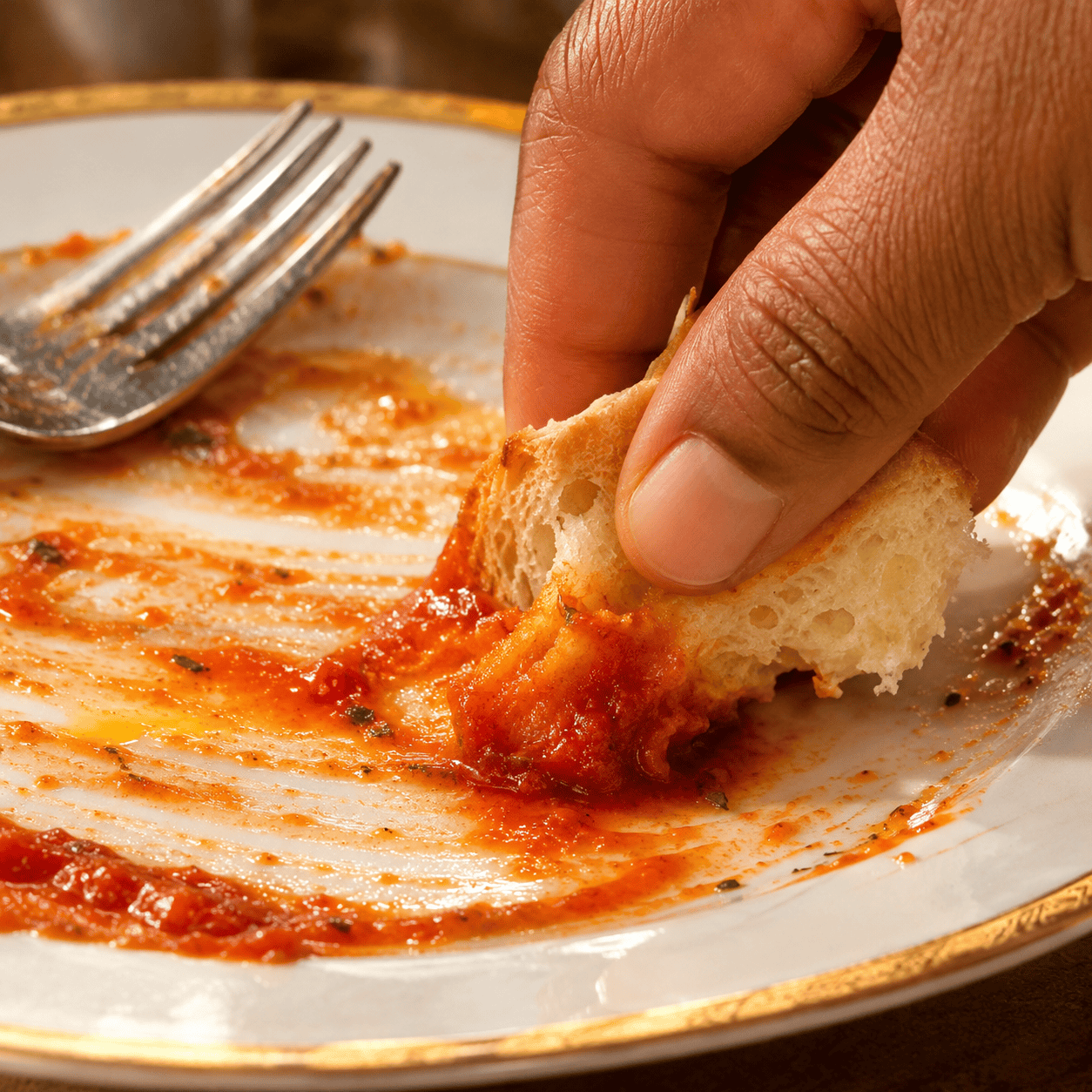
Fare la scarpetta. The little shoe. You tear a piece of bread, you mop the plate, you eat the evidence.
It’s not bad manners. It’s the review. A plate that goes back to the kitchen with gravy still on it says something, and it isn’t good.
But the bread goes in your fingers. Spear it on a fork and you’ve turned a compliment into a procedure.
27. The Shouting Is Not Fighting
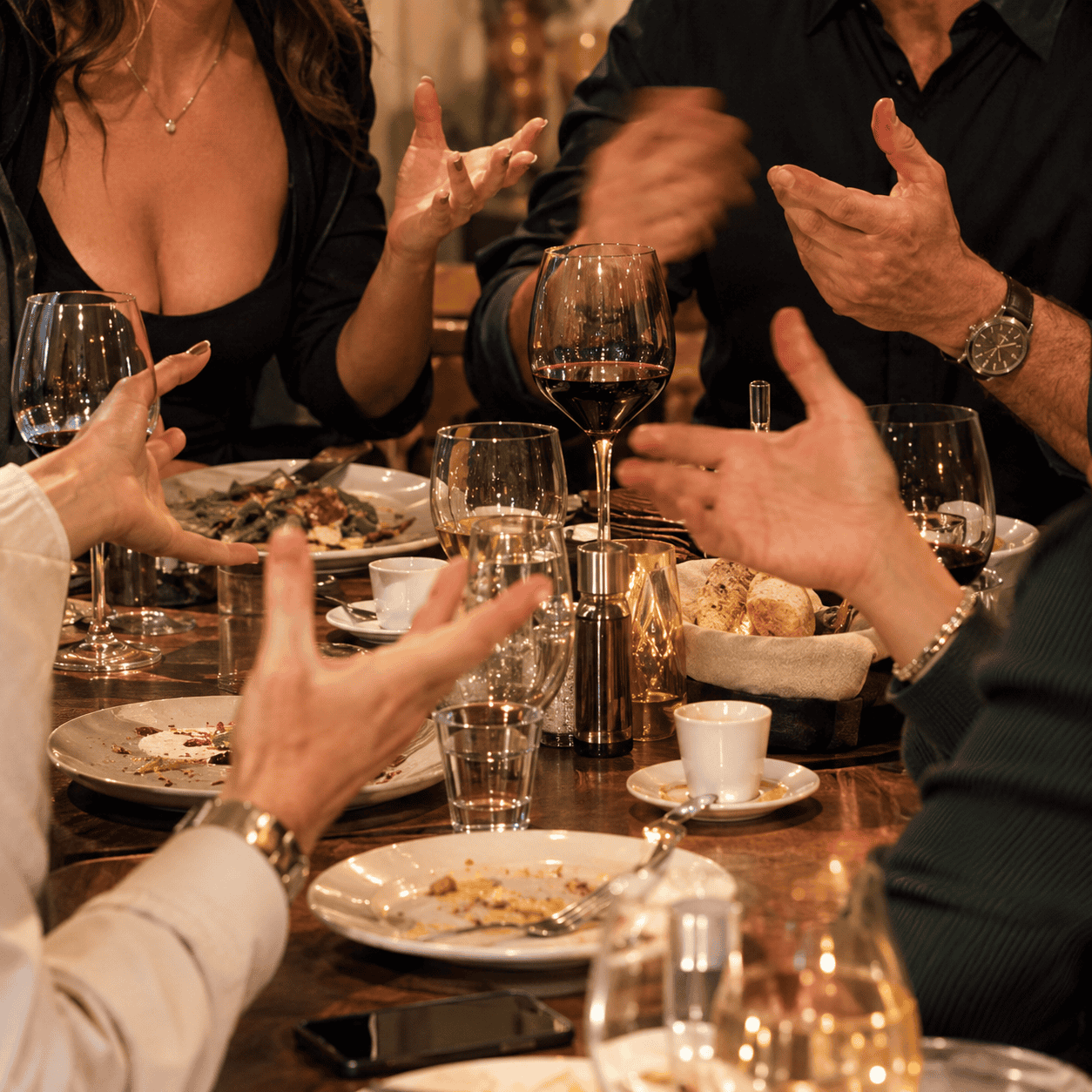
My husband’s first Sunday at that table, he leaned over and asked me quietly if we should leave.
Nobody was fighting. Two brothers were disagreeing about where the ricotta should come from, at full volume, with hands.
Volume is a sign of health. Worry when the table goes quiet.
28. Fruit and Nuts Come Out Before the Pastry Box
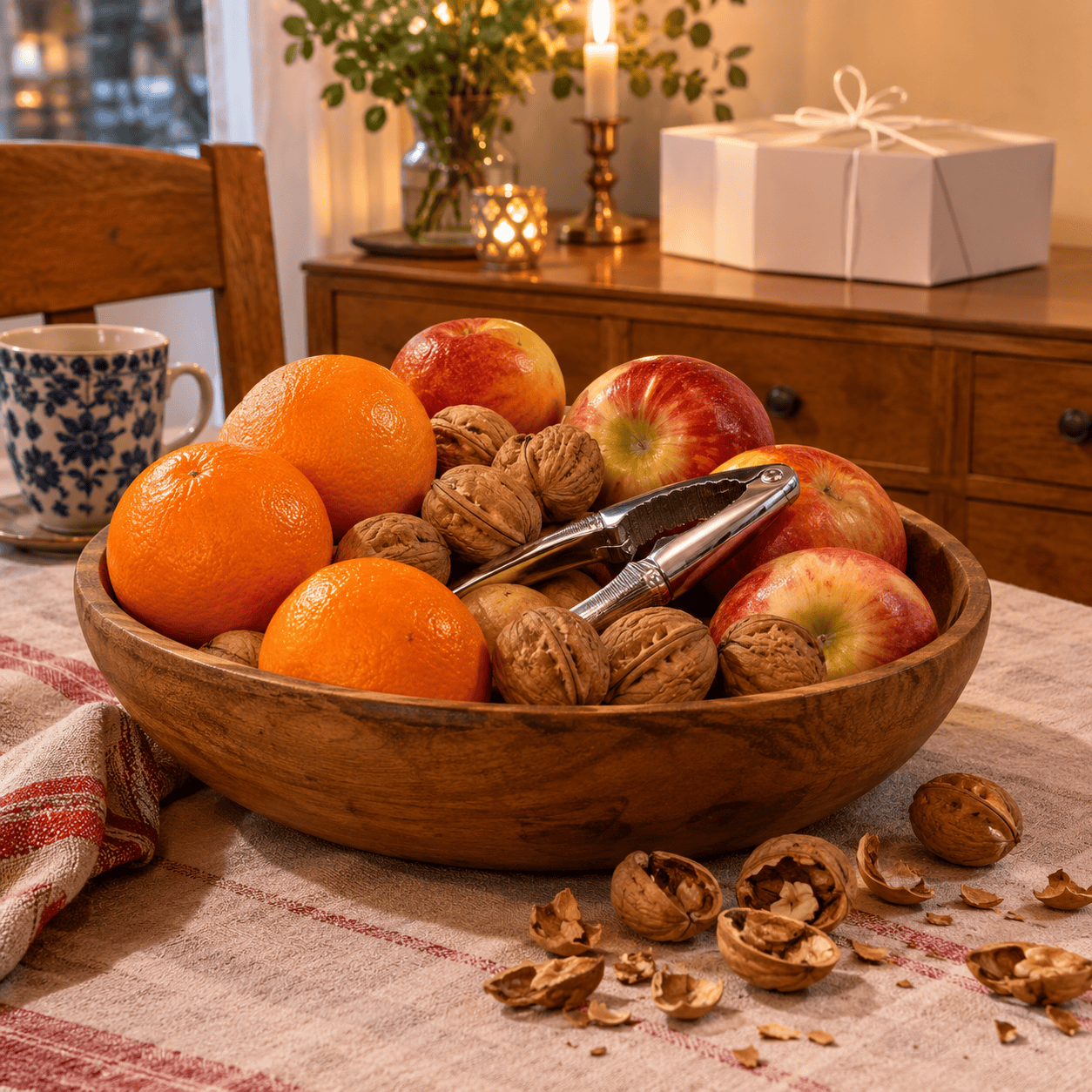
A bowl of oranges and apples lands first, with whole walnuts and the steel nutcracker buried in them like a shovel in gravel.
You peel an orange in one spiral if you can. You crack nuts for twenty minutes. The pastry box sits on the counter, taunting everyone.
Reaching for the sfogliatelle before the fruit course is a tell. It means you’re in a hurry, and nobody at that table is in a hurry.
29. You Offer to Help Clean Up, and You Lose the Argument
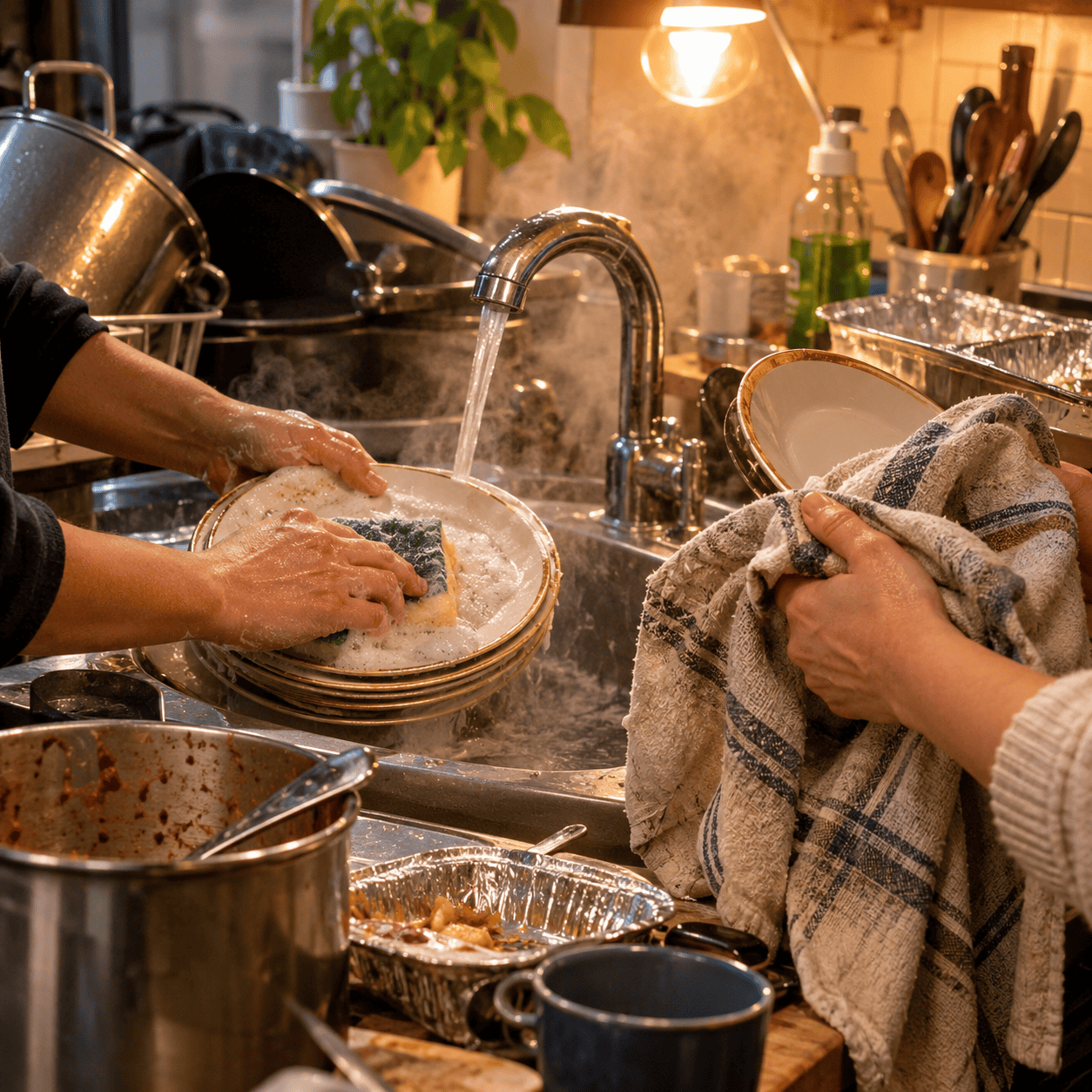
The offer is mandatory. The refusal is automatic. Neither one is negotiable.
Here’s how it actually goes:
- First offer, made sitting down. Waved off.
- Second offer, standing, with a plate already in your hand. Plate taken from you.
- Third offer, in the kitchen, where you are told to go sit.
- You stay. You dry dishes for forty minutes and hear every piece of family news that didn’t make it to the table.
The kitchen after dinner is where the real conversation happens. Losing that argument is the whole point.
30. Coffee Means Espresso — and Never a Cappuccino After Noon
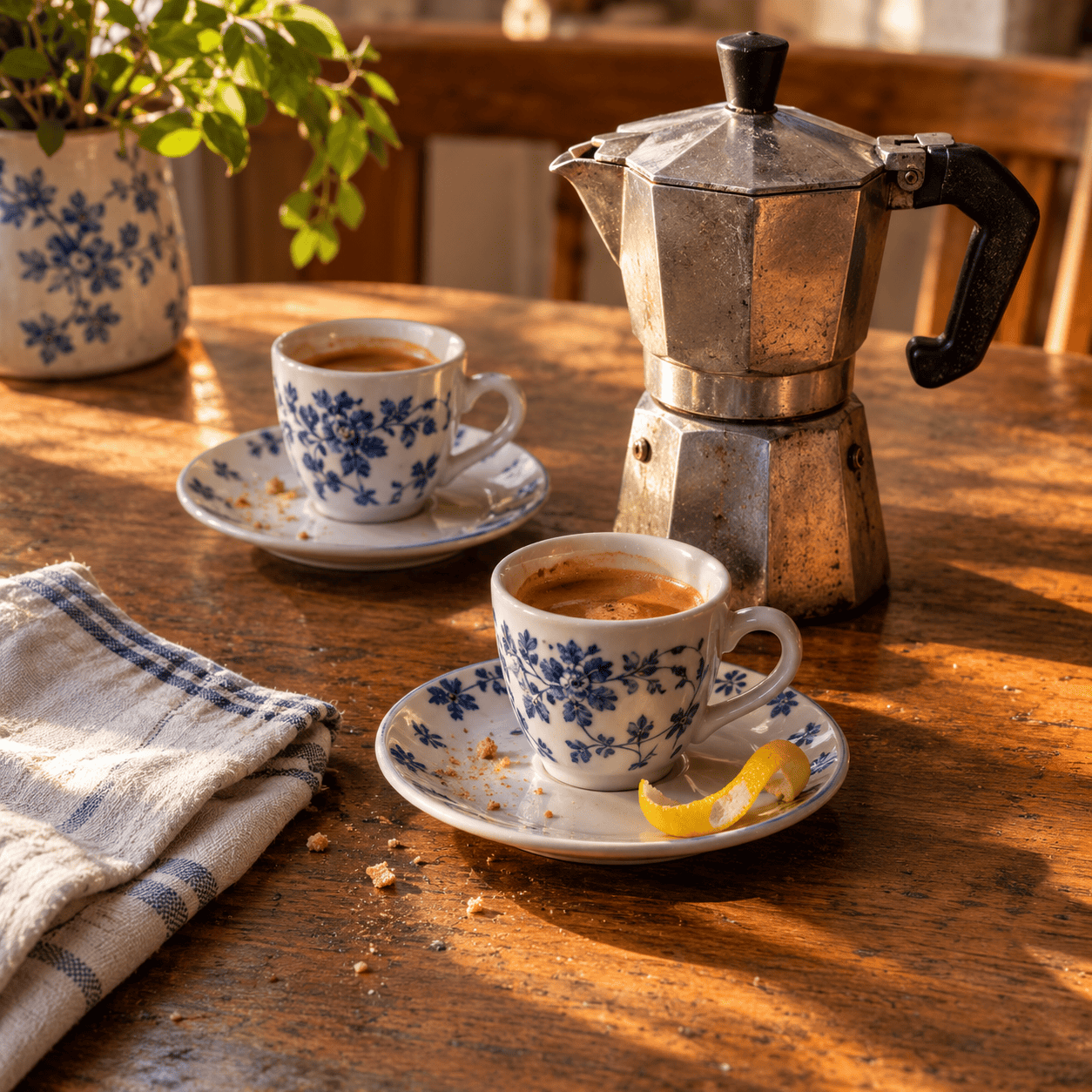
Coffee at the end of a Sunday dinner is a small cup of espresso, maybe with a twist of lemon peel if my grandfather was feeling theatrical.
Milky coffee after a meal is considered rough on the digestion in Italy, which is why asking for a cappuccino at four in the afternoon marks you instantly as a tourist.
Here’s the split, for anyone marrying in:
| Cappuccino | Espresso | |
|---|---|---|
| When | Before 11 a.m. | Any time, especially after a meal |
| With food | Cornetto, standing at a bar | Nothing, or a pastry |
| After Sunday dinner | Never | Always |
| If you order it wrong | You’ll be served, and judged | No risk |
You’ll get the cappuccino if you insist. You’ll also be a story.
31. The Anisette Comes Out With the Coffee
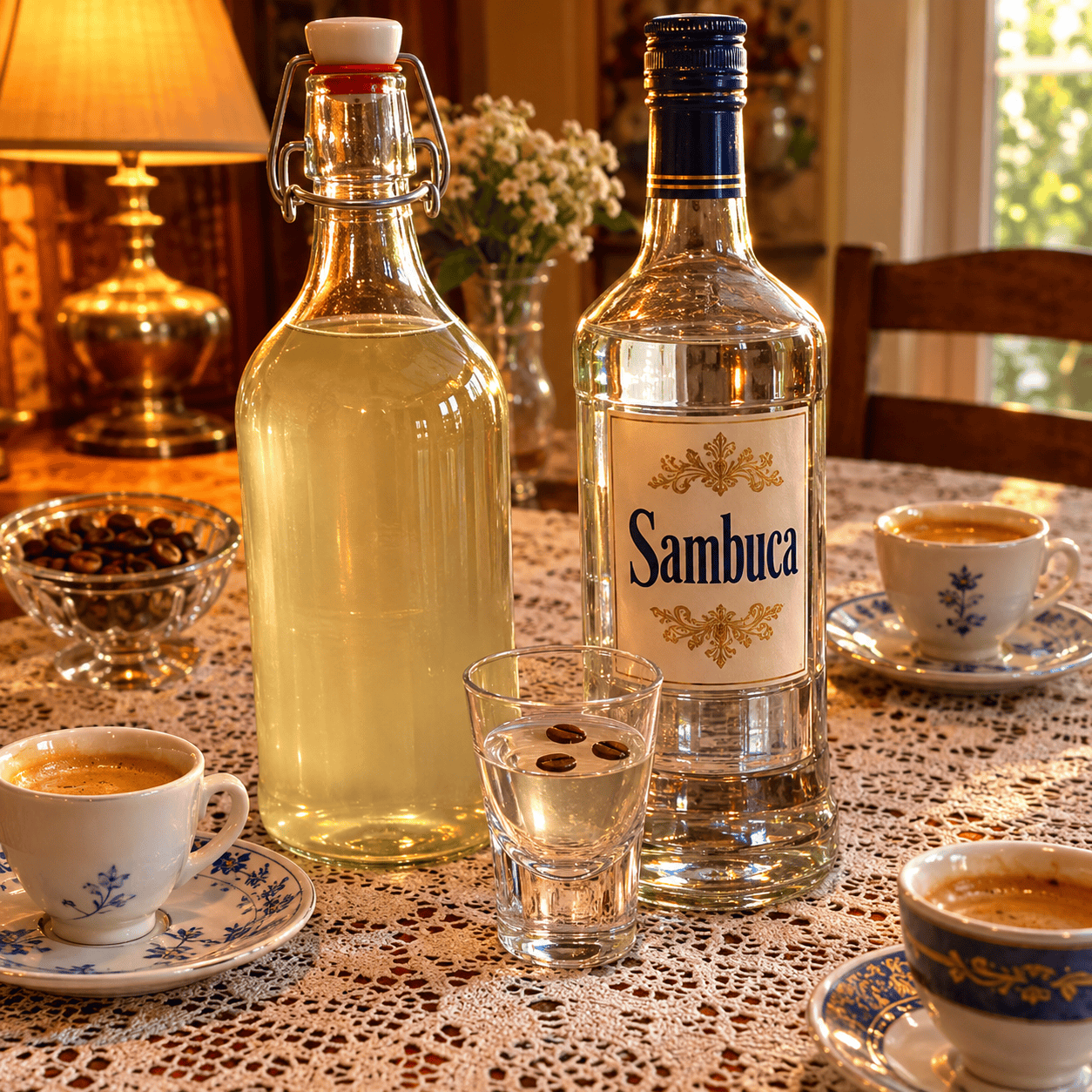
Anisette, sambuca with three coffee beans floating in it, limoncello somebody’s cousin made in a garage in Hammonton. Always an unlabeled bottle somewhere in the mix.
A splash goes into the espresso. That’s called correcting it.
The table had been going two hours at that point. The anisette bought it another one.
32. You Cannot Just Leave — the Goodbye Takes Forty-Five Minutes
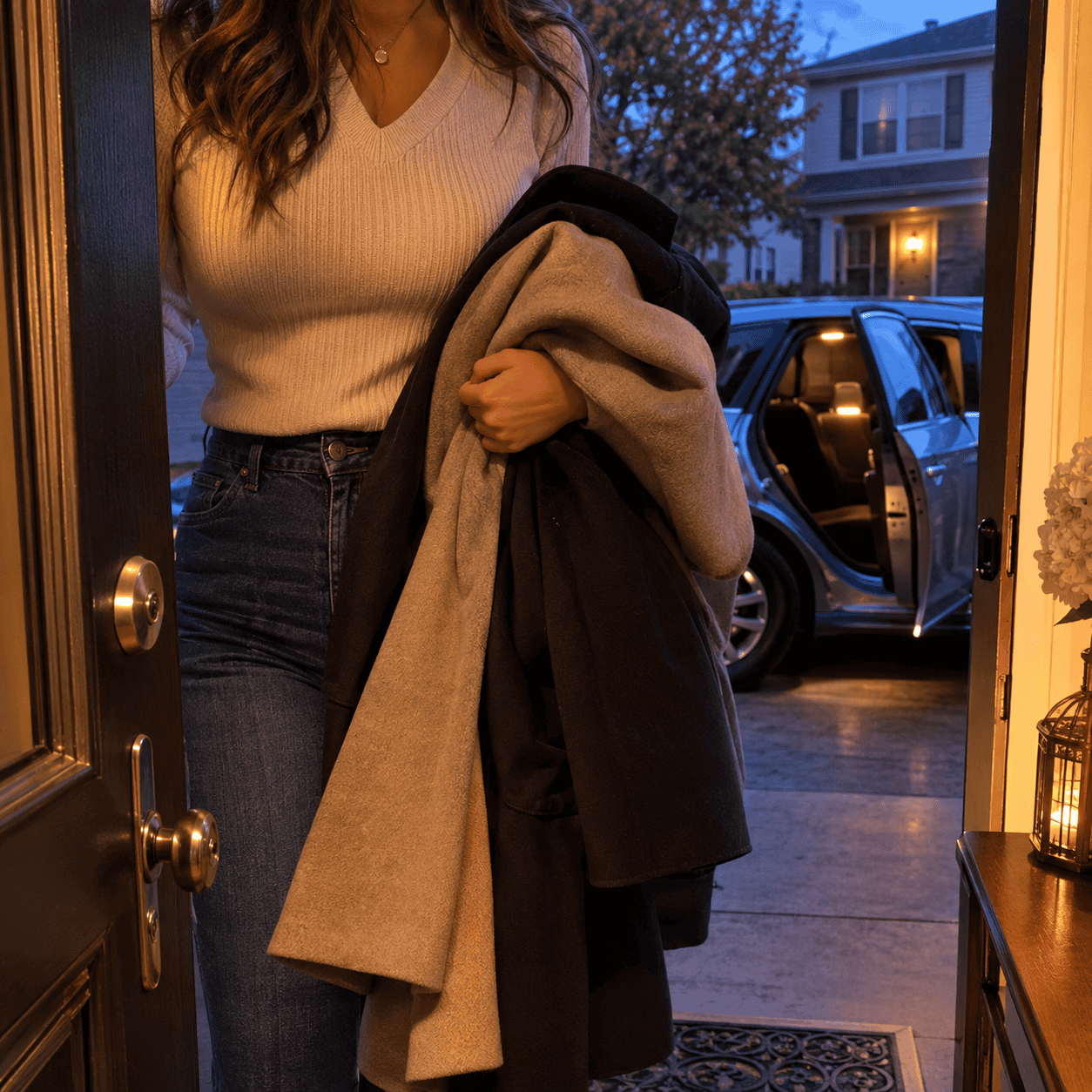
Announcing that you have to go is not the end of the visit. It’s the opening of a new phase.
Goodbye number one happens standing in the kitchen. Number two at the front door, coats on, still talking. Number three in the driveway with the car door open and the dome light draining the battery.
Build it into the schedule. If you need to be somewhere at four, you start leaving at three.
33. Nobody Goes Home Without a Tray
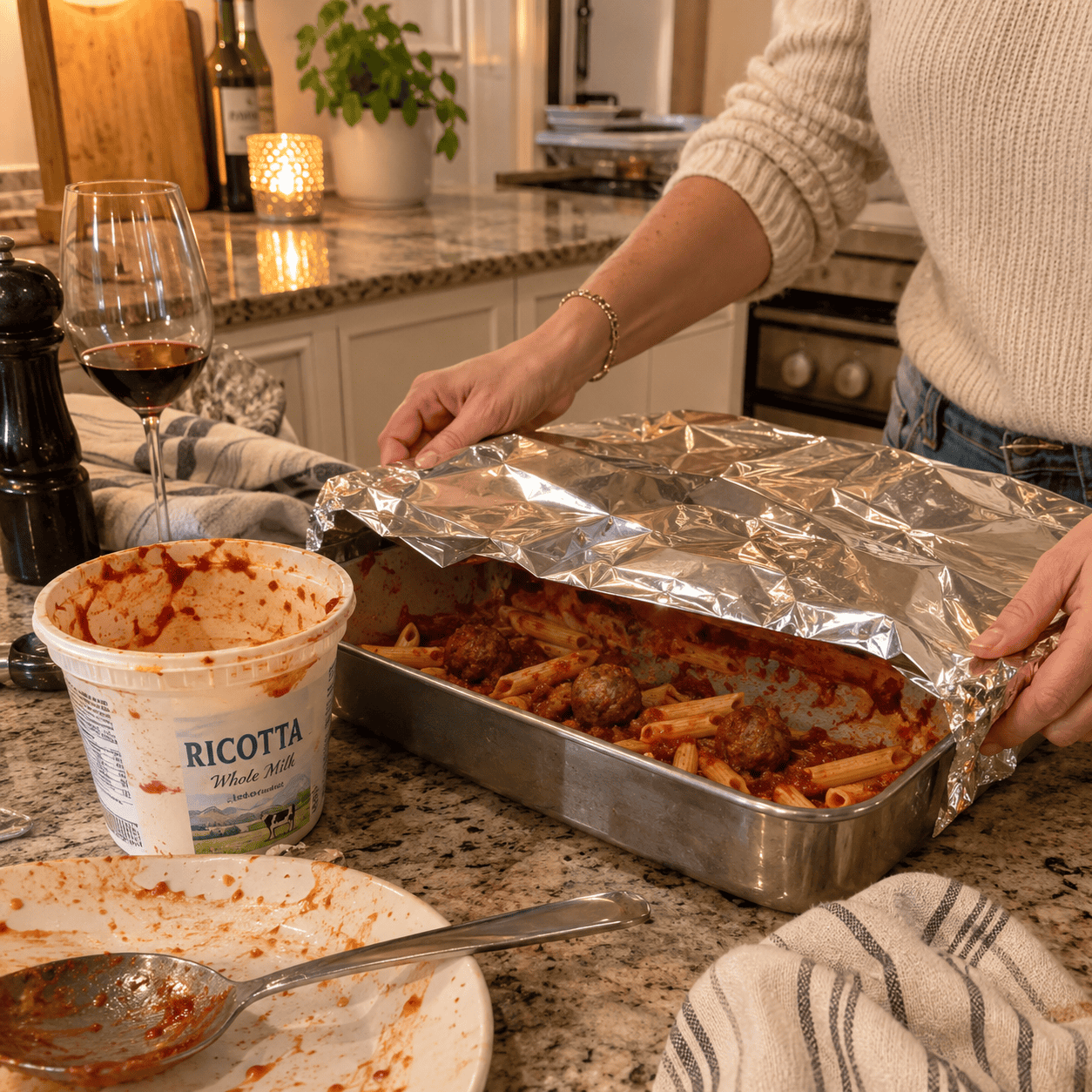
Foil pan, lid crimped down. A ricotta container washed out and reused since the Carter administration. Pasta packed before you thought to ask.
You say you don’t need it. It goes on the front seat of your car anyway, warm against your hip.
This is the rule nobody has ever broken, because it isn’t about food. It’s how they send you home with the afternoon still on you. I open that container on Tuesday and I’m eight years old again.
34. Don’t Cut Your Pasta With a Knife
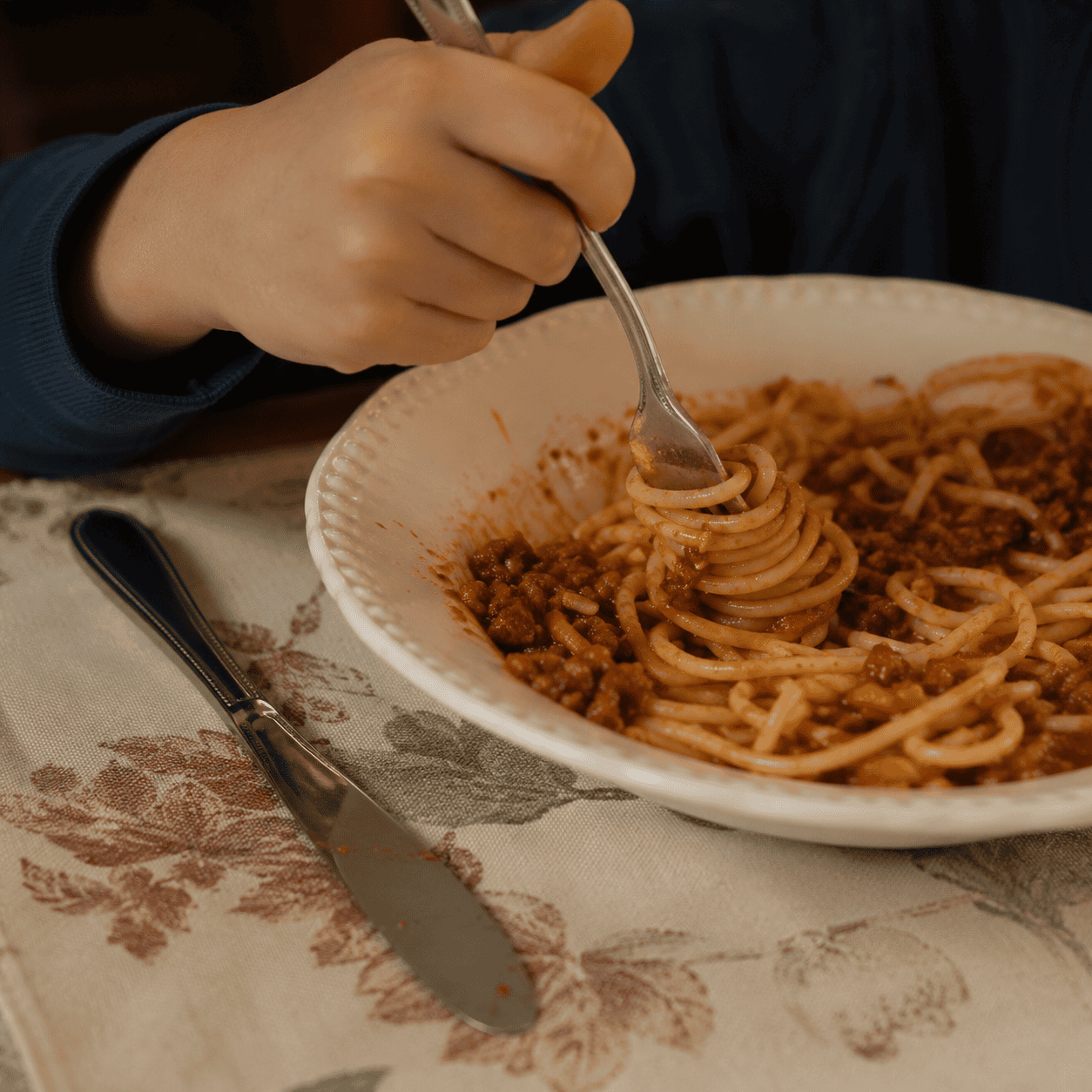
Twirl it against the curve of the bowl. No spoon needed, no knife ever.
Kids got corrected on this constantly, and the correction came with a demonstration you were expected to copy on the spot.
Long pasta too awkward for a child? Then it should have been pastina, and that’s the cook’s problem, not the knife’s.
35. The Real Cooking Happens in the Basement Kitchen
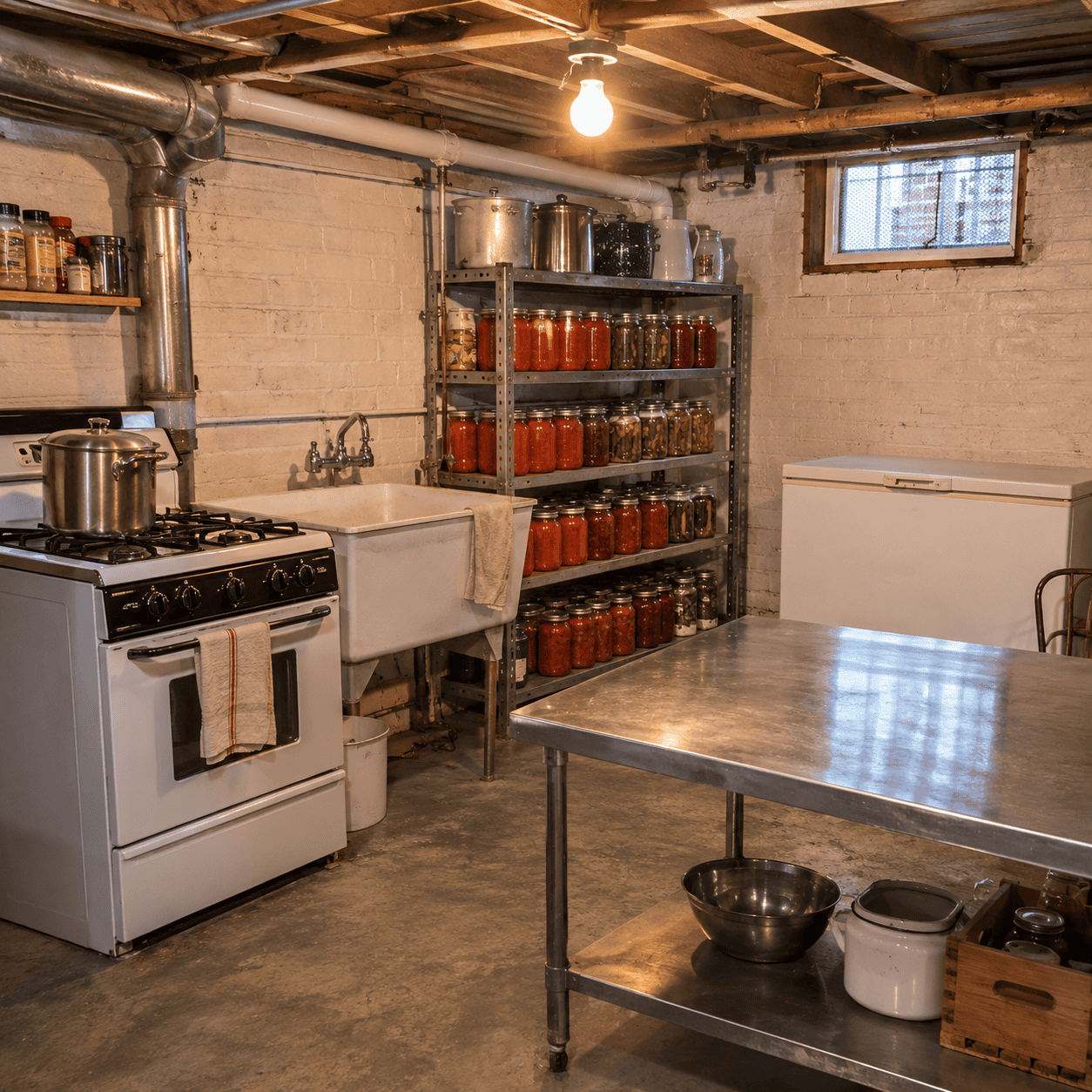
Second stove, second sink, a chest freezer, a utility table, and a wall of jarred tomatoes done over three days every September.
The upstairs kitchen was for show and for coffee. The basement was where the frying happened, where the sausage got hung, where the wine sat in the cool dark.
Half the houses on that street had one. If yours did, you already know the smell of that staircase — and a lot of what lived in those kitchens never made it upstairs.
Not one of these rules was ever explained. They were absorbed, the way you absorb a language before you know it’s a language.
Most of the people who enforced them at my table are gone. The plastic came off the couch in 1994, the demijohn got thrown out, and nobody in my family has a basement kitchen anymore.
But my kids know not to break the spaghetti, and they know not to leave without the tray. That’s two rules out of thirty-five, which is more than I expected to get.
Pick one this Sunday. Put the pot on early and don’t let anybody go home empty-handed.
Buon appetito, Madeline